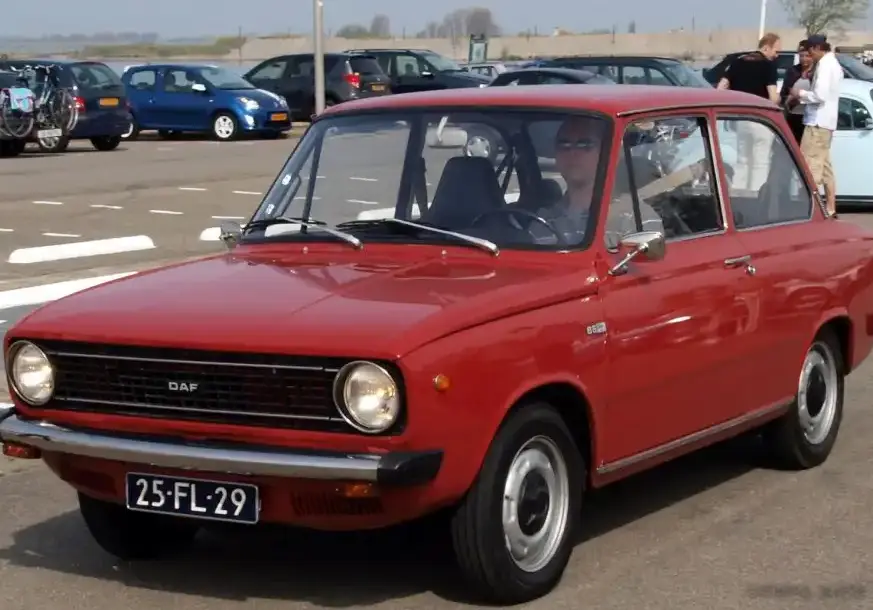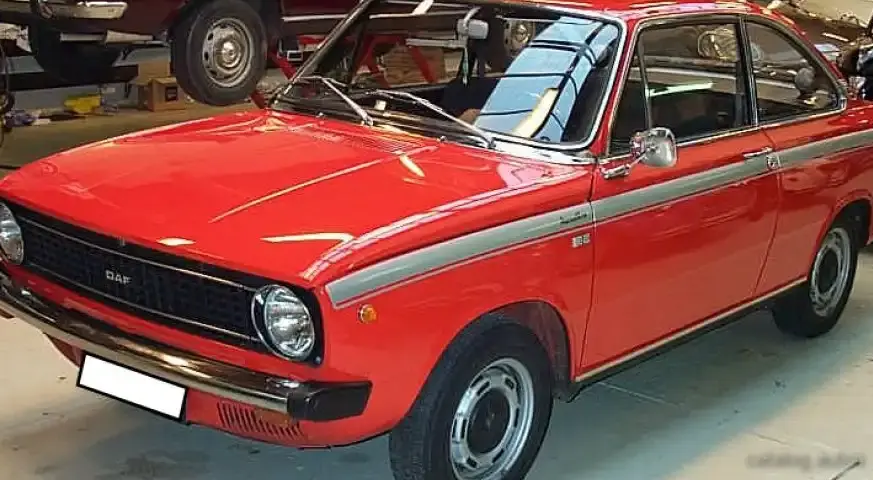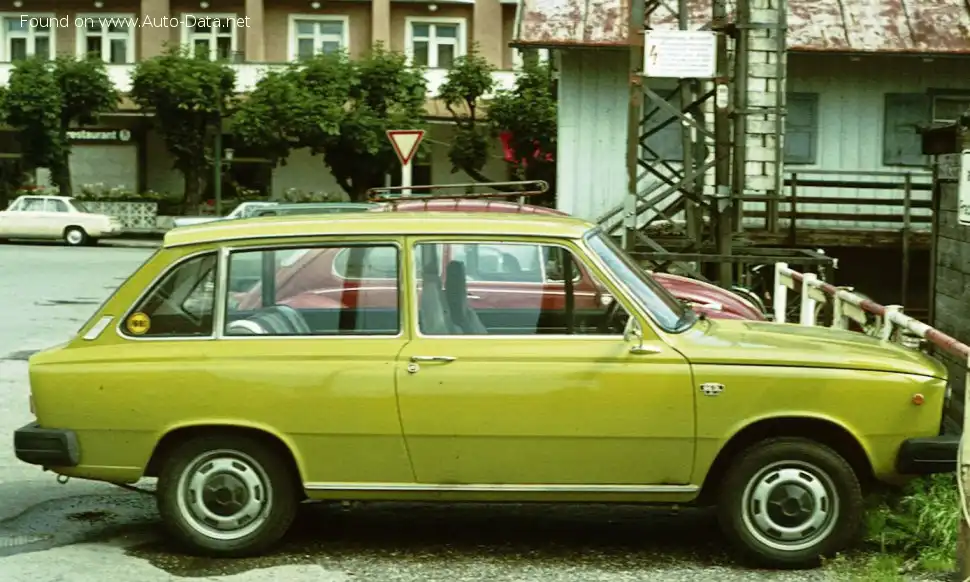
The DAF 66 Combi 1300 Marathon, produced between 1973 and 1975, represents a significant iteration of the DAF 66 model line. This variant, a station wagon (estate) body style, was positioned as a practical and economical family vehicle within the Dutch automotive market. The “Marathon” designation denoted a specific trim level, focusing on enhanced durability and comfort for the time. The 66 Combi, and the 66 in general, was notable for its innovative use of a continuously variable transmission (CVT), a feature relatively uncommon in mainstream production cars during this period. The 1300 Marathon, with its 57 horsepower engine, served as a mid-range offering within the 66 Combi lineup, slotting below the more powerful 1600 models.
Technical Specifications
| Brand | DAF |
| Model | 66 |
| Generation | 66 Combi |
| Type (Engine) | 1300 Marathon (57 Hp) |
| Start of Production | 1973 |
| End of Production | 1975 |
| Powertrain Architecture | Internal Combustion Engine |
| Body Type | Station Wagon (Estate) |
| Fuel Type | Petrol (Gasoline) |
| Power | 57 Hp |
| Engine Aspiration | Naturally Aspirated |
Powertrain & Engine Architecture
The DAF 66 Combi 1300 Marathon was powered by a 1289cc, inline four-cylinder engine. This engine, while modest in output at 57 horsepower, was designed for reliability and fuel efficiency. It featured a single overhead camshaft (SOHC) valvetrain and a two-barrel Solex carburetor. The engine’s design prioritized low-end torque, crucial for maximizing the effectiveness of the DAF’s signature Variomatic CVT. The Variomatic transmission, developed in-house by DAF, utilized two pulleys connected by a V-belt. The pulleys’ diameters were continuously adjusted based on engine speed and throttle position, providing a seamless and stepless gear ratio. This system eliminated the need for traditional gear changes, offering a unique driving experience. Unlike many contemporary automatics, the Variomatic didn’t have fixed gear ratios; instead, it continuously adjusted to maintain optimal engine speed for the given driving conditions. The engine block was constructed from cast iron, contributing to its durability, while the cylinder head was made of aluminum alloy to reduce weight. The engine, designated as a type 338, was a relatively simple design, favoring ease of maintenance and longevity over outright performance.
Driving Characteristics
The driving experience in a DAF 66 Combi 1300 Marathon was distinctly different from that of cars with conventional transmissions. The Variomatic CVT provided smooth acceleration, but the engine tended to hold a constant RPM during acceleration, which could feel somewhat unusual to drivers accustomed to traditional gear changes. This characteristic, often described as a “rubber band” effect, took some getting used to. The 57 horsepower engine provided adequate, though not exhilarating, performance. Acceleration was best described as leisurely, and the car was not designed for high-speed cruising. Top speed was around 85 mph, but the car felt most comfortable at lower speeds. The focus was on comfortable and efficient transportation. The Variomatic’s lack of distinct gear changes also impacted engine braking; it was less pronounced than in cars with manual or conventional automatic transmissions. Compared to the 1600cc versions of the 66 Combi, the 1300 Marathon offered less power and slightly slower acceleration. However, the 1300 was generally considered more fuel-efficient, achieving around 28-32 mpg, and placed less strain on the Variomatic transmission, potentially leading to improved long-term reliability. The Variomatic’s operation also meant that the engine was always operating within its most efficient range, contributing to the improved fuel economy.
Equipment & Trim Levels
The “Marathon” trim level on the DAF 66 Combi 1300 indicated a step up in terms of standard equipment and interior appointments. While not luxurious by modern standards, the Marathon included features considered desirable for the time. Standard upholstery was typically a durable vinyl, often in darker shades like brown or dark blue. The dashboard featured a simple, functional layout with basic instrumentation, including a speedometer, fuel gauge, and temperature gauge. A two-spoke steering wheel was standard. Optional extras included a radio, a heated rear window, and upgraded seat upholstery. The Marathon trim also often included additional sound deadening material compared to the base models, improving cabin quietness. The station wagon body style itself was a key feature, offering a generous cargo capacity of approximately 20 cubic feet with the rear seats up, and expanding to around 45 cubic feet with the seats folded down. This made it a practical choice for families and those needing to transport larger items. The Marathon trim also included chrome trim around the windows and on the bumpers, adding a touch of visual refinement.
Chassis & Braking
The DAF 66 Combi 1300 Marathon utilized a relatively simple chassis design. It featured independent front suspension with coil springs and a rigid rear axle with leaf springs. The suspension was tuned for comfort rather than sporty handling, prioritizing a smooth ride over precise cornering. Steering was by a rack and pinion system, providing reasonable precision. Braking was accomplished via drum brakes on all four wheels. While adequate for the car’s weight and performance, the drum brakes lacked the stopping power and fade resistance of disc brakes. The car’s relatively light weight – around 1,000 kg (2,200 lbs) – helped to mitigate the limitations of the drum brakes. Stabilizer bars were not typically fitted to the 66 Combi, contributing to a slightly more pronounced body roll in corners. The tires were typically narrow, 165/80R14, reflecting the prevailing tire technology of the early 1970s. The chassis was a monocoque construction, providing a good balance of strength and weight.
Market Reception & Comparison
The DAF 66 Combi 1300 Marathon received mixed reviews from automotive critics. The Variomatic transmission was often praised for its smoothness and ease of use, but some critics found the constant engine RPM during acceleration to be disconcerting. The engine’s modest power output was also a common point of criticism, particularly when compared to competitors offering larger displacement engines. However, the 66 Combi was generally well-regarded for its practicality, fuel efficiency, and comfortable ride. Compared to the 1600cc versions, the 1300 Marathon offered better fuel economy and lower running costs, making it an attractive option for budget-conscious buyers. In terms of reliability, the 1300 Marathon was generally considered more dependable than the 1600, as the smaller engine placed less stress on the Variomatic transmission. Competitors in the same segment included the Volvo 145, the Renault 16, and the Simca 1100 Estate. The Volvo 145 offered more power and a more robust feel, while the Renault 16 provided a more modern design and a slightly more spacious interior. The Simca 1100 Estate was a more affordable option, but lacked the DAF’s unique Variomatic transmission.
Legacy
The DAF 66 Combi 1300 Marathon, while not a high-performance vehicle, holds a unique place in automotive history due to its innovative Variomatic transmission. The Variomatic, though complex for its time, proved to be surprisingly durable and reliable when properly maintained. Today, the DAF 66 Combi is a sought-after classic car, particularly among enthusiasts interested in unusual and innovative automotive technology. The 1300 Marathon variant is often preferred by those seeking a more economical and potentially more reliable example. Parts availability can be a challenge, but a dedicated community of DAF enthusiasts exists to support owners. The car’s simple mechanical design makes it relatively easy to maintain for those with mechanical aptitude. The DAF 66 Combi 1300 Marathon represents a fascinating chapter in Dutch automotive history, showcasing a willingness to experiment with unconventional technologies and a commitment to providing practical and affordable transportation. The DAF brand itself was later absorbed into Volvo, and the Variomatic technology, while not widely adopted, influenced the development of other continuously variable transmissions.