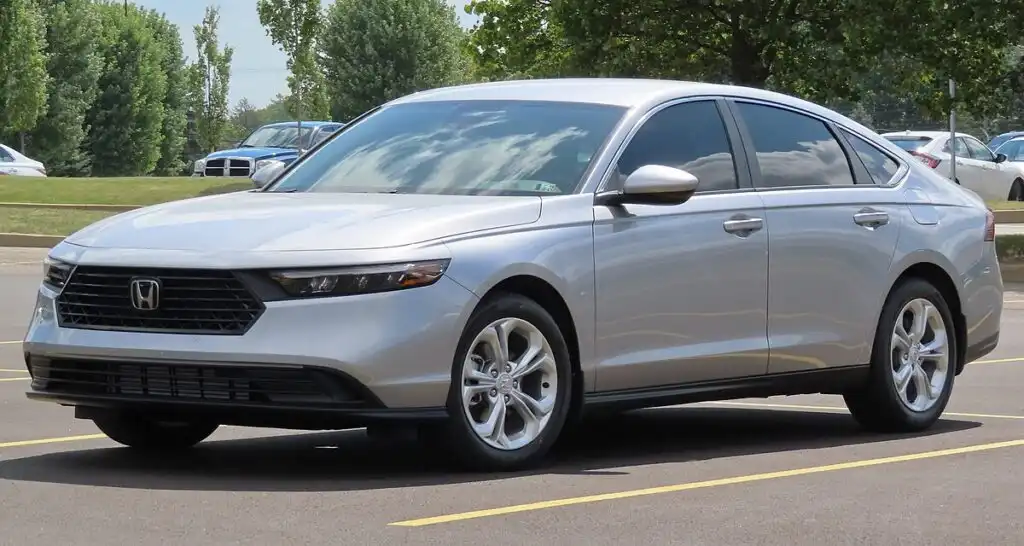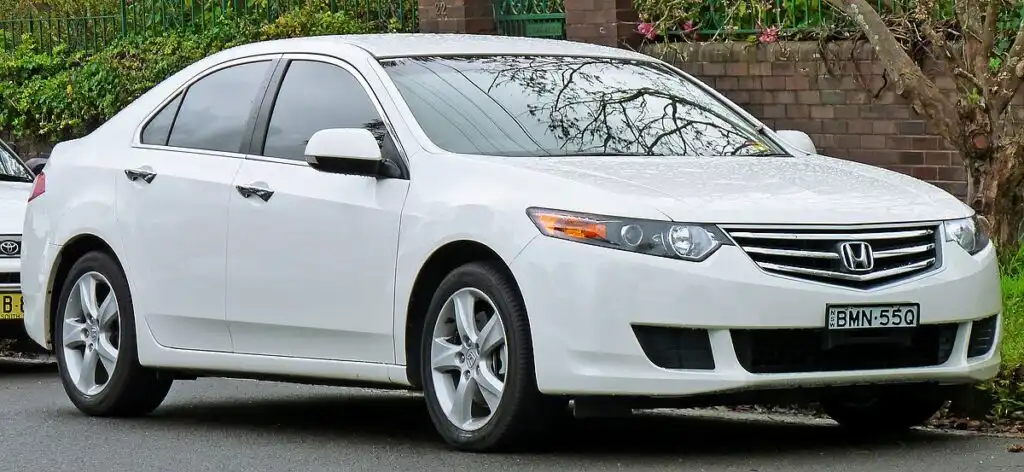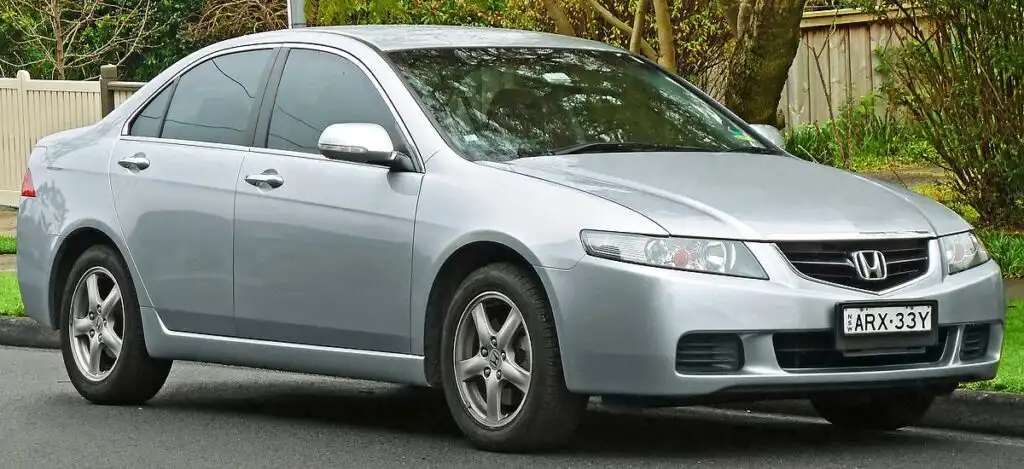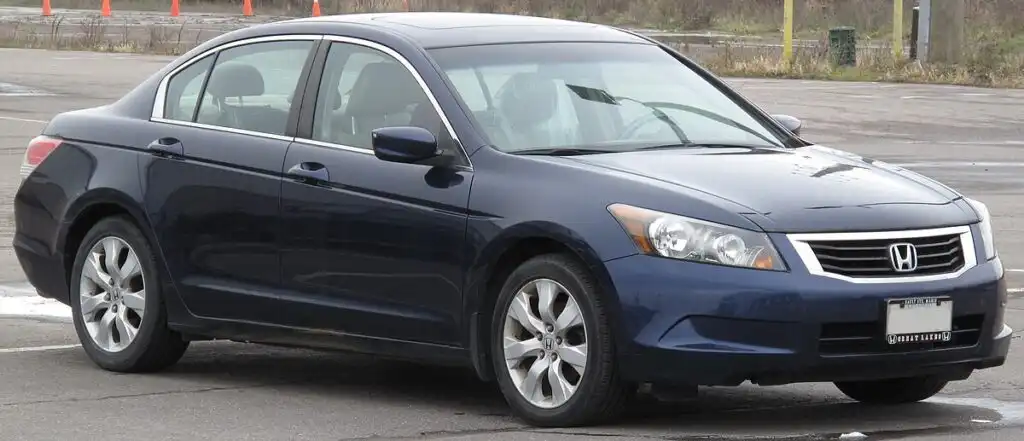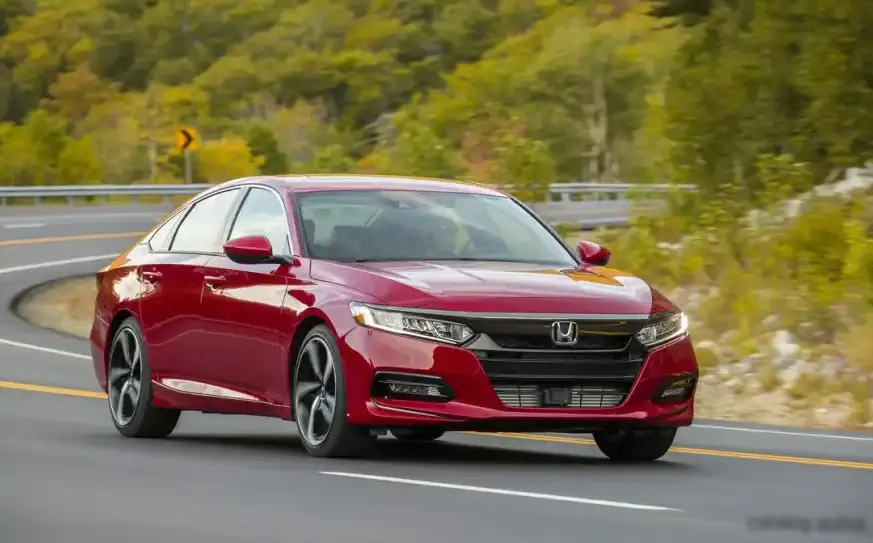
The Honda Accord 2.0T, produced from 2018 to 2020, represented a significant step forward for Honda’s mid-size sedan. Part of the tenth-generation Accord (internally designated as the “X” generation), this variant was positioned as the performance-oriented trim, slotting above the base 1.5L turbocharged engine and offering a more engaging driving experience. It was a key model in the highly competitive US market, where the Accord consistently ranked among the best-selling sedans. The 2.0T aimed to attract buyers seeking a blend of practicality, refinement, and spirited performance.
Technical Specifications
| Brand | Honda |
| Model | Accord |
| Generation | Accord X |
| Type (Engine) | 2.0 Turbo (252 Hp) |
| Start of production | 2018 |
| End of production | 2020 |
| Powertrain Architecture | Internal Combustion engine |
| Body type | Sedan |
| Seats | 5 |
| Doors | 4 |
| Fuel consumption (economy) – urban (EPA) | 10.7 l/100 km (22 US mpg) |
| Fuel consumption (economy) – extra urban (EPA) | 7.4 l/100 km (31.8 US mpg) |
| Fuel consumption (economy) – combined (EPA) | 9 l/100 km (26.1 US mpg) |
| Fuel Type | Petrol (Gasoline) |
| Emission standard | LEV3-SULEV30 |
| Weight-to-power ratio | 5.9 kg/Hp, 168.4 Hp/tonne |
| Weight-to-torque ratio | 4 kg/Nm, 247.3 Nm/tonne |
| Power | 252 Hp @ 6500 rpm |
| Power per litre | 126.3 Hp/l |
| Torque | 370 Nm @ 1500-4000 rpm (272.9 lb.-ft. @ 1500-4000 rpm) |
| Maximum engine speed | 6800 rpm |
| Engine layout | Front, Transverse |
| Engine Model/Code | K20C4 |
| Engine displacement | 1996 cm3 (121.8 cu. in.) |
| Number of cylinders | 4 |
| Engine configuration | Inline |
| Cylinder Bore | 86 mm (3.39 in.) |
| Piston Stroke | 85.9 mm (3.38 in.) |
| Compression ratio | 9.8:1 |
| Number of valves per cylinder | 4 |
| Fuel injection system | Direct injection |
| Engine aspiration | Turbocharger, Intercooler |
| Valvetrain | DOHC, VTEC |
| Engine oil capacity | 4.8 l (5.07 US qt | 4.22 UK qt) |
| Coolant | 5.06 l (5.35 US qt | 4.45 UK qt) |
| Kerb Weight | 1496 kg (3298.12 lbs.) |
| Trunk (boot) space – minimum | 473 l (16.7 cu. ft.) |
| Fuel tank capacity | 56 l (14.79 US gal | 12.32 UK gal) |
| Length | 4882 mm (192.2 in.) |
| Width | 1862 mm (73.31 in.) |
| Height | 1450 mm (57.09 in.) |
| Wheelbase | 2830 mm (111.42 in.) |
| Front track | 1600 mm (62.99 in.) |
| Rear (Back) track | 1610 mm (63.39 in.) |
| Minimum turning circle (turning diameter) | 12 m (39.37 ft.) |
| Drivetrain Architecture | The Internal combustion engine (ICE) drives the front wheels of the vehicle. |
| Drive wheel | Front wheel drive |
| Number of gears and type of gearbox | 6 gears, manual transmission |
| Front suspension | Independent, type McPherson with coil spring and anti-roll bar |
| Rear suspension | Independent multi-link spring suspension with stabilizer |
| Front brakes | Ventilated discs, 312 mm |
| Rear brakes | Disc, 282 mm |
| Assisting systems | ABS (Anti-lock braking system) |
| Steering type | Steering rack and pinion |
| Power steering | Electric Steering |
| Tires size | 235/40 R19 |
| Wheel rims size | 8J x 19 |
Powertrain & Engine Architecture
The heart of the Accord 2.0T is the K20C4 engine, a 2.0-liter, inline-four cylinder powerplant. This engine is a member of Honda’s K-series family, known for its high-revving nature and performance potential. The K20C4 utilizes direct injection, a single scroll turbocharger with an integrated intercooler, and Honda’s Variable Timing and Lift Electronic Control (VTEC) technology. VTEC allows for seamless switching between two camshaft profiles, optimizing low-end torque and high-end horsepower. The engine produces 252 horsepower at 6,500 rpm and 273 lb-ft of torque between 1,500 and 4,000 rpm. The engine’s design prioritizes both power and efficiency. The 6-speed manual transmission was standard, offering precise shifts and a direct connection to the engine.
Driving Characteristics
The 2.0T offered a noticeably more engaging driving experience than the base 1.5L Accord. The turbocharger provides strong acceleration, with peak torque available across a broad rev range. This translates to responsive performance in everyday driving situations, as well as confident passing power on the highway. The manual transmission, with its well-defined gate and relatively short throws, further enhances the driving experience. While not a dedicated sports sedan, the 2.0T provided a level of performance that was uncommon in the mid-size segment. The suspension was tuned to provide a balance between comfort and handling, offering a composed ride without sacrificing cornering ability.
Equipment & Trim Levels
The Accord 2.0T was typically offered in Sport and EX-L trim levels. The Sport trim included features like a leather-wrapped steering wheel, sport seats, and a more aggressive exterior styling package. The EX-L trim added luxury features such as leather upholstery, a sunroof, and a premium audio system. Standard equipment across both trims included Honda Sensing, a suite of advanced safety features including adaptive cruise control, lane keeping assist, and automatic emergency braking. Optional extras included navigation, wireless phone charging, and a head-up display.
Chassis & Braking
The Accord X utilized a MacPherson strut front suspension and a multi-link rear suspension. The 2.0T models often featured slightly stiffer spring rates and dampers compared to the 1.5L models, contributing to improved handling. Braking duties were handled by ventilated discs at all four corners. The Accord’s braking system provided ample stopping power and a firm pedal feel. ABS (Anti-lock Braking System) was standard, enhancing safety and control during emergency braking situations.
Market Reception & Comparison
The Accord 2.0T was generally well-received by automotive critics. Reviewers praised its powerful engine, engaging driving dynamics, and spacious interior. It was often compared to other performance-oriented mid-size sedans, such as the Mazda 6 and the Toyota Camry XSE. The Accord 2.0T typically offered a more powerful engine and a more engaging driving experience than its competitors, but it also tended to be slightly more expensive. Fuel economy was respectable, averaging around 26 mpg in combined driving, but slightly lower than the 1.5L turbo model.
Legacy
The K20C4 engine has proven to be a reliable and durable powerplant. While some early models experienced minor issues with the turbocharger, these were generally addressed through software updates and warranty repairs. Today, the Accord 2.0T remains a popular choice in the used car market, particularly among enthusiasts who appreciate its performance and driving dynamics. Its combination of practicality, refinement, and spirited performance has cemented its place as a standout model in the tenth-generation Accord lineup. The engine’s robust design and readily available parts contribute to its long-term reliability and affordability.