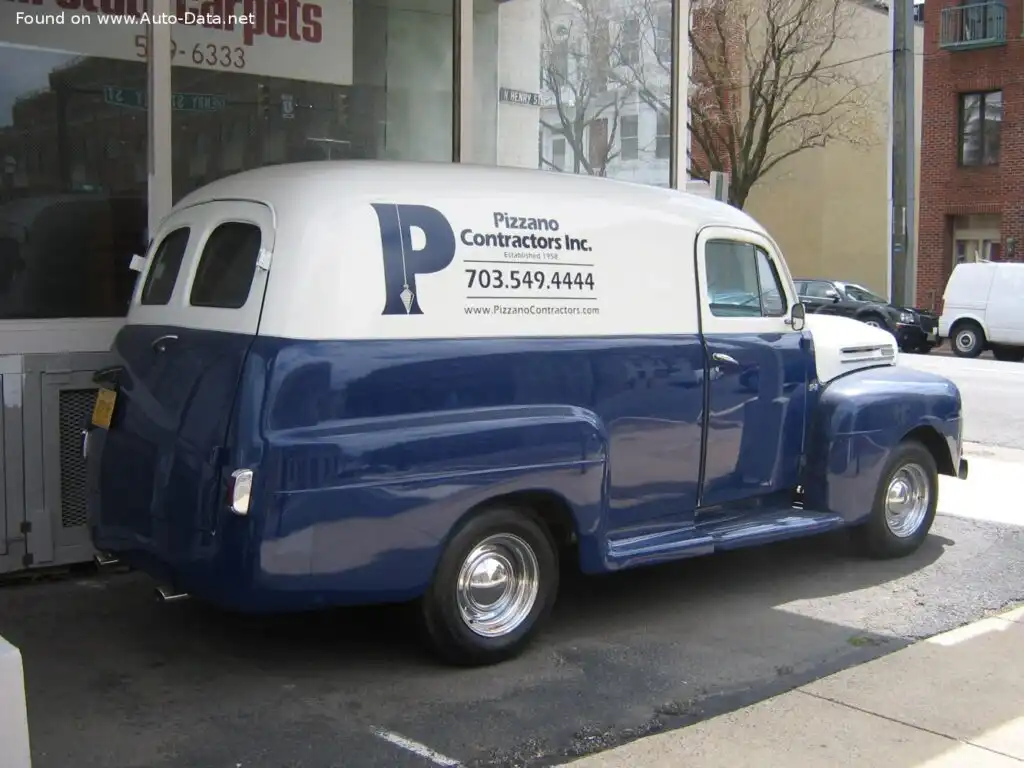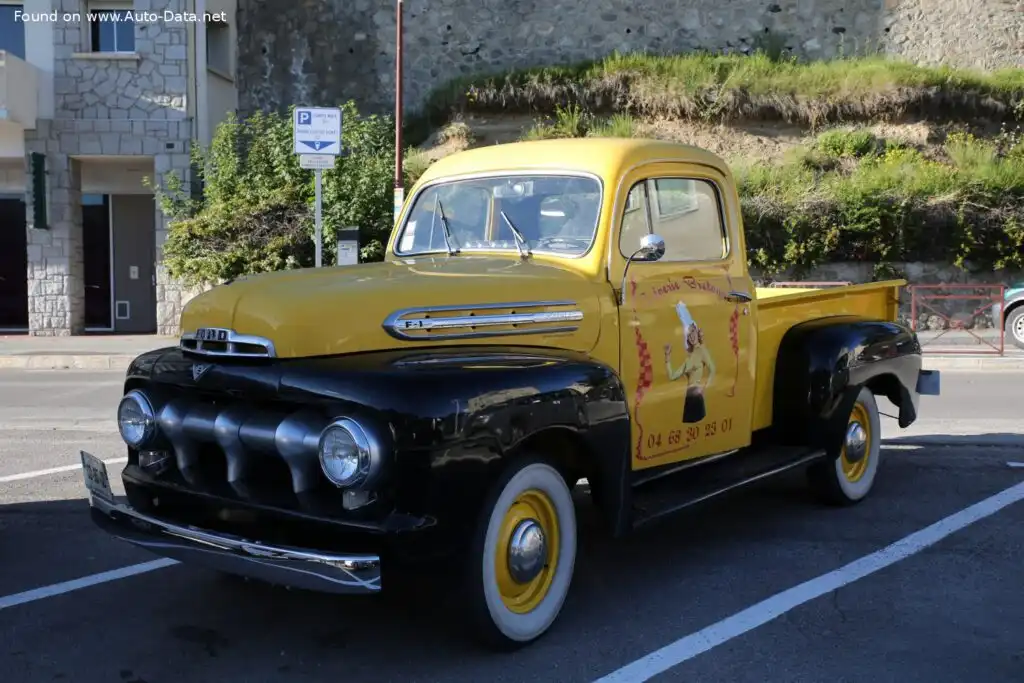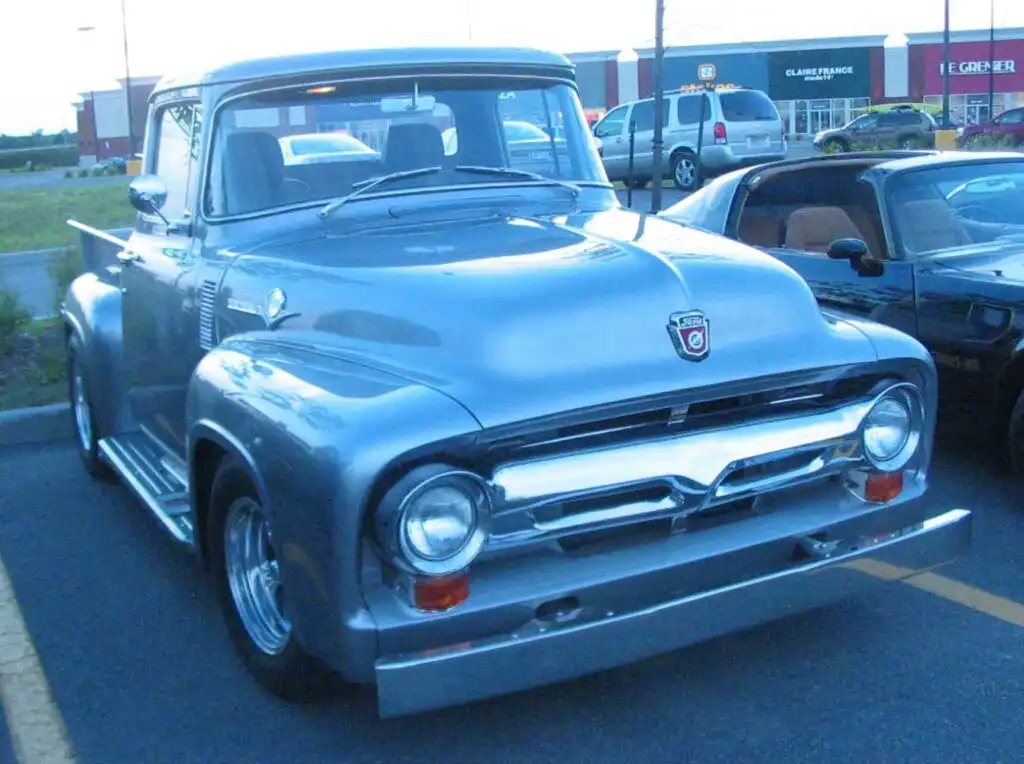
The Ford F-Series F-150 VII SuperCab, specifically equipped with the 5.8-liter V8 engine producing 210 horsepower, represents a significant iteration in the long and storied history of Ford’s full-size pickup trucks. Produced from 1984 through 1986, this variant occupied a middle ground within the seventh generation (1980-1986) F-Series lineup, offering a balance between capability and affordability. The SuperCab configuration, introduced in 1982, expanded the F-Series’ appeal by providing a more spacious rear seating area compared to the standard cab, making it a viable option for families and crews. This particular engine and cab combination aimed to provide a robust work truck with added passenger comfort.
Technical Specifications
| Brand | Ford |
| Model | F-Series F-100/F-150 |
| Generation | F-Series F-150 VII SuperCab |
| Type (Engine) | 5.8 V8 (210 Hp) |
| Start of production | 1984 |
| End of production | 1986 |
| Powertrain Architecture | Internal Combustion engine |
| Body type | Pick-up |
| Seats | 5-6 |
| Doors | 2 |
| Fuel Type | Petrol (Gasoline) |
| Power | 210 Hp |
| Power per litre | 36.5 Hp/l |
| Torque | 414 Nm / 305.35 lb.-ft. |
| Engine layout | Front, Longitudinal |
| Engine displacement | 5752 cm3 / 351.01 cu. in. |
| Number of cylinders | 8 |
| Engine configuration | V-engine |
| Fuel injection system | Multi-port manifold injection |
| Engine aspiration | Naturally aspirated engine |
| Max. weight | 2858 kg / 6300.81 lbs. |
| Fuel tank capacity | 62-72 l / 16.38 – 19.02 US gal | 13.64 – 15.84 UK gal |
| Length | 5438-5850 mm / 214.09 – 230.31 in. |
| Width | 1778 mm / 70 in. |
| Height | 1791-1793 mm / 70.51 – 70.59 in. |
| Wheelbase | 3526-3937 mm / 138.82 – 155 in. |
| Wading depth | 732-734 mm / 28.82 – 28.9 in. |
| Drivetrain Architecture | The Internal combustion engine (ICE) drives the rear wheels of the vehicle. |
| Drive wheel | Rear wheel drive |
| Number of gears and type of gearbox | 3 gears, manual transmission |
| Front suspension | Independent coil spring |
| Front brakes | Disc |
| Rear brakes | Drum |
| Power steering | Electric Steering |
| Tires size | 225/75 R15; 235/75 R15 |
| Wheel rims size | 15 |
Powertrain & Engine Architecture
The heart of this F-150 SuperCab is Ford’s 5.8-liter (351 cubic inch) Windsor V8 engine. This engine, a staple of Ford trucks for many years, utilized a cast iron block and cylinder heads, known for their durability. The 210 horsepower output was achieved through a multi-port fuel injection system, a relatively modern feature for the time, replacing the carburetor systems of earlier F-Series models. This injection system improved fuel efficiency and throttle response compared to its predecessors. The engine featured a two-barrel carburetor and a hydraulic lifter camshaft, contributing to its relatively smooth operation and ease of maintenance. The 5.8L V8 was known for its robust low-end torque, making it well-suited for hauling and towing. The standard transmission for this variant was a three-speed manual, although a four-speed automatic transmission was available as an option. The engine’s longitudinal front-engine layout and rear-wheel-drive configuration were typical for American trucks of this era.
Driving Characteristics
The 1984-1986 F-150 SuperCab with the 5.8L V8 and manual transmission offered a practical and capable driving experience. While not a performance-oriented truck, the engine provided sufficient power for everyday tasks and moderate towing. The three-speed manual transmission, while simple, required frequent shifting, especially when loaded or climbing hills. The gear ratios were optimized for torque delivery rather than outright acceleration. Compared to the smaller 302 cubic inch V8 offered in the F-150, the 5.8L provided noticeably more power and towing capacity. However, it wasn’t as fuel-efficient. The ride quality, typical of body-on-frame trucks of the period, was firm but acceptable, and the power steering made maneuvering relatively easy, even with a full load.
Equipment & Trim Levels
The F-150 SuperCab 5.8 V8 typically came with a fairly basic level of equipment, reflecting its work-truck origins. Standard features included a vinyl bench seat, basic instrumentation (speedometer, fuel gauge, temperature gauge), and a simple AM radio. The SuperCab configuration added a rear bench seat, increasing passenger capacity. Optional extras included air conditioning, a more powerful AM/FM radio, upgraded interior trim, and various towing packages. Trim levels varied, with the Custom and XLT trims offering more features and cosmetic enhancements. The XLT, for example, might include color-keyed exterior trim, upgraded upholstery, and additional convenience features. The SuperCab’s extended cab provided a significant advantage in terms of interior space and versatility, making it a popular choice for families and work crews.
Chassis & Braking
The F-150 SuperCab utilized a traditional body-on-frame construction, providing a robust and durable chassis. The front suspension featured independent coil springs, offering a reasonable level of ride comfort. The rear suspension employed leaf springs, designed to handle heavy loads. Braking duties were handled by disc brakes at the front and drum brakes at the rear. Power steering was standard, making the truck easier to maneuver. Tire sizes typically ranged from 225/75R15 to 235/75R15, mounted on 15-inch steel wheels. The chassis was designed to prioritize load-carrying capacity and durability over sporty handling.
Market Reception & Comparison
The F-150 SuperCab 5.8 V8 was generally well-received by truck buyers seeking a balance of capability, comfort, and affordability. Critics praised the truck’s spacious interior, robust engine, and overall durability. However, some noted the relatively basic interior appointments and the firm ride quality. Compared to the smaller-engined F-150 models, the 5.8L V8 offered significantly more power and towing capacity, but at the expense of fuel economy. Against competitors like the Chevrolet Silverado and Dodge Ram, the F-150 held its own in terms of performance and features, and Ford’s strong reputation for reliability contributed to its popularity.
Legacy
The 1984-1986 Ford F-150 SuperCab 5.8 V8 remains a popular choice among classic truck enthusiasts today. The 5.8L Windsor V8 is known for its reliability and relative ease of maintenance, although parts availability can be a concern. These trucks are often sought after for restoration projects or as daily drivers. The SuperCab configuration, with its expanded rear seating area, continues to be a desirable feature. While not a high-performance vehicle, the F-150 SuperCab 5.8 V8 represents a significant chapter in the history of Ford trucks, embodying the ruggedness, practicality, and enduring appeal that have made the F-Series America’s best-selling pickup truck for decades. Well-maintained examples command reasonable prices in the used car market, reflecting their enduring popularity and historical significance.