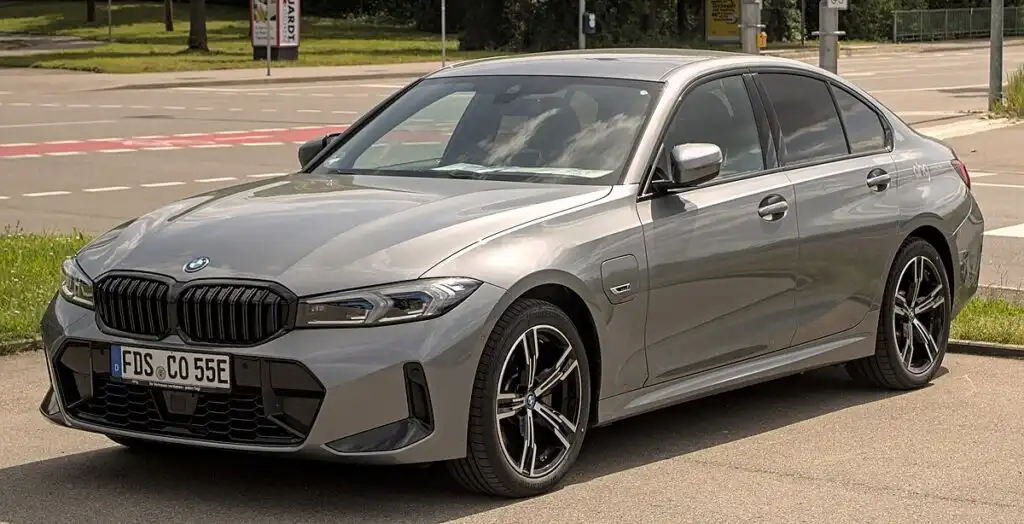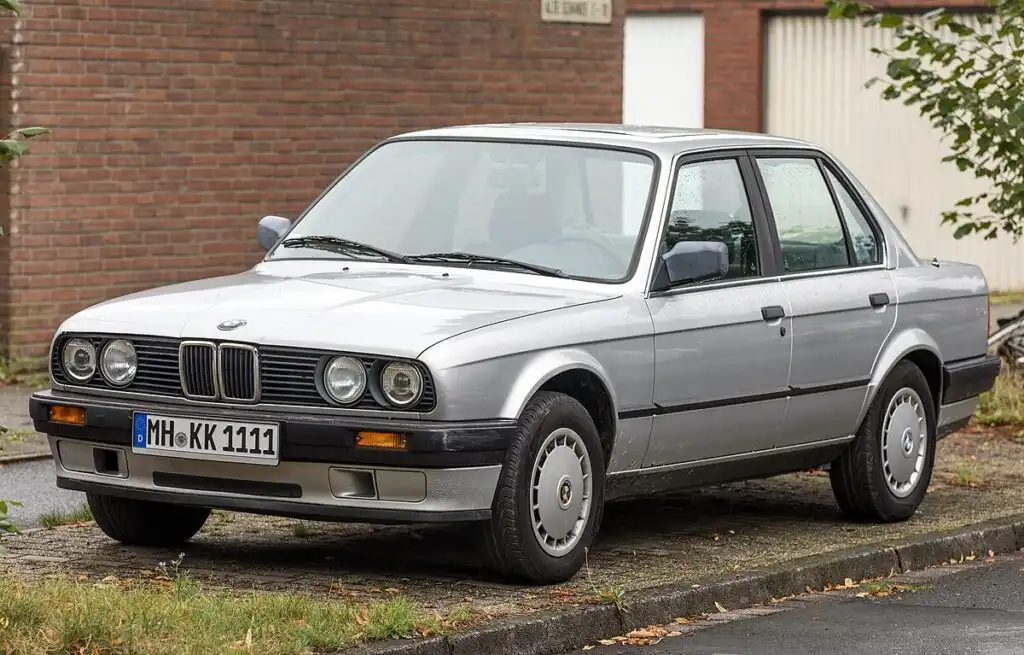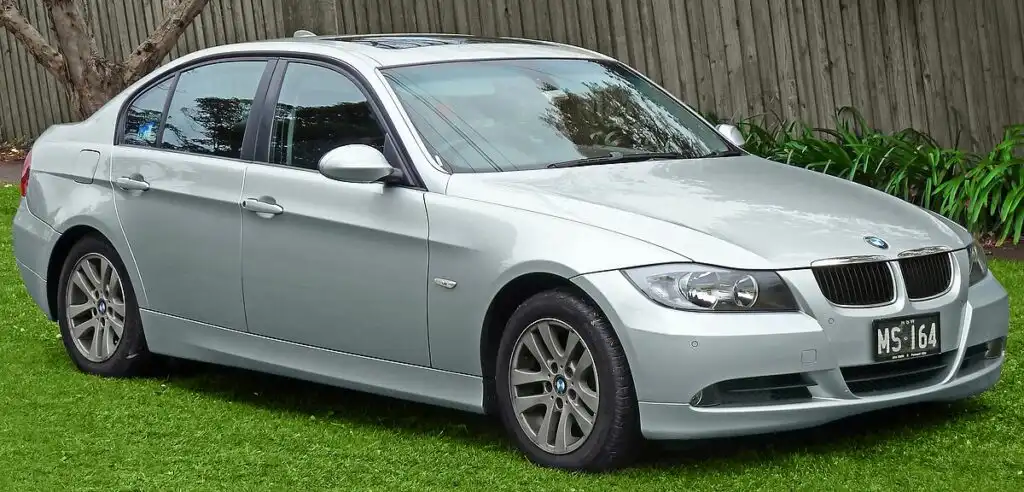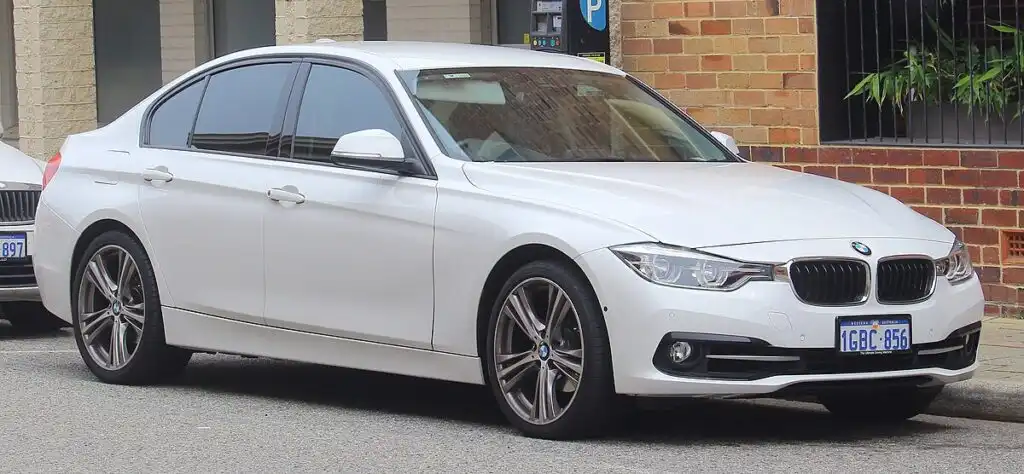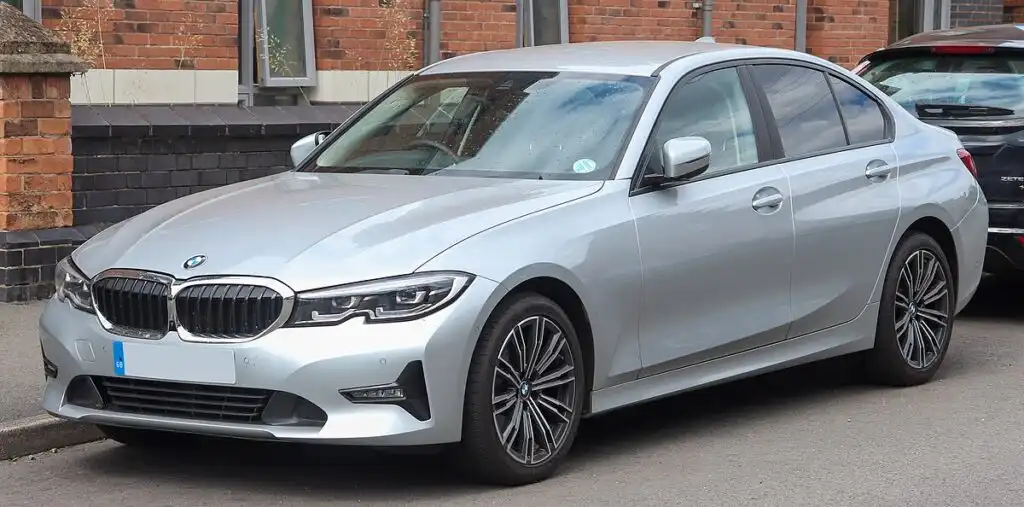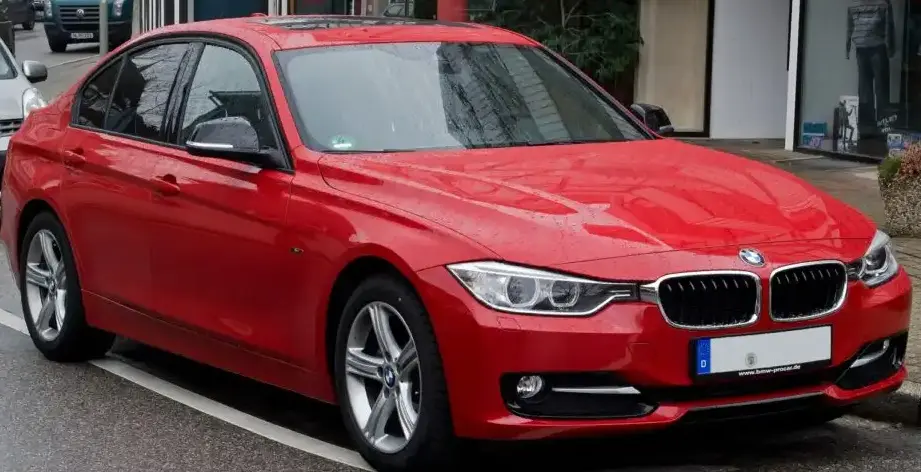
The BMW 320d EfficientDynamics Edition, produced between 2011 and 2015 as part of the F30 3 Series generation, represented a significant focus on fuel economy within the popular executive sedan range. This variant, powered by a 2.0-liter turbocharged diesel engine producing 163 horsepower, was specifically engineered to balance performance with reduced emissions and improved MPG. Positioned as a mid-range offering, it aimed to appeal to drivers prioritizing efficiency without sacrificing the core BMW driving experience. The EfficientDynamics Edition incorporated a suite of technologies designed to minimize fuel consumption, making it a popular choice in European markets where diesel fuel and associated tax incentives were prevalent.
Technical Specifications
| Brand | BMW |
| Model | 3 Series |
| Generation | 3 Series Sedan (F30) |
| Type (Engine) | 320d (163 Hp) EfficientDynamics Edition Steptronic |
| Start of production | 2011 |
| End of production | 2015 |
| Powertrain Architecture | Internal Combustion engine |
| Body type | Sedan |
| Seats | 5 |
| Doors | 4 |
| Fuel consumption (urban) | 5 l/100 km (47 US mpg, 56.5 UK mpg, 20 km/l) |
| Fuel consumption (extra urban) | 3.6 l/100 km (65.3 US mpg, 78.5 UK mpg, 27.8 km/l) |
| Fuel consumption (combined) | 4.1 l/100 km (57.4 US mpg, 68.9 UK mpg, 24.4 km/l) |
| CO2 emissions | 109 g/km |
| Fuel Type | Diesel |
| Acceleration 0 – 100 km/h | 8.1 sec |
| Acceleration 0 – 62 mph | 8.1 sec |
| Acceleration 0 – 60 mph | 7.7 sec |
| Maximum speed | 225 km/h (139.81 mph) |
| Emission standard | Euro 5 |
| Weight-to-power ratio | 8.7 kg/Hp, 115.2 Hp/tonne |
| Weight-to-torque ratio | 3.7 kg/Nm, 268.6 Nm/tonne |
| Power | 163 Hp @ 4000 rpm |
| Torque | 380 Nm @ 1750-2750 rpm (280.27 lb.-ft. @ 1750-2750 rpm) |
| Engine layout | Front, Longitudinal |
| Engine Model/Code | N47D20C |
| Engine displacement | 1995 cm3 (121.74 cu. in.) |
| Number of cylinders | 4 |
| Engine configuration | Inline |
| Cylinder Bore | 84 mm (3.31 in.) |
| Piston Stroke | 90 mm (3.54 in.) |
| Compression ratio | 16.5:1 |
| Number of valves per cylinder | 4 |
| Fuel injection system | Diesel Commonrail |
| Engine aspiration | Twin-power turbo, Intercooler |
| Engine oil capacity | 5.2 l (5.49 US qt | 4.58 UK qt) |
| Coolant | 7 l (7.4 US qt | 6.16 UK qt) |
| Kerb Weight | 1415 kg (3119.54 lbs.) |
| Max. weight | 1975 kg (4354.13 lbs.) |
| Max load | 560 kg (1234.59 lbs.) |
| Trunk (boot) space – minimum | 480 l (16.95 cu. ft.) |
| Fuel tank capacity | 57 l (15.06 US gal | 12.54 UK gal) |
| Max. roof load | 75 kg (165.35 lbs.) |
| Permitted trailer load with brakes (12%) | 1600 kg (3527.4 lbs.) |
| Permitted trailer load without brakes | 745 kg (1642.44 lbs.) |
| Permitted towbar download | 75 kg (165.35 lbs.) |
| Length | 4624 mm (182.05 in.) |
| Width | 1811 mm (71.3 in.) |
| Height | 1416 mm (55.75 in.) |
| Wheelbase | 2810 mm (110.63 in.) |
| Front track | 1543 mm (60.75 in.) |
| Rear (Back) track | 1583 mm (62.32 in.) |
| Ride height (ground clearance) | 125 mm (4.92 in.) |
| Drag coefficient (Cd) | 0.26 |
| Minimum turning circle (turning diameter) | 11.3 m (37.07 ft.) |
| Drivetrain Architecture | Rear wheel drive |
| Drive wheel | Rear wheel drive |
| Number of gears and type of gearbox | 8 gears, automatic transmission |
| Front suspension | Independent coil spring |
| Rear suspension | Independent multi-link suspension |
| Front brakes | Ventilated discs |
| Rear brakes | Ventilated discs |
| Assisting systems | ABS (Anti-lock braking system) |
| Steering type | Steering rack and pinion |
| Power steering | Electric Steering |
| Tires size | 205/60 R16 92W |
| Wheel rims size | 7J x 16 |
Powertrain & Engine Architecture
The heart of the 320d EfficientDynamics Edition is the N47D20C engine, a 2.0-liter inline-four cylinder diesel. This engine utilizes a second-generation common rail direct injection system, delivering fuel at pressures up to 1800 bar for optimized combustion. The N47 engine family is known for its relatively compact design and efficient operation. A single twin-scroll turbocharger with variable geometry turbine (VGT) technology provides boost, contributing to both improved low-end torque and enhanced responsiveness. The engine also features an intercooler to reduce intake air temperature, further increasing power output. The ‘C’ suffix in the engine code denotes specific emissions control features. The Steptronic transmission is an 8-speed automatic gearbox, offering smooth shifts and contributing to fuel efficiency by keeping the engine operating within its optimal rev range. This transmission features adaptive shift programs that learn the driver’s style and adjust shift points accordingly.
Driving Characteristics
The 320d EfficientDynamics Edition, with its 163 horsepower and 380 Nm (280 lb-ft) of torque, provided a comfortable and capable driving experience. While not as overtly sporty as higher-powered 3 Series variants like the 335i, it offered ample power for everyday driving and highway cruising. The 8-speed automatic transmission was well-matched to the engine’s torque curve, providing smooth and timely gear changes. Acceleration from 0-60 mph took approximately 7.7 seconds. Compared to the manual transmission version, the automatic offered slightly reduced fuel economy but greater convenience. The EfficientDynamics Edition prioritized fuel efficiency, and the engine’s power delivery was tuned for optimal economy rather than outright performance. It felt less eager to rev than the higher-output engines, but the strong low-end torque made it easy to maintain speed on inclines and overtake slower traffic.
Equipment & Trim Levels
The EfficientDynamics Edition came standard with a range of features designed to enhance both comfort and efficiency. These included automatic climate control, a multi-function steering wheel, and a BMW Professional radio system. Interior upholstery typically consisted of cloth seats, although leather options were available as upgrades. The dashboard layout was typical of the F30 3 Series, with a driver-focused design and intuitive controls. Optional extras included navigation, parking sensors, heated seats, and a panoramic sunroof. The EfficientDynamics package also included specific aerodynamic enhancements, such as a rear spoiler and optimized underbody panels, to reduce drag and improve fuel economy.
Chassis & Braking
The F30 3 Series featured a sophisticated chassis design, with a MacPherson strut front suspension and a multi-link rear suspension. The suspension was tuned to provide a balance between comfort and handling. The 320d EfficientDynamics Edition utilized ventilated disc brakes on all four wheels, providing ample stopping power. Anti-lock braking system (ABS) and electronic stability control (ESC) were standard safety features. The suspension setup was generally softer than that of the sportier 3 Series models, prioritizing ride comfort over ultimate handling precision. Stabilizer bars were fitted front and rear to reduce body roll during cornering.
Market Reception & Comparison
The 320d EfficientDynamics Edition was well-received by critics and consumers alike, particularly in Europe. It was praised for its impressive fuel economy, comfortable ride, and refined driving experience. Compared to other trims in the 3 Series lineup, such as the 328i or 335i, the 320d offered a more affordable entry point and significantly better fuel economy. However, it lacked the outright performance of its more powerful siblings. Compared to the 320d with a manual transmission, the EfficientDynamics Edition offered slightly lower fuel economy but greater convenience. Its main competitors included the Audi A4 TDI and the Mercedes-Benz C220 CDI.
Legacy
The N47 engine family, including the N47D20C variant found in the 320d EfficientDynamics Edition, has proven to be generally reliable, although some early models experienced issues with timing chain tensioners. Regular maintenance, including oil changes and timing chain inspections, is crucial for long-term reliability. Today, the F30 320d EfficientDynamics Edition remains a popular choice in the used car market, particularly for drivers seeking a fuel-efficient and comfortable executive sedan. Its combination of practicality, refinement, and affordability continues to make it a compelling option.