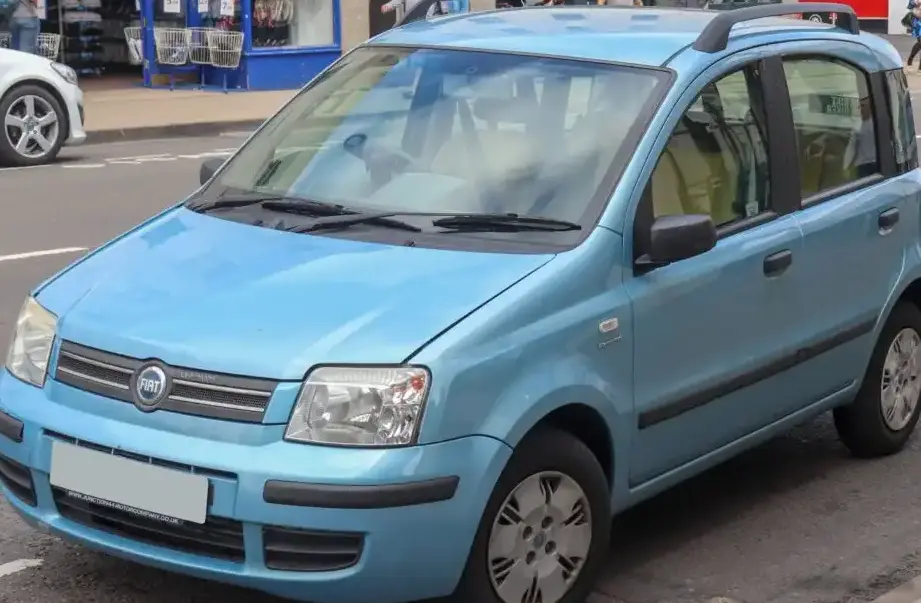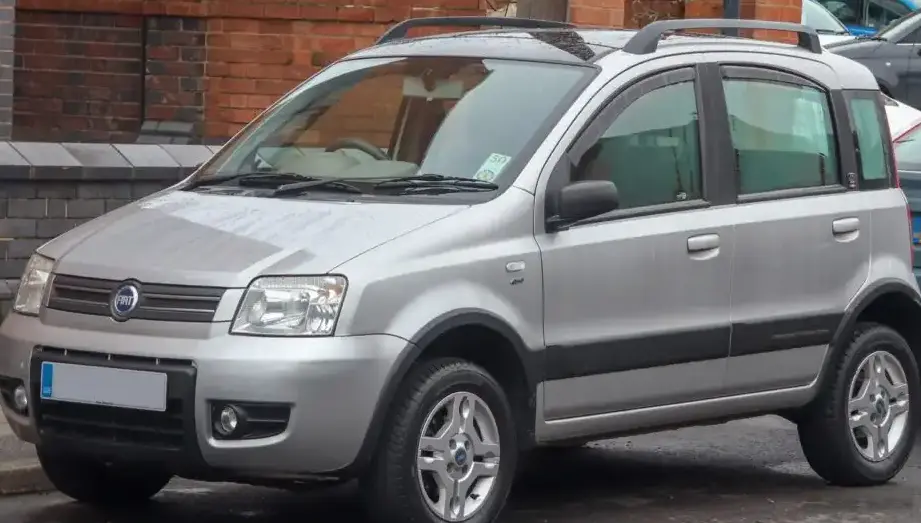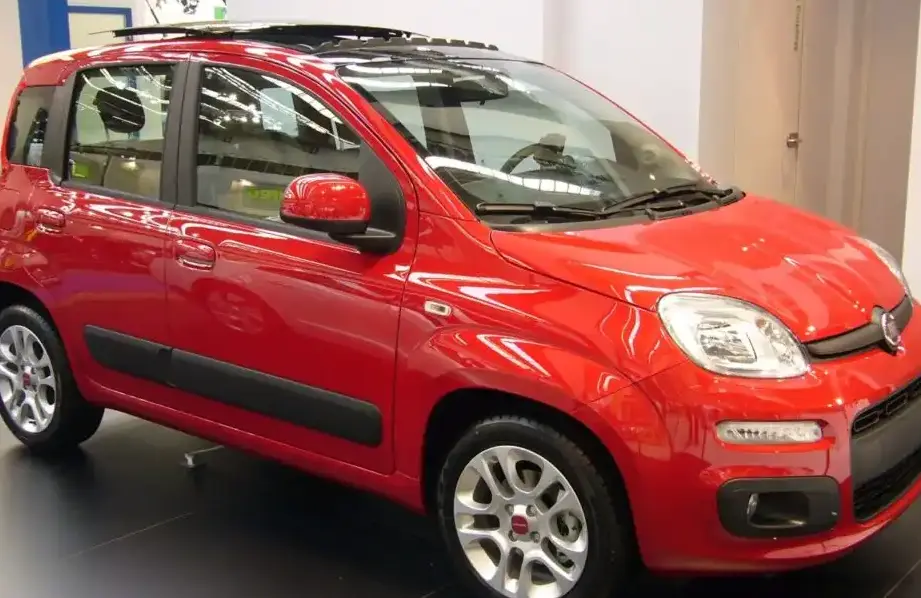
The Fiat Panda III (319) 1.2 Easy Power 69 hp LPG, produced from 2011 to 2018, represents an important iteration of Fiat’s iconic city car. Positioned as an entry-level offering within the Panda III range, this variant aimed to provide affordable and economical transportation, particularly appealing to buyers seeking a practical and fuel-efficient vehicle for urban environments. It was built on the 319 platform, shared with other small Fiat and Chrysler models, and offered a unique combination of petrol and LPG power, catering to markets where LPG infrastructure was well-developed. This model was primarily sold in Europe, where the Panda has a long-standing reputation as a reliable and inexpensive vehicle.
Technical Specifications
| Brand | Fiat |
| Model | Panda |
| Generation | Panda III (319) |
| Type (Engine) | 1.2 EASY POWER (69 Hp) LPG |
| Start of production | 2011 |
| End of production | 2018 |
| Powertrain Architecture | Internal Combustion engine |
| Body type | Hatchback |
| Seats | 5 |
| Doors | 5 |
| Fuel consumption (urban) | 7.1 l/100 km (33.1 US mpg) |
| Fuel consumption (extra urban) | 6.3 l/100 km (37.3 US mpg) |
| Fuel consumption (combined) | 6.6 l/100 km (35.6 US mpg) |
| Fuel Type | Petrol / LPG |
| Acceleration 0 – 100 km/h | 14.2 sec |
| Acceleration 0 – 62 mph | 14.2 sec |
| Acceleration 0 – 60 mph | 13.5 sec |
| Maximum speed | 164 km/h (101.9 mph) |
| Emission standard | Euro 5 |
| Weight-to-power ratio | 14.2 kg/Hp |
| Weight-to-torque ratio | 9.6 kg/Nm |
| Power | 69 Hp @ 5500 rpm |
| Torque | 102 Nm @ 3000 rpm (75.23 lb.-ft. @ 3000 rpm) |
| Engine layout | Front, Transverse |
| Engine Model/Code | 169A4000 |
| Engine displacement | 1242 cm3 (75.79 cu. in.) |
| Number of cylinders | 4 |
| Engine configuration | Inline |
| Fuel injection system | Multi-point injection |
| Engine oil capacity | 2.8 l (2.96 US qt | 2.46 UK qt) |
| Coolant capacity | 4.9 l (5.18 US qt | 4.31 UK qt) |
| Kerb Weight | 980 kg (2160.53 lbs.) |
| Trunk (boot) space (minimum) | 200 l (7.06 cu. ft.) |
| Fuel tank capacity | 37 l (9.77 US gal | 8.14 UK gal) |
| Length | 3653 mm (143.82 in.) |
| Width | 1643 mm (64.69 in.) |
| Height | 1551 mm (61.06 in.) |
| Wheelbase | 2300 mm (90.55 in.) |
| Front track | 1522 mm (59.92 in.) |
| Rear track | 1519 mm (59.8 in.) |
| Minimum turning circle | 9.3 m (30.51 ft.) |
| Drivetrain | Front wheel drive |
| Number of gears | 5 |
| Gearbox type | Manual transmission |
| Front suspension | Independent type McPherson |
| Rear suspension | Torsion beam |
| Front brakes | Disc |
| Rear brakes | Drum |
| Steering type | Steering rack and pinion |
| Power steering | Electric |
| Tires size | 175/65 R14 82T; 185/55 R15 82T |
| Wheel rims size | 14; 15 |
Powertrain & Engine Architecture
The heart of the Panda III 1.2 Easy Power is the 169A4000 engine, a 1.2-liter inline-four cylinder petrol engine. This engine utilizes a multi-point fuel injection system, providing adequate fuel delivery for its modest power output. The engine produces 69 horsepower at 5500 rpm and 102 Nm (75.23 lb-ft) of torque at 3000 rpm. Crucially, this variant was also equipped to run on LPG (Liquefied Petroleum Gas), offering a dual-fuel capability. The LPG system typically involved a dedicated tank, a vaporiser to convert the liquid LPG into gas, and an ECU to manage the fuel switching between petrol and LPG. The 5-speed manual transmission was the only gearbox option available with this engine, prioritizing simplicity and cost-effectiveness. The engine’s design focused on reliability and fuel efficiency rather than outright performance.
Driving Characteristics
The 1.2 Easy Power with the 5-speed manual transmission delivers a driving experience geared towards practicality. Acceleration is modest, taking around 14.2 seconds to reach 62 mph (100 km/h). The engine feels best suited to city driving, where its torque is sufficient for navigating urban traffic. The gear ratios are tuned for economy, meaning the engine needs to be revved to access its full potential. Compared to higher-output versions of the Panda III, such as the 1.4-liter engine, this variant feels noticeably slower. However, the LPG capability provides a cost-saving alternative, particularly in regions with favorable LPG pricing. The steering is light and easy, making it maneuverable in tight spaces, and the suspension provides a comfortable, if somewhat basic, ride.
Equipment & Trim Levels
The 1.2 Easy Power trim level was typically the base model in the Panda III range. Standard equipment generally included power steering, central locking, electric front windows, and a basic audio system. Safety features included ABS brakes and an airbag for the driver. Interior upholstery was typically a durable cloth material. Optional extras included air conditioning, a passenger airbag, and upgraded audio systems. The interior design was functional and minimalist, reflecting the car’s affordable positioning. The dashboard layout was straightforward, with clearly labeled controls.
Chassis & Braking
The Panda III utilizes a front-wheel-drive layout with an independent McPherson strut suspension at the front and a torsion beam suspension at the rear. The front brakes are discs, while the rear brakes are drums. This configuration was chosen to balance cost and performance for the vehicle’s weight class. The steering is a rack and pinion system with electric power assistance. The suspension setup prioritizes ride comfort over sporty handling, providing a stable and predictable driving experience. The relatively lightweight construction of the Panda contributes to its agility and fuel efficiency.
Market Reception & Comparison
The Fiat Panda III 1.2 Easy Power LPG was generally well-received as an affordable and economical city car. Critics praised its fuel efficiency, particularly when running on LPG, and its ease of driving. However, its modest performance and basic interior were often noted. Compared to other trims in the Panda III lineup, such as the 1.4-liter versions, the 1.2 Easy Power offered lower running costs but sacrificed performance. Against competitors like the Renault Twingo and Peugeot 107, the Panda offered a similar level of practicality and affordability, with the added benefit of the LPG option in some markets. Reliability was generally considered good, with the 1.2-liter engine proving to be durable and relatively trouble-free.
Legacy
The Fiat Panda III 1.2 Easy Power LPG remains a popular choice in the used car market, particularly for buyers seeking an inexpensive and fuel-efficient vehicle. The 169A4000 engine has proven to be reasonably reliable, although regular maintenance is essential. The LPG system requires periodic inspection and servicing to ensure optimal performance and safety. The Panda’s enduring appeal lies in its simplicity, practicality, and low running costs. It continues to be a viable option for urban commuters and first-time car buyers, representing a testament to Fiat’s commitment to providing affordable transportation.