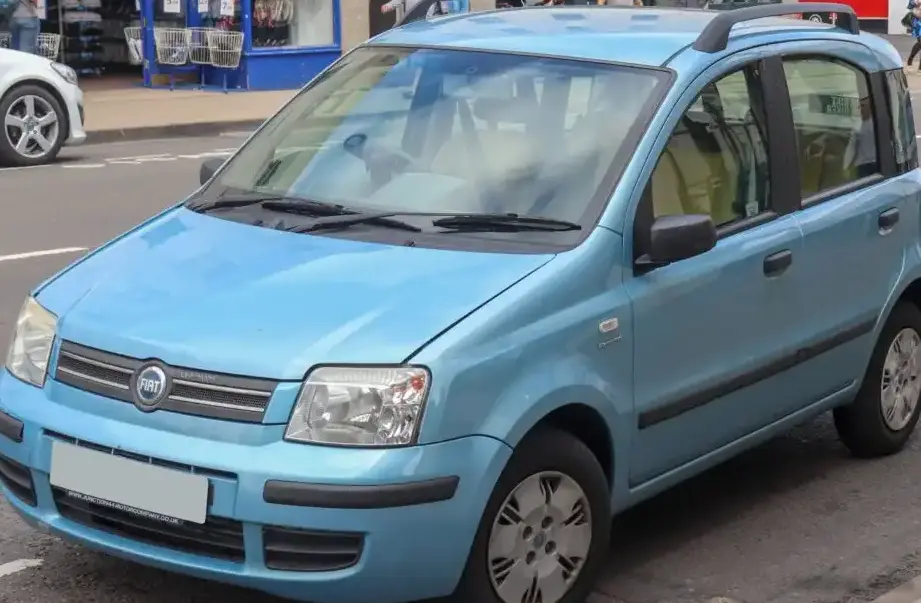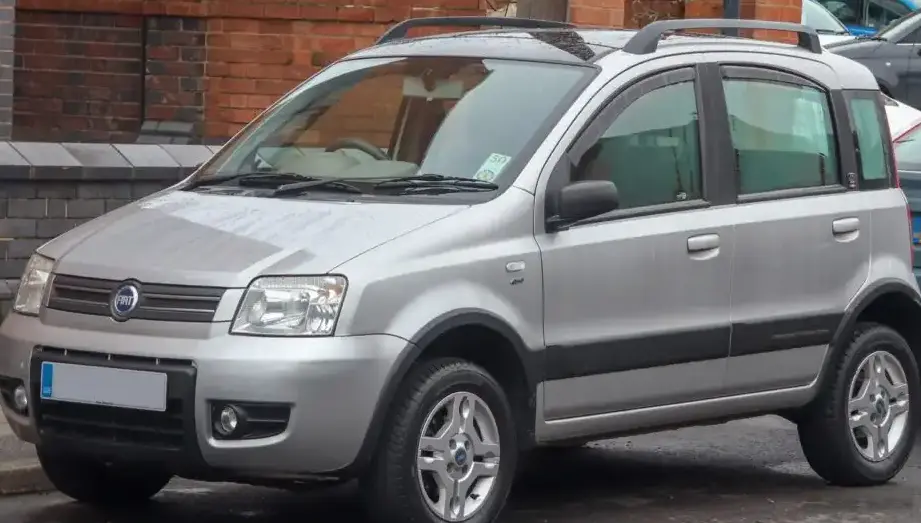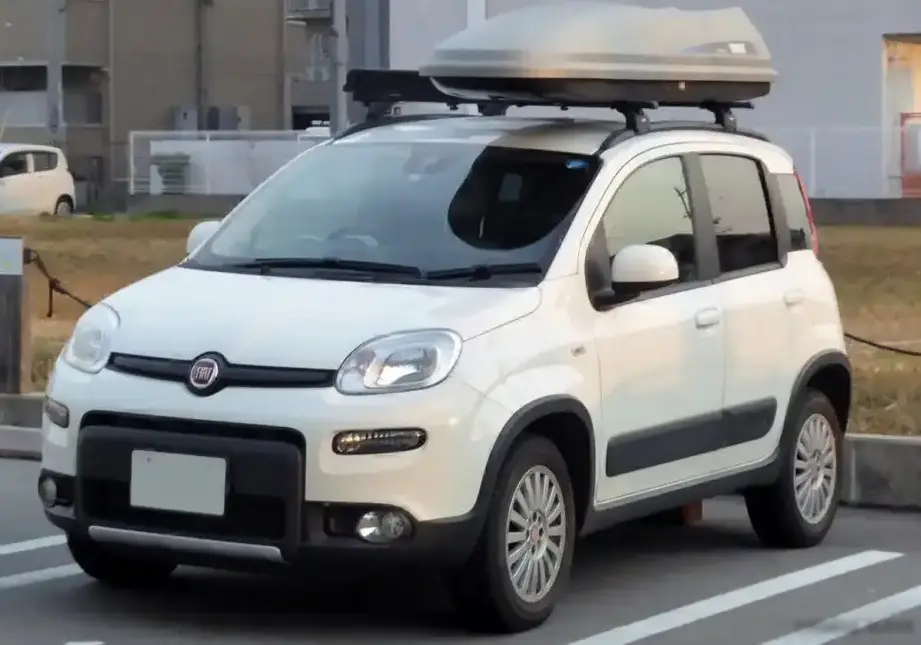
The Fiat Panda III 4×4 0.9 TwinAir (85 hp) represents a unique iteration of Fiat’s iconic city car, produced between 2018 and 2020. This variant combined the practicality and affordability of the Panda with a surprisingly capable all-wheel-drive system and Fiat’s innovative two-cylinder TwinAir engine. Positioned as a more adventurous and versatile option within the Panda III range, it catered to buyers seeking a small, economical vehicle capable of tackling challenging terrain or inclement weather. It built upon the success of the Panda III (introduced in 2012), which itself was a significant redesign of the long-running Panda lineage, utilizing a new platform and modern features while retaining the core values of simplicity and functionality.
Technical Specifications
| Brand | Fiat |
| Model | Panda |
| Generation | Panda III 4×4 |
| Type (Engine) | 0.9 TwinAir (85 Hp) |
| Start of production | 2018 |
| End of production | 2020 |
| Powertrain Architecture | Internal Combustion engine |
| Body type | Hatchback |
| Seats | 4-5 |
| Doors | 5 |
| Fuel consumption (urban) | 6 l/100 km (39.2 US mpg, 47.1 UK mpg, 16.7 km/l) |
| Fuel consumption (extra urban) | 5.7 l/100 km (41.3 US mpg, 49.6 UK mpg, 17.5 km/l) |
| Fuel consumption (combined) | 5.8 l/100 km (40.6 US mpg, 48.7 UK mpg, 17.2 km/l) |
| CO2 emissions | 132 g/km |
| Fuel Type | Petrol (Gasoline) |
| Acceleration 0 – 100 km/h | 12.8 sec |
| Acceleration 0 – 62 mph | 12.8 sec |
| Acceleration 0 – 60 mph | 12.2 sec |
| Maximum speed | 163 km/h (101.28 mph) |
| Emission standard | Euro 6d – Temp |
| Weight-to-power ratio | 13.6 kg/Hp, 73.6 Hp/tonne |
| Weight-to-torque ratio | 8 kg/Nm, 125.5 Nm/tonne |
| Power | 85 Hp @ 5500 rpm |
| Power per litre | 97.1 Hp/l |
| Torque | 145 Nm @ 1900 rpm (106.95 lb.-ft. @ 1900 rpm) |
| Engine layout | Front, Transverse |
| Engine Model/Code | 312A2000 |
| Engine displacement | 875 cm3 (53.4 cu. in.) |
| Number of cylinders | 2 |
| Engine configuration | Inline |
| Cylinder Bore | 80.5 mm (3.17 in.) |
| Piston Stroke | 86 mm (3.39 in.) |
| Compression ratio | 10:1 |
| Number of valves per cylinder | 4 |
| Fuel injection system | Multi-port manifold injection |
| Engine aspiration | Turbocharger, Intercooler |
| Engine oil capacity | 3.2 l (3.38 US qt | 2.82 UK qt) |
| Coolant | 5.3 l (5.6 US qt | 4.66 UK qt) |
| Kerb Weight | 1155 kg (2546.34 lbs.) |
| Max. weight | 1530-1540 kg (3373.07 – 3395.12 lbs.) |
| Max load | 375-385 kg (826.73 – 848.78 lbs.) |
| Trunk (boot) space – minimum | 225 l (7.95 cu. ft.) |
| Fuel tank capacity | 35 l (9.25 US gal | 7.7 UK gal) |
| Permitted trailer load with brakes (12%) | 800 kg (1763.7 lbs.) |
| Permitted trailer load without brakes | 400 kg (881.85 lbs.) |
| Permitted towbar download | 60 kg (132.28 lbs.) |
| Length | 3686 mm (145.12 in.) |
| Width | 1672 mm (65.83 in.) |
| Height | 1605 mm (63.19 in.) |
| Wheelbase | 2300 mm (90.55 in.) |
| Front track | 1411 mm (55.55 in.) |
| Rear (Back) track | 1408 mm (55.43 in.) |
| Minimum turning circle | 9.7 m (31.82 ft.) |
| Approach angle | 21° |
| Departure angle | 32° |
| Ramp-over angle | 20° |
| Drive wheel | All wheel drive (4×4) |
| Number of gears and type of gearbox | 6 gears, manual transmission |
| Front suspension | Independent, type McPherson with coil spring and anti-roll bar |
| Rear suspension | Torsion |
| Front brakes | Ventilated discs, 257 mm |
| Rear brakes | Disc, 240 mm |
| Assisting systems | ABS (Anti-lock braking system) |
| Steering type | Steering rack and pinion |
| Power steering | Electric Steering |
| Wheel rims size | 15 |
Powertrain & Engine Architecture
The heart of the Panda 4×4 0.9 TwinAir is Fiat’s 312A2000 engine, a 0.9-liter turbocharged two-cylinder petrol engine. This engine is a marvel of downsizing technology, utilizing a single turbocharger and intercooler to produce 85 horsepower and 145 Nm (107 lb-ft) of torque. The engine employs multi-point fuel injection and a relatively high 10:1 compression ratio. The TwinAir engine is known for its characterful, if somewhat unconventional, sound and its ability to deliver surprisingly strong low-end torque. The 6-speed manual transmission was the only gearbox option available for this variant, chosen for its efficiency and driver engagement. The all-wheel-drive system is a torque-on-demand system, primarily driving the front wheels but engaging the rear axle when traction is lost. This system contributes to improved stability and handling on slippery surfaces.
Driving Characteristics
The Panda 4×4 0.9 TwinAir offers a unique driving experience. While the 85 hp output isn’t substantial, the turbocharger provides a noticeable boost in power, making it feel more responsive than its displacement suggests. The 6-speed manual transmission allows for precise gear selection, and the relatively short gearing contributes to brisk acceleration in lower gears. However, the engine can feel strained at higher speeds, and overtaking maneuvers require careful planning. The all-wheel-drive system significantly enhances traction, particularly on loose surfaces, making it a surprisingly capable off-roader for its size. The steering is light and direct, making it easy to maneuver in urban environments. The suspension, while simple, provides a comfortable ride on most road surfaces.
Equipment & Trim Levels
The Panda 4×4 0.9 TwinAir typically came with a relatively basic level of equipment, reflecting its affordable positioning. Standard features included air conditioning, central locking, electric front windows, and a basic audio system. Safety features included ABS brakes, electronic stability control, and airbags. Optional extras included alloy wheels, a touchscreen infotainment system, and parking sensors. Interior upholstery was typically cloth, with a functional and durable design. The dashboard layout was simple and straightforward, with easy-to-use controls.
Chassis & Braking
The Panda 4×4 utilizes a McPherson strut front suspension and a torsion beam rear suspension. The front brakes are ventilated discs, while the rear brakes are solid discs. The braking system is assisted by ABS (Anti-lock Braking System) and Electronic Stability Control (ESC). The suspension setup is tuned for a balance of comfort and handling, providing a reasonably compliant ride while maintaining good body control. The all-wheel-drive system adds to the vehicle’s stability and traction, particularly in challenging conditions.
Market Reception & Comparison
The Panda 4×4 0.9 TwinAir was generally well-received by critics for its unique combination of affordability, practicality, and all-wheel-drive capability. It was praised for its fuel efficiency and surprisingly capable performance. However, some reviewers noted the engine’s limited power at higher speeds and its unconventional sound. Compared to other Panda variants, the 4×4 offered significantly improved traction and off-road capability, but at a slightly higher price point. Compared to other small SUVs or crossovers, the Panda 4×4 offered a more affordable and economical alternative, albeit with a less refined interior and a smaller cargo capacity.
Legacy
The Fiat Panda 4×4 0.9 TwinAir has established a reputation as a reliable and versatile small car. The TwinAir engine, while sometimes criticized for its refinement, has proven to be relatively durable with proper maintenance. The all-wheel-drive system has also proven to be robust and dependable. On the used car market, these Pandas hold their value reasonably well, particularly those in good condition with low mileage. They appeal to buyers seeking a unique and capable small car that is both economical to run and fun to drive.