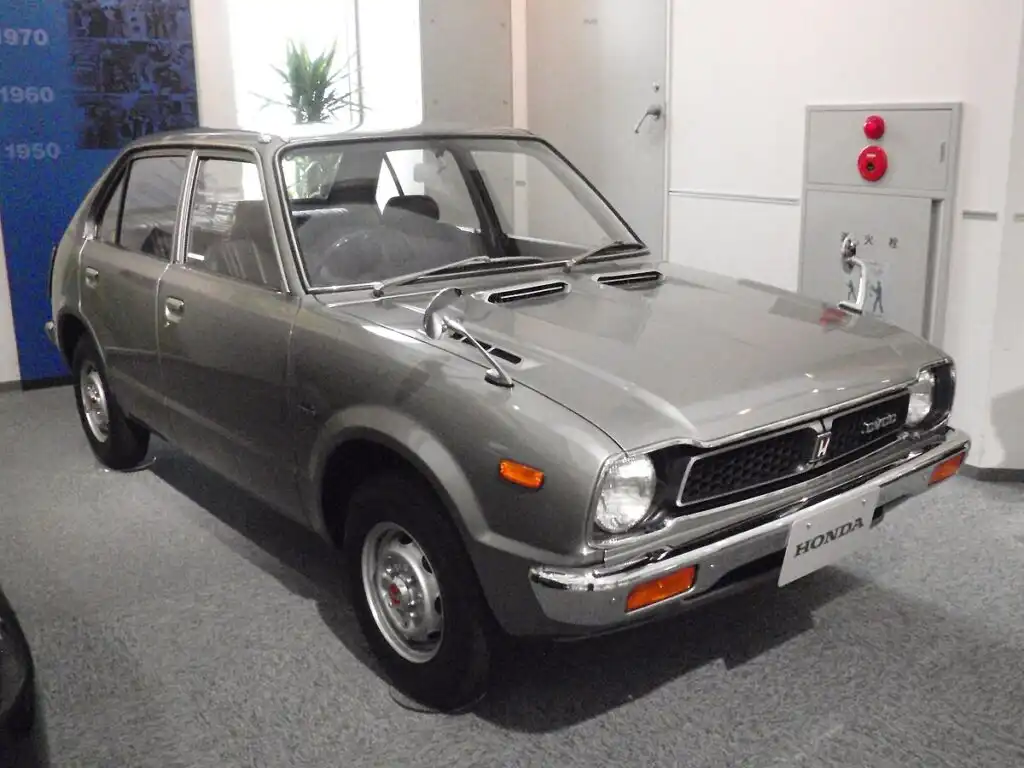
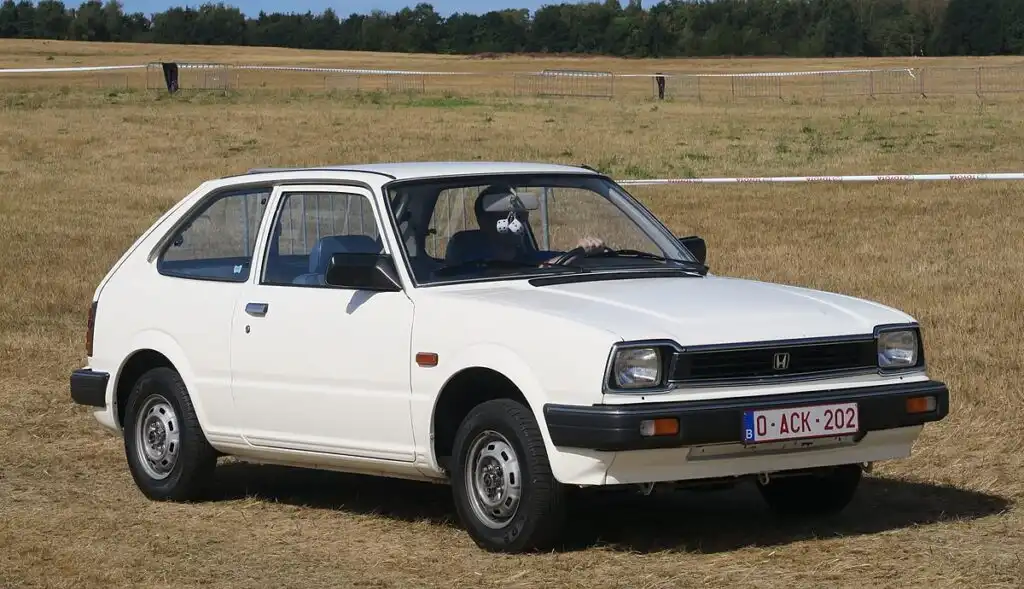
The Honda Civic I Wagon 1500, manufactured between 1974 and 1983, marked a significant expansion of the original Civic model range. While the initial Civic was a successful compact car, the introduction of the wagon body style – a first for the Civic – aimed to attract a wider customer base, particularly those needing a practical and economical vehicle for families or small businesses. This variant, equipped with a 1.5-liter engine producing 75 horsepower, occupied the entry-level position within the Civic Wagon lineup, prioritizing fuel efficiency and affordability over outright performance. It was instrumental in establishing Honda’s foothold in the North American market, showcasing the brand’s dedication to versatility and dependability.
Technical Specifications
| Brand | Honda |
| Model | Civic |
| Generation | Civic I Wagon |
| Type (Engine) | 1500 (75 Hp) |
| Start of Production | 1974 |
| End of Production | 1983 |
| Powertrain Architecture | Internal Combustion Engine |
| Body Type | Station Wagon (Estate) |
| Fuel Type | Petrol (Gasoline) |
| Power | 75 Hp |
| Engine Aspiration | Naturally Aspirated |
Powertrain & Engine Architecture
The Civic I Wagon 1500’s powerplant is the A15A engine, a 1488cc (90.7 cubic inch) inline-four cylinder gasoline engine. This engine employs a single overhead camshaft (SOHC) design with two valves per cylinder. Fuel delivery is managed by a Keihin VF112 carburetor, a common feature in vehicles of that era. The A15A is renowned for its simplicity and durability, contributing significantly to the Civic’s reputation for reliability. The engine generates 75 horsepower at 5,000 rpm and 88 lb-ft of torque at 3,000 rpm – modest figures, but adequate for the wagon’s intended purpose. The transmission typically paired with this engine was a 4-speed manual, however, a 3-speed automatic transmission was also offered, though less frequently chosen. This automatic, known as the Hondamatic, was a two-speed unit, providing a simpler and more cost-effective automatic driving experience compared to more complex multi-gear automatics.
Driving Characteristics
The Civic I Wagon 1500, with its 75 hp engine and automatic transmission, delivered a relaxed driving experience. Acceleration was sufficient for urban driving and highway merging, but not particularly quick. The automatic transmission, limited to two gears, prioritized fuel economy over performance. Gear changes were noticeable, lacking the smoothness of modern automatics. The wagon’s suspension – independent front suspension with torsion bars and a rear trailing arm setup – provided a comfortable ride, effectively absorbing road imperfections. However, the wagon’s increased weight compared to the coupe or sedan models resulted in slightly more body roll during cornering. Steering was typically manual, offering a direct feel but requiring more effort at lower speeds. The overall driving experience emphasized practicality and ease of use, rather than sporty handling or rapid acceleration.
Equipment & Trim Levels
As the entry-level wagon variant, the Civic I Wagon 1500 generally came with a basic equipment level. Standard features typically included cloth upholstery, vinyl floor covering, and a straightforward dashboard layout with essential instrumentation – speedometer, fuel gauge, and temperature gauge. A two-spoke steering wheel was standard. A radio was often an optional extra, as were features like a rear window defogger and upgraded interior trim. Trim levels were largely defined by the addition of these optional extras. Higher trims might include more comfortable seat fabric, woodgrain-effect dashboard trim, and a more comprehensive instrument cluster. The focus was on providing a functional and affordable vehicle, with options available for those desiring a slightly more refined experience.
Chassis & Braking
The Civic I Wagon featured a unibody chassis, offering a good balance of strength and weight. The front suspension utilized independent torsion bar springs, contributing to a relatively smooth ride. The rear suspension employed a trailing arm design, which was simple and effective for load-carrying. Initially, braking was accomplished with drum brakes on all four wheels. Later models introduced front disc brakes, improving stopping power. The braking system was hydraulically operated, providing adequate stopping performance for the vehicle’s weight and power. Steering was manual rack and pinion, offering a direct feel. The wagon’s wheelbase was slightly longer than the coupe and sedan versions, enhancing stability and increasing cargo capacity.
Market Reception & Comparison
The Civic I Wagon 1500 was generally well-received by consumers seeking a practical and economical vehicle. Reviewers praised its fuel efficiency, reliability, and spacious interior for its size. However, the 75 hp engine and automatic transmission were often criticized for their lack of performance. Compared to contemporary wagons like the Volkswagen Rabbit Diesel, the Civic Wagon offered a more refined driving experience and a more modern interior, but lacked the diesel’s fuel economy. Within the Civic lineup, the 1500 Wagon was positioned below the more powerful 1600 models, which offered increased performance at a higher price. The automatic transmission version proved particularly popular with buyers prioritizing ease of use over sporty driving dynamics. Fuel economy was a key selling point, averaging around 30-35 mpg in real-world driving conditions.
Legacy
The Honda Civic I Wagon 1500 played a crucial role in establishing Honda as a significant player in the North American automotive market. Its reputation for reliability and fuel efficiency helped solidify the brand’s image as a provider of high-quality, dependable vehicles. While the A15A engine and Hondamatic transmission are relatively simple designs, they have proven remarkably durable over time. Today, well-maintained examples of the Civic I Wagon 1500 are sought after by collectors and enthusiasts, particularly those interested in preserving a piece of automotive history. The 75 hp automatic variant, while not the most powerful or desirable trim, remains a viable and affordable option for those seeking a classic Honda with a practical and economical character. Parts availability is generally good, thanks to the Civic’s widespread popularity and Honda’s continued support for older models. The Civic I Wagon 1500 stands as a testament to Honda’s early commitment to innovation, reliability, and affordability.