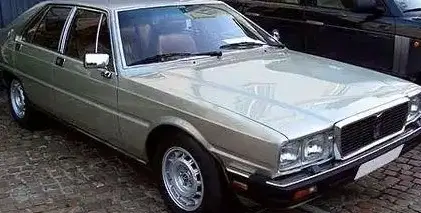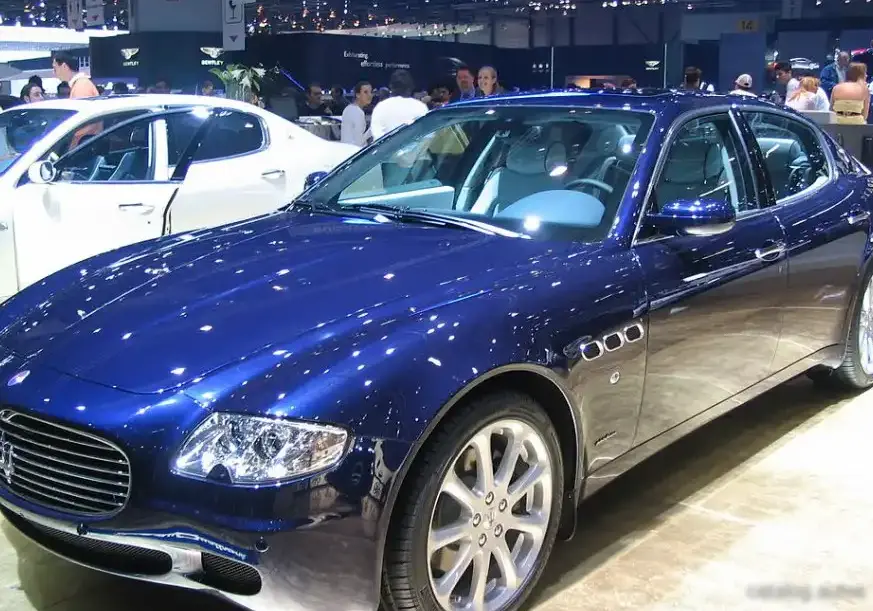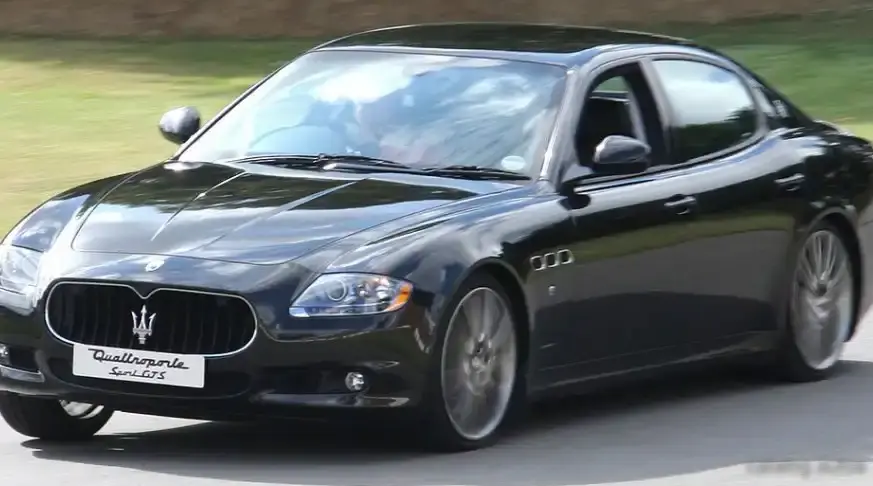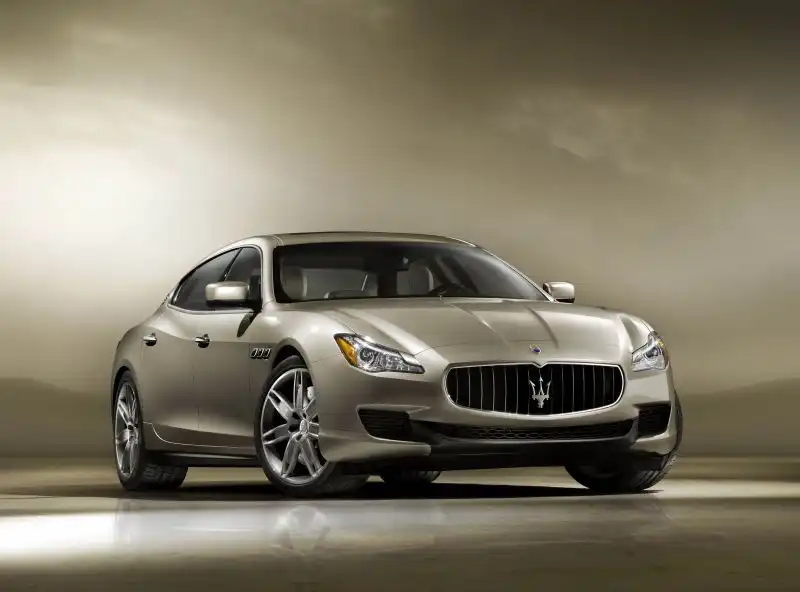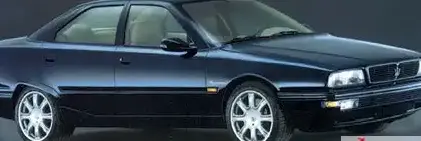
The Maserati Quattroporte IV 2.0 i V6 24V Biturbo, produced between 1994 and 1998, represented a significant evolution for the iconic Italian luxury sedan. Falling within the fourth generation (1994-2001) of the Quattroporte lineage, this variant offered a compelling blend of performance and refinement, albeit positioned as a slightly more accessible entry point into the Maserati range compared to the flagship V8 models. It aimed to broaden the Quattroporte’s appeal while maintaining the brand’s reputation for sophisticated engineering and Italian styling. This model was primarily aimed at the European market, where smaller displacement, turbocharged engines were favored due to tax regulations and fuel economy considerations.
Technical Specifications
| Brand | Maserati |
| Model | Quattroporte |
| Generation | Quattroporte IV |
| Type (Engine) | 2.0 i V6 24V Biturbo (306 Hp) |
| Start of production | 1994 |
| End of production | 1998 |
| Powertrain Architecture | Internal Combustion engine |
| Body type | Sedan |
| Seats | 5 |
| Doors | 4 |
| Fuel consumption (combined) | 12.7 l/100 km (18.5 US mpg, 22.2 UK mpg, 7.9 km/l) |
| Fuel Type | Petrol (Gasoline) |
| Acceleration 0 – 100 km/h | 5.9 sec |
| Acceleration 0 – 62 mph | 5.9 sec |
| Acceleration 0 – 60 mph | 5.6 sec |
| Maximum speed | 260 km/h (161.56 mph) |
| Weight-to-power ratio | 5 kg/Hp, 202 Hp/tonne |
| Weight-to-torque ratio | 4.1 kg/Nm, 246.2 Nm/tonne |
| Power | 306 Hp @ 6250 rpm |
| Power per litre | 153.3 Hp/l |
| Torque | 373 Nm @ 4250 rpm (275.11 lb.-ft. @ 4250 rpm) |
| Engine layout | Front, Longitudinal |
| Engine displacement | 1996 cm3 (121.8 cu. in.) |
| Number of cylinders | 6 |
| Engine configuration | V-engine |
| Cylinder Bore | 82 mm (3.23 in.) |
| Piston Stroke | 63 mm (2.48 in.) |
| Compression ratio | 7.6:1 |
| Number of valves per cylinder | 4 |
| Fuel injection system | Multi-port manifold injection |
| Engine aspiration | Turbocharger |
| Valvetrain | DOHC |
| Kerb Weight | 1515 kg (3340 lbs.) |
| Trunk (boot) space – minimum | 495 l (17.48 cu. ft.) |
| Fuel tank capacity | 80 l (21.13 US gal | 17.6 UK gal) |
| Length | 4550 mm (179.13 in.) |
| Width | 1810 mm (71.26 in.) |
| Height | 1380 mm (54.33 in.) |
| Wheelbase | 2600 mm (102.36 in.) |
| Front track | 1522 mm (59.92 in.) |
| Rear (Back) track | 1502 mm (59.13 in.) |
| Drivetrain Architecture | Rear wheel drive |
| Drive wheel | Rear wheel drive |
| Number of gears and type of gearbox | 6 gears, manual transmission |
| Front suspension | Coil spring |
| Rear suspension | Coil spring |
| Front brakes | Ventilated discs |
| Rear brakes | Ventilated discs |
| Assisting systems | ABS (Anti-lock braking system), Hydraulic Steering |
| Tires size | 205/50 R16; 225/50 R16 |
| Wheel rims size | 16 |
Powertrain & Engine Architecture
The heart of the Quattroporte IV 2.0 i Biturbo was the 1996cc V6 engine, designated as the 930A.000. This engine was a 60-degree V6, featuring a cast iron block and aluminum alloy cylinder heads. The “Biturbo” designation indicated the presence of two turbochargers, a key element in achieving the engine’s impressive 306 horsepower output. The engine utilized a multi-port fuel injection system and a double overhead camshaft (DOHC) valvetrain with four valves per cylinder. The turbochargers were relatively small, designed to minimize turbo lag and provide a broad torque curve. The 6-speed manual transmission was the only transmission option available with this engine, providing drivers with full control over the engine’s power. The engine’s longitudinal mounting and rear-wheel-drive configuration were consistent with Maserati’s traditional sports sedan layout.
Driving Characteristics
The 2.0 i Biturbo offered a noticeably different driving experience compared to the larger-displacement V8 Quattroportes. While lacking the sheer brute force of the V8s, the turbocharged V6 delivered strong acceleration, achieving 0-60 mph in approximately 5.6 seconds. The smaller engine resulted in a lighter front end, contributing to more agile handling. The 6-speed manual transmission allowed for precise gear selection, maximizing the engine’s power band. However, the turbochargers did introduce a degree of turbo lag, requiring drivers to anticipate power delivery. Compared to the automatic transmissions offered with other Quattroporte IV variants, the manual gearbox provided a more engaging and sporty driving experience. The gear ratios were tuned to prioritize acceleration in the mid-range, making it well-suited for spirited driving on winding roads.
Equipment & Trim Levels
The 2.0 i Biturbo typically came equipped with a respectable level of standard features, reflecting its luxury sedan status. These included leather upholstery, power windows, power locks, air conditioning, and an upgraded audio system. The interior trim generally featured wood accents and a leather-wrapped steering wheel. Optional extras included a sunroof, upgraded sound systems, and various customization options for the interior trim and exterior paint. While not as lavishly equipped as the top-of-the-line V8 models, the 2.0 i Biturbo offered a comfortable and well-appointed interior.
Chassis & Braking
The Quattroporte IV utilized a traditional body-on-frame construction, providing a robust and durable chassis. The suspension consisted of coil springs and shock absorbers all around, offering a comfortable ride quality. The front suspension featured independent double wishbones, while the rear suspension employed a solid axle with coil springs. Braking duties were handled by ventilated disc brakes on all four wheels, providing ample stopping power. An anti-lock braking system (ABS) was standard, enhancing safety and control. The steering was hydraulically assisted, offering a responsive and precise feel.
Market Reception & Comparison
The Quattroporte IV 2.0 i Biturbo received mixed reviews from automotive critics. While praised for its performance and handling, some critics found the engine’s turbo lag noticeable and the overall driving experience less refined than that of the V8 models. However, the 2.0 i Biturbo offered a more affordable entry point into the Maserati brand, appealing to buyers who prioritized performance and handling over outright luxury. Fuel economy was also a consideration, with the smaller engine offering better mileage than the V8s. Compared to its siblings, the 2.0 i Biturbo was positioned as the sportier, more driver-focused option, while the V8 models catered to buyers seeking ultimate luxury and refinement.
Legacy
The Maserati Quattroporte IV 2.0 i Biturbo remains a desirable classic car among enthusiasts. The 930A engine, while complex, is generally considered reliable when properly maintained. However, the turbochargers and associated components require regular inspection and potential replacement. Finding parts can be challenging, but a dedicated network of Maserati specialists and aftermarket suppliers exists. Today, these cars are appreciated for their unique blend of Italian style, turbocharged performance, and relative affordability. The 2.0 i Biturbo represents a fascinating chapter in the Quattroporte’s history, showcasing Maserati’s willingness to experiment with different engine configurations and cater to a wider range of buyers.