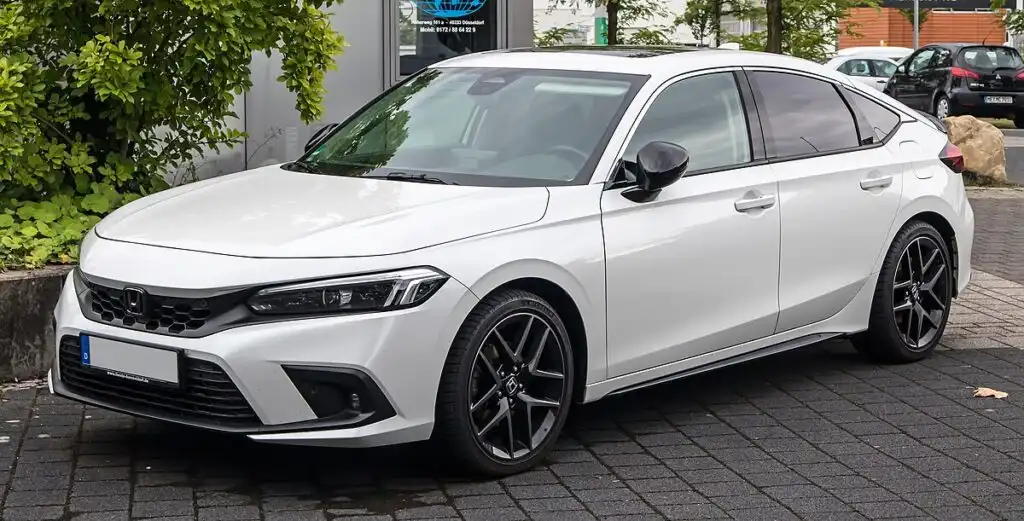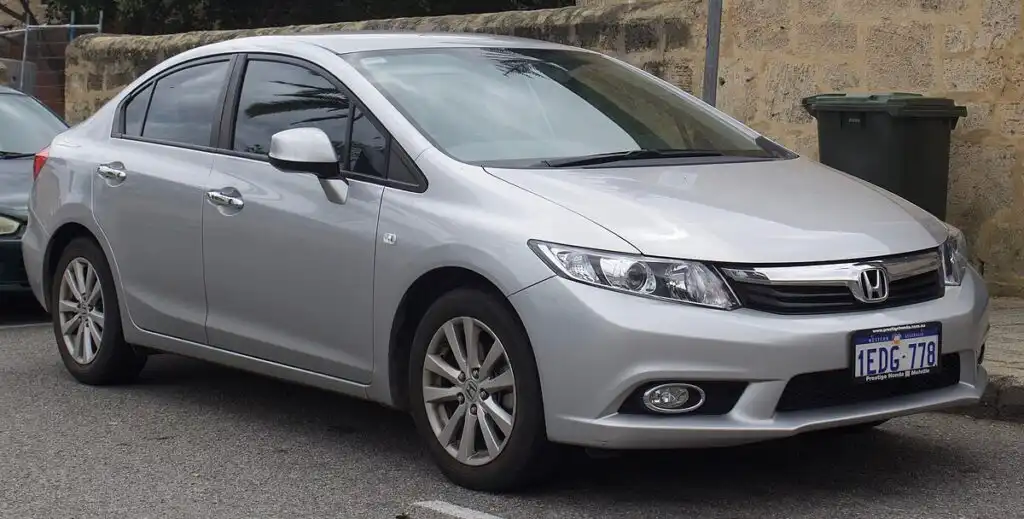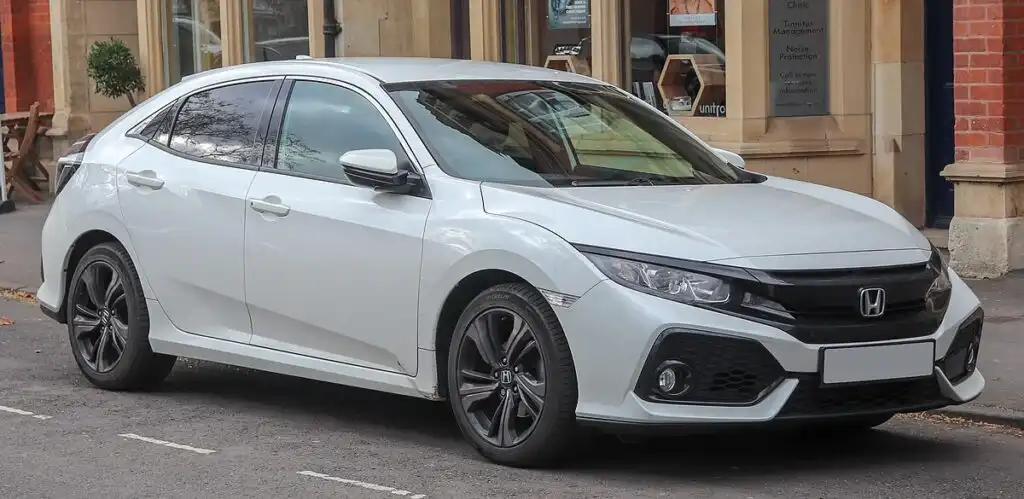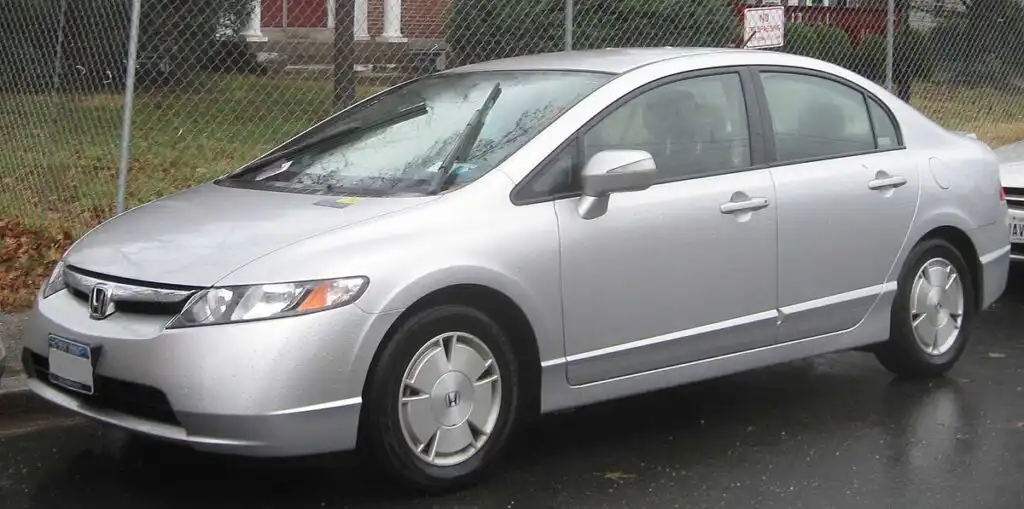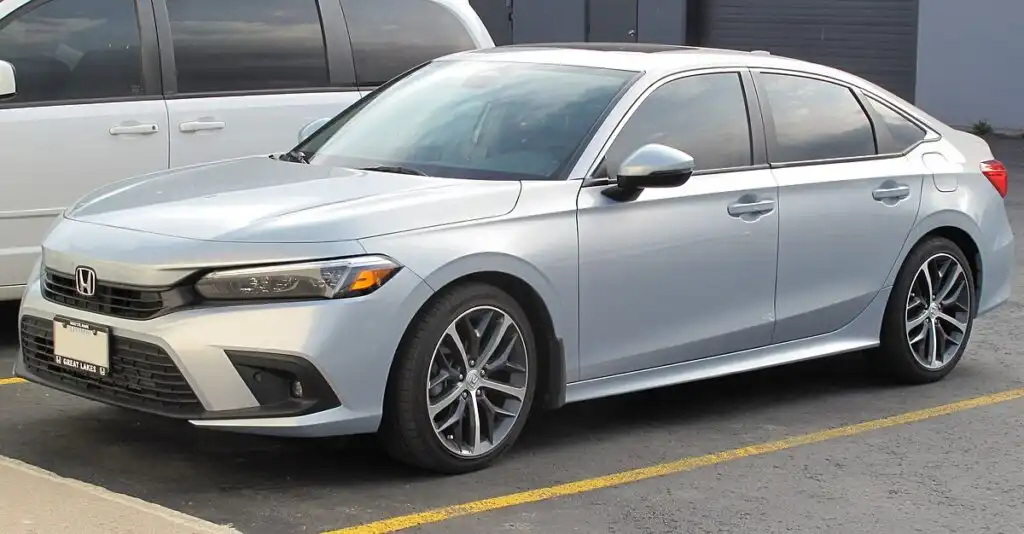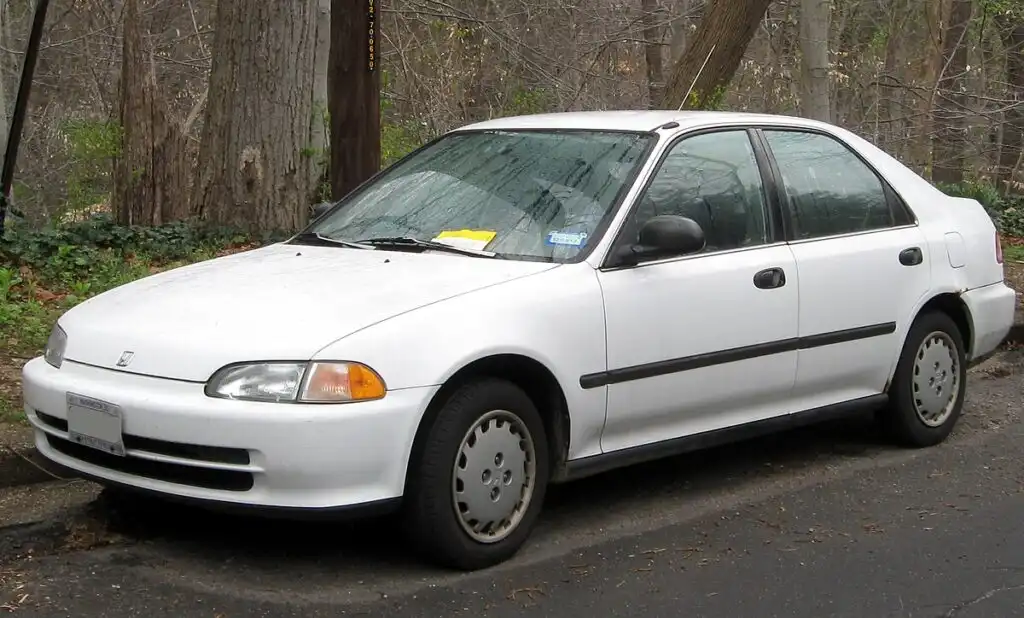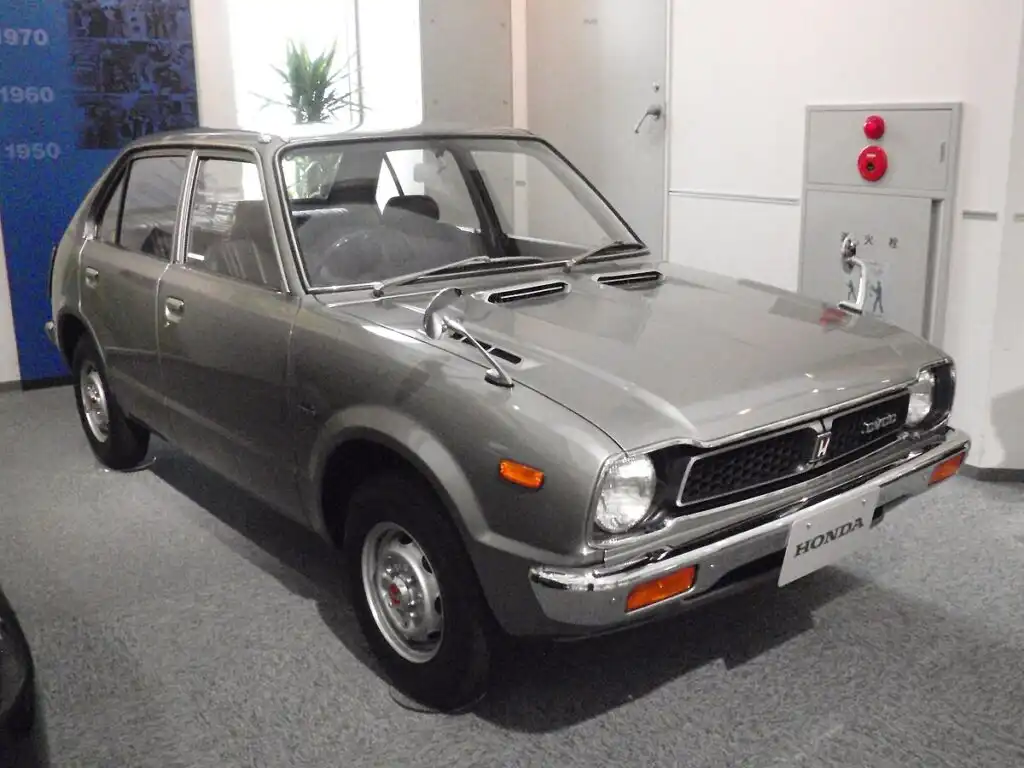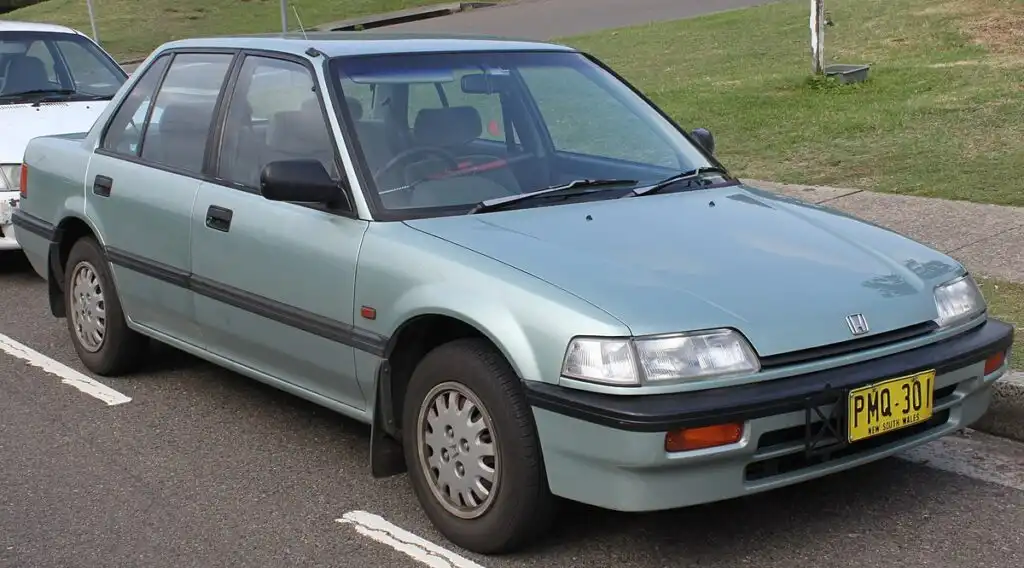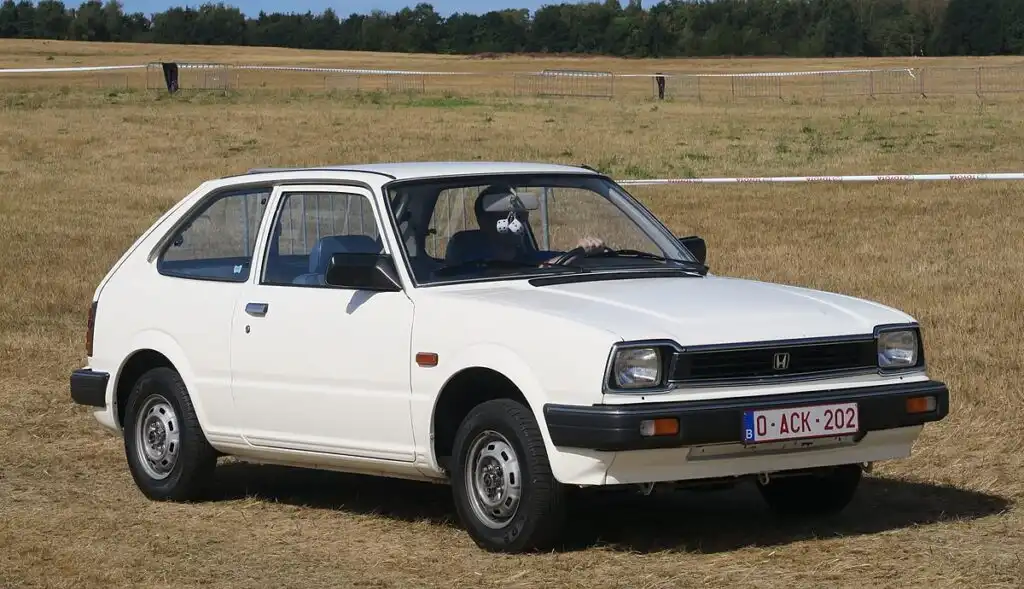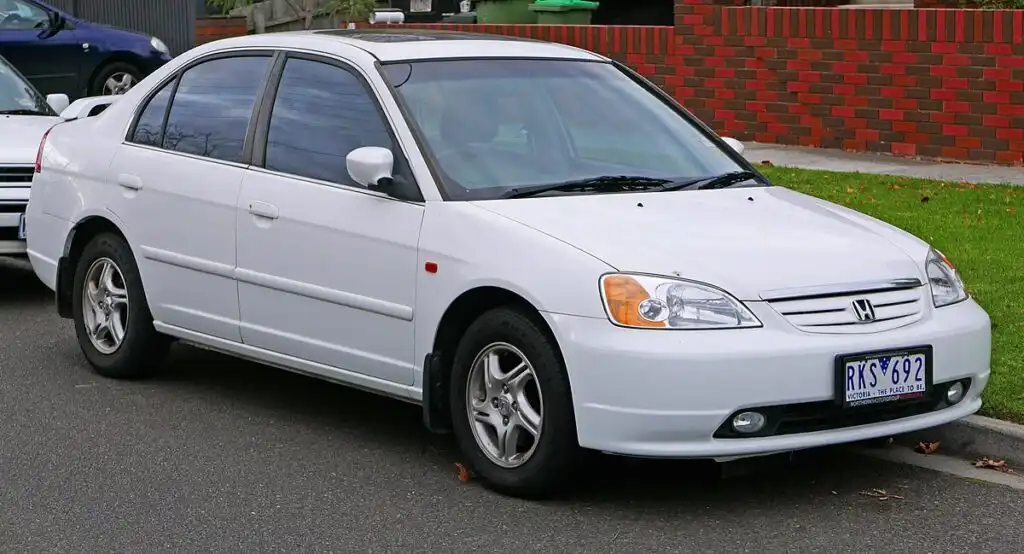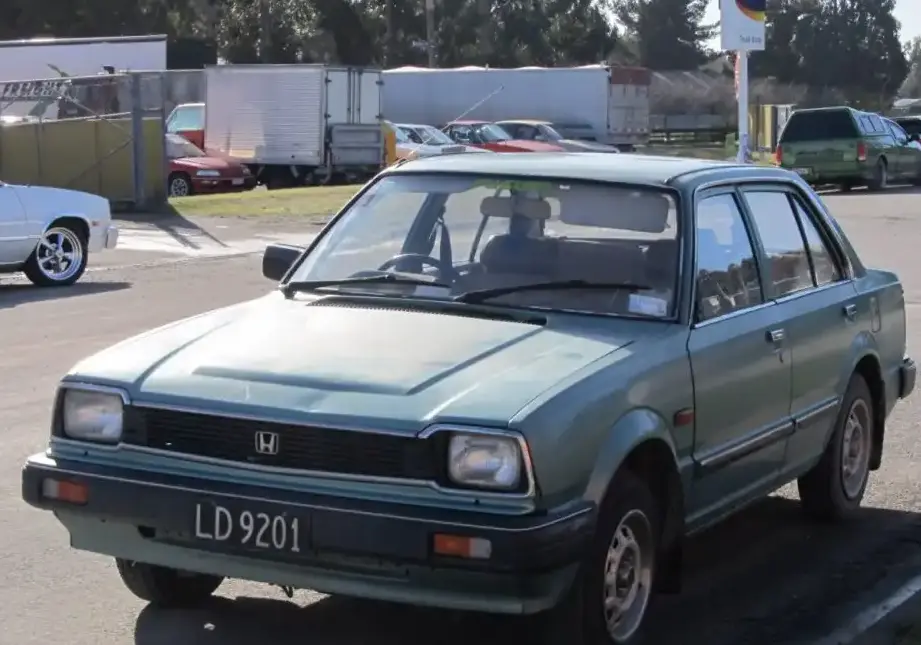
The Honda Civic II 1.5, produced between 1979 and 1983, represents a significant evolution of Honda’s popular compact car. This variant, equipped with a 1.5-liter, 69 horsepower engine, served as a mainstay in the Civic lineup during this period, offering a balance of fuel efficiency and affordability. It was a key component of Honda’s strategy to establish a strong foothold in the North American automotive market, building upon the success of the first-generation Civic. The Civic II, internally designated as the AA generation, saw increased dimensions and refinements compared to its predecessor, aiming for greater comfort and practicality. This particular 1.5-liter engine and transmission combination was generally positioned as the entry-level offering, appealing to budget-conscious buyers.
Technical Specifications
| Brand | Honda |
| Model | Civic |
| Generation | Civic II (AA) |
| Type (Engine) | 1.5 (69 Hp) |
| Start of Production | 1979 |
| End of Production | 1983 |
| Powertrain Architecture | Internal Combustion Engine |
| Body Type | Sedan (also available as a Coupe, Hatchback, and Wagon) |
| Fuel Type | Petrol (Gasoline) |
| Engine Displacement | 1.5 Liters (1488 cc) |
| Engine Configuration | Inline-4 Cylinder |
| Power Output | 69 Horsepower (51 kW) @ 5,500 rpm |
| Torque Output | 86 lb-ft (117 Nm) @ 3,500 rpm |
| Fuel System | Carbureted |
| Transmission | Typically a 4-speed manual or 3-speed automatic |
| Weight (approx.) | 1,850 – 2,000 lbs (839 – 907 kg) depending on trim and transmission |
| Fuel Economy (EPA est.) | 25-32 mpg city / 35-45 mpg highway (estimates vary) |
Powertrain & Engine Architecture
The heart of the Civic II 1.5 was the A15A engine, a 1.5-liter inline-four cylinder powerplant. This engine utilized a single overhead camshaft (SOHC) valvetrain, operating with two valves per cylinder. It was a naturally aspirated engine, relying on atmospheric pressure for intake, and employed a carburetor for fuel delivery. While relatively simple by modern standards, the A15A was known for its reliability and efficiency. The carburetor, typically a Keihin, was tuned for optimal fuel economy and emissions compliance for the era. The engine block was cast iron, contributing to its durability, while the cylinder head was aluminum, helping to reduce weight. The 3-speed automatic transmission, when equipped, was a conventional hydraulic unit, offering smooth but not particularly sporty shifts. It was designed for comfortable daily driving rather than performance.
Driving Characteristics
The 1.5-liter engine, producing 69 horsepower, provided adequate, though not exhilarating, performance for the Civic II. Acceleration was modest, with 0-60 mph times estimated around 14-16 seconds. The automatic transmission further tempered performance, with noticeable gear changes and a tendency to hunt for the right gear on inclines. However, the Civic II 1.5 excelled in city driving and highway cruising, where its fuel efficiency and comfortable ride were appreciated. The steering was light and responsive, making it easy to maneuver in urban environments. Compared to the available 5-speed manual transmission, the automatic version sacrificed some responsiveness and fuel economy, but offered greater convenience, particularly for drivers unfamiliar with manual gearboxes. The suspension, consisting of independent front suspension with torsion bars and a rear leaf spring setup, provided a reasonably comfortable ride, though it wasn’t particularly sporty.
Equipment & Trim Levels
The Civic II 1.5 typically came with a fairly basic level of equipment, reflecting its position as the entry-level model. Standard features generally included cloth upholstery, a basic AM radio, and manual windows and locks. Higher trim levels, such as the DX and LX, offered upgrades like upgraded interior trim, a more powerful stereo system, and optional features like air conditioning and a sunroof. The dashboard layout was functional and straightforward, with clearly marked gauges for speed, fuel level, and engine temperature. The interior space was surprisingly generous for a compact car, offering comfortable seating for four adults. Optional extras included wheel covers, upgraded tires, and a rear window defogger.
Chassis & Braking
The Civic II utilized a unibody construction, providing a good balance of strength and weight. The front suspension featured independent MacPherson struts with torsion bars, while the rear suspension employed a leaf spring setup. This configuration provided a comfortable ride, although it wasn’t particularly sophisticated. Braking systems varied depending on the trim level. Base models typically featured drum brakes on all four wheels, while higher trims often included front disc brakes for improved stopping power. Steering was a manual rack-and-pinion system, providing precise and responsive handling. Stabilizer bars were not standard on all models, but were available as an option to reduce body roll during cornering.
Market Reception & Comparison
The Civic II 1.5 was well-received by consumers and automotive critics alike. It was praised for its fuel efficiency, reliability, and affordability. Compared to other compact cars of the era, such as the Ford Pinto and the Chevrolet Chevette, the Civic II offered a more refined driving experience and a reputation for superior build quality. The 1.5-liter engine, while not the most powerful option, provided adequate performance for most drivers, and its fuel economy was a major selling point. The automatic transmission, while not as sporty as the manual, appealed to a wider range of buyers. The Civic II 1.5 generally outperformed its competitors in terms of long-term reliability and resale value.
Legacy
The Honda Civic II 1.5 remains a popular choice among classic car enthusiasts and collectors. Its simple design, reliable engine, and affordable price make it an attractive option for those seeking a vintage vehicle. The A15A engine is known for its durability and relatively easy maintenance. Parts availability is generally good, although some components may be becoming increasingly difficult to find. Today, well-maintained examples of the Civic II 1.5 can fetch respectable prices in the used car market. The Civic II, and particularly the 1.5-liter variant, played a crucial role in establishing Honda as a major player in the North American automotive industry, paving the way for the company’s continued success in the decades that followed. It represents a pivotal moment in the evolution of the Civic, transitioning from a niche import to a mainstream automotive staple.