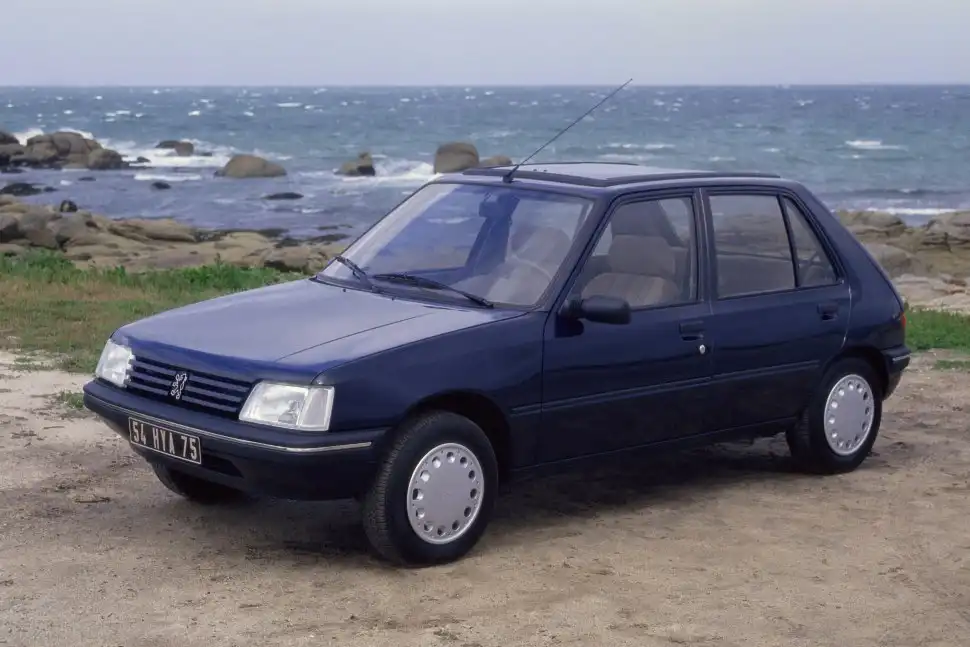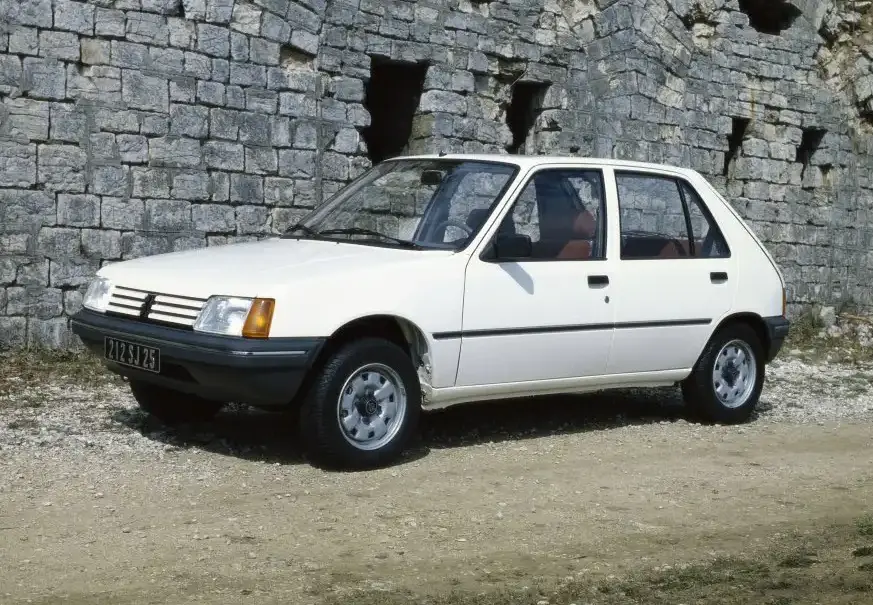
The Peugeot 205 I 1.9 GTI, produced between 1986 and 1987, represents a pivotal point in the evolution of the iconic Peugeot 205. Falling within the 741A/C generation, this variant was positioned as the performance flagship of the 205 range, offering a significant step up in power and handling compared to lower-spec models. It quickly gained a reputation as a highly capable and enjoyable hot hatch, becoming a benchmark in its class and establishing the 205 as a desirable enthusiast vehicle. The 1.9 GTI was a relatively short-lived model, superseded by later iterations with minor refinements, but remains highly sought after by collectors and driving enthusiasts.
Technical Specifications
| Brand | Peugeot |
| Model | 205 |
| Generation | 205 I (741A/C) |
| Type (Engine) | 1.9 GTI (128 Hp) |
| Start of production | 1986 |
| End of production | 1987 |
| Powertrain Architecture | Internal Combustion engine |
| Body type | Hatchback |
| Doors | 3 |
| Fuel Type | Petrol (Gasoline) |
| Power | 128 Hp |
| Engine Model/Code | D6B XU9JA |
| Engine aspiration | Naturally aspirated engine |
| Engine oil capacity | 4 l (4.23 US qt | 3.52 UK qt) |
| Coolant capacity | 6.6 l (6.97 US qt | 5.81 UK qt) |
Powertrain & Engine Architecture
The heart of the 205 1.9 GTI is the D6B XU9JA engine, a 1.9-liter, naturally aspirated inline-four cylinder powerplant. This engine is a cornerstone of Peugeot-Citroën performance cars of the era, known for its robust construction and tunability. The XU9JA features a cast iron block and an aluminum cylinder head, incorporating a belt-driven single overhead camshaft (SOHC) operating two valves per cylinder. Fuel delivery is managed by Bosch mechanical fuel injection, a system chosen for its reliability and responsiveness. The engine produces 128 horsepower at 6,200 rpm and 133 lb-ft of torque at 4,500 rpm. The engine’s design prioritized a broad torque curve, making it usable and engaging in everyday driving. The five-speed manual transmission, a Getrag unit, was the only transmission option offered with this engine, providing precise shifts and contributing to the car’s sporty character.
Driving Characteristics
The 205 1.9 GTI delivers a distinctly engaging driving experience. Its relatively lightweight construction – around 1,830 lbs – combined with the 128 hp engine, results in a brisk 0-60 mph time of approximately 7.8 seconds. While not blistering by modern standards, this performance was impressive for a small hatchback in the late 1980s. The car’s handling is a standout feature, thanks to its well-tuned suspension and responsive steering. The front suspension utilizes MacPherson struts, while the rear employs a torsion beam setup. This configuration provides a good balance between ride comfort and handling precision. The five-speed gearbox is well-matched to the engine’s powerband, allowing drivers to keep the engine in its sweet spot for optimal acceleration. The GTI feels nimble and eager to change direction, making it a rewarding car to drive on winding roads. Compared to the lower-powered 1.6-liter versions of the 205, the 1.9 GTI offers a substantial increase in performance and a more refined driving experience.
Equipment & Trim Levels
The 1.9 GTI was the top-of-the-line 205, and as such, came equipped with a number of features not found on lower trims. Standard equipment included alloy wheels, a rear spoiler, upgraded interior trim, and a more comprehensive instrument cluster. The interior typically featured sport seats upholstered in a combination of cloth and vinyl. A leather steering wheel was also standard. Optional extras included a sunroof, central locking, and upgraded audio systems. The dashboard layout was functional and driver-focused, with clearly marked gauges and easy-to-reach controls. The GTI trim level was distinguished by its unique badging and exterior styling cues, setting it apart from other 205 models.
Chassis & Braking
The 205 1.9 GTI’s chassis was designed to maximize handling and minimize weight. The car utilizes a monocoque construction, providing a rigid and stable platform. The front suspension features MacPherson struts with an anti-roll bar, while the rear suspension employs a torsion beam. The braking system consists of disc brakes on the front wheels and drum brakes on the rear. While the rear drum brakes were a cost-saving measure, the overall braking performance was adequate for the car’s performance level. The GTI also benefited from a slightly stiffer suspension setup compared to lower-spec models, further enhancing its handling capabilities.
Market Reception & Comparison
The Peugeot 205 1.9 GTI was widely praised by automotive journalists and enthusiasts alike. It was lauded for its engaging driving dynamics, responsive engine, and overall value for money. Critics noted that the GTI offered a level of performance and sophistication rarely found in cars of its size and price. Compared to rivals such as the Volkswagen Golf GTI, the 205 GTI was often considered to be more focused on driving enjoyment, with a lighter feel and more direct steering. Fuel economy was reasonable for a performance car of the era, averaging around 30-35 mpg. Reliability was generally good, although the Bosch fuel injection system could require occasional maintenance. The 205 1.9 GTI quickly became a popular choice among driving enthusiasts, and its reputation has only grown over time.
Legacy
The Peugeot 205 1.9 GTI holds a significant place in automotive history as a defining hot hatch of the 1980s. Its combination of performance, handling, and affordability made it a popular choice among enthusiasts, and it remains highly sought after by collectors today. The XU9JA engine, in particular, is regarded as a robust and tunable powerplant, and many examples have been modified for increased performance. While finding a well-maintained example can be challenging, the 205 1.9 GTI continues to offer a rewarding and engaging driving experience. Its influence can be seen in subsequent generations of hot hatches, and it remains a benchmark for small, sporty cars. The car’s enduring popularity is a testament to its exceptional design and engineering.