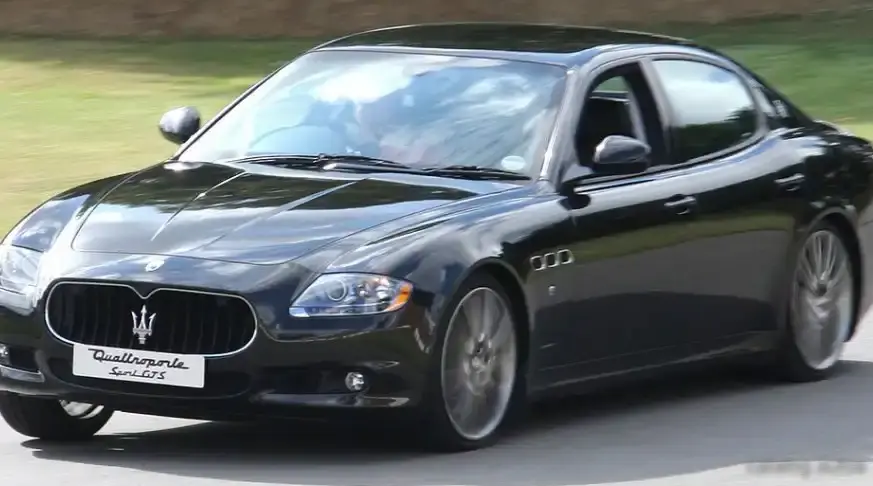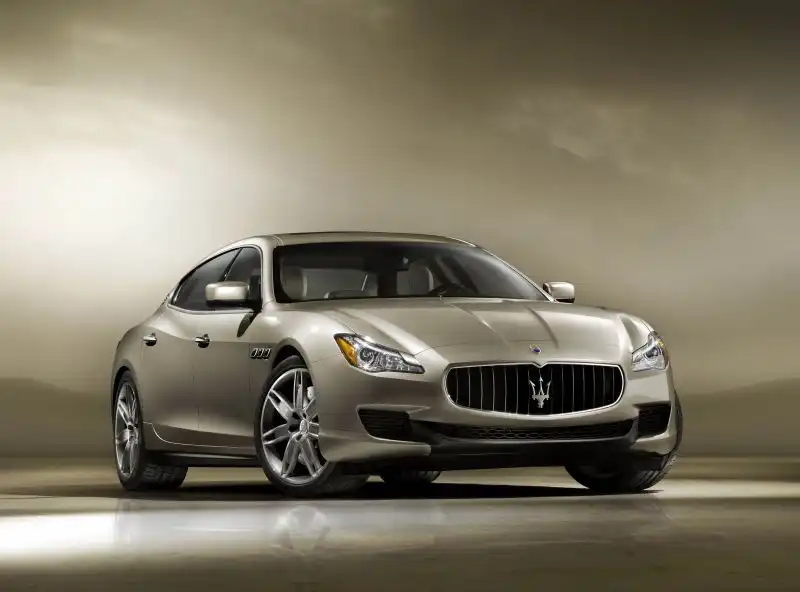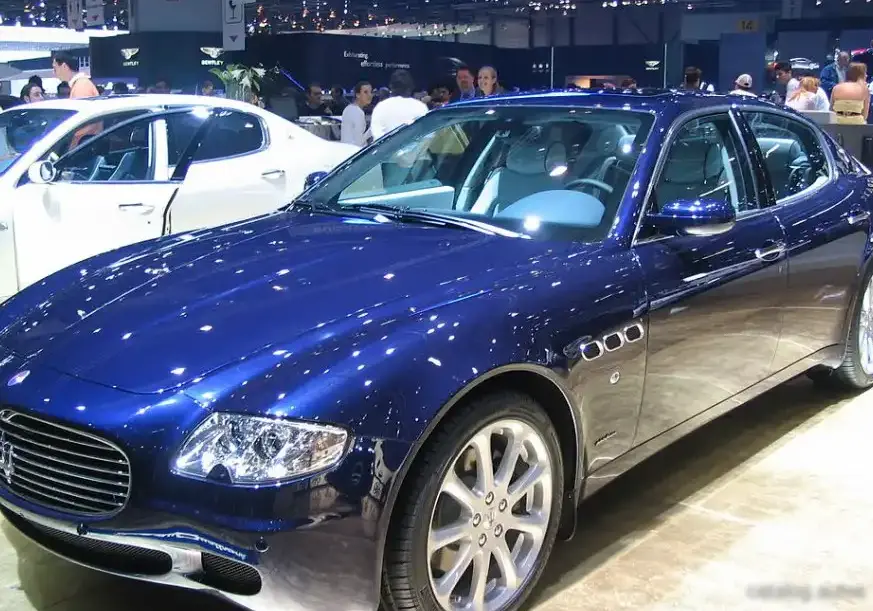
The Maserati Quattroporte S 4.7, produced between 2008 and 2012, represents the fifth generation (M139) of Maserati’s flagship four-door luxury sedan. Positioned as a performance-oriented variant within the Quattroporte lineup, the S 4.7 served as a bridge between the base Quattroporte and the more exclusive Quattroporte Sport GTS models. It aimed to deliver a compelling blend of Italian luxury, spirited driving dynamics, and a distinctive exhaust note, appealing to buyers seeking a sophisticated grand tourer. This generation marked a significant step forward for Maserati, incorporating more modern technology and a refined interior while retaining the brand’s core values of performance and craftsmanship.
Technical Specifications
| Brand | Maserati |
| Model | Quattroporte |
| Generation | Quattroporte S |
| Type (Engine) | 4.7 (430 Hp) |
| Start of production | 2008 |
| End of production | 2012 |
| Powertrain Architecture | Internal Combustion engine |
| Body type | Sedan |
| Seats | 5 |
| Doors | 4 |
| Fuel consumption (urban) | 23.95 l/100 km (9.8 US mpg, 11.8 UK mpg, 4.2 km/l) |
| Fuel consumption (extra urban) | 10.91 l/100 km (21.6 US mpg, 25.9 UK mpg, 9.2 km/l) |
| Fuel consumption (combined) | 15.71 l/100 km (15 US mpg, 18 UK mpg, 6.4 km/l) |
| Fuel Type | Petrol (Gasoline) |
| Acceleration 0 – 100 km/h | 5.4 sec |
| Acceleration 0 – 62 mph | 5.4 sec |
| Acceleration 0 – 60 mph | 5.1 sec |
| Maximum speed | 280 km/h (173.98 mph) |
| Weight-to-power ratio | 4.6 kg/Hp, 216.1 Hp/tonne |
| Weight-to-torque ratio | 4.1 kg/Nm, 246.2 Nm/tonne |
| Power | 430 Hp @ 7000 rpm |
| Power per litre | 91.7 Hp/l |
| Torque | 490 Nm @ 4750 rpm (361.41 lb.-ft. @ 4750 rpm) |
| Engine Model/Code | M139S |
| Engine displacement | 4691 cm3 (286.26 cu. in.) |
| Cylinder Bore | 94 mm (3.7 in.) |
| Piston Stroke | 84.5 mm (3.33 in.) |
| Compression ratio | 11:1 |
| Engine aspiration | Naturally aspirated engine |
| Engine oil capacity | 9 l (9.51 US qt | 7.92 UK qt) |
| Coolant | 13 l (13.74 US qt | 11.44 UK qt) |
| Kerb Weight | 1990 kg (4387.2 lbs.) |
| Max. weight | 2365 kg (5213.93 lbs.) |
| Max load | 375 kg (826.73 lbs.) |
| Trunk (boot) space – minimum | 450 l (15.89 cu. ft.) |
| Fuel tank capacity | 90 l (23.78 US gal | 19.8 UK gal) |
| Length | 5097 mm (200.67 in.) |
| Width | 1885 mm (74.21 in.) |
| Height | 1438 mm (56.61 in.) |
| Wheelbase | 3064 mm (120.63 in.) |
| Front track | 1582 mm (62.28 in.) |
| Rear (Back) track | 1595 mm (62.8 in.) |
| Minimum turning circle | 12.3 m (40.35 ft.) |
Powertrain & Engine Architecture
The heart of the Quattroporte S 4.7 is the M139S engine, a 4.7-liter naturally aspirated V8. This engine is derived from a design originally developed by Ferrari, reflecting Maserati’s close ties to its sister company. It features a 90-degree V-angle, four valves per cylinder, and a dual overhead camshaft design. Fuel delivery is managed by a multi-point fuel injection system, optimized for both performance and efficiency. The engine’s robust construction and high compression ratio (11:1) contribute to its responsive power delivery and characteristic exhaust note. The engine is mated to a six-speed automatic transmission, specifically a ZF 6HP26 unit. This transmission offers smooth shifts and allows the driver to select between automatic and manual modes. The drivetrain is rear-wheel drive, maintaining the traditional Maserati driving experience.
Driving Characteristics
The Quattroporte S 4.7 delivers a distinctly engaging driving experience. The 430 horsepower and 361 lb-ft of torque provide ample power for both relaxed cruising and spirited acceleration. The 0-60 mph sprint takes approximately 5.1 seconds, and the car boasts a top speed of 174 mph. The automatic transmission, while smooth, can feel slightly less responsive than the manual options available in other Quattroporte variants. Gear ratios are tuned for a balance between acceleration and highway cruising. The car’s weight (around 4,387 lbs) is noticeable, but the well-tuned suspension and precise steering contribute to confident handling. Compared to the base Quattroporte, the S 4.7 offers a more aggressive throttle response and a more pronounced exhaust sound, enhancing the overall driving experience. It doesn’t quite match the outright performance of the Quattroporte Sport GTS, but provides a more accessible and comfortable experience.
Equipment & Trim Levels
The Quattroporte S 4.7 came standard with a generous array of luxury features. Interior appointments typically included leather upholstery, wood trim, and power-adjustable front seats. Standard equipment also included a premium audio system, dual-zone climate control, and bi-xenon headlights. Optional extras included a rear seat entertainment system, upgraded leather options, and a panoramic sunroof. The S 4.7 trim generally featured sportier styling cues compared to the base model, such as unique alloy wheel designs and subtle exterior trim enhancements. The dashboard layout and overall interior design were consistent across the Quattroporte range, emphasizing Italian craftsmanship and attention to detail.
Chassis & Braking
The Quattroporte S 4.7 utilizes a double-wishbone suspension setup at the front and a multi-link suspension at the rear, providing a comfortable ride while maintaining good handling characteristics. Stabilizer bars are fitted to both axles to reduce body roll during cornering. Braking duties are handled by ventilated disc brakes on all four wheels, providing ample stopping power. The car is equipped with an anti-lock braking system (ABS) and electronic brakeforce distribution (EBD) for enhanced safety. The S 4.7 typically featured slightly stiffer suspension components compared to the base model, contributing to its more dynamic handling.
Market Reception & Comparison
The Quattroporte S 4.7 was generally well-received by automotive critics. It was praised for its powerful engine, luxurious interior, and distinctive Italian styling. However, some reviewers noted the car’s relatively high fuel consumption and its weight. Compared to the base Quattroporte, the S 4.7 offered a significant performance upgrade, justifying its higher price tag. Against competitors such as the Porsche Panamera and BMW 7 Series, the Quattroporte S 4.7 distinguished itself with its unique character and Italian flair. Fuel economy figures were notably lower than those of its German rivals, averaging around 15 mpg in combined driving.
Legacy
The Maserati Quattroporte S 4.7 remains a desirable vehicle in the used car market. The M139S engine is generally considered to be reliable, although regular maintenance is essential. Common issues include oil leaks and occasional electrical gremlins. The ZF 6HP26 automatic transmission is also generally robust, but requires periodic servicing. The car’s luxurious interior and distinctive styling continue to appeal to enthusiasts. While newer Quattroporte models offer more advanced technology and improved fuel efficiency, the S 4.7 represents a sweet spot for those seeking a classic Italian grand tourer with a powerful V8 engine and a timeless design.