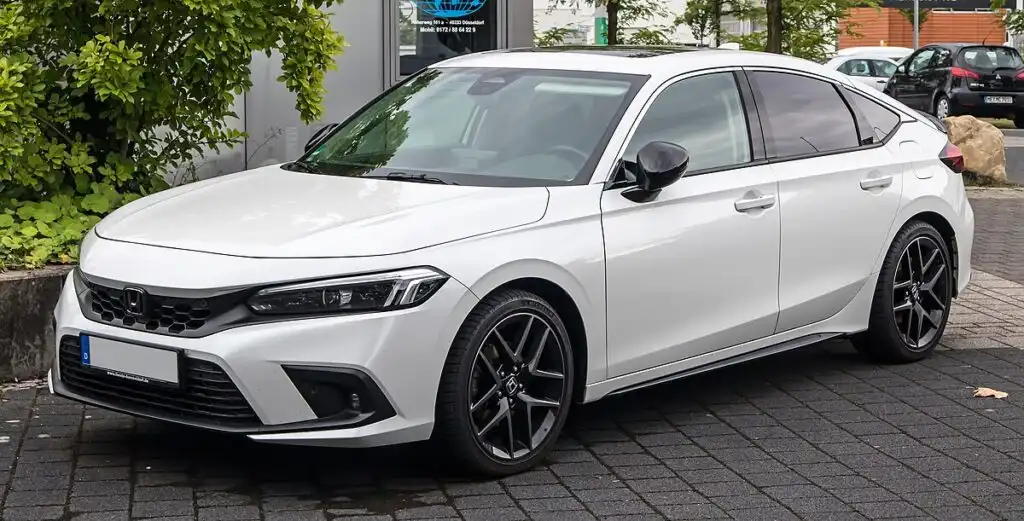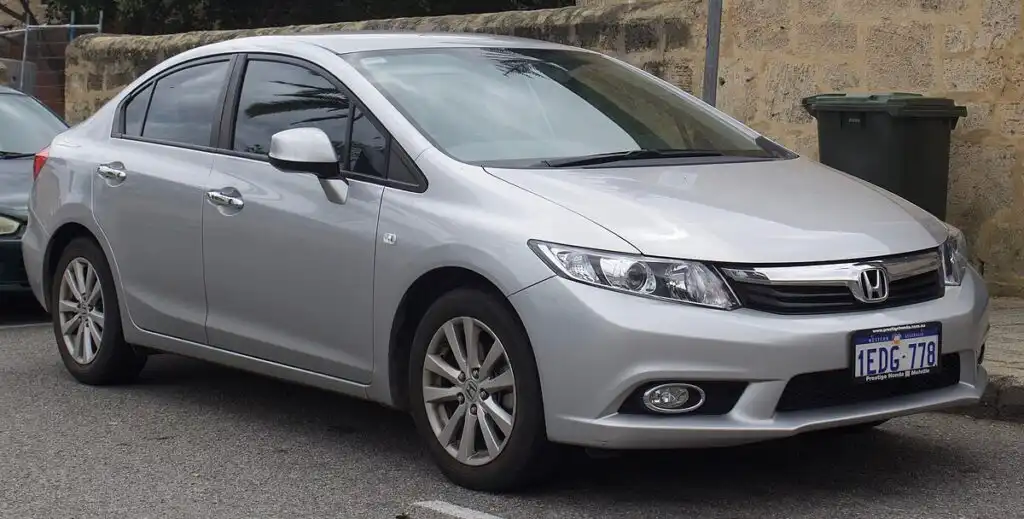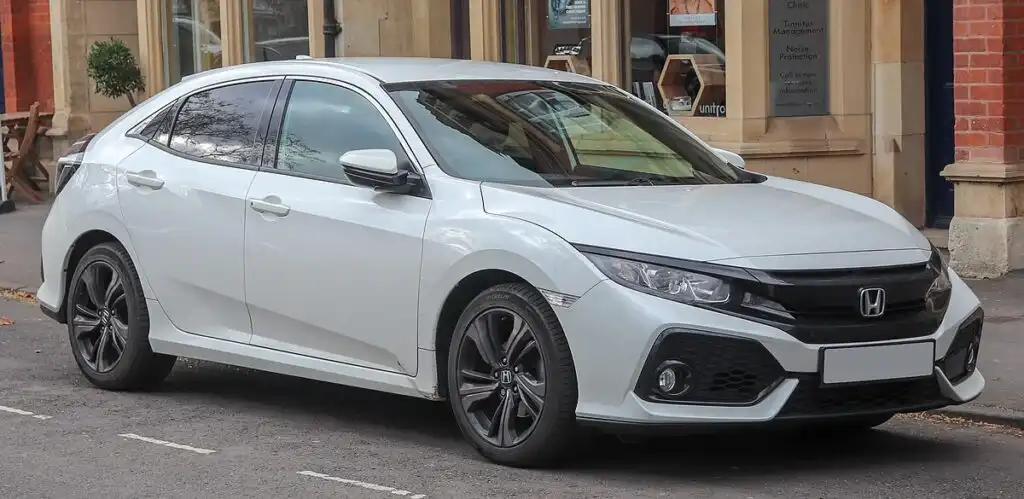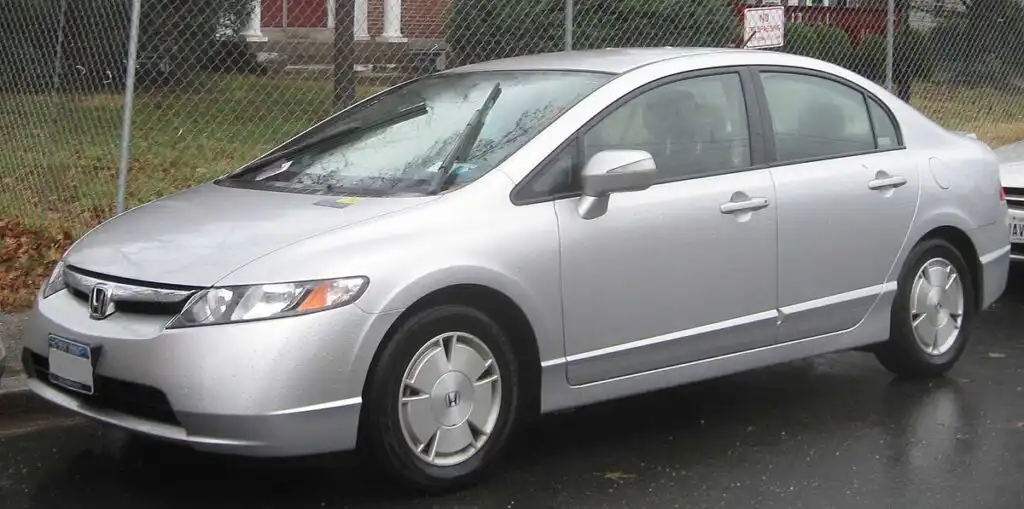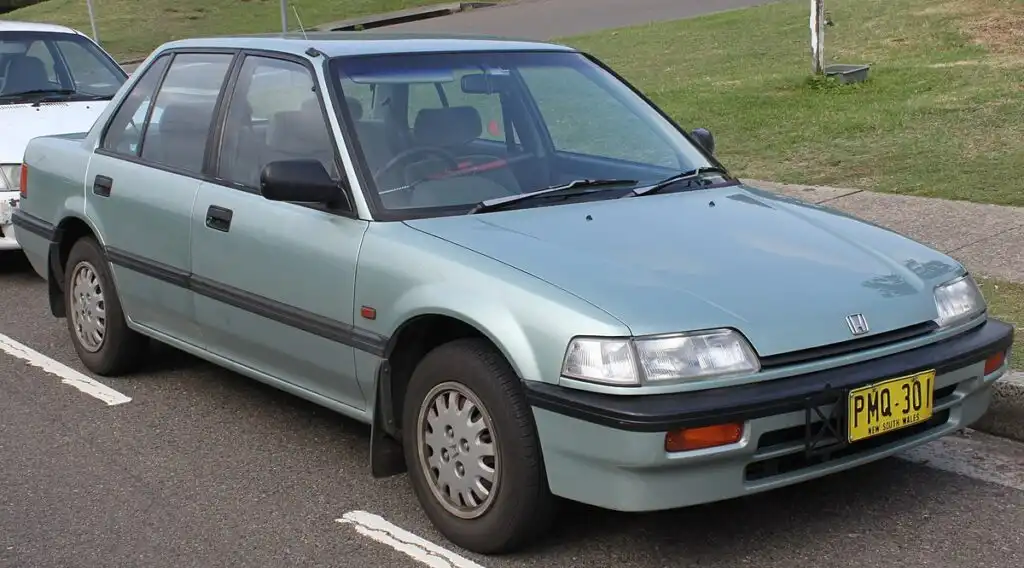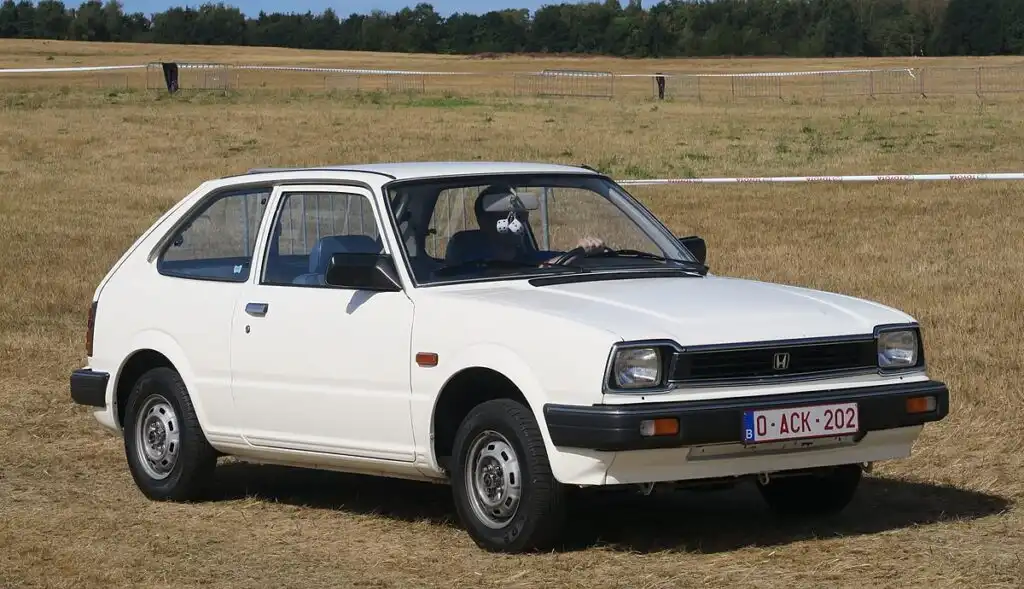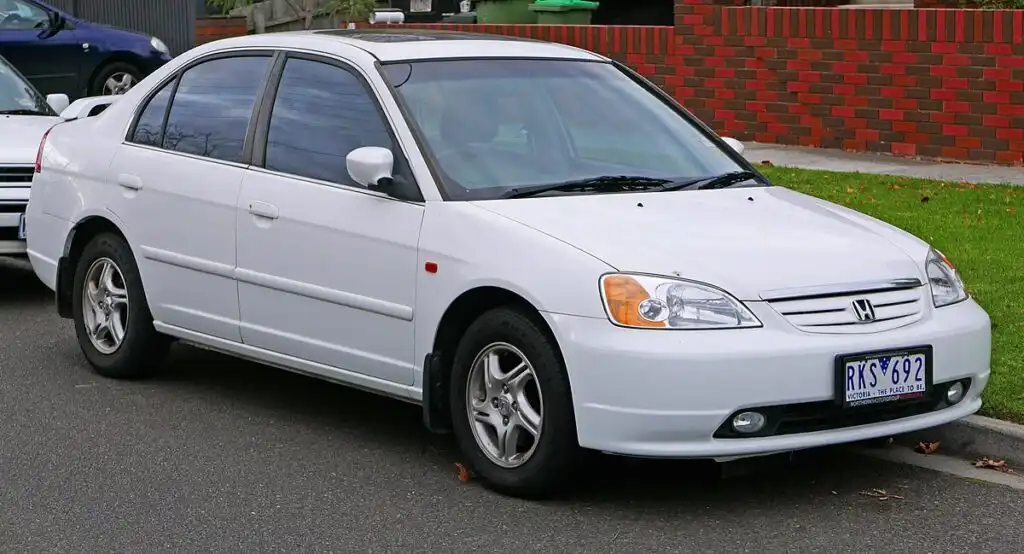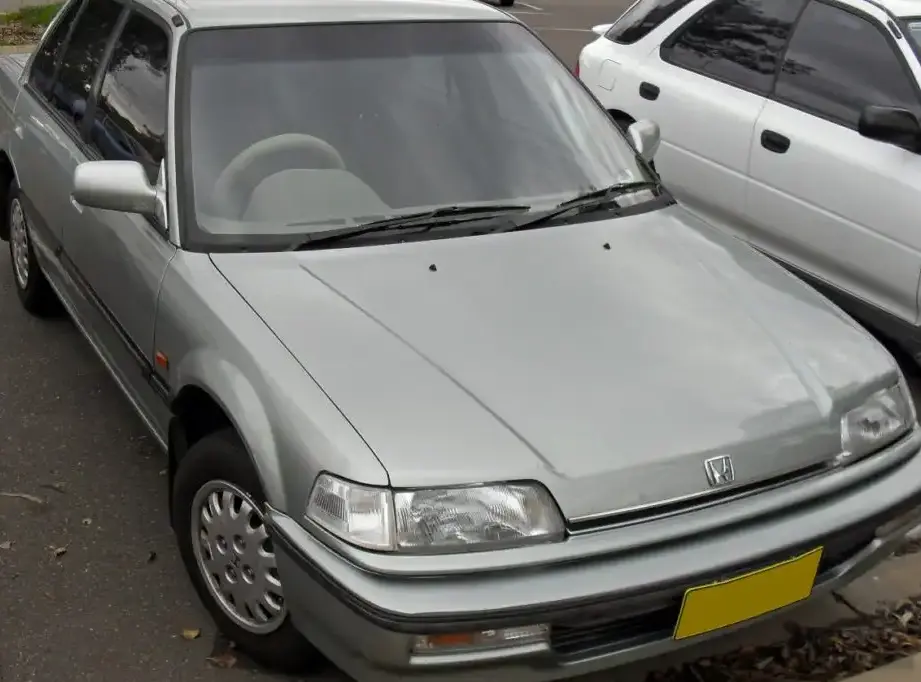
The Honda Civic IV 1.6i 16V, produced between 1987 and 1991, represents a significant evolution in the fourth-generation Civic lineup. This variant, powered by the D16Z2 engine, offered a compelling blend of performance and fuel efficiency, positioning itself as a step up from the base models while remaining accessible to a broad range of buyers in North America and other key markets. The fourth-generation Civic (1987-1991) was a pivotal model for Honda, solidifying its reputation for reliability and build quality, and the 1.6i 16V played a crucial role in attracting enthusiasts seeking a more engaging driving experience.
Technical Specifications
| Brand | Honda |
| Model | Civic |
| Generation | Civic IV |
| Type (Engine) | 1.6i 16V (110 Hp) |
| Start of production | 1987 |
| End of production | 1991 |
| Powertrain Architecture | Internal Combustion engine |
| Body type | Sedan |
| Fuel Type | Petrol (Gasoline) |
| Power | 110 Hp |
| Engine Model/Code | D16Z2 |
| Engine aspiration | Naturally aspirated engine |
| Engine oil capacity | 3.5 l (3.7 US qt | 3.08 UK qt) |
| Coolant capacity | 5.7 l (6.02 US qt | 5.02 UK qt) |
Powertrain & Engine Architecture
The heart of the Civic IV 1.6i 16V is the D16Z2 engine, a 1.6-liter (1580cc) inline-four cylinder powerplant. This engine is notable for its 16-valve cylinder head, a significant upgrade from the 8-valve heads found in earlier Civic models. The 16 valves, coupled with Honda’s programmed fuel injection (PGM-FI) system, allowed for improved breathing and a broader powerband. The D16Z2 featured a single overhead camshaft (SOHC) design, utilizing hydraulic valve lifters to maintain valve lash. The engine produced 110 horsepower at 6,000 rpm and 100 lb-ft of torque at 4,800 rpm. While not a high-revving engine in the same vein as the later B-series motors, the D16Z2 offered a responsive and willing character. The engine was typically paired with either a 5-speed manual transmission or a 4-speed automatic transmission. The automatic transmission, while providing convenience, did impact acceleration and fuel economy compared to the manual.
Driving Characteristics
The Civic IV 1.6i 16V with the automatic transmission offered a comfortable and practical driving experience. Acceleration was adequate for everyday driving, with a 0-60 mph time estimated around 11-12 seconds. The automatic transmission featured relatively conservative gear ratios, prioritizing fuel efficiency over outright performance. The transmission’s shift points were designed to keep the engine within its optimal powerband, but it lacked the responsiveness of a manual gearbox. Compared to the 5-speed manual version, the automatic suffered a noticeable performance deficit. The manual transmission allowed drivers to fully exploit the engine’s powerband, resulting in quicker acceleration and a more engaging driving experience. Handling was typical of front-wheel-drive cars of the era – predictable and safe, but not particularly sporty. The suspension, consisting of MacPherson struts in the front and a torsion beam rear suspension, provided a comfortable ride without excessive body roll.
Equipment & Trim Levels
The 1.6i 16V trim level generally sat in the mid-range of the fourth-generation Civic lineup. Standard equipment typically included features such as power steering, a basic AM/FM radio, cloth upholstery, and full wheel covers. Higher trim levels, such as the Si, offered additional features like a sunroof, upgraded sound system, and sport seats. Optional extras available for the 1.6i 16V included air conditioning, cruise control, and upgraded audio systems. Interior appointments were functional and durable, reflecting Honda’s focus on practicality. The dashboard layout was straightforward and easy to use, with clearly labeled controls. The interior space was generous for a compact car, providing comfortable seating for four adults.
Chassis & Braking
The Civic IV utilized a unibody construction, providing a good balance of rigidity and weight. The front suspension featured MacPherson struts with a stabilizer bar, while the rear suspension employed a torsion beam setup. Braking duties were handled by disc brakes in the front and drum brakes in the rear. The braking system was adequate for normal driving conditions, but lacked the stopping power of more modern systems. The 1.6i 16V typically rode on 175/70R14 tires, providing a reasonable compromise between ride comfort and handling. The chassis was relatively lightweight, contributing to the car’s nimble handling characteristics.
Market Reception & Comparison
The Civic IV 1.6i 16V was generally well-received by automotive critics. It was praised for its reliability, fuel efficiency, and overall value. The 16-valve engine was seen as a significant improvement over the earlier 8-valve engines, offering a noticeable boost in performance. However, some critics noted that the automatic transmission detracted from the driving experience. Compared to other trims in the Civic lineup, the 1.6i 16V offered a good balance of features and performance. The base model Civics were more affordable but lacked the 16-valve engine’s added power. The Si trim offered more performance and features but came at a higher price point. In terms of fuel economy, the 1.6i 16V automatic typically achieved around 27 mpg city and 34 mpg highway, which was competitive for its time.
Legacy
The D16Z2 engine, found in the Civic IV 1.6i 16V, has proven to be remarkably durable and reliable over the years. Many examples are still on the road today, a testament to Honda’s engineering prowess. The engine is relatively easy to maintain and repair, and parts are still readily available. In the used car market, the Civic IV 1.6i 16V is often sought after by enthusiasts looking for a classic Honda that is both affordable and enjoyable to drive. While not as highly regarded as the later B-series engines, the D16Z2 remains a popular choice for budget-minded enthusiasts and those seeking a reliable and fuel-efficient commuter car. The Civic IV 1.6i 16V represents a sweet spot in the fourth-generation Civic lineup, offering a compelling combination of performance, practicality, and reliability.