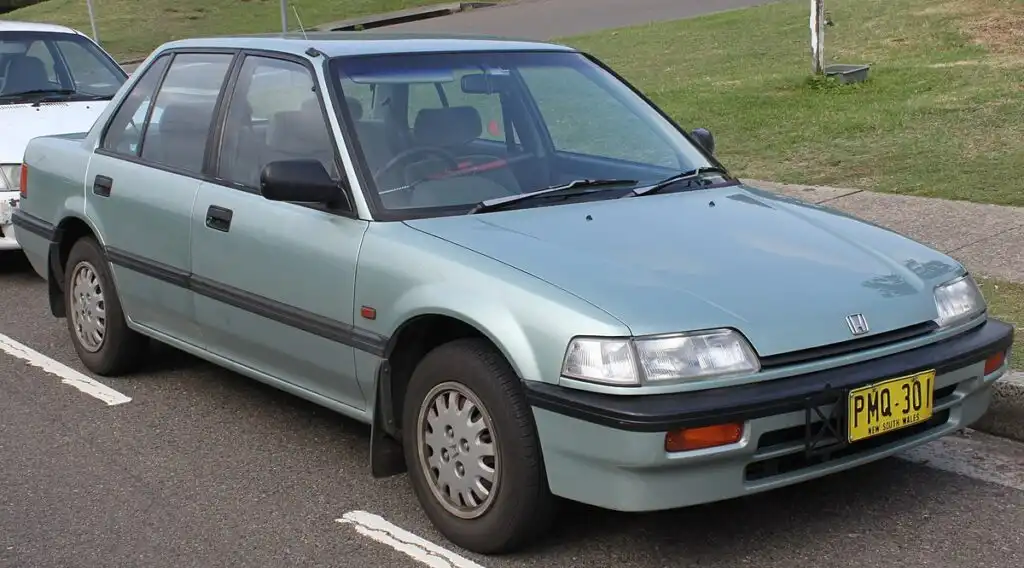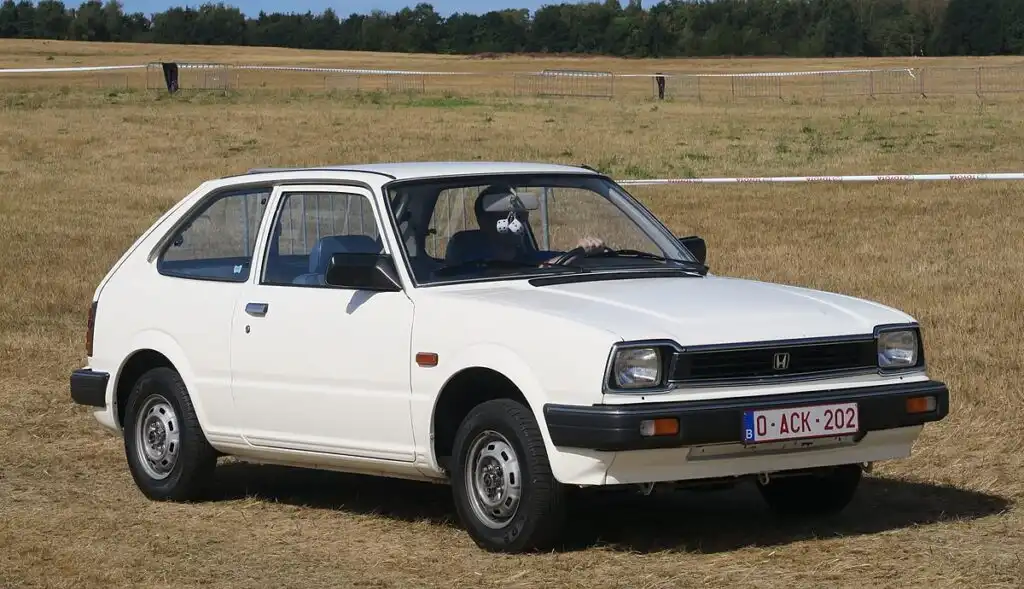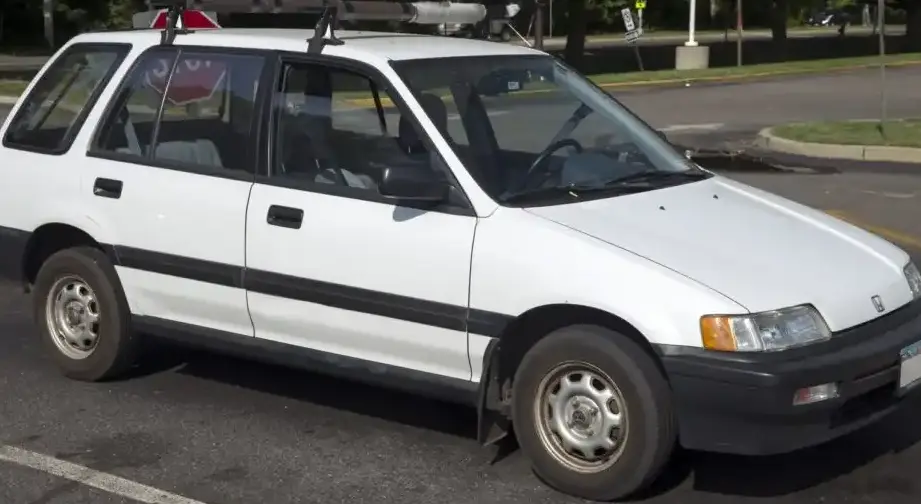
The Honda Civic IV Shuttle 1.6 i 16V 4WD (EE4), produced between 1988 and 1991, represents a unique and versatile offering within the fourth-generation Civic lineup. This variant, a five-door station wagon (estate) distinguished by its all-wheel drive system, was primarily aimed at buyers seeking a practical and capable vehicle for varying road conditions. It occupied a niche position, bridging the gap between the standard Civic hatchbacks and sedans and offering a more rugged alternative. The EE4 model benefited from Honda’s reputation for reliability and fuel efficiency, while the 1.6-liter engine provided a reasonable balance of performance and economy. It was largely sold in markets where inclement weather or unpaved roads were common, offering a level of all-weather capability not found in other Civic variants of the time.
Technical Specifications
| Brand | Honda |
| Model | Civic |
| Generation | Civic IV Shuttle |
| Type (Engine) | 1.6 i 16V 4WD (EE4) (110 Hp) |
| Start of production | 1988 year |
| End of production | 1991 year |
| Powertrain Architecture | Internal Combustion engine |
| Body type | Station wagon (estate) |
| Seats | 5 |
| Doors | 5 |
| Fuel Type | Petrol (Gasoline) |
| Maximum speed | 173 km/h (107.5 mph) |
| Weight-to-power ratio | 10.5 kg/Hp, 94.8 Hp/tonne |
| Weight-to-torque ratio | 8.6 kg/Nm, 116.4 Nm/tonne |
| Power | 110 Hp @ 6300 rpm |
| Power per litre | 69.2 Hp/l |
| Torque | 135 Nm (99.57 lb.-ft.) |
| Engine layout | Front, Transverse |
| Engine Model/Code | D16Z2 |
| Engine displacement | 1590 cm3 (97.03 cu. in.) |
| Number of cylinders | 4 |
| Engine configuration | Inline |
| Compression ratio | 9.1:1 |
| Number of valves per cylinder | 4 |
| Fuel injection system | Multi-port manifold injection |
| Engine aspiration | Naturally aspirated engine |
| Engine oil capacity | 3.5 l (3.7 US qt | 3.08 UK qt) |
| Coolant | 5.7 l (6.02 US qt | 5.02 UK qt) |
| Kerb Weight | 1160 kg (2557.36 lbs.) |
| Fuel tank capacity | 45 l (11.89 US gal | 9.9 UK gal) |
| Length | 4105 mm (161.61 in.) |
| Width | 1690 mm (66.54 in.) |
| Height | 1515 mm (59.65 in.) |
| Wheelbase | 2500 mm (98.43 in.) |
| Front track | 1445 mm (56.89 in.) |
| Rear (Back) track | 1445 mm (56.89 in.) |
| Drive wheel | All wheel drive (4×4) |
| Number of gears and type of gearbox | 6 gears, manual transmission |
| Front brakes | Disc |
| Rear brakes | Drum |
| Power steering | Hydraulic Steering |
| Tires size | 185/60 R13 |
Powertrain & Engine Architecture
The heart of the Civic IV Shuttle 1.6 i 16V 4WD is the D16Z2 engine, a 1.6-liter inline-four cylinder powerplant. This engine is notable for its 16-valve cylinder head, which contributes to its relatively high output for its displacement. The D16Z2 utilizes multi-port fuel injection, a significant advancement over earlier carburetor-equipped Civic engines, improving fuel efficiency and throttle response. The engine’s 9.1:1 compression ratio strikes a balance between performance and the ability to run on readily available fuel grades. The 4WD system employed is a real-time system, engaging the rear wheels as needed based on traction conditions. This system isn’t a sophisticated torque-vectoring setup, but rather a mechanically driven system that provides added grip in slippery conditions. The EE4 was exclusively offered with a 6-speed manual transmission, designed to maximize the engine’s potential and provide a more engaging driving experience.
Driving Characteristics
The 110 horsepower and 135 Nm (99.57 lb-ft) of torque produced by the D16Z2 engine, coupled with the six-speed manual transmission, provided the Civic Shuttle 4WD with respectable performance for its time. While not a sports car, the EE4 offered brisk acceleration and the ability to maintain highway speeds with ease. The all-wheel drive system significantly enhanced traction, particularly on loose surfaces like gravel or snow. Compared to the standard front-wheel drive Civic models, the 4WD variant felt more planted and stable, especially during cornering. The six-speed gearbox allowed the driver to keep the engine in its optimal power band, maximizing acceleration and responsiveness. However, the added weight of the 4WD system and components did slightly impact fuel economy compared to the lighter, front-wheel drive models.
Equipment & Trim Levels
The Civic IV Shuttle 1.6 i 16V 4WD (EE4) was generally well-equipped for its price point, though it wasn’t positioned as a luxury vehicle. Standard features typically included power steering, a basic audio system, and cloth upholstery. The interior design was functional and straightforward, prioritizing practicality over lavishness. Optional extras could include upgraded audio systems, alloy wheels, and power windows. The EE4 trim level was often considered a mid-range offering, sitting above the base models but below any potential special editions. The focus was on providing a well-rounded package with a strong emphasis on functionality and all-weather capability.
Chassis & Braking
The Civic Shuttle 4WD utilized a MacPherson strut front suspension and a torsion beam rear suspension. The suspension was tuned to provide a comfortable ride while maintaining reasonable handling characteristics. The front brakes were disc brakes, providing adequate stopping power, while the rear brakes were drum brakes, a cost-saving measure common in vehicles of this era. The 4WD system added weight to the vehicle, necessitating a slightly stiffer suspension setup to maintain stability. The steering was hydraulically assisted, making it relatively easy to maneuver at low speeds.
Market Reception & Comparison
The Civic IV Shuttle 1.6 i 16V 4WD (EE4) received generally positive reviews from automotive critics. It was praised for its practicality, reliability, and all-weather capability. However, some critics noted that the added weight of the 4WD system slightly diminished performance and fuel economy compared to the front-wheel drive models. Compared to other station wagons of the time, the Civic Shuttle offered a unique combination of affordability, fuel efficiency, and all-wheel drive traction. It was often seen as a more sensible alternative to larger, more expensive wagons. The 1.8L and 1.5L front wheel drive models were more popular due to their lower price and better fuel economy, appealing to a broader audience.
Legacy
The Honda Civic IV Shuttle 1.6 i 16V 4WD (EE4) has developed a cult following among enthusiasts, particularly those who appreciate its rarity and unique features. The D16Z2 engine is known for its durability and relatively simple maintenance requirements. Today, well-maintained examples of the EE4 are becoming increasingly collectible. While the 4WD system may not be as sophisticated as modern all-wheel drive systems, it remains a reliable and effective solution for improving traction in challenging conditions. The EE4 represents a unique chapter in the Civic’s history, showcasing Honda’s willingness to experiment with different configurations and cater to niche markets. Its blend of practicality, reliability, and all-weather capability continues to appeal to drivers seeking a versatile and dependable vehicle.