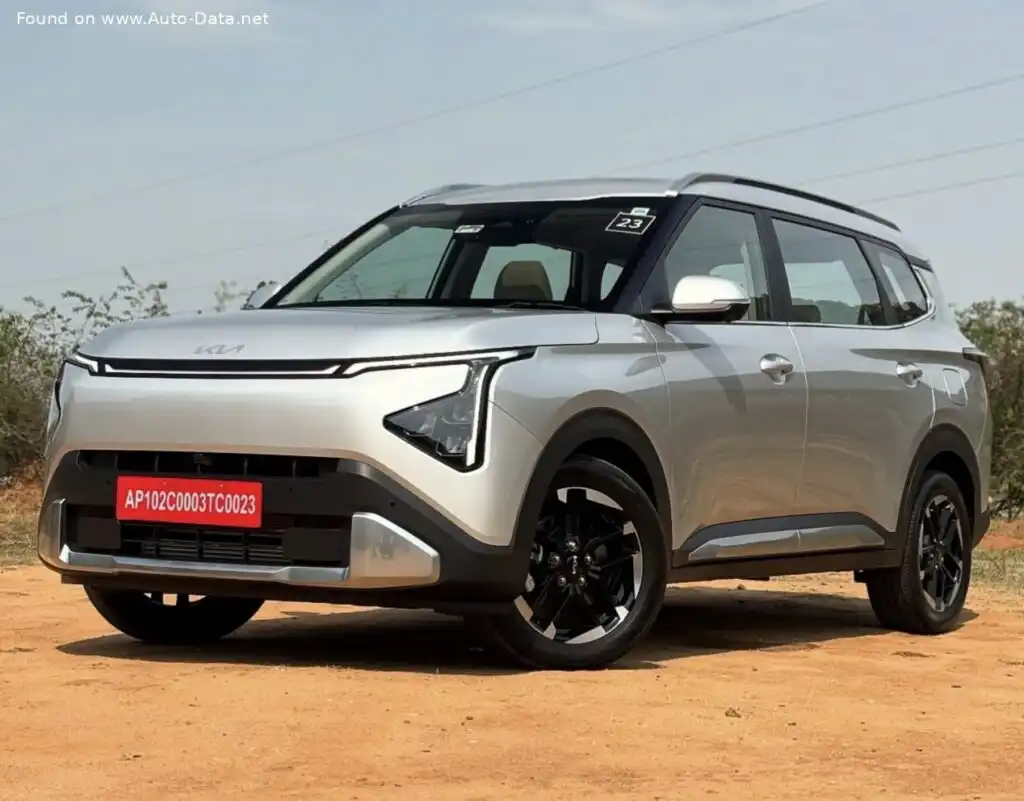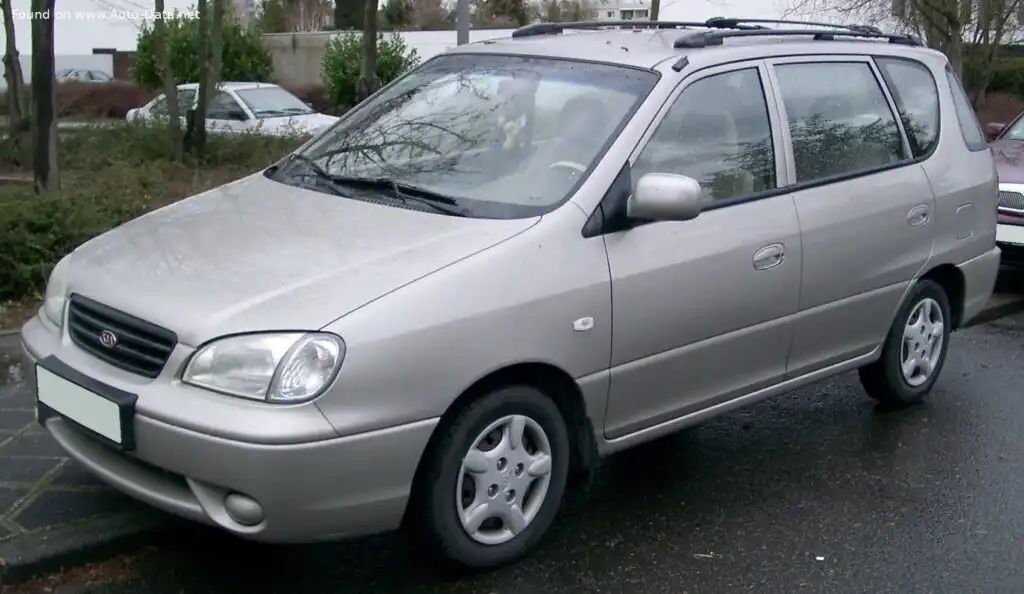
The Kia Carens II 2.0i 16V Automatic, produced between 2006 and 2010, represents a significant iteration of Kia’s foray into the compact multi-purpose vehicle (MPV) segment. Positioned as a mid-range offering within the second-generation Carens (UN) lineup – internally designated the 2HX – this variant aimed to balance practicality, affordability, and a degree of refinement for family transportation. The Carens II, launched to replace the first generation, was designed to appeal to a broader audience, particularly in European and Asian markets, offering a seven-seat configuration in a relatively compact footprint. This specific 2.0-liter engine and four-speed automatic transmission combination was intended to provide a comfortable and convenient driving experience, prioritizing ease of use over outright performance.
Technical Specifications
| Brand | Kia |
| Model | Carens |
| Generation | Carens II |
| Type (Engine) | 2.0i 16V (144 Hp) Automatic |
| Start of production | 2006 |
| End of production | 2010 |
| Powertrain Architecture | Internal Combustion engine |
| Body type | MPV |
| Seats | 7 |
| Doors | 5 |
| Fuel consumption (urban) | 11.5 l/100 km (20.5 US mpg) |
| Fuel consumption (extra urban) | 6.6 l/100 km (35.6 US mpg) |
| Fuel Type | Petrol (Gasoline) |
| Acceleration 0 – 100 km/h | 11 sec |
| Acceleration 0 – 62 mph | 11 sec |
| Acceleration 0 – 60 mph | 10.5 sec |
| Maximum speed | 190 km/h (118.06 mph) |
| Weight-to-power ratio | 10.3 kg/Hp |
| Weight-to-torque ratio | 7.9 kg/Nm |
| Power | 144 Hp @ 6000 rpm |
| Power per litre | 72.1 Hp/l |
| Torque | 189 Nm @ 4250 rpm (139.4 lb.-ft. @ 4250 rpm) |
| Engine layout | Front, Transverse |
| Engine Model/Code | Theta II / G4KA |
| Engine displacement | 1998 cm3 (121.93 cu. in.) |
| Number of cylinders | 4 |
| Engine configuration | Inline |
| Cylinder Bore | 86 mm (3.39 in.) |
| Piston Stroke | 86 mm (3.39 in.) |
| Compression ratio | 10.5:1 |
| Number of valves per cylinder | 4 |
| Fuel injection system | Multi-port manifold injection |
| Engine aspiration | Naturally aspirated engine |
| Engine oil capacity | 4 l (4.23 US qt | 3.52 UK qt) |
| Coolant capacity | 6.7 l (7.08 US qt | 5.9 UK qt) |
| Kerb Weight | 1490 kg (3284.89 lbs.) |
| Max. weight | 2155 kg (4750.96 lbs.) |
| Max load | 665 kg (1466.07 lbs.) |
| Trunk (boot) space – minimum | 400 l (14.13 cu. ft.) |
| Trunk (boot) space – maximum | 2106 l (74.37 cu. ft.) |
| Fuel tank capacity | 60 l (15.85 US gal | 13.2 UK gal) |
| Length | 4545 mm (178.94 in.) |
| Width | 1820 mm (71.65 in.) |
| Height | 1650 mm (64.96 in.) |
| Wheelbase | 2690 mm (105.91 in.) |
| Front track | 1575 mm (62.01 in.) |
| Rear track | 1570 mm (61.81 in.) |
| Drivetrain Architecture | Front wheel drive |
| Number of gears | 4 |
| Gearbox type | Automatic transmission |
| Front suspension | Independent, McPherson with coil spring and anti-roll bar |
| Rear suspension | Independent multi-link with stabilizer |
| Front brakes | Disc |
| Rear brakes | Disc |
| Assisting systems | ABS (Anti-lock braking system) |
| Tires size | 205/60 R16 |
| Wheel rims size | 16 |
Powertrain & Engine Architecture
The heart of the Carens II 2.0i Automatic is the Kia Theta II engine, specifically the G4KA variant. This 1.998-liter inline-four cylinder engine utilizes a cast iron block with an aluminum cylinder head. It features dual overhead camshafts (DOHC) operating four valves per cylinder, contributing to its 16-valve configuration. Fuel delivery is managed by a multi-point fuel injection system, providing adequate, though not exceptional, fuel atomization. The engine’s 144 horsepower at 6000 rpm and 189 Nm (139.4 lb-ft) of torque at 4250 rpm are respectable figures for its class, but not class-leading. The engine is known for its relative simplicity and durability. Paired with the engine is a four-speed automatic transmission. While providing smooth shifts, this transmission lacks the efficiency and responsiveness of more modern automatic gearboxes with higher gear counts. The transmission was chosen for its cost-effectiveness and ease of maintenance, aligning with the Carens II’s overall value proposition.
Driving Characteristics
The 2.0i Automatic Carens delivers a comfortable, if not particularly engaging, driving experience. Acceleration from 0-60 mph takes approximately 10.5 seconds, and top speed is around 118 mph. The four-speed automatic transmission contributes to a noticeable lack of urgency during acceleration, especially when compared to the manual transmission variants or the more powerful engines available in the Carens II range. Gear ratios are tuned for fuel economy and smooth cruising rather than spirited driving. The automatic transmission tends to hold gears longer to maximize fuel efficiency, which can sometimes result in the engine feeling strained during uphill climbs or when carrying a full load of passengers. The suspension, tuned for comfort, absorbs bumps and imperfections in the road well, making it a pleasant vehicle for long journeys.
Equipment & Trim Levels
The 2.0i Automatic trim level typically included features such as air conditioning, power windows, central locking, and an integrated audio system. Higher trim levels, often denoted by additional packages, added features like alloy wheels, fog lights, a sunroof, and upgraded interior upholstery. Interior materials were generally durable and practical, prioritizing functionality over luxury. The seven-seat configuration offered versatility, although the third-row seats were best suited for children or shorter adults. Optional extras included a CD changer, upgraded sound system, and metallic paint finishes.
Chassis & Braking
The Carens II utilizes a front-wheel-drive layout with an independent McPherson strut suspension in the front and an independent multi-link suspension in the rear. This suspension setup provides a good balance between ride comfort and handling. The front and rear brakes are both disc brakes, offering adequate stopping power for the vehicle’s weight and performance. Anti-lock Braking System (ABS) was standard, enhancing safety during emergency braking situations. The steering is hydraulically assisted, providing a light and easy driving experience, though lacking in significant feedback.
Market Reception & Comparison
The Kia Carens II 2.0i Automatic was generally well-received as a practical and affordable family vehicle. Critics praised its spacious interior, comfortable ride, and competitive price point. However, the four-speed automatic transmission was often criticized for its lack of responsiveness and fuel efficiency compared to newer automatic transmissions. Compared to the 1.6-liter engine option, the 2.0-liter offered a noticeable performance improvement, making it a more suitable choice for those who frequently carried passengers or cargo. Compared to diesel variants, the 2.0i offered a quieter and smoother driving experience, but at the expense of fuel economy.
Legacy
The Kia Carens II 2.0i Automatic has proven to be a relatively reliable vehicle, with the Theta II engine demonstrating good longevity when properly maintained. Common issues include occasional sensor failures and wear and tear on suspension components. In the used car market, these Carens models represent a budget-friendly option for families seeking a spacious and practical vehicle. While not a performance standout, the 2.0i Automatic offers a comfortable and dependable driving experience, making it a viable choice for those prioritizing value and practicality over driving excitement. The Carens II helped establish Kia as a credible competitor in the European and Asian MPV segments, paving the way for future models and a growing reputation for quality and reliability.