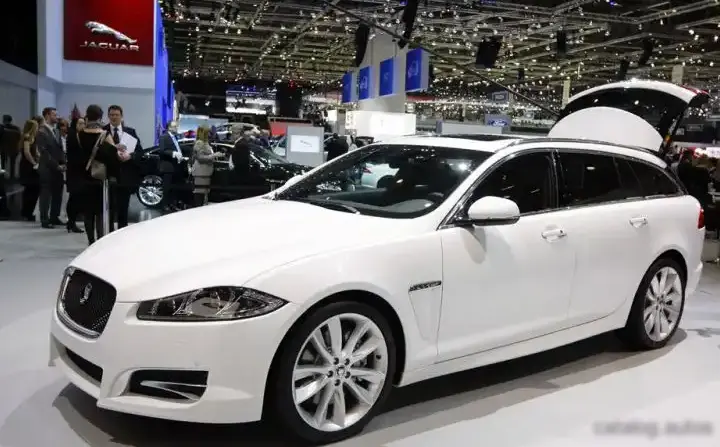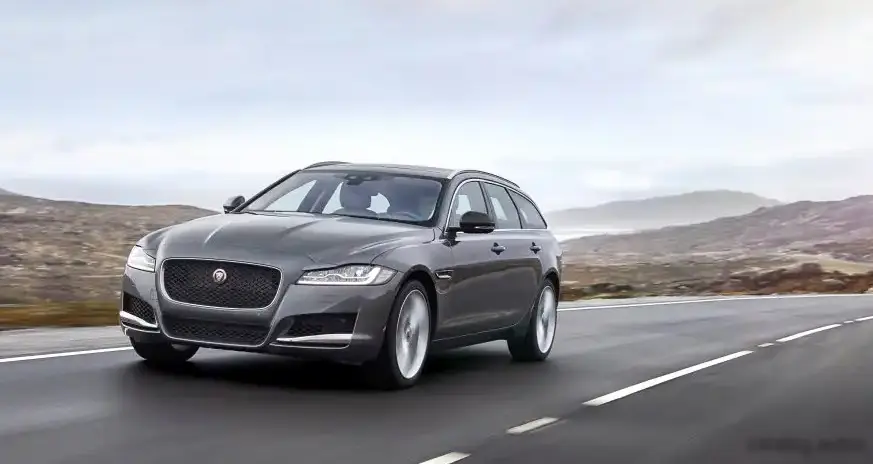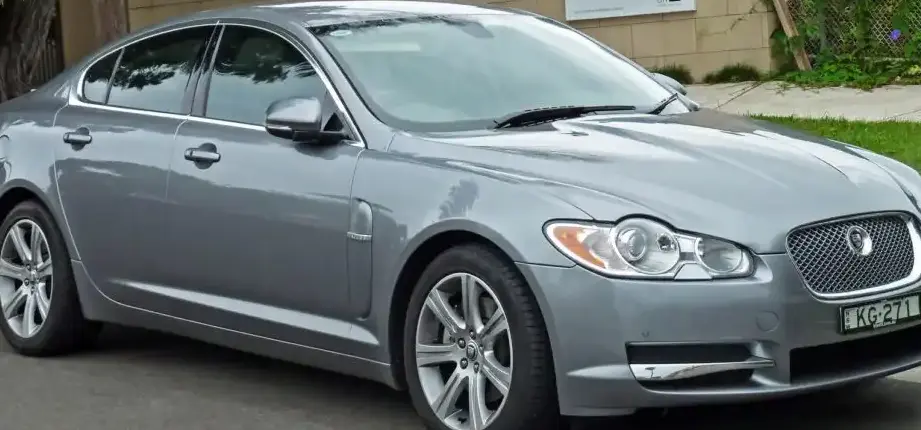
The Jaguar XF (X250) 2.7D Automatic, produced between 2007 and 2009, represented a significant departure for Jaguar, moving the brand into a more contemporary and competitive segment. This variant, powered by the AJD 2.7-liter turbocharged diesel engine and paired with a six-speed automatic transmission, occupied a middle ground in the XF lineup, offering a balance of performance, fuel efficiency, and luxury. It was positioned as an alternative to petrol-powered XFs and served as a key model in establishing the XF’s presence in the European and, to a lesser extent, North American markets. The X250 generation, built on the Jaguar XJ’s platform (X350), aimed to blend sporting dynamics with traditional Jaguar refinement.
Technical Specifications
| Brand | Jaguar |
| Model | XF |
| Generation | XF (X250) |
| Type (Engine) | 2.7D (207 Hp) Automatic |
| Start of production | 2007 |
| End of production | 2009 |
| Powertrain Architecture | Internal Combustion engine |
| Body type | Sedan |
| Seats | 5 |
| Doors | 4 |
| Fuel consumption (urban) | 10.4 l/100 km (22.6 US mpg) |
| Fuel consumption (extra urban) | 5.8 l/100 km (40.6 US mpg) |
| Fuel consumption (combined) | 7.5 l/100 km (31.4 US mpg) |
| Fuel Type | Diesel |
| Acceleration 0 – 100 km/h | 8.2 sec |
| Acceleration 0 – 62 mph | 8.2 sec |
| Acceleration 0 – 60 mph | 7.8 sec |
| Maximum speed | 229 km/h (142.29 mph) |
| Emission standard | Euro 4 |
| Weight-to-power ratio | 8.6 kg/Hp |
| Weight-to-torque ratio | 4.1 kg/Nm |
| Power | 207 Hp @ 4000 rpm |
| Torque | 435 Nm @ 1900 rpm (320.84 lb.-ft. @ 1900 rpm) |
| Engine layout | Front, Longitudinal |
| Engine Model/Code | AJD |
| Engine displacement | 2720 cm3 (165.98 cu. in.) |
| Number of cylinders | 6 |
| Engine configuration | V-engine |
| Cylinder Bore | 81 mm (3.19 in.) |
| Piston Stroke | 88 mm (3.46 in.) |
| Compression ratio | 17.3:1 |
| Number of valves per cylinder | 4 |
| Fuel injection system | Diesel Commonrail |
| Engine aspiration | Turbocharger, Intercooler |
| Engine oil capacity | 6.6 l (6.97 US qt | 5.81 UK qt) |
| Coolant capacity | 12.4 l (13.1 US qt | 10.91 UK qt) |
| Kerb Weight | 1771 kg (3904.39 lbs.) |
| Max. weight | 2310 kg (5092.68 lbs.) |
| Max load | 539 kg (1188.29 lbs.) |
| Trunk (boot) space – minimum | 540 l (19.07 cu. ft.) |
| Fuel tank capacity | 69.5 l (18.36 US gal | 15.29 UK gal) |
| Length | 4961 mm (195.31 in.) |
| Width | 1877 mm (73.9 in.) |
| Height | 1460 mm (57.48 in.) |
| Wheelbase | 2909 mm (114.53 in.) |
| Front track | 1559 mm (61.38 in.) |
| Rear (Back) track | 1571 mm (61.85 in.) |
| Drivetrain Architecture | Rear wheel drive |
| Number of gears and type of gearbox | 6 gears, automatic transmission |
| Tires size | 235/50R17 |
| Wheel rims size | 7.5×17 |
Powertrain & Engine Architecture
The heart of the XF 2.7D was the AJD engine, a 2.7-liter V6 diesel. This engine was a product of Jaguar’s collaboration with PSA Peugeot Citroën and utilized a common rail direct injection system, delivering fuel at extremely high pressure for optimized combustion. The engine featured a single turbocharger with an intercooler, boosting power and torque. The AJD engine produced 207 horsepower at 4000 rpm and a substantial 435 Nm (320.84 lb-ft) of torque at just 1900 rpm. This torque output was a key characteristic, providing strong low-end and mid-range acceleration. The six-speed automatic transmission, sourced from ZF, was specifically tuned to complement the diesel engine’s characteristics. It offered smooth shifts and a relatively quick response, although it wasn’t as sporty as some of the transmissions found in higher-performance XF models.
Driving Characteristics
The 2.7D Automatic offered a refined and comfortable driving experience. While not as overtly sporty as the supercharged petrol versions, it provided ample power for everyday driving and long-distance cruising. The abundance of low-end torque meant that overtaking maneuvers were executed with ease, and the automatic transmission generally selected the appropriate gear for the situation. Acceleration from 0-60 mph took around 7.8 to 8.2 seconds, which was respectable for a luxury sedan of its size. The automatic transmission, while smooth, could sometimes feel a little hesitant during quick downshifts. Compared to the manual transmission versions of the 2.7D, the automatic offered greater convenience but slightly reduced responsiveness. The higher-output 3.0-liter diesel variants provided significantly more performance, but at the cost of increased fuel consumption.
Equipment & Trim Levels
The XF 2.7D Automatic typically came equipped with a generous level of standard features. These included leather upholstery, automatic climate control, a premium audio system, and parking sensors. Optional extras included a panoramic sunroof, heated seats, and a navigation system. The interior design was a significant step forward for Jaguar, featuring a rotary gear selector that rose into position when the engine was started, creating a more driver-focused environment. Trim levels varied depending on the market, but generally, the 2.7D Automatic sat in the mid-range of the XF lineup, offering a good balance of luxury and value.
Chassis & Braking
The XF 2.7D Automatic utilized a sophisticated chassis design, featuring independent suspension all around. The front suspension employed double wishbones, while the rear used a multi-link setup. This configuration provided a comfortable ride and good handling characteristics. The braking system consisted of ventilated front discs and solid rear discs, with ABS and electronic brakeforce distribution as standard. The suspension was tuned to prioritize comfort, but it still offered a reasonable level of body control during cornering. Stabilizer bars were fitted front and rear to reduce body roll.
Market Reception & Comparison
The Jaguar XF 2.7D Automatic was generally well-received by automotive critics. It was praised for its stylish design, comfortable interior, and refined driving experience. The diesel engine was lauded for its fuel efficiency and strong torque output. However, some critics noted that the automatic transmission could be a little slow to respond at times. Compared to its rivals, such as the BMW 5 Series and Mercedes-Benz E-Class, the XF offered a unique blend of British luxury and sporting dynamics. Fuel economy was competitive, averaging around 31.4 US mpg in combined driving. Reliability was generally good, although some owners reported issues with the electronic systems.
Legacy
The Jaguar XF 2.7D Automatic remains a popular choice in the used car market. The AJD engine, while not without its potential issues (such as timing chain wear), is generally considered to be a robust and reliable unit when properly maintained. The XF’s distinctive styling and luxurious interior continue to appeal to buyers looking for a sophisticated and comfortable sedan. Parts availability is generally good, and the XF benefits from a relatively strong following among Jaguar enthusiasts. The 2.7D Automatic represents a significant chapter in Jaguar’s history, marking the brand’s successful transition into a more modern and competitive era.