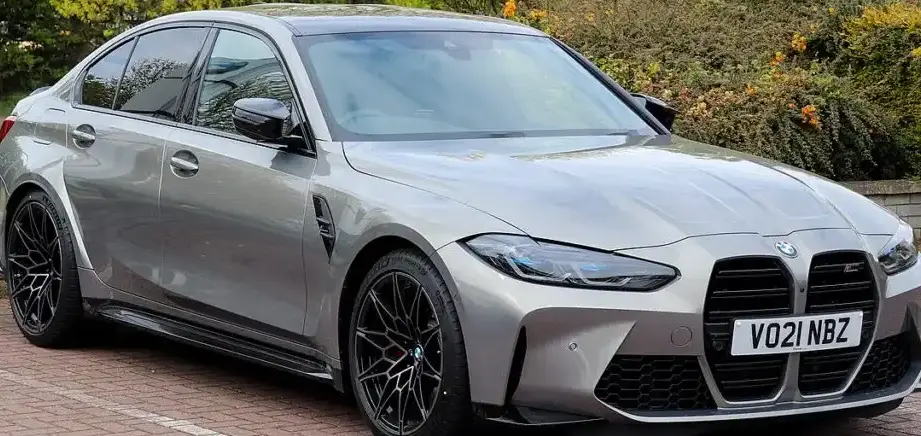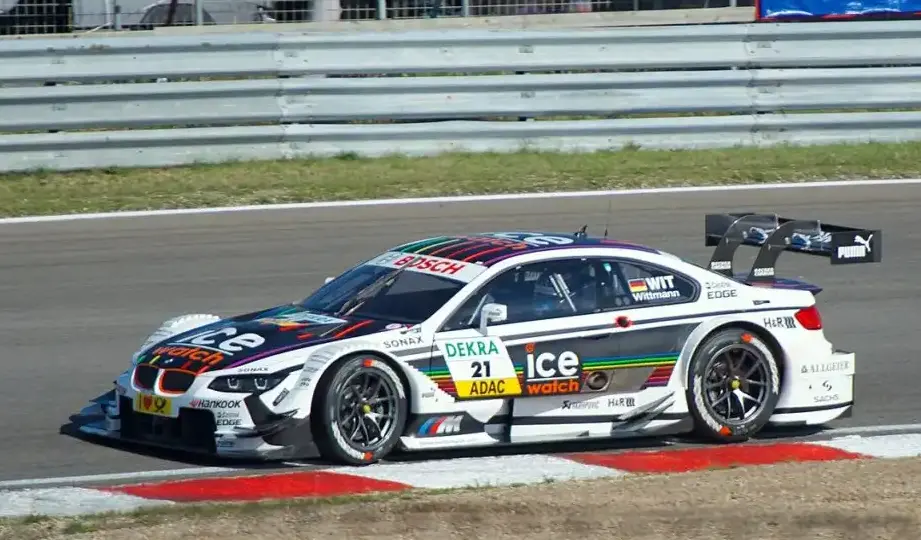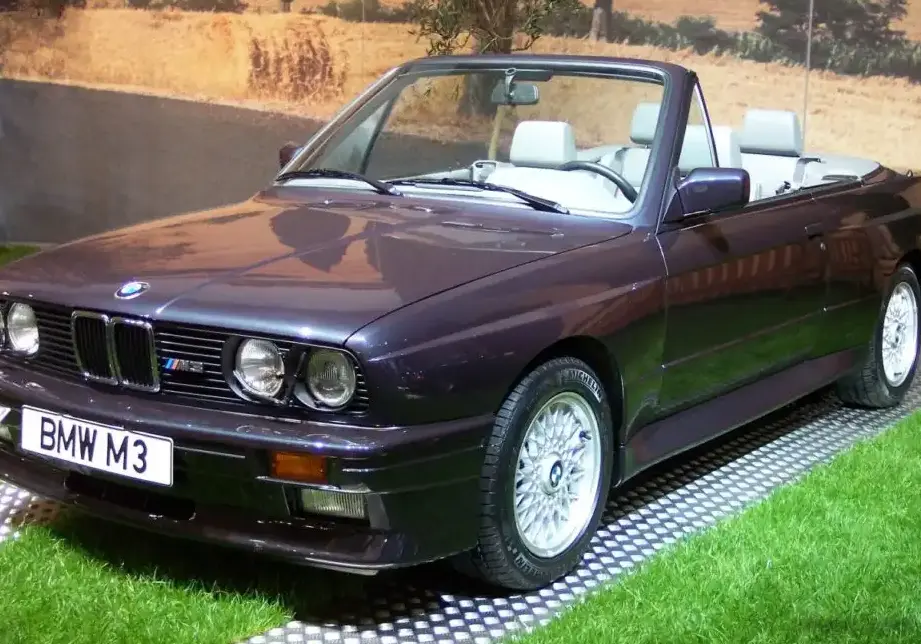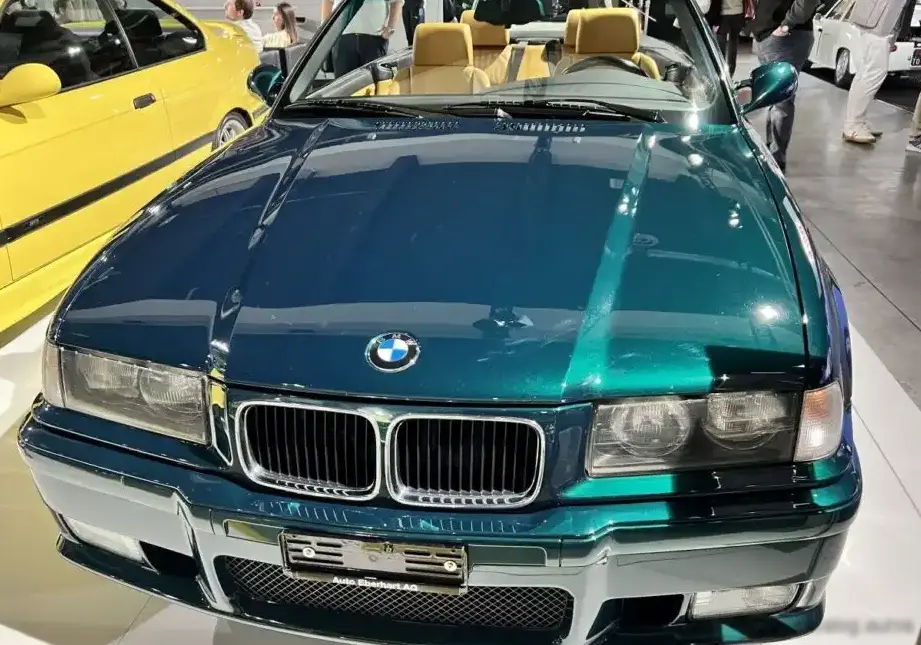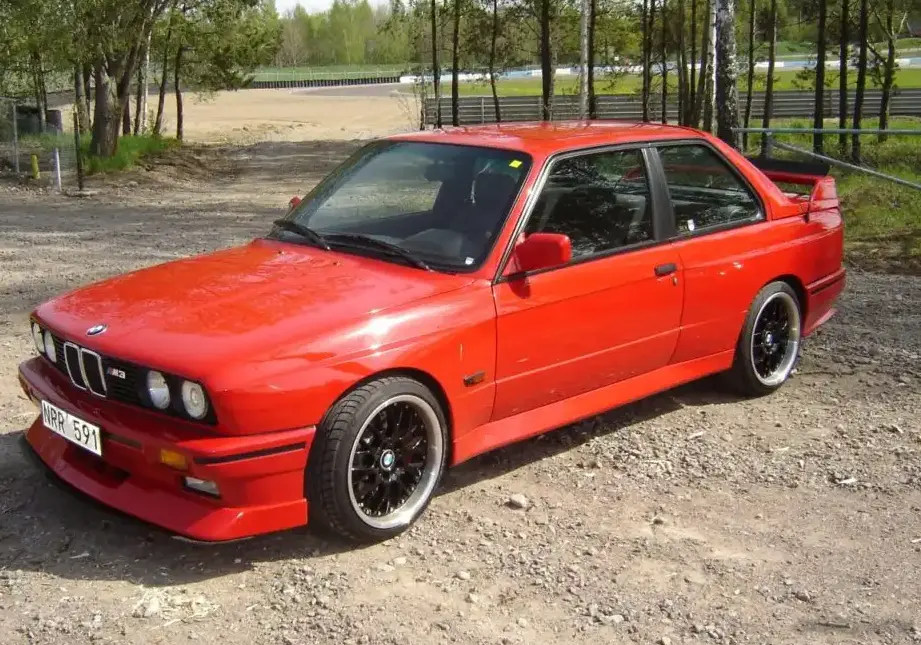
The BMW M3 Coupe (E30) 2.5 Sport Evolution, produced in a limited run during 1990, represents the pinnacle of the first-generation M3. Built as a homologation special for motorsport regulations, it was designed to improve upon the already successful M3 platform, specifically for Group A touring car racing. Only around 600 examples were ever produced, making it one of the rarest and most sought-after E30 M3 variants. The Sport Evolution sat at the very top of the E30 M3 range, offering increased performance and subtle visual enhancements over the standard M3 and earlier Evolution models.
Technical Specifications
| Brand | BMW |
| Model | M3 |
| Generation | M3 Coupe (E30) |
| Type (Engine) | 2.5 (238 Hp) Sport Evolution |
| Start of production | 1990 |
| End of production | 1990 |
| Powertrain Architecture | Internal Combustion engine |
| Body type | Coupe |
| Seats | 4 |
| Doors | 2 |
| Fuel consumption (economy) – urban | 12.5 l/100 km (18.8 US mpg) |
| Fuel consumption (economy) – extra urban | 7.8 l/100 km (30.2 US mpg) |
| Fuel consumption (economy) – combined | 8.8 l/100 km (26.7 US mpg) |
| Fuel Type | Petrol (Gasoline) |
| Acceleration 0 – 100 km/h | 6.5 sec |
| Acceleration 0 – 62 mph | 6.5 sec |
| Acceleration 0 – 60 mph | 6.2 sec |
| Maximum speed | 248 km/h (154.1 mph) |
| Weight-to-power ratio | 5 kg/Hp |
| Weight-to-torque ratio | 5 kg/Nm |
| Power | 238 Hp @ 7000 rpm |
| Power per litre | 96.5 Hp/l |
| Torque | 240 Nm @ 4750 rpm (177.01 lb.-ft. @ 4750 rpm) |
| Engine layout | Front, Longitudinal |
| Engine Model/Code | S14B25 |
| Engine displacement | 2467 cm3 (150.55 cu. in.) |
| Number of cylinders | 4 |
| Engine configuration | Inline |
| Cylinder Bore | 95 mm (3.74 in.) |
| Piston Stroke | 87 mm (3.43 in.) |
| Compression ratio | 10.2:1 |
| Number of valves per cylinder | 4 |
| Fuel injection system | Multi-port manifold injection |
| Engine aspiration | Naturally aspirated engine |
| Engine oil capacity | 4.4 l (4.65 US qt | 3.87 UK qt) |
| Kerb Weight | 1200 kg (2645.55 lbs.) |
| Max. weight | 1600 kg (3527.4 lbs.) |
| Max load | 400 kg (881.85 lbs.) |
| Trunk (boot) space – minimum | 420 l (14.83 cu. ft.) |
| Fuel tank capacity | 70 l (18.49 US gal | 15.4 UK gal) |
| Length | 4345 mm (171.06 in.) |
| Width | 1680 mm (66.14 in.) |
| Height | 1370 mm (53.94 in.) |
| Wheelbase | 2565 mm (100.98 in.) |
| Front track | 1424 mm (56.06 in.) |
| Rear (Back) track | 1445 mm (56.89 in.) |
| Drag coefficient (Cd) | 0.33 |
| Minimum turning circle | 11.1 m (36.42 ft.) |
| Drivetrain Architecture | Rear wheel drive |
| Number of gears and type of gearbox | 5 gears, manual transmission |
| Front brakes | Ventilated discs |
| Rear brakes | Disc |
| Assisting systems | ABS (Anti-lock braking system) |
| Steering type | Steering rack and pinion |
| Power steering | Hydraulic Steering |
| Tires size | 225/45 ZR16 |
| Wheel rims size | 16 |
INTRODUCTION
The E30 M3 Sport Evolution was the final iteration of the original M3, built to meet homologation requirements for the Deutsche Tourenwagen Meisterschaft (DTM) racing series. Compared to the standard E30 M3 and the earlier Evolution I model, the Sport Evolution featured a larger 2.5-liter engine, revised aerodynamics, and a host of subtle but significant mechanical upgrades. Its limited production run and enhanced performance have cemented its status as a collector’s item and a benchmark for sports coupes of its era. The car was only available in three colors: Macao Blue Metallic, Misano Red Metallic, and Polar Silver Metallic.
Powertrain & Engine Architecture
The heart of the Sport Evolution is the S14B25 engine, a 2.5-liter inline-four cylinder powerplant. This engine was derived from the earlier 2.3-liter S14 found in other E30 M3 models, but with a larger bore and stroke, increasing displacement to 2467cc. The engine featured a lightweight crankshaft, upgraded connecting rods, and higher compression pistons. Fuel delivery was handled by a Bosch Motronic fuel injection system, and the cylinder head was meticulously ported and polished to improve airflow. The S14B25 produced 238 horsepower at 7000 rpm and 240 Nm (177 lb-ft) of torque at 4750 rpm. The engine’s robust bottom end and improved breathing allowed it to rev freely and deliver a thrilling driving experience. The Sport Evolution exclusively came with a 5-speed manual transmission, known for its precise shifts and durable construction. The transmission featured a shorter final drive ratio compared to other E30 M3 models, further enhancing acceleration.
Driving Characteristics
The Sport Evolution’s driving experience is characterized by its responsive handling, potent acceleration, and engaging feel. The larger engine provides a noticeable increase in power over the 2.3-liter versions, resulting in quicker acceleration and a higher top speed. The shorter gearing contributes to a more immediate response, making the car feel lively and eager to rev. The suspension, featuring stiffer springs and dampers, provides excellent body control and minimizes roll during cornering. The rear-wheel-drive layout and limited-slip differential ensure excellent traction and allow for precise control. While not a modern sports car, the Sport Evolution offers a raw and visceral driving experience that is highly rewarding for enthusiasts.
Equipment & Trim Levels
As the top-of-the-line E30 M3, the Sport Evolution came standard with a comprehensive list of features. The interior was typically trimmed with sport seats upholstered in cloth or leather, depending on the buyer’s preference. Other standard features included power windows, central locking, and an upgraded sound system. Optional extras included a sunroof, air conditioning, and a more sophisticated audio system. The dashboard featured unique trim pieces and badging specific to the Sport Evolution model. The exterior was distinguished by subtle aerodynamic enhancements, including a revised front spoiler, rear wing, and side mirrors.
Chassis & Braking
The E30 M3 Sport Evolution retained the E30 chassis’s well-regarded suspension design, featuring MacPherson struts in the front and semi-trailing arms in the rear. However, the Sport Evolution received upgraded springs and dampers to improve handling and reduce body roll. The braking system consisted of ventilated discs at the front and solid discs at the rear, with ABS (Anti-lock Braking System) as standard equipment. The ABS system helped to maintain stability during hard braking and provided an added layer of safety. The car rode on 16-inch alloy wheels, typically fitted with 225/45 ZR16 tires.
Market Reception & Comparison
The Sport Evolution was widely praised by automotive journalists for its performance, handling, and exclusivity. Critics noted the significant improvement in power and responsiveness compared to earlier E30 M3 models. The car’s limited production run and motorsport pedigree further enhanced its appeal. Compared to the standard E30 M3, the Sport Evolution offered a more focused and engaging driving experience. Compared to the Evolution I model, the Sport Evolution provided a noticeable increase in power and improved aerodynamics. The car’s higher price tag reflected its enhanced performance and exclusivity.
Legacy
The BMW M3 E30 Sport Evolution remains a highly collectible and sought-after vehicle. Its limited production run and motorsport heritage have ensured its enduring appeal among enthusiasts. The S14B25 engine is renowned for its durability and tunability, making it a favorite among BMW performance specialists. Well-maintained examples of the Sport Evolution command high prices in the used car market, reflecting their rarity and historical significance. The car is widely regarded as a benchmark for sports coupes of its era and a testament to BMW’s engineering prowess.