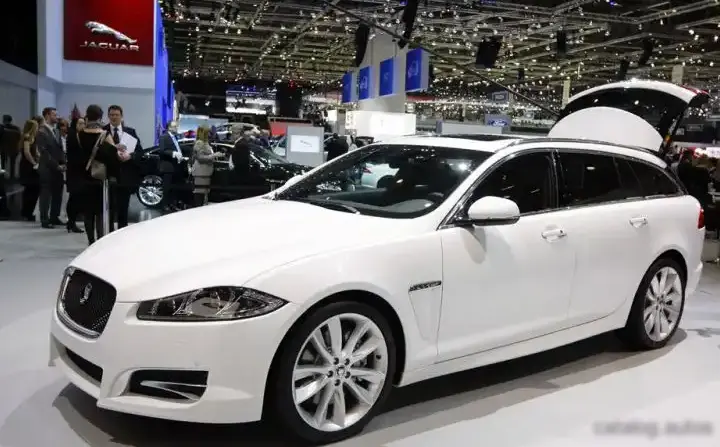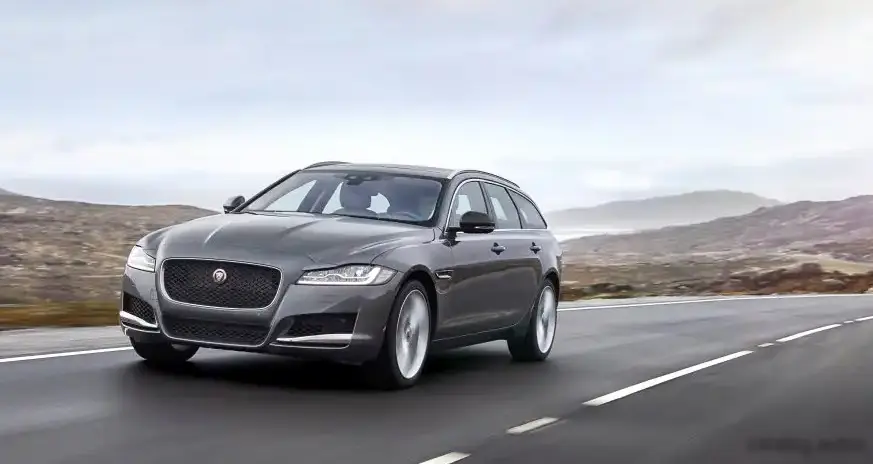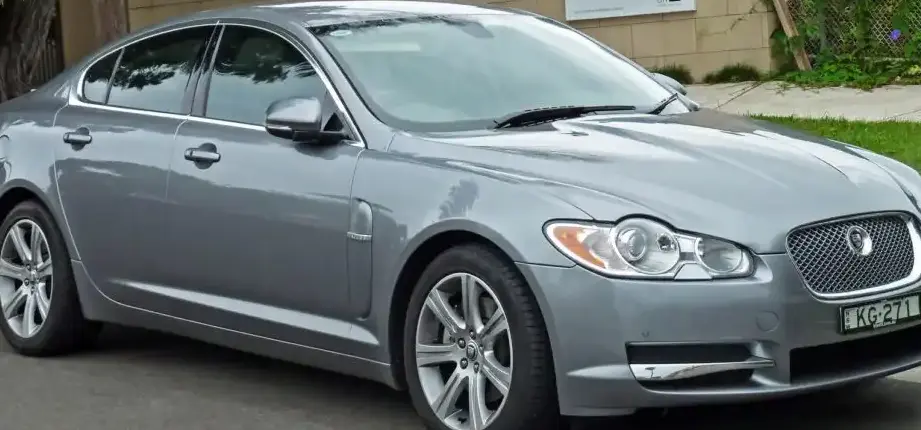
The Jaguar XF (X250) 4.2 V8 Automatic, produced from 2007 to 2009, represented a significant departure for Jaguar, moving the brand into a more contemporary and sporting direction. This variant, positioned as the flagship of the initial XF lineup, showcased Jaguar’s engineering prowess with a supercharged V8 engine paired with a six-speed automatic transmission. It was the first iteration of the XF, built on the X42 platform, and aimed to replace the aging S-Type while competing with established luxury sedans like the BMW 5 Series and Mercedes-Benz E-Class. The 4.2 V8 was the top-tier offering, providing a substantial performance advantage over the later introduced 3.0-liter and 2.7-liter models.
Technical Specifications
| Brand | Jaguar |
| Model | XF |
| Generation | XF (X250) |
| Type (Engine) | 4.2 V8 (416 Hp) Automatic |
| Start of production | 2007 |
| End of production | 2009 |
| Powertrain Architecture | Internal Combustion engine |
| Body type | Sedan |
| Seats | 5 |
| Doors | 4 |
| Fuel consumption (economy) – urban | 18.7 l/100 km (12.6 US mpg, 15.1 UK mpg, 5.3 km/l) |
| Fuel consumption (economy) – extra urban | 9.1 l/100 km (25.8 US mpg, 31 UK mpg, 11 km/l) |
| Fuel consumption (economy) – combined | 12.6 l/100 km (18.7 US mpg, 22.4 UK mpg, 7.9 km/l) |
| Fuel Type | Petrol (Gasoline) |
| Acceleration 0 – 100 km/h | 5.4 sec |
| Acceleration 0 – 62 mph | 5.4 sec |
| Acceleration 0 – 60 mph | 5.1 sec |
| Maximum speed | 250 km/h (155.34 mph) |
| Emission standard | Euro 4 |
| Weight-to-power ratio | 4.4 kg/Hp, 225.8 Hp/tonne |
| Weight-to-torque ratio | 3.3 kg/Nm, 304 Nm/tonne |
| Power | 416 Hp @ 6250 rpm |
| Power per litre | 99.1 Hp/l |
| Torque | 560 Nm @ 3500 rpm (413.03 lb.-ft. @ 3500 rpm) |
| Engine layout | Front, Longitudinal |
| Engine Model/Code | SV8TS |
| Engine displacement | 4196 cm3 (256.06 cu. in.) |
| Number of cylinders | 8 |
| Engine configuration | V-engine |
| Cylinder Bore | 86 mm (3.39 in.) |
| Piston Stroke | 90.3 mm (3.56 in.) |
| Compression ratio | 9.1:1 |
| Number of valves per cylinder | 4 |
| Fuel injection system | Multi-port manifold injection |
| Engine aspiration | Supercharger, Intercooler |
| Engine oil capacity | 6 l (6.34 US qt | 5.28 UK qt) |
| Coolant | 12.5 l (13.21 US qt | 11 UK qt) |
| Kerb Weight | 1842 kg (4060.91 lbs.) |
| Max. weight | 2330 kg (5136.77 lbs.) |
| Max load | 488 kg (1075.86 lbs.) |
| Trunk (boot) space – minimum | 540 l (19.07 cu. ft.) |
| Fuel tank capacity | 70 l (18.49 US gal | 15.4 UK gal) |
| Length | 4961 mm (195.31 in.) |
| Width | 1877 mm (73.9 in.) |
| Height | 1460 mm (57.48 in.) |
| Wheelbase | 2909 mm (114.53 in.) |
| Front track | 1559 mm (61.38 in.) |
| Rear (Back) track | 1571 mm (61.85 in.) |
| Drivetrain Architecture | The Internal combustion engine (ICE) drives the rear wheels of the vehicle. |
| Drive wheel | Rear wheel drive |
| Number of gears and type of gearbox | 6 gears, automatic transmission |
INTRODUCTION
The Jaguar XF 4.2 V8 Automatic, launched in 2007, marked a pivotal moment for the British marque. It was the first model of the X250 generation, designed to replace the S-Type and compete directly with German luxury sedans. The XF’s design, penned by Ian Callum, was a radical departure from Jaguar’s traditionally conservative styling, embracing a more dynamic and modern aesthetic. The 4.2-liter supercharged V8 engine, coupled with a six-speed automatic transmission, was the range-topping configuration, offering a blend of performance and luxury. This variant aimed to attract buyers seeking a sophisticated and powerful alternative to the established players in the executive car segment.
Powertrain & Engine Architecture
At the heart of the XF 4.2 V8 lies the AJ34S engine, a 4.2-liter naturally aspirated V8 engine enhanced with a Roots-type supercharger and an intercooler. This engine, designated SV8TS, produces 416 horsepower at 6250 rpm and 560 Nm (413 lb-ft) of torque at 3500 rpm. The engine utilizes multi-port fuel injection and features four valves per cylinder. The supercharger provides instant throttle response and a broad torque curve, contributing to the car’s impressive acceleration. The six-speed automatic transmission, sourced from ZF, is designed to handle the engine’s substantial power output. It features a ‘J-Gate’ selector, a unique Jaguar design that allows for both automatic and manual gear selection. The transmission is tuned for smooth shifts and responsive performance, complementing the engine’s characteristics.
Driving Characteristics
The XF 4.2 V8 Automatic delivers a distinctly sporting driving experience. The supercharged V8 provides effortless acceleration, with 0-60 mph achievable in around 5.1 seconds. The automatic transmission offers smooth and quick gear changes, although it can sometimes feel slightly hesitant in lower gears. The rear-wheel-drive configuration contributes to a balanced chassis and engaging handling. Compared to the later 3.0-liter and 2.7-liter models, the 4.2 V8 offers significantly more power and torque, resulting in a more exhilarating driving experience. However, the increased weight of the V8 engine does slightly impact agility compared to the lighter-weight variants. The suspension is tuned for comfort, providing a refined ride quality, but it also offers sufficient control in corners.
Equipment & Trim Levels
The XF 4.2 V8 Automatic came generously equipped as standard. Key features included leather upholstery, wood veneer trim, a premium sound system, automatic climate control, and parking sensors. Optional extras included a panoramic sunroof, upgraded leather options, and a rear seat entertainment system. The interior design was a significant departure from previous Jaguars, featuring a more modern and driver-focused layout. The ‘J-Gate’ gear selector and rotary gear selector (introduced later in the production run) were distinctive features of the XF interior. The dashboard layout was clean and uncluttered, with a focus on usability and ergonomics.
Chassis & Braking
The XF 4.2 V8 utilizes a sophisticated chassis design, featuring independent suspension all around. The front suspension employs double wishbones, while the rear suspension utilizes a multi-link setup. This configuration provides a good balance between ride comfort and handling precision. The braking system consists of ventilated disc brakes on all four wheels, with ABS (Anti-lock Braking System) as standard. The XF 4.2 V8 typically came equipped with larger brake rotors and calipers compared to the lower-spec models, providing enhanced stopping power. The steering is power-assisted and offers a precise and responsive feel.
Market Reception & Comparison
The Jaguar XF 4.2 V8 Automatic was generally well-received by automotive critics. It was praised for its stylish design, powerful engine, and refined driving experience. However, some critics noted the relatively high fuel consumption and the complexity of the infotainment system. Compared to its rivals, the XF 4.2 V8 offered a unique blend of British luxury and sporting performance. The BMW 5 Series was often cited as a benchmark in terms of handling, while the Mercedes-Benz E-Class was praised for its comfort and technology. The XF 4.2 V8 positioned itself as a compelling alternative, offering a distinctive character and a more emotional driving experience.
Legacy
The Jaguar XF 4.2 V8 Automatic remains a desirable used car today, particularly among enthusiasts who appreciate its powerful engine and classic Jaguar styling. The AJ34S engine is generally considered to be reliable, although regular maintenance is essential. Common issues include oil leaks and occasional problems with the supercharger. The six-speed automatic transmission is also generally reliable, but it may require servicing at higher mileages. The XF 4.2 V8 represents a significant chapter in Jaguar’s history, marking a successful transition into a more modern and competitive era. Its combination of performance, luxury, and distinctive design continues to appeal to buyers seeking a unique and rewarding driving experience.