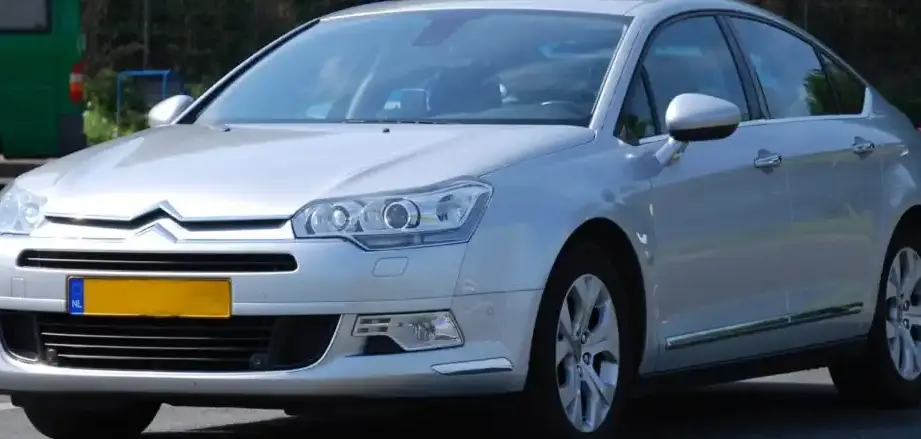
The Citroën C5 II, specifically the 1.6 THP (156 hp) automatic variant produced between 2010 and 2012, represents a compelling blend of comfort, technology, and efficiency within the mid-size sedan segment. Positioned as a mid-range offering in the C5 II lineup (which spanned from 2008-2017, undergoing a facelift in 2012), this version aimed to appeal to buyers seeking a refined driving experience without the higher price tag of the flagship models. It was primarily marketed in Europe, where Citroën held a strong presence, offering a sophisticated alternative to mainstream competitors like the Ford Mondeo and Volkswagen Passat. This model falls within the Phase I generation of the C5 II, identifiable by its distinct front-end styling.
Technical Specifications
| Brand | Citroen |
| Model | C5 |
| Generation | C5 II (Phase I, 2008) |
| Type (Engine) | 1.6 THP (156 Hp) Automatic |
| Start of production | 2010 |
| End of production | 2012 |
| Powertrain Architecture | Internal Combustion engine |
| Body type | Sedan |
| Seats | 5 |
| Doors | 4 |
| Fuel consumption (urban) | 10.5 l/100 km (22.4 US mpg, 26.9 UK mpg, 9.5 km/l) |
| Fuel consumption (extra urban) | 5.6 l/100 km (42 US mpg, 50.4 UK mpg, 17.9 km/l) |
| Fuel consumption (combined) | 7.3 l/100 km (32.2 US mpg, 38.7 UK mpg, 13.7 km/l) |
| CO2 emissions | 169 g/km |
| Fuel Type | Petrol (Gasoline) |
| Acceleration 0 – 100 km/h | 8.6 sec |
| Acceleration 0 – 62 mph | 8.6 sec |
| Acceleration 0 – 60 mph | 8.2 sec |
| Maximum speed | 210 km/h (130.49 mph) |
| Emission standard | Euro 5 |
| Weight-to-power ratio | 9.7 kg/Hp, 103 Hp/tonne |
| Weight-to-torque ratio | 6.3 kg/Nm, 158.4 Nm/tonne |
| Power | 156 Hp @ 6000 rpm |
| Power per litre | 97.6 Hp/l |
| Torque | 240 Nm @ 1400 rpm (177.01 lb.-ft. @ 1400 rpm) |
| Engine layout | Front, Transverse |
| Engine Model/Code | 5FV EP6DT |
| Engine displacement | 1598 cm3 (97.52 cu. in.) |
| Number of cylinders | 4 |
| Engine configuration | Inline |
| Cylinder Bore | 77 mm (3.03 in.) |
| Piston Stroke | 85.8 mm (3.38 in.) |
| Compression ratio | 10.5:1 |
| Number of valves per cylinder | 4 |
| Fuel injection system | Direct injection |
| Engine aspiration | Turbocharger, Intercooler |
| Valvetrain | DOHC |
| Engine oil capacity | 4.25 l (4.49 US qt | 3.74 UK qt) |
| Kerb Weight | 1515 kg (3340 lbs.) |
| Max. weight | 2026 kg (4466.57 lbs.) |
| Max load | 511 kg (1126.56 lbs.) |
| Trunk (boot) space – minimum | 439 l (15.5 cu. ft.) |
| Fuel tank capacity | 71 l (18.76 US gal | 15.62 UK gal) |
| Max. roof load | 80 kg (176.37 lbs.) |
| Permitted trailer load with brakes (12%) | 1500 kg (3306.93 lbs.) |
| Permitted trailer load without brakes | 750 kg (1653.47 lbs.) |
| Permitted towbar download | 69 kg (152.12 lbs.) |
| Length | 4779 mm (188.15 in.) |
| Width | 1860 mm (73.23 in.) |
| Width including mirrors | 2096 mm (82.52 in.) |
| Height | 1451-1458 mm (57.13 – 57.4 in.) |
| Wheelbase | 2815 mm (110.83 in.) |
| Front track | 1586 mm (62.44 in.) |
| Rear (Back) track | 1557 mm (61.3 in.) |
| Front overhang | 1054 mm (41.5 in.) |
| Rear overhang | 910 mm (35.83 in.) |
| Minimum turning circle (turning diameter) | 11.7 m (38.39 ft.) |
| Drivetrain Architecture | The Internal combustion engine (ICE) drives the front wheels of the vehicle. |
| Drive wheel | Front wheel drive |
| Number of gears and type of gearbox | 6 gears, automatic transmission |
| Front suspension | Double wishbone |
| Rear suspension | Independent multi-link suspension |
| Front brakes | Ventilated discs |
| Rear brakes | Disc |
| Assisting systems | ABS (Anti-lock braking system) |
| Steering type | Steering rack and pinion |
| Power steering | Hydraulic Steering |
| Tires size | 225/60 R16 |
| Wheel rims size | 16 |
Powertrain & Engine Architecture
At the heart of this C5 variant lies the 5FV EP6DT, a 1.6-liter turbocharged inline-four cylinder gasoline engine. This engine is part of the Prince engine family, a collaborative development between PSA Peugeot Citroën and BMW. The “THP” designation stands for “Turbo High Pressure,” indicating the use of direct fuel injection and a turbocharger. The direct injection system, operating at pressures up to 120 bar, ensures precise fuel delivery for improved combustion efficiency and reduced emissions. The engine utilizes a dual overhead camshaft (DOHC) valvetrain with four valves per cylinder, optimizing gas flow for enhanced performance. The turbocharger, coupled with an intercooler, boosts power output while mitigating turbo lag. The engine is mated to a six-speed automatic transmission, designed for smooth shifting and optimized fuel economy. This transmission isn’t known for particularly sporty shifts, prioritizing comfort and ease of use.
Driving Characteristics
The 156 hp and 240 Nm (177 lb-ft) of torque provided by the 1.6 THP engine deliver adequate performance for everyday driving. Acceleration from 0-60 mph takes around 8.2 seconds, and the car feels reasonably responsive in most situations. However, compared to higher-output versions of the C5 II, such as those equipped with the 2.0-liter HDi diesel engine, this variant feels less powerful, particularly during overtaking maneuvers. The automatic transmission, while smooth, can sometimes feel hesitant, especially when downshifting. The gear ratios are tuned for fuel efficiency rather than outright performance. The engine’s peak torque is available from a relatively low 1400 rpm, providing good drivability around town, but the engine can feel strained at higher speeds or when carrying a full load.
Equipment & Trim Levels
The 1.6 THP Automatic trim typically included standard features such as air conditioning, power windows, power mirrors, a CD stereo system, and alloy wheels. Safety features included ABS, electronic brakeforce distribution, and front airbags. Higher trim levels offered options like leather upholstery, a sunroof, parking sensors, and a more advanced infotainment system. The interior generally featured a comfortable and well-appointed cabin, typical of Citroën’s focus on passenger comfort. Dashboard design was functional and user-friendly, though materials weren’t always of the highest quality.
Chassis & Braking
The C5 II utilized a comfortable and compliant suspension setup. The front suspension employed a double wishbone design, while the rear featured an independent multi-link system. This configuration provided a good balance between ride comfort and handling. The 1.6 THP Automatic variant typically came equipped with ventilated disc brakes at the front and solid disc brakes at the rear. Hydraulic power steering provided light and easy steering feel. Stabilizer bars were fitted to both the front and rear axles to reduce body roll during cornering.
Market Reception & Comparison
The Citroën C5 II 1.6 THP Automatic received generally positive reviews, with critics praising its comfortable ride, refined interior, and fuel efficiency. However, some reviewers noted the engine’s lack of outright power compared to competitors and the sometimes-sluggish performance of the automatic transmission. Compared to the 2.0-liter HDi diesel variants, the 1.6 THP offered lower running costs in terms of fuel, but potentially higher maintenance costs due to the complexity of the turbocharger and direct injection system. The diesel models also provided significantly more torque and better fuel economy.
Legacy
The 1.6 THP engine, while generally reliable, has been known to exhibit issues with carbon buildup on the intake valves, particularly if the engine is frequently used for short journeys. Regular servicing and the use of quality fuel are essential to mitigate this risk. The automatic transmission, while durable, may require servicing at higher mileages. Today, the C5 II 1.6 THP Automatic represents a relatively affordable and comfortable used car option. Its blend of features and fuel efficiency continues to appeal to buyers seeking a practical and refined mid-size sedan. However, potential buyers should be aware of the potential maintenance issues associated with the engine and transmission and ensure a thorough inspection before purchase.