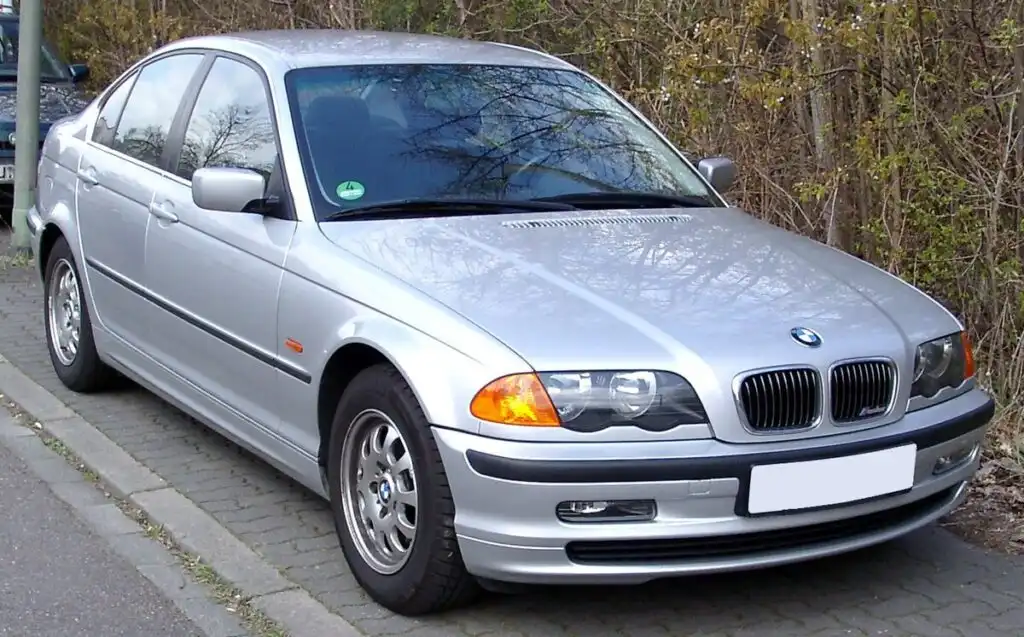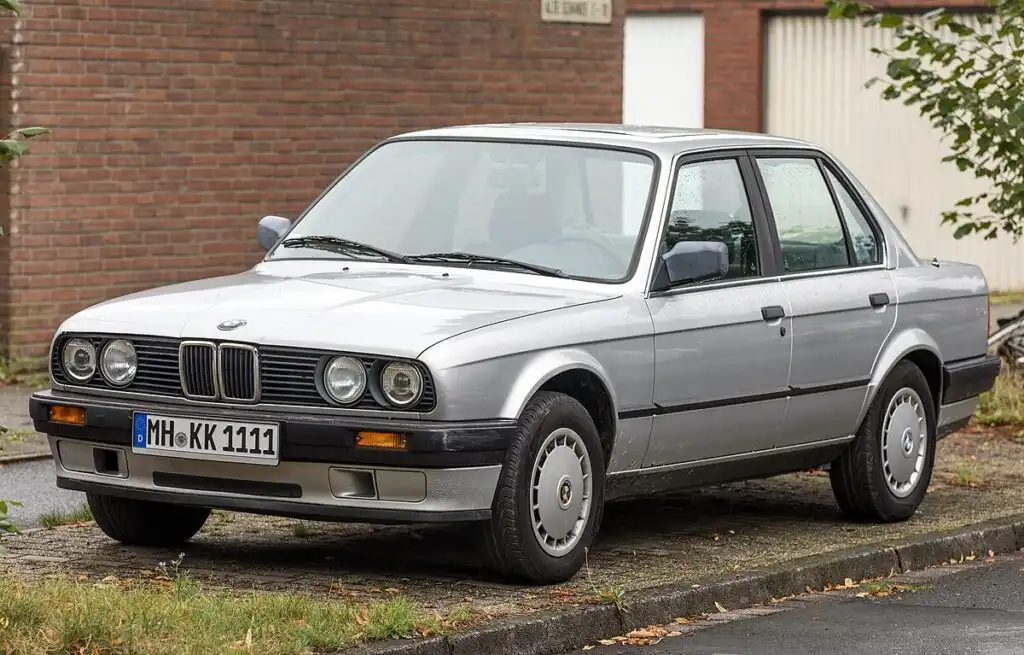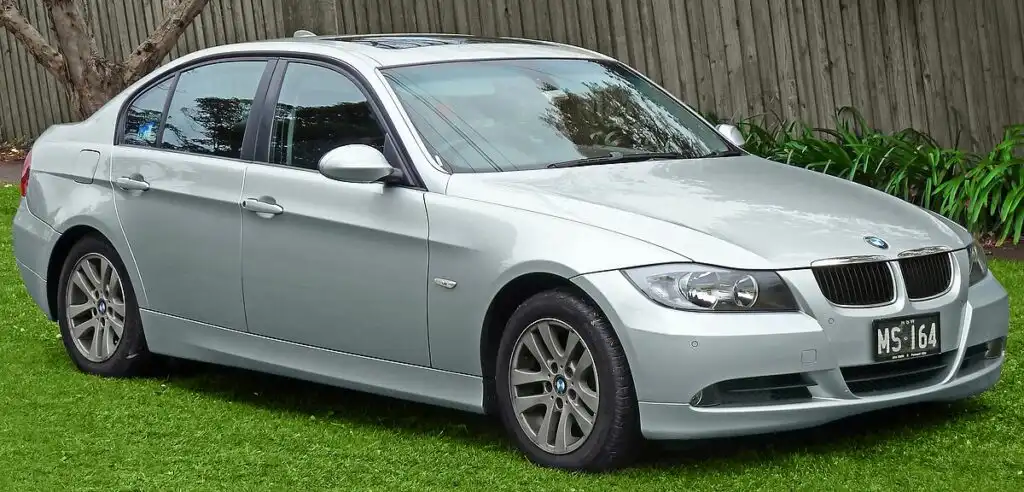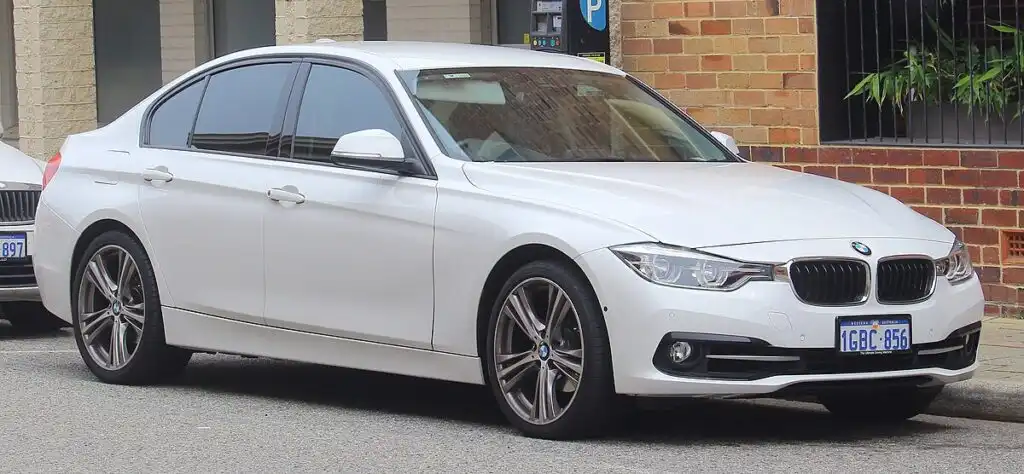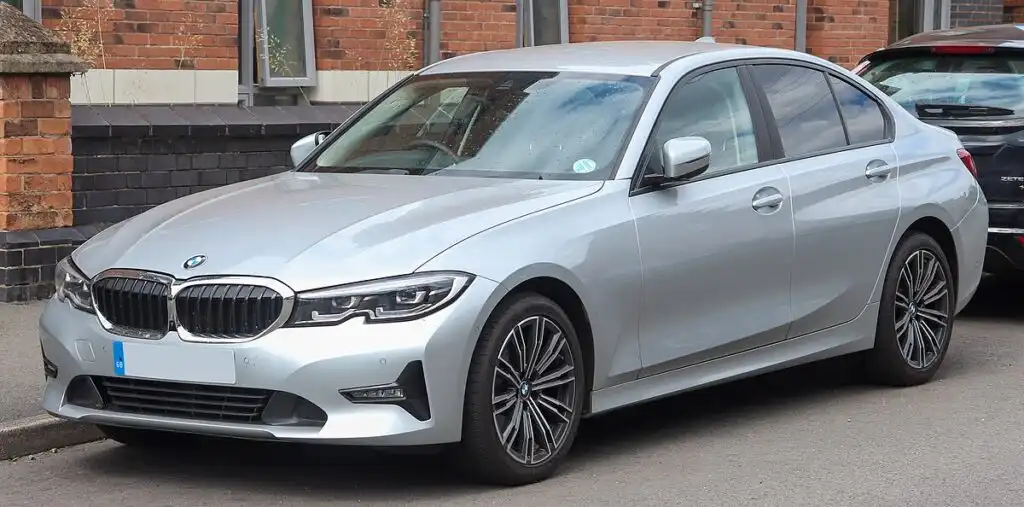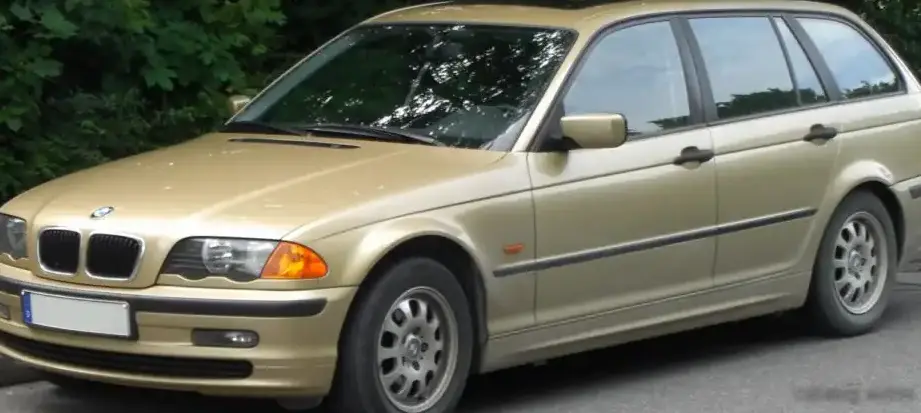
The BMW 3 Series Touring (E46) 330xd, produced from 2000 to 2001, represented BMW’s entry into the diesel-powered wagon market within the popular E46 generation. This variant combined the practicality of the Touring body style with the efficiency and torque of a six-cylinder diesel engine, coupled with an all-wheel-drive system (xDrive in modern BMW terminology). It was positioned as a premium offering, appealing to buyers seeking a versatile vehicle capable of long-distance travel and light utility work. The 330xd was a relatively short-lived model, superseded by later iterations of the E46 and subsequent 3 Series generations, but it remains a notable example of BMW’s early foray into diesel Touring models.
Technical Specifications
| Brand | BMW |
| Model | 3 Series |
| Generation | 3 Series Touring (E46) |
| Type (Engine) | 330xd (184 Hp) |
| Start of production | 2000 |
| End of production | 2001 |
| Powertrain Architecture | Internal Combustion engine |
| Body type | Station wagon (estate) |
| Seats | 5 |
| Doors | 5 |
| Fuel consumption (urban) | 10.3 l/100 km (22.8 US mpg) |
| Fuel consumption (extra urban) | 6.3 l/100 km (37.3 US mpg) |
| Fuel consumption (combined) | 7.8 l/100 km (30.2 US mpg) |
| Fuel Type | Diesel |
| Acceleration 0 – 100 km/h | 8.7 sec |
| Acceleration 0 – 62 mph | 8.7 sec |
| Acceleration 0 – 60 mph | 8.3 sec |
| Maximum speed | 221 km/h (137.32 mph) |
| Weight-to-power ratio | 8.8 kg/Hp |
| Weight-to-torque ratio | 4.1 kg/Nm |
| Power | 184 Hp @ 4000 rpm |
| Torque | 390 Nm @ 1750 rpm (287.65 lb.-ft. @ 1750 rpm) |
| Engine layout | Front, Longitudinal |
| Engine Model/Code | M57D30 |
| Engine displacement | 2926 cm3 (178.56 cu. in.) |
| Number of cylinders | 6 |
| Engine configuration | Inline |
| Cylinder Bore | 84 mm (3.31 in.) |
| Piston Stroke | 88 mm (3.46 in.) |
| Compression ratio | 18:1 |
| Number of valves per cylinder | 4 |
| Fuel injection system | Diesel Commonrail |
| Engine aspiration | Turbocharger, Intercooler |
| Engine oil capacity | 6.5 l (6.87 US qt | 5.72 UK qt) |
| Coolant capacity | 10.2 l (10.78 US qt | 8.97 UK qt) |
| Kerb Weight | 1615 kg (3560.47 lbs.) |
| Max. weight | 2155 kg (4750.96 lbs.) |
| Max load | 540 kg (1190.5 lbs.) |
| Trunk (boot) space – minimum | 435 l (15.36 cu. ft.) |
| Trunk (boot) space – maximum | 1345 l (47.5 cu. ft.) |
| Fuel tank capacity | 63 l (16.64 US gal | 13.86 UK gal) |
| Length | 4480 mm (176.38 in.) |
| Width | 1740 mm (68.5 in.) |
| Height | 1410 mm (55.51 in.) |
| Wheelbase | 2725 mm (107.28 in.) |
| Front track | 1470 mm (57.87 in.) |
| Rear track | 1485 mm (58.46 in.) |
| Drive wheel | All wheel drive (4×4) |
| Number of gears | 5 |
| Gearbox type | Manual transmission |
| Front suspension | Wishbone |
| Rear suspension | Coil spring |
| Front brakes | Ventilated discs |
| Rear brakes | Disc |
| Assisting systems | ABS (Anti-lock braking system) |
| Steering type | Steering rack and pinion |
| Power steering | Hydraulic Steering |
| Tires size | 225/45 R17 |
| Wheel rims size | 17 |
Introduction
The E46 3 Series Touring, launched in 1999, brought the practicality of a station wagon to BMW’s popular 3 Series lineup. The 330xd, introduced in 2000, was a key variant, offering a diesel engine option for the first time in the E46 Touring. Built on the 1HX0 platform, it aimed to provide a blend of performance, economy, and versatility. The “xd” designation signified BMW’s xDrive all-wheel-drive system, enhancing traction and stability, particularly in adverse weather conditions. Production of this specific model was limited to the 2000 and 2001 model years, making it a relatively rare find today.
Powertrain & Engine Architecture
The heart of the 330xd is the M57D30, a 2.9-liter inline-six diesel engine. This engine was a significant step forward for BMW, utilizing common rail direct injection technology to deliver improved fuel efficiency and reduced emissions compared to earlier diesel offerings. The M57D30 produced 184 horsepower at 4000 rpm and a substantial 390 Nm (287.65 lb-ft) of torque at just 1750 rpm. This torque output, available from low engine speeds, provided strong acceleration and effortless cruising. The engine featured a single turbocharger with an intercooler to enhance performance. The 330xd was exclusively offered with a 5-speed manual transmission, designed to handle the engine’s torque output and provide a direct driving experience. The engine’s longitudinal mounting and rear-wheel-drive bias (with power distributed to the front wheels as needed by the xDrive system) contributed to balanced handling.
Driving Characteristics
The 330xd offered a distinctly different driving experience compared to its gasoline-powered siblings. While lacking the outright acceleration of the 330i, the 330xd excelled in providing strong, usable power across a wide rev range. The high torque output meant that overtaking maneuvers were executed with ease, and the car felt relaxed even when fully loaded. The 5-speed manual transmission provided precise gear changes, and the xDrive system ensured excellent traction in all conditions. Compared to the 320d Touring, the 330xd offered a noticeable performance upgrade, while remaining more economical than the 330i. The suspension, tuned for comfort and stability, provided a compliant ride without sacrificing handling precision.
Equipment & Trim Levels
The 330xd was generally well-equipped, reflecting its position as a premium model. Standard features typically included automatic climate control, power windows and mirrors, a multi-function steering wheel, and an upgraded audio system. Interior upholstery was typically cloth or leatherette, with leather being an optional extra. Optional extras included sunroof, navigation system, heated seats, and upgraded alloy wheels. The dashboard layout was typical of the E46, with a driver-focused design and intuitive controls. Trim levels were relatively standardized, with options primarily focused on individual features rather than distinct packages.
Chassis & Braking
The E46 Touring chassis was renowned for its balanced handling and rigidity. The 330xd benefited from a reinforced chassis to accommodate the all-wheel-drive system. Suspension consisted of independent wishbones at the front and a multi-link coil spring setup at the rear. Braking was handled by ventilated discs at the front and solid discs at the rear, with ABS (Anti-lock Braking System) as standard. The xDrive system intelligently distributed torque between the front and rear axles, optimizing traction and stability. Steering was via a hydraulic rack and pinion system, providing precise and responsive control.
Market Reception & Comparison
The 330xd was generally well-received by automotive critics, who praised its blend of performance, economy, and practicality. It was seen as a compelling alternative to traditional gasoline-powered wagons, particularly for drivers who covered long distances. Compared to the 320d Touring, the 330xd offered a significant power upgrade, justifying its higher price tag. Fuel economy was a key selling point, with the 330xd achieving around 30.2 US mpg in combined driving. Reliability was generally good, although diesel engines can be more susceptible to issues related to fuel quality and maintenance.
Legacy
The BMW E46 330xd represents an important milestone in BMW’s diesel Touring history. While not a high-volume model, it demonstrated the potential of combining diesel power with the practicality of a wagon and the performance of the 3 Series. Today, the 330xd is a sought-after vehicle among enthusiasts, particularly those looking for a unique and versatile classic BMW. The M57D30 engine is known for its durability and longevity, provided it has been properly maintained. Well-maintained examples command a premium in the used car market, reflecting their rarity and appeal.