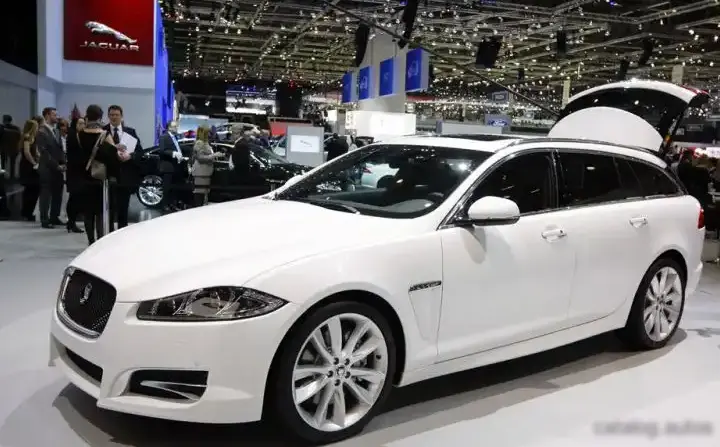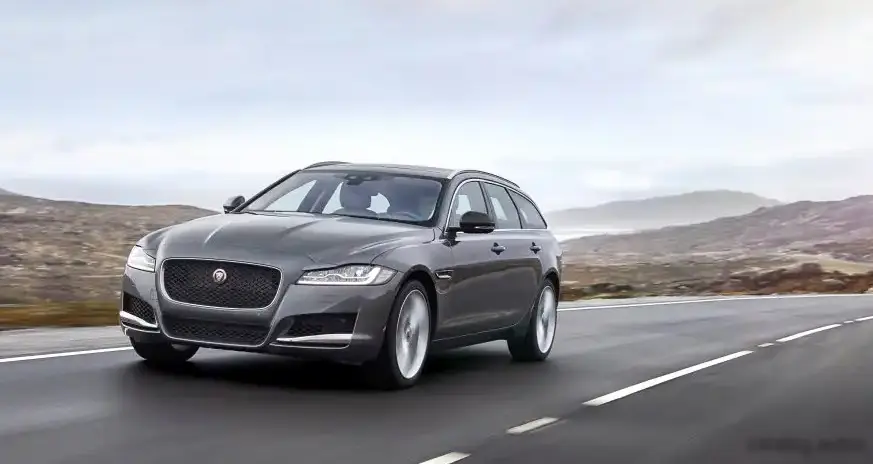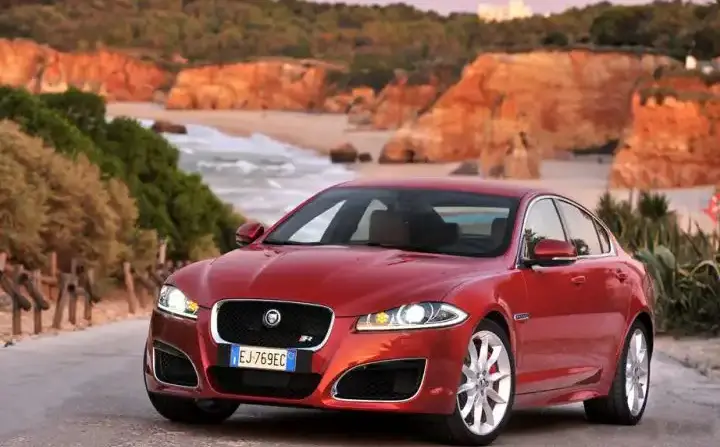
The Jaguar XF (X250) facelift, produced from 2011 to 2015, represented a significant mid-cycle refresh of Jaguar’s entry-level luxury sedan. The 3.0 V6 variant, generating 238 horsepower and paired with a six-speed automatic transmission, occupied a sweet spot in the XF lineup, offering a balance of performance, refinement, and features. This model aimed to broaden the XF’s appeal, attracting buyers who desired a more potent engine than the four-cylinder options but didn’t require the outright performance of the supercharged variants. It was positioned as a premium offering, bridging the gap between the base models and the high-performance XFR.
Technical Specifications
| Brand | Jaguar |
| Model | XF |
| Generation | XF (X250, facelift 2011) |
| Type (Engine) | 3.0 V6 (238 Hp) Automatic |
| Start of production | 2011 |
| End of production | 2015 |
| Powertrain Architecture | Internal Combustion engine |
| Body type | Sedan |
| Seats | 5 |
| Doors | 4 |
| Fuel consumption (urban) | 15.8 l/100 km (14.9 US mpg, 17.9 UK mpg, 6.3 km/l) |
| Fuel consumption (extra urban) | 7.5 l/100 km (31.4 US mpg, 37.7 UK mpg, 13.3 km/l) |
| Fuel consumption (combined) | 10.5 l/100 km (22.4 US mpg, 26.9 UK mpg, 9.5 km/l) |
| Fuel Type | Petrol (Gasoline) |
| Acceleration 0 – 100 km/h | 8.3 sec |
| Acceleration 0 – 62 mph | 8.3 sec |
| Acceleration 0 – 60 mph | 7.9 sec |
| Maximum speed | 237 km/h (147.26 mph) |
| Weight-to-power ratio | 7.1 kg/Hp, 140.8 Hp/tonne |
| Power | 238 Hp @ 6800 rpm |
| Power per litre | 80.2 Hp/l |
| Engine layout | Front, Longitudinal |
| Engine Model/Code | AJ6WG |
| Engine displacement | 2967 cm3 (181.06 cu. in.) |
| Number of cylinders | 6 |
| Engine configuration | V-engine |
| Cylinder Bore | 89 mm (3.5 in.) |
| Piston Stroke | 79.5 mm (3.13 in.) |
| Compression ratio | 10.5:1 |
| Number of valves per cylinder | 4 |
| Fuel injection system | Multi-port manifold injection |
| Engine aspiration | Naturally aspirated engine |
| Engine oil capacity | 7.25 l (7.66 US qt, 6.38 UK qt) |
| Coolant capacity | 9.25 l (9.77 US qt, 8.14 UK qt) |
| Kerb Weight | 1690 kg (3725.81 lbs.) |
| Max. weight | 2215 kg (4883.24 lbs.) |
| Max load | 525 kg (1157.43 lbs.) |
| Trunk (boot) space – minimum | 540 l (19.07 cu. ft.) |
| Trunk (boot) space – maximum | 963 l (34.01 cu. ft.) |
| Fuel tank capacity | 64 l (16.91 US gal, 14.08 UK gal) |
| Length | 4961 mm (195.31 in.) |
| Width | 1939 mm (76.34 in.) |
| Width including mirrors | 2077 mm (81.77 in.) |
| Height | 1460 mm (57.48 in.) |
| Wheelbase | 2909 mm (114.53 in.) |
| Front track | 1559 mm (61.38 in.) |
| Rear (Back) track | 1605 mm (63.19 in.) |
| Minimum turning circle | 11.48 m (37.66 ft.) |
| Drivetrain Architecture | Rear wheel drive |
| Number of gears | 6 |
| Gearbox type | Automatic transmission |
| Front brakes | Disc |
| Rear brakes | Ventilated discs |
| Assisting systems | ABS (Anti-lock braking system) |
| Steering type | Steering rack and pinion |
| Power steering | Electric |
INTRODUCTION
The 2011-2015 Jaguar XF facelift, featuring the 3.0-liter V6 engine paired with a six-speed automatic transmission, was a crucial model for Jaguar. Building upon the success of the original XF (X250) launched in 2008, the facelift brought updated styling, improved technology, and refined powertrain options. This particular configuration aimed to deliver a compelling blend of luxury, performance, and efficiency, appealing to a broader range of buyers in the mid-size executive sedan segment. The XF competed directly with vehicles like the BMW 5 Series, Mercedes-Benz E-Class, and Audi A6, offering a distinctive British alternative.
Powertrain & Engine Architecture
At the heart of this XF variant lies the AJ6WG 3.0-liter naturally aspirated V6 engine. This engine, a cornerstone of Jaguar’s powertrain lineup for many years, is characterized by its smooth operation and responsive power delivery. The engine utilizes multi-port fuel injection, delivering fuel directly into the intake ports, and features a double overhead camshaft (DOHC) valvetrain with four valves per cylinder. The 60-degree V-angle contributes to a relatively compact engine design. The engine’s aluminum construction helps to keep weight down. The six-speed automatic transmission, sourced from ZF, was known for its smooth shifts and responsiveness. It featured a traditional torque converter design and offered a manual shift mode for greater driver control. The transmission was calibrated to provide a balance between fuel efficiency and performance, with gear ratios optimized for both city and highway driving.
Driving Characteristics
The 3.0 V6 automatic XF offered a refined and comfortable driving experience. While not as overtly sporty as the supercharged XF models, it provided ample power for everyday driving and confident overtaking maneuvers. The 238 horsepower and 237 lb-ft of torque allowed for a 0-60 mph time of around 7.9 seconds. The automatic transmission generally shifted smoothly and predictably, although some drivers noted a slight hesitation during kickdown. The rear-wheel-drive configuration contributed to a balanced chassis and engaging handling characteristics. Compared to the four-cylinder models, the V6 offered a noticeable improvement in acceleration and overall responsiveness. Compared to the supercharged variants, the naturally aspirated V6 provided a more linear power delivery, making it easier to modulate in everyday traffic.
Equipment & Trim Levels
The 3.0 V6 XF typically came well-equipped, reflecting its position as a premium offering. Standard features often included leather upholstery, power-adjustable front seats, a touchscreen infotainment system, automatic climate control, and a premium audio system. Optional extras included features like a panoramic sunroof, heated and ventilated seats, a rear-seat entertainment system, and advanced driver-assistance systems such as adaptive cruise control and blind-spot monitoring. Trim levels varied depending on the market, but generally offered increasing levels of luxury and technology. Interior color schemes typically included a range of leather and wood veneer options, allowing buyers to personalize their vehicle.
Chassis & Braking
The XF’s chassis was designed to provide a balance between comfort and handling. It featured an independent suspension system with double wishbones at the front and a multi-link setup at the rear. The suspension was tuned to deliver a smooth ride while maintaining good body control. Braking duties were handled by disc brakes on all four wheels, with ventilated discs at the rear to improve heat dissipation. Anti-lock braking system (ABS) was standard, along with electronic brake-force distribution (EBD) and brake assist. The XF’s steering system utilized an electric power steering (EPS) system, providing precise and responsive steering feel.
Market Reception & Comparison
The 3.0 V6 XF was generally well-received by automotive critics. Reviewers praised its refined engine, comfortable ride, and stylish interior. Fuel economy was considered reasonable for a vehicle in its class, although it wasn’t a standout performer in this regard. Reliability was generally good, although some owners reported minor issues with the infotainment system. Compared to the four-cylinder XF models, the V6 offered a significant performance upgrade, justifying the higher price tag for many buyers. Compared to the supercharged XF, the V6 provided a more accessible entry point into the XF range, appealing to buyers who prioritized refinement and comfort over outright performance.
Legacy
The 3.0-liter V6 engine proved to be a durable and reliable powerplant, and examples of this XF variant continue to be found on the used car market today. While not as sought-after as the supercharged models, the 3.0 V6 XF offers a compelling value proposition for buyers seeking a luxurious and well-equipped sedan. Maintenance costs are generally reasonable, although regular servicing is essential to ensure long-term reliability. The XF’s distinctive styling and refined driving experience continue to appeal to enthusiasts, ensuring its place as a desirable classic in the making.