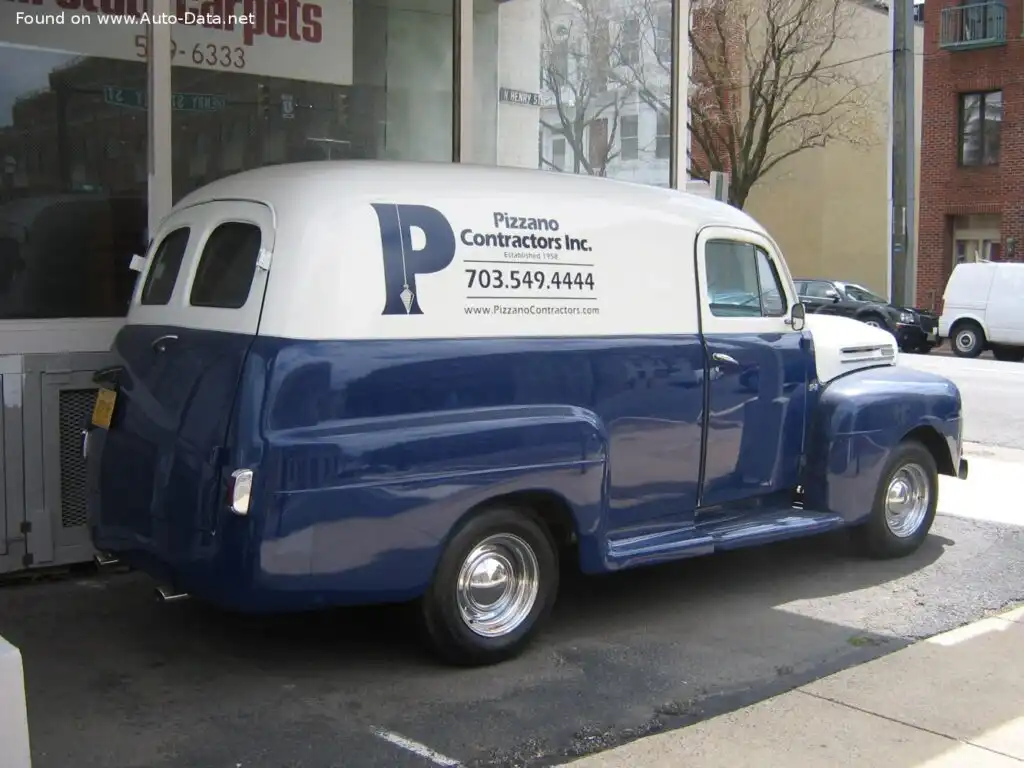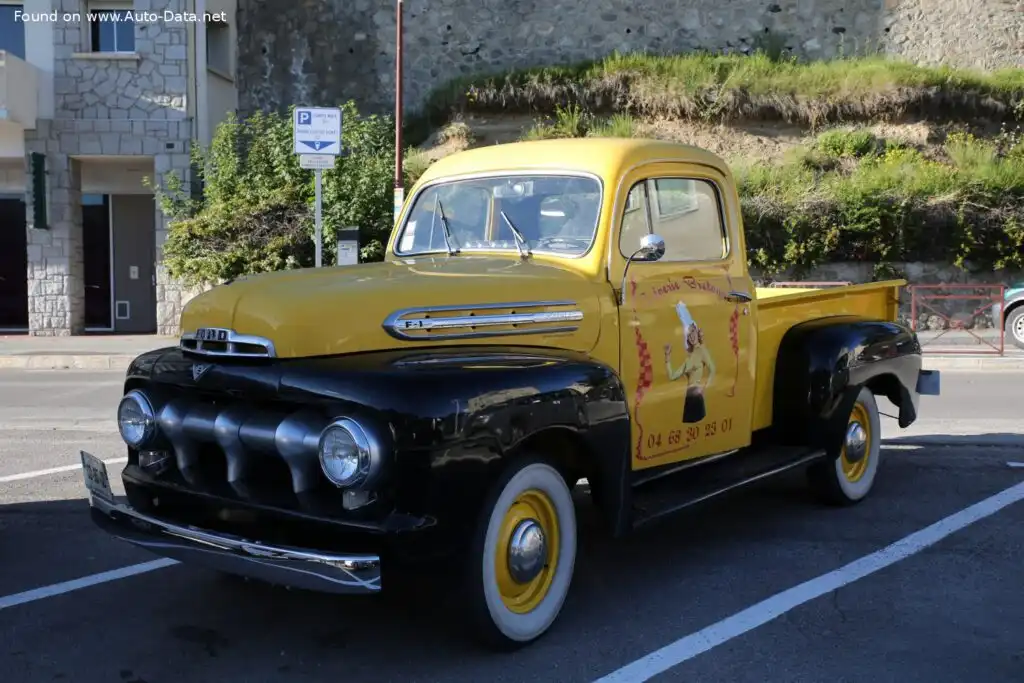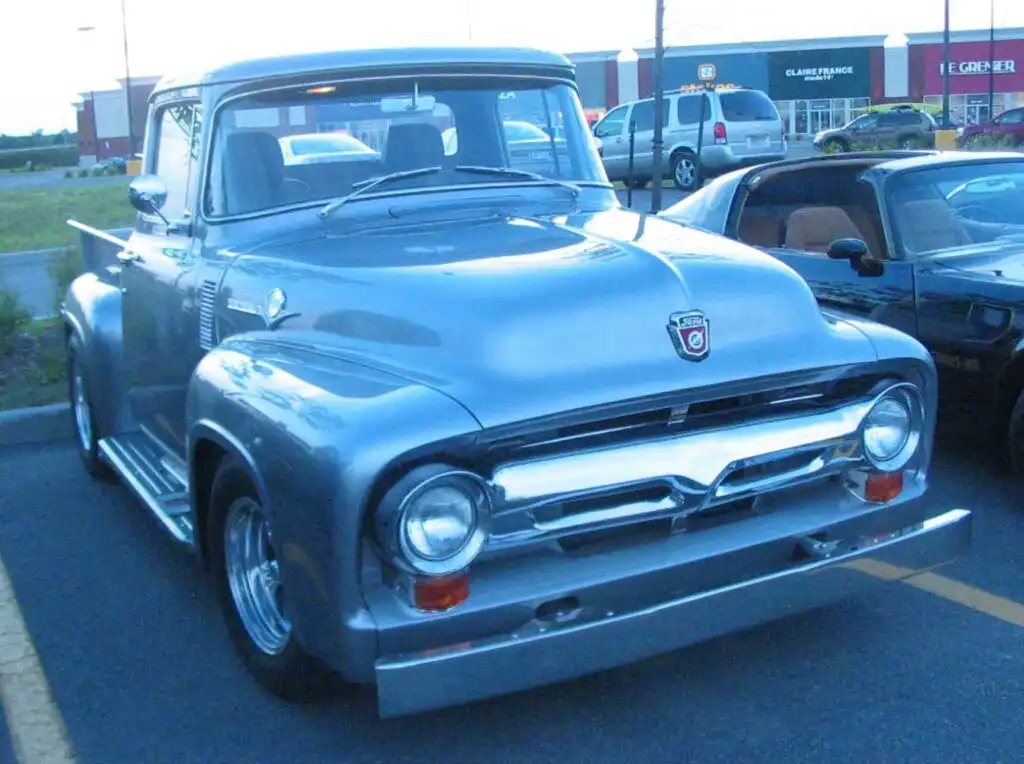
The Ford F-Series F-250 IX SuperCab HD, equipped with the 5.8-liter V8 engine producing 210 horsepower and paired with a four-speed automatic transmission, was a mainstay of Ford’s heavy-duty truck lineup from 1991 through 1997. This configuration represented a balance between capability and affordability within the ninth generation of the F-Series (1987-1997). The “IX” designation denoted a specific trim level, and the SuperCab offered extended passenger space compared to the standard cab models. This variant was primarily aimed at buyers needing a robust work truck with occasional passenger capacity, finding a niche between the base F-250 and the more luxurious or high-performance options.
Technical Specifications
| Brand | Ford |
| Model | F-Series F-250 |
| Generation | F-Series F-250 IX SuperCab HD |
| Type (Engine) | 5.8 V8 (210 Hp) 4WD Automatic |
| Start of production | August, 1991 |
| End of production | 1997 |
| Powertrain Architecture | Internal Combustion engine |
| Body type | Pick-up |
| Seats | 6 |
| Doors | 2 |
| Fuel Type | Petrol (Gasoline) |
| Power | 210 Hp |
| Power per litre | 36.5 Hp/l |
| Torque | 441 Nm @ 2800 rpm / 325.26 lb.-ft. @ 2800 rpm |
| Engine layout | Front, Longitudinal |
| Engine displacement | 5752 cm3 / 351.01 cu. in. |
| Number of cylinders | 8 |
| Engine configuration | V-engine |
| Fuel injection system | Multi-port manifold injection |
| Engine aspiration | Naturally aspirated engine |
| Engine oil capacity | 4.7 l / 4.97 US qt | 4.14 UK qt |
| Coolant | 15.5 l / 16.38 US qt | 13.64 UK qt |
| Max. weight | 3992 kg / 8800.85 lbs. |
| Trunk (boot) space – minimum | 2141 l / 75.61 cu. ft. |
| Height | 1951 mm / 76.81 in. |
| Wheelbase | 3937 mm / 155 in. |
| Wading depth | 889 mm / 35 in. |
| Drivetrain Architecture | The Internal combustion engine (ICE) drives the rear wheels permanently, and the front wheels are driven through an electrically or mechanically operated clutch if necessary. |
| Drive wheel | All wheel drive (4×4) |
| Number of gears and type of gearbox | 4 gears, automatic transmission |
| Front suspension | Leaf spring |
| Rear suspension | Leaf spring |
| Front brakes | Disc |
| Assisting systems | ABS (Anti-lock braking system) |
| Power steering | Electric Steering |
| Tires size | 235/85 R16 |
| Wheel rims size | 16 |
Powertrain & Engine Architecture
The heart of this F-250 variant was the 351 Windsor V8 engine, a 5.8-liter (351 cubic inch) naturally aspirated powerplant. This engine, a Ford mainstay for decades, utilized a cast iron block and cylinder heads. The 210 horsepower output was achieved through a multi-port fuel injection system, a significant upgrade over the carbureted engines of earlier F-Series trucks. The engine featured a two-valve per cylinder configuration and a relatively conservative compression ratio, prioritizing durability and low-end torque over outright horsepower. The four-speed automatic transmission (typically the AOD or C6 depending on specific build dates and options) was chosen for its robustness and ease of use, making it well-suited for both work and occasional towing. While not offering the quickest acceleration, the transmission provided smooth shifts and adequate power delivery for most tasks. The C6 transmission, known for its durability, was often found in heavier-duty applications, while the AOD offered a slightly more fuel-efficient driving experience.
Driving Characteristics
The F-250 IX SuperCab HD with the 5.8L V8 and automatic transmission delivered a driving experience focused on capability rather than sportiness. Acceleration was modest, particularly when loaded or towing. The automatic transmission’s gear ratios were optimized for hauling and towing, resulting in a lower first gear for increased pulling power but sacrificing quick off-the-line responsiveness. Compared to the available manual transmission options, the automatic reduced driver fatigue but also slightly diminished fuel economy and overall performance. The 4WD system, typically engaged via a floor-mounted lever, provided enhanced traction in challenging conditions, making it a popular choice for rural and work-oriented buyers. The leaf spring suspension, while providing a stable ride when hauling, could be somewhat harsh when unloaded on rough roads. Steering felt somewhat vague compared to modern standards, but was adequate for the truck’s intended purpose. Overall, the driving experience was characterized by a sense of solidity and dependability.
Equipment & Trim Levels
The “IX” trim level positioned this F-250 as a mid-range offering. Standard features typically included a basic AM/FM radio, vinyl upholstery, and manual windows and locks. The SuperCab configuration added extra rear seating, though legroom was limited. Optional extras included air conditioning, a tilt steering wheel, upgraded sound systems, and various towing packages. The interior was generally utilitarian, designed for durability and ease of cleaning rather than luxury. Exterior features typically included a chrome front bumper, black side moldings, and standard cab lights. Buyers could also opt for features like a sliding rear window and a rear window defroster. The IX trim offered a step up from the base models, providing a reasonable level of comfort and convenience without the added cost of the higher-end trims.
Chassis & Braking
The F-250’s chassis was built around a heavy-duty frame designed to withstand the stresses of hauling and towing. The front suspension utilized leaf springs, while the rear suspension also employed leaf springs, providing a robust and durable setup. Braking duties were handled by disc brakes on the front axle and drum brakes on the rear. An Anti-lock Braking System (ABS) was available as an option, enhancing safety during emergency braking situations. The 235/85 R16 tires were chosen for their durability and load-carrying capacity, rather than high-performance handling. Power steering was standard, making maneuvering the large truck easier, especially at low speeds. The heavy-duty chassis and suspension components contributed to the truck’s overall stability and load-carrying capacity.
Market Reception & Comparison
The 5.8L V8/automatic F-250 combination was generally well-received by buyers seeking a reliable and capable work truck. Critics noted its adequate power for most tasks, but also pointed out its relatively low fuel economy compared to smaller engine options. Compared to the 460 cubic inch V8 offered in some F-250 models, the 5.8L provided less horsepower and torque, but was also more fuel-efficient and less expensive to maintain. Against diesel-powered F-250s (like those with the 7.3L IDI or Power Stroke engines), the 5.8L lacked the low-end torque and fuel economy of the diesels, but offered a lower initial purchase price and simpler maintenance requirements. The automatic transmission was favored by many drivers for its convenience, but some preferred the greater control and fuel efficiency of a manual transmission. The combination struck a balance between cost, capability, and ease of use, making it a popular choice for a wide range of buyers.
Legacy
The 351 Windsor engine, in general, is known for its durability and relative simplicity, making it a popular choice for rebuilds and modifications. The automatic transmissions used in these trucks, while robust, can require maintenance over time, particularly regarding fluid changes and filter replacements. Today, these F-250s are increasingly sought after by collectors and enthusiasts, particularly those looking for a classic American work truck. Well-maintained examples command reasonable prices, and parts availability remains good. While not the most powerful or fuel-efficient option in the F-250 lineup, the 5.8L V8/automatic combination represents a solid and dependable choice for those seeking a classic Ford truck with a proven track record. The engine’s simplicity makes it relatively easy to work on, and its robust construction ensures that many examples are still on the road today, providing years of reliable service.