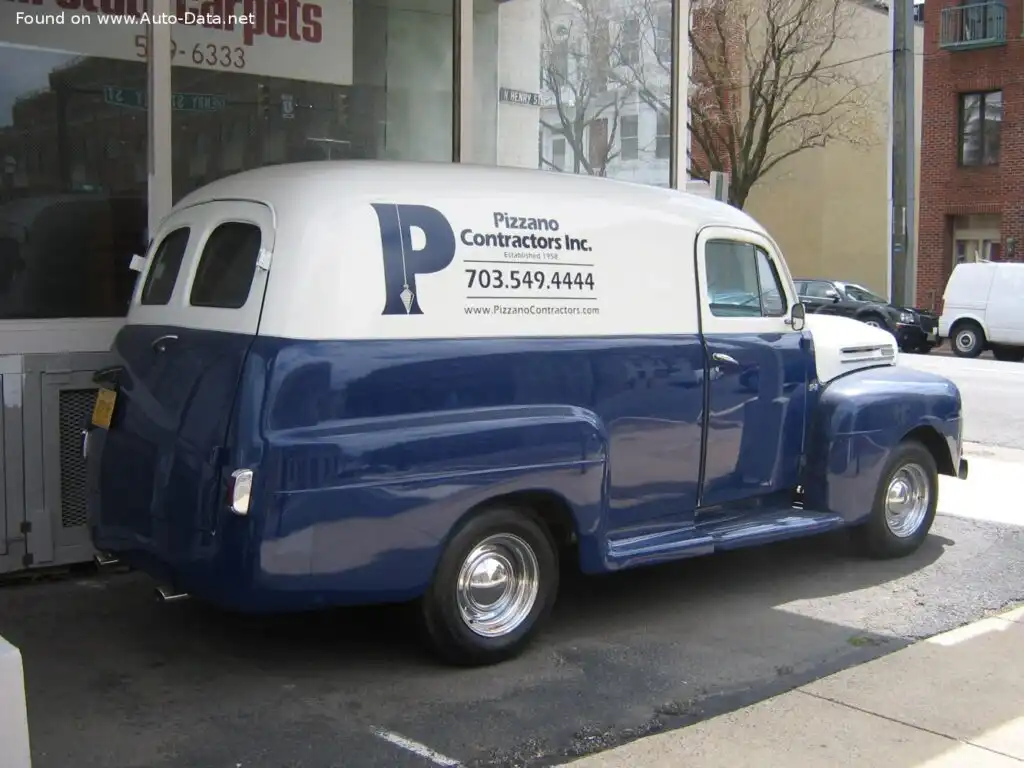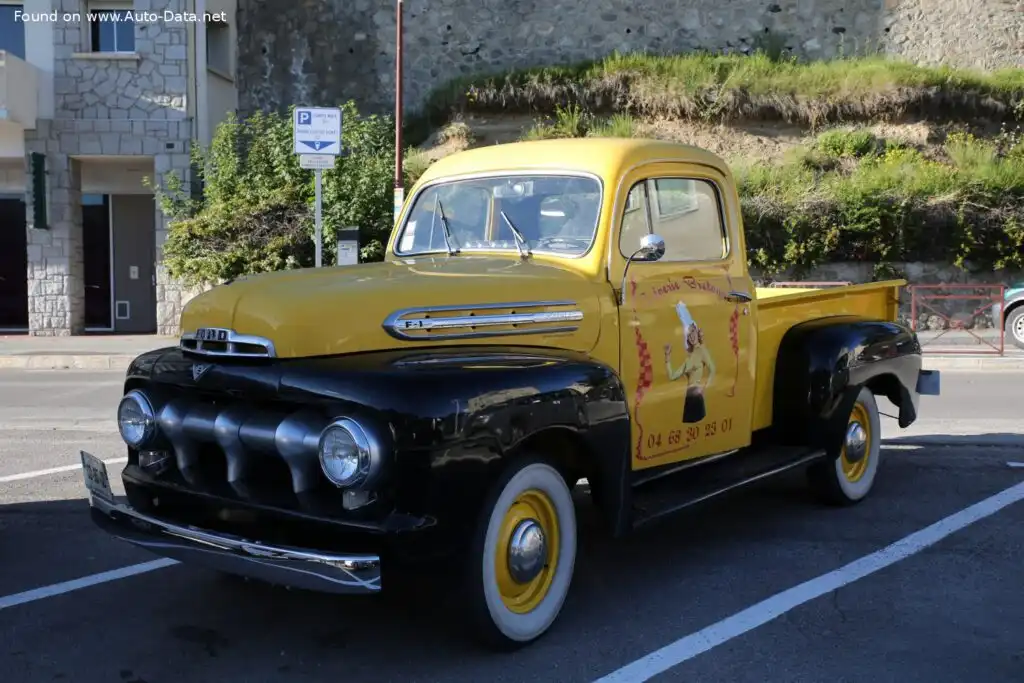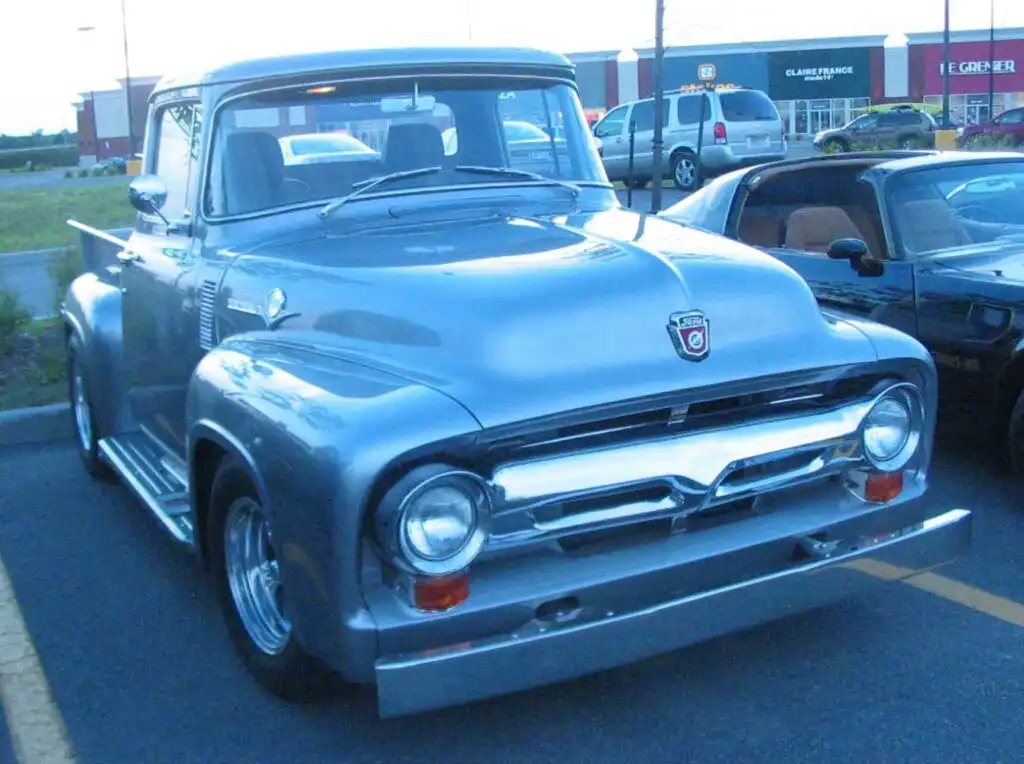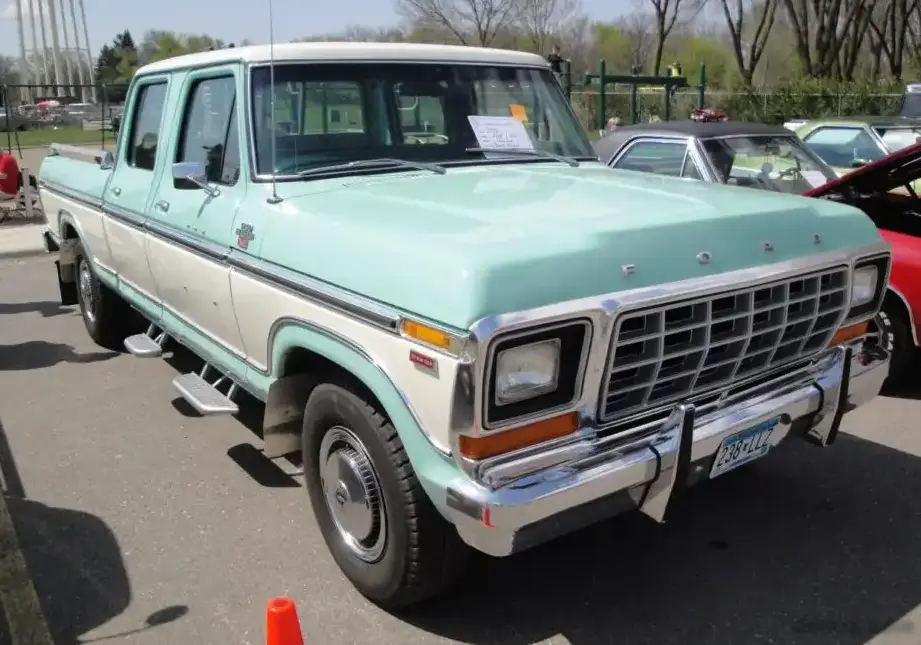
The Ford F-Series F-250 VI Crew Cab, equipped with the 4.9-liter (300 cubic inch) inline-six engine and a three-speed Cruise-O-Matic automatic transmission, represents a significant offering in Ford’s heavy-duty truck lineup from 1975 to 1979. This configuration occupied a unique position within the sixth generation (1973-1979) of the F-Series, providing a balance between affordability, capability, and comfort, particularly with the addition of the Crew Cab body style. While not the most powerful option available, the 4.9L engine and automatic transmission combination catered to buyers prioritizing ease of use and longevity over outright performance.
Technical Specifications
| Brand | Ford |
| Model | F-Series F-250 |
| Generation | F-Series F-250 VI Crew Cab |
| Type (Engine) | 4.9 300 Six (113 Hp) Automatic |
| Start of production | 1975 |
| End of production | 1979 |
| Powertrain Architecture | Internal Combustion engine |
| Body type | Pick-up |
| Seats | 6 |
| Doors | 4 |
| Fuel Type | Petrol (Gasoline) |
| Power | 113 Hp |
| Power per litre | 23 Hp/l |
| Engine displacement | 4916 cm3 / 299.99 cu. in. |
| Number of cylinders | 6 |
| Engine configuration | Inline |
| Cylinder Bore | 101.6 mm / 4 in. |
| Piston Stroke | 101.09 mm / 3.98 in. |
| Fuel injection system | Carburettor |
| Engine aspiration | Naturally aspirated engine |
| Max. weight | 3402 kg / 7500.13 lbs. |
| Trunk (boot) space – minimum | 1727 l / 60.99 cu. ft. |
| Length | 5652 mm / 222.52 in. |
| Wheelbase | 3810 mm / 150 in. |
| Wading depth | 673 mm / 26.5 in. |
| Drivetrain Architecture | The Internal combustion engine (ICE) drives the rear wheels of the vehicle. |
| Drive wheel | Rear wheel drive |
| Number of gears and type of gearbox | automatic transmission Cruise-O-Matic |
| Front suspension | Independent coil spring |
| Rear suspension | Leaf spring |
| Front brakes | Disc |
| Rear brakes | Drum |
| Power steering | Electric Steering |
| Tires size | 215/85 R16.5 |
| Wheel rims size | 6J x 16.5 |
Powertrain & Engine Architecture
The heart of this F-250 variant is the 4.9-liter (299 cubic inch) inline-six cylinder engine, commonly known as the “300 Six.” This engine, a member of Ford’s durable and long-lived 300 cubic inch family, was renowned for its reliability and low-end torque. The engine utilized a cast iron block and head, and a two-barrel carburetor handled fuel delivery. The valvetrain employed a conventional pushrod design. The 113 horsepower output, while modest by modern standards, was considered adequate for the intended workload of this truck. The engine’s longitudinal front-engine layout was standard for Ford trucks of this era.
The transmission paired with the 300 Six was the Ford Cruise-O-Matic, a three-speed automatic. This transmission was a workhorse in its own right, known for its durability. The Cruise-O-Matic featured a torque converter for smooth launches and automatic shifting. While not offering the fuel efficiency of later transmissions, it provided a convenient and user-friendly driving experience, especially appealing to those who preferred not to operate a manual transmission.
Driving Characteristics
The F-250 with the 4.9L engine and automatic transmission delivered a driving experience focused on practicality rather than performance. Acceleration was leisurely, and the truck was not designed for rapid speeds. However, the engine’s substantial low-end torque allowed for confident towing and hauling capabilities. The automatic transmission’s gear ratios were optimized for work, prioritizing pulling power over quick acceleration. Compared to the available V8 engines (360 and 460 cubic inches), this configuration offered significantly less horsepower and torque, but it also provided better fuel economy and a smoother, quieter ride. The automatic transmission, while convenient, did result in some power loss compared to the available manual transmissions.
Equipment & Trim Levels
The F-250 Crew Cab, even in its base configuration with the 4.9L engine, offered a relatively comfortable interior for the time. Standard features typically included a vinyl bench seat, basic instrumentation (speedometer, fuel gauge, temperature gauge), and a heater. The Crew Cab body style provided significantly more interior space than the standard cab, accommodating up to six passengers. Optional extras included air conditioning, an upgraded radio, and various trim packages that added features like carpeting and brighter interior finishes. The trim level of this variant generally fell into the entry-level to mid-range category within the F-250 lineup.
Chassis & Braking
The F-250’s chassis was built for heavy-duty work. It featured a robust ladder frame construction and a solid rear axle suspended by leaf springs. The front suspension utilized independent coil springs, providing a more comfortable ride compared to a solid front axle. Braking duties were handled by disc brakes on the front axle and drum brakes on the rear. Power steering was standard, making maneuvering the large truck easier. The tires, typically 215/85 R16.5, were designed for durability and load-carrying capacity. The suspension and braking systems were tuned to handle the truck’s gross vehicle weight rating (GVWR) of approximately 7,500 pounds.
Market Reception & Comparison
The 4.9L/automatic F-250 combination was generally well-received by buyers who prioritized affordability and reliability. Critics acknowledged the engine’s durability and fuel efficiency, but noted its lack of power compared to the V8 options. The automatic transmission was praised for its ease of use, but some reviewers pointed out that it reduced overall performance. Compared to the 360 and 460 V8 engines, the 4.9L offered better fuel economy, but significantly less towing capacity. The 4.9L was often chosen by those who didn’t require the maximum towing capacity and preferred a simpler, more reliable powertrain.
Legacy
The Ford 300 Six engine has earned a legendary reputation for its longevity and durability. Many examples are still on the road today, often with hundreds of thousands of miles on the odometer. The Cruise-O-Matic transmission, while not as sophisticated as modern automatics, also proved to be remarkably reliable. In the used car market, F-250s equipped with this powertrain are often sought after by those looking for a simple, dependable truck. The combination of the durable engine, robust transmission, and readily available parts makes these trucks relatively easy and inexpensive to maintain. The 4.9L/automatic F-250 represents a classic example of American truck engineering, prioritizing practicality and longevity over outright performance.