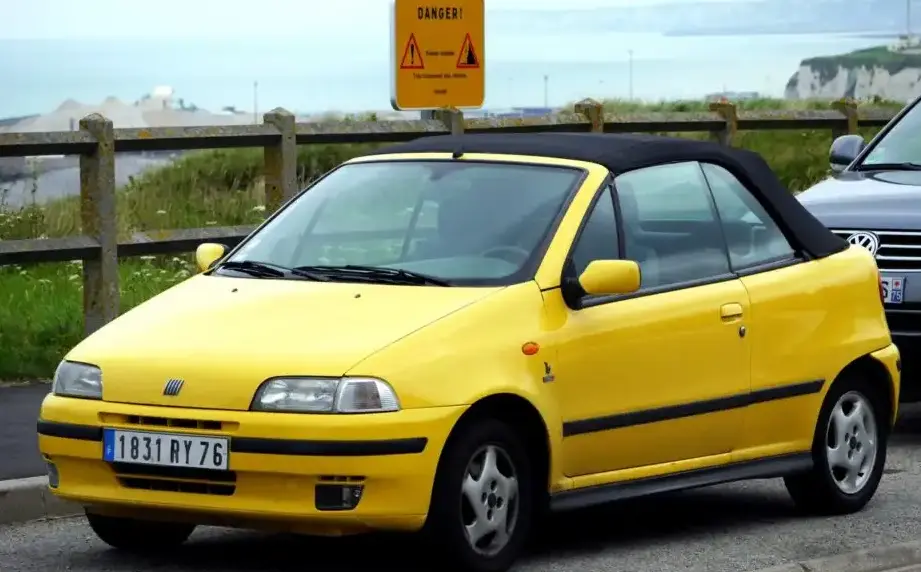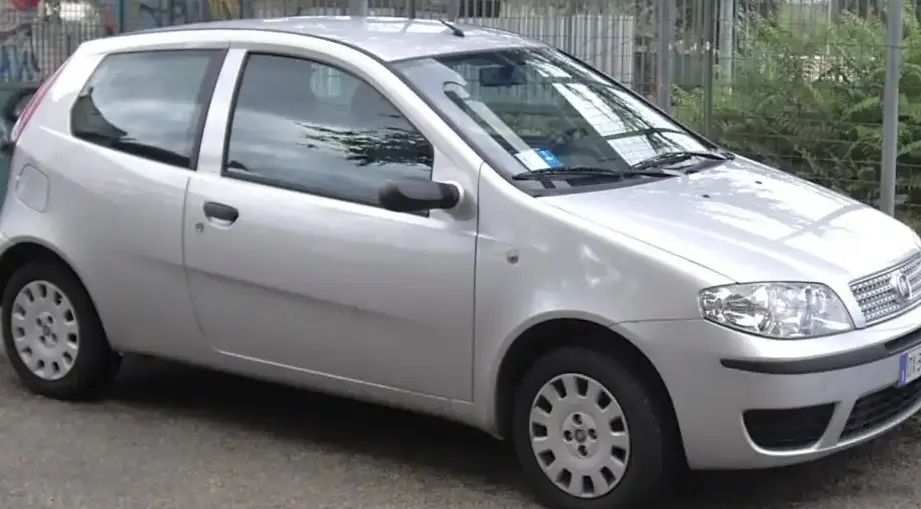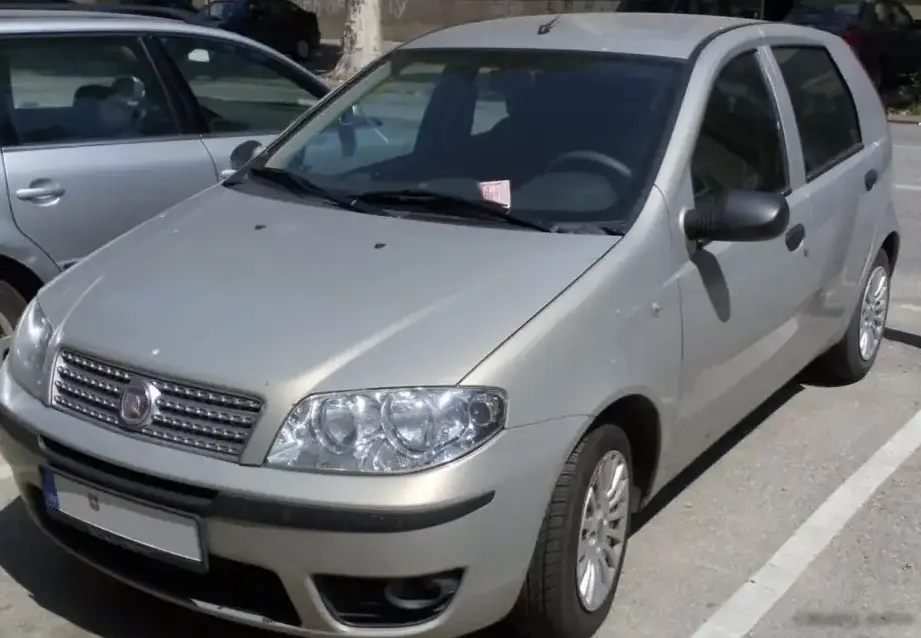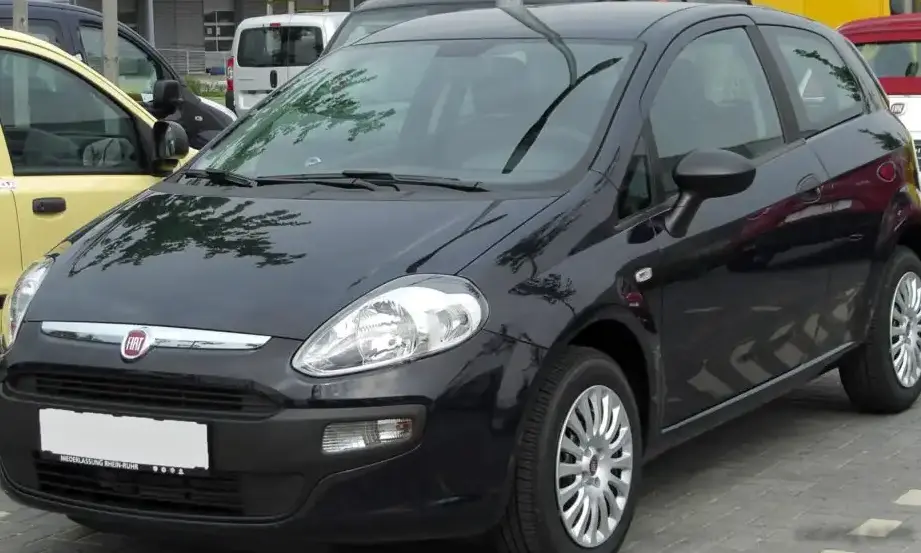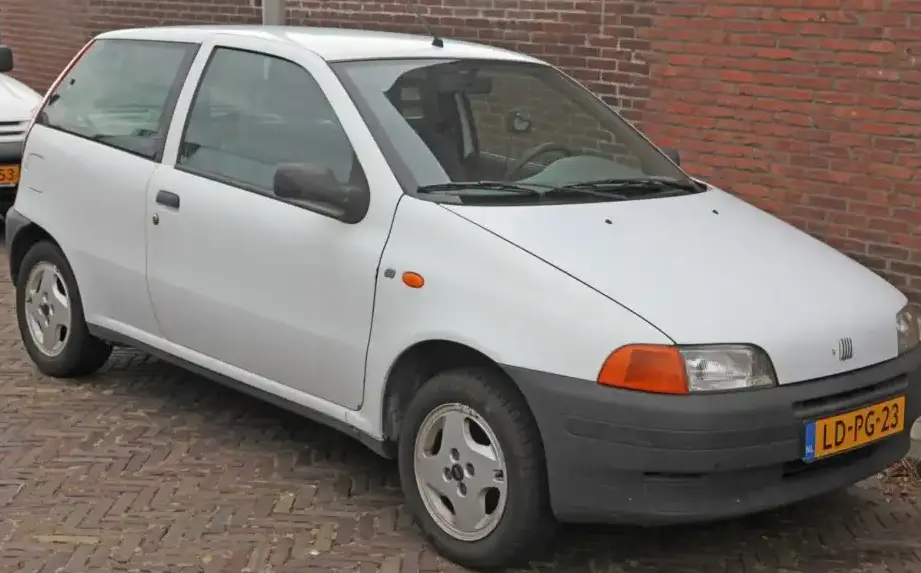
The Fiat Punto I (176) 90 1.6, produced between 1994 and 1997, represented a mid-range offering within the first generation Punto lineup (Project 176). Positioned above the base 1.2-liter models, it aimed to provide a balance of performance and affordability for European buyers. The Punto I, launched in 1993, was a significant vehicle for Fiat, replacing the aging Uno and serving as the company’s entry into the supermini segment. This particular variant, with its 1.6-liter engine and 5-speed manual transmission, offered a noticeable step up in power and driving experience compared to the lower-spec models. It was available in both 3-door and 5-door body styles.
Technical Specifications
| Brand | Fiat |
| Model | Punto |
| Generation | Punto I (176) |
| Type (Engine) | 90 1.6 (88 Hp) |
| Start of production | 1994 |
| End of production | 1997 |
| Powertrain Architecture | Internal Combustion engine |
| Body type | Hatchback |
| Seats | 5 |
| Doors | 3-5 |
| Fuel consumption (urban) | 9.5 l/100 km (24.8 US mpg) |
| Fuel consumption (extra urban) | 8 l/100 km (29.4 US mpg) |
| Fuel consumption (combined) | 7.8 l/100 km (30.2 US mpg) |
| Fuel Type | Petrol (Gasoline) |
| Acceleration 0 – 100 km/h | 11.5 sec |
| Acceleration 0 – 62 mph | 11.5 sec |
| Acceleration 0 – 60 mph | 10.9 sec |
| Maximum speed | 178 km/h (110.6 mph) |
| Weight-to-power ratio | 11.2 kg/Hp |
| Weight-to-torque ratio | 7.8 kg/Nm |
| Power | 88 Hp @ 5750 rpm |
| Torque | 127 Nm @ 2750 rpm (93.67 lb.-ft. @ 2750 rpm) |
| Engine layout | Front, Transverse |
| Engine Model/Code | 176 A9.000 |
| Engine displacement | 1581 cm3 (96.48 cu. in.) |
| Number of cylinders | 4 |
| Engine configuration | Inline |
| Cylinder Bore | 86.4 mm (3.4 in.) |
| Piston Stroke | 67.4 mm (2.65 in.) |
| Compression ratio | 9.8:1 |
| Number of valves per cylinder | 2 |
| Fuel injection system | Multi-port manifold injection |
| Engine aspiration | Naturally aspirated |
| Valvetrain | OHC |
| Engine oil capacity | 3.6 l (3.8 US qt | 3.17 UK qt) |
| Coolant capacity | 5.9 l (6.23 US qt | 5.19 UK qt) |
| Kerb Weight | 985 kg (2171.55 lbs.) |
| Max. weight | 1425 kg (3141.59 lbs.) |
| Max load | 440 kg (970.03 lbs.) |
| Trunk (boot) space – minimum | 275 l (9.71 cu. ft.) |
| Trunk (boot) space – maximum | 1080 l (38.14 cu. ft.) |
| Fuel tank capacity | 47 l (12.42 US gal | 10.34 UK gal) |
| Length | 3770 mm (148.43 in.) |
| Width | 1625 mm (63.98 in.) |
| Height | 1460 mm (57.48 in.) |
| Wheelbase | 2450 mm (96.46 in.) |
| Front track | 1369 mm (53.9 in.) |
| Rear track | 1352 mm (53.23 in.) |
| Drag coefficient (Cd) | 0.31 |
| Minimum turning circle | 10.2 m (33.46 ft.) |
| Drivetrain | Front wheel drive |
| Number of gears | 5 |
| Gearbox type | Manual transmission |
| Front suspension | Wishbone |
| Rear suspension | Trailing arm |
| Front brakes | Disc |
| Rear brakes | Drum |
| Assisting systems | ABS (Anti-lock braking system) |
| Steering type | Steering rack and pinion |
| Tires size | 175/60 R14 |
Powertrain & Engine Architecture
The heart of the Punto 90 1.6 was the Fiat 176 A9.000 engine, a naturally aspirated, inline-four cylinder gasoline engine displacing 1581cc. This engine utilized a single overhead camshaft (OHC) valvetrain with two valves per cylinder. Fuel delivery was managed by a multi-port fuel injection system, a relatively modern feature for its time, contributing to improved fuel efficiency and reduced emissions compared to carbureted engines. The engine’s 9.8:1 compression ratio was a compromise between performance and the ability to run on the readily available 95 octane gasoline prevalent in Europe. The 5-speed manual transmission was a standard feature, providing drivers with good control over the engine’s power band. This engine was a development of Fiat’s earlier 1.6-liter units, refined for improved drivability and reliability.
Driving Characteristics
The Punto 90 1.6 offered a noticeable improvement in performance over the lower-powered variants. With 88 horsepower and 93.67 lb-ft of torque, it provided adequate acceleration for everyday driving, achieving 0-60 mph in approximately 10.9 seconds and a top speed of around 110.6 mph. The 5-speed manual transmission allowed drivers to keep the engine in its optimal power range. While not a sports car, the Punto 90 1.6 felt lively and responsive, particularly when compared to the 1.2-liter models. The gear ratios were well-matched for both city and highway driving, offering a balance between acceleration and fuel economy. The relatively light weight of the Punto (around 2172 lbs) further enhanced its agility.
Equipment & Trim Levels
The Punto 90 1.6 typically came equipped with features considered standard for a supermini of its era. These included power steering, central locking, and a basic stereo system. Interior upholstery was typically cloth, with a relatively simple dashboard layout. Optional extras included electric windows, a sunroof, and upgraded audio systems. The trim level often dictated the quality of the interior materials and the availability of certain convenience features. The Punto 90 1.6 was often seen as a step up in terms of interior finish compared to the base models, offering a more comfortable and refined driving experience.
Chassis & Braking
The Punto I utilized a front-wheel-drive layout with a relatively simple suspension setup. The front suspension featured independent wishbones, while the rear employed a trailing arm configuration. This setup provided a reasonable balance between ride comfort and handling. Braking duties were handled by disc brakes at the front and drum brakes at the rear. An Anti-lock Braking System (ABS) was often included as standard equipment, enhancing safety by preventing wheel lockup during hard braking. The steering was rack and pinion, providing precise and responsive steering feel.
Market Reception & Comparison
The Punto 90 1.6 was generally well-received by automotive critics as a practical and affordable supermini. It was praised for its lively engine, comfortable ride, and relatively spacious interior. Compared to the lower-powered 1.2-liter models, the 1.6-liter version offered a significant improvement in performance, making it a more appealing option for drivers who frequently traveled on highways or carried passengers. Fuel economy was respectable for its class, averaging around 30.2 US mpg in combined driving. Compared to rivals like the Peugeot 205 and Renault Clio, the Punto 90 1.6 offered a competitive package in terms of price, performance, and features.
Legacy
The Fiat Punto I 90 1.6, while not a particularly rare or collectible vehicle today, remains a relatively reliable and affordable option in the used car market. The 176 A9.000 engine is known for its durability, provided it has been properly maintained. Common issues include oil leaks and wear on the timing belt, which should be replaced at recommended intervals. The Punto I, as a whole, played a crucial role in establishing Fiat as a major player in the European supermini segment, and the 90 1.6 variant offered a compelling blend of performance and practicality for its time. Its simple mechanical design makes it relatively easy to maintain and repair, appealing to enthusiasts and budget-conscious buyers alike.