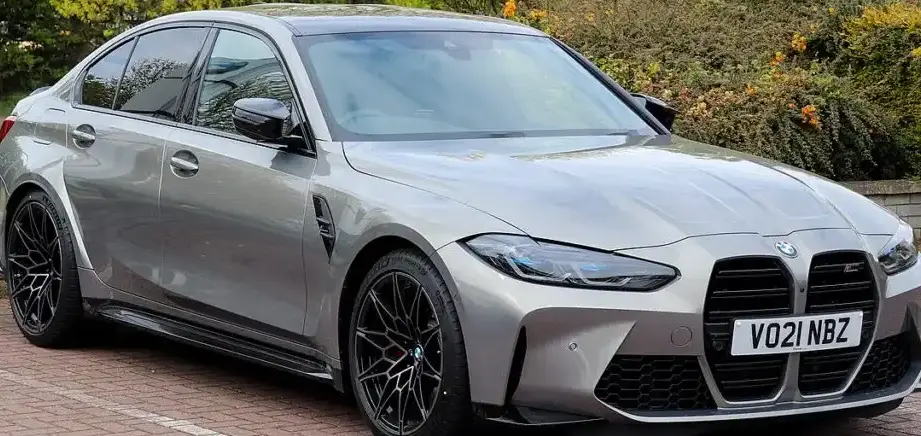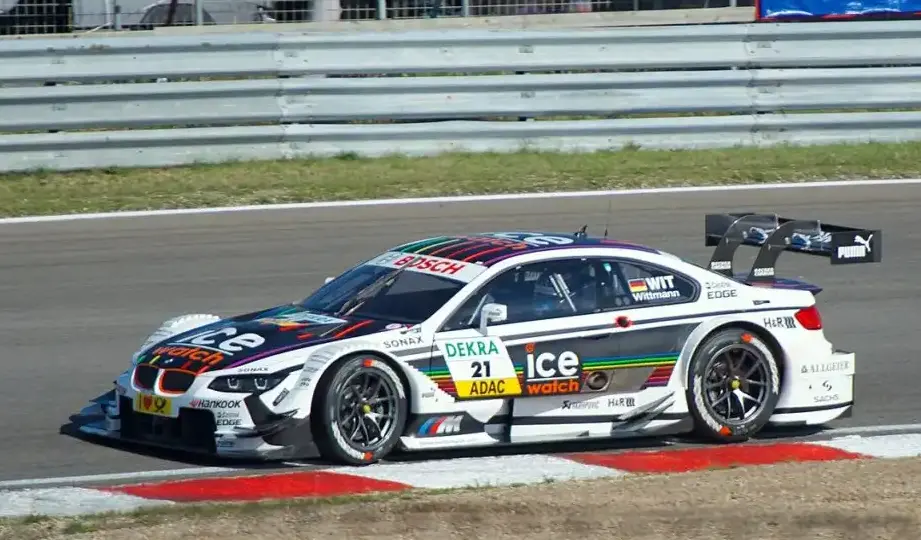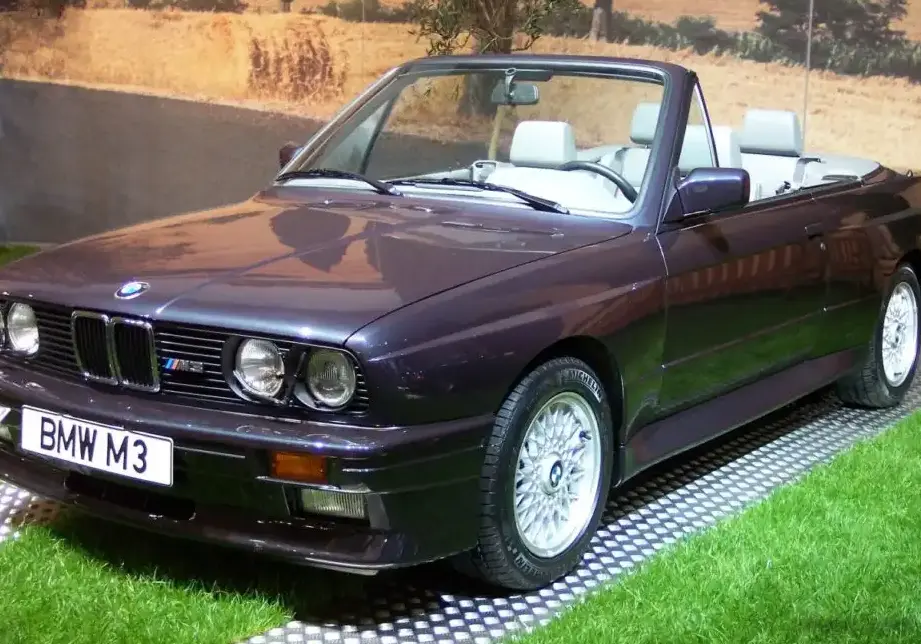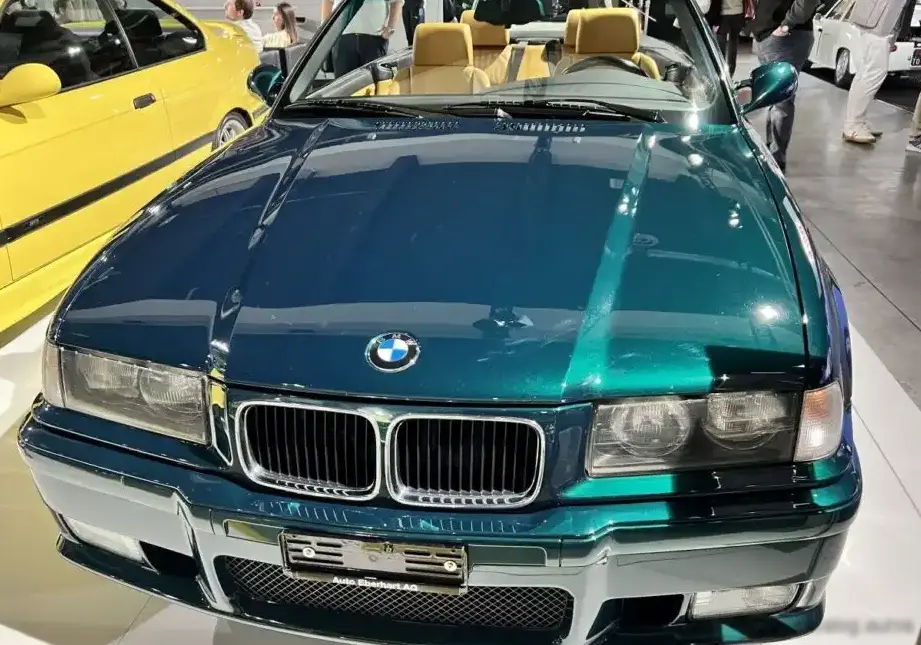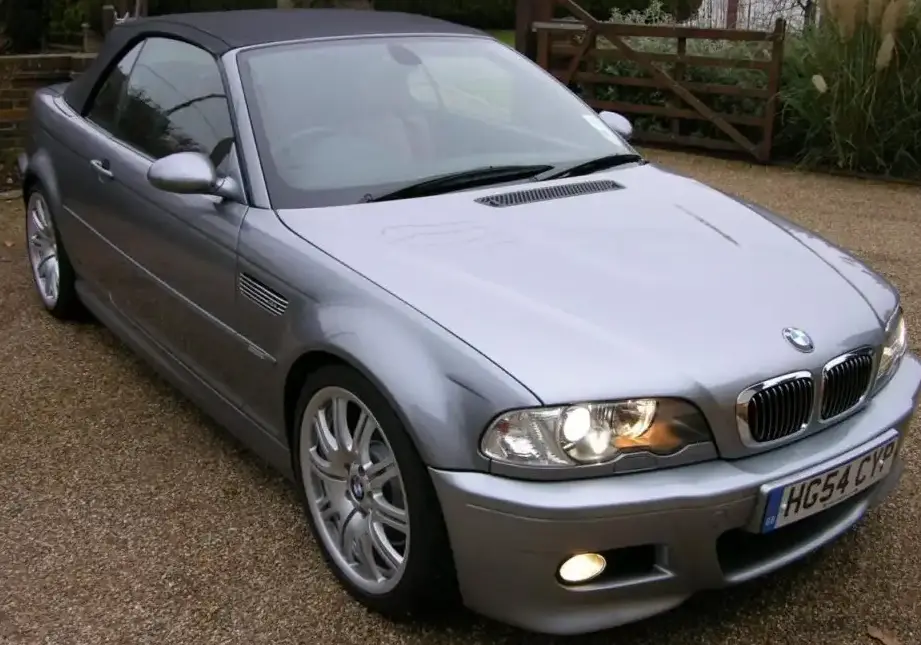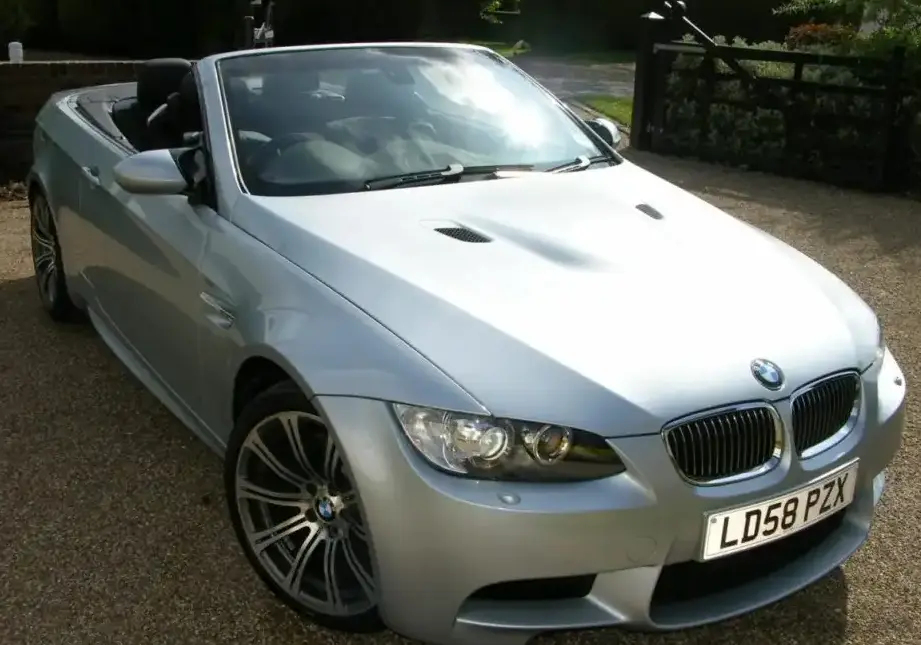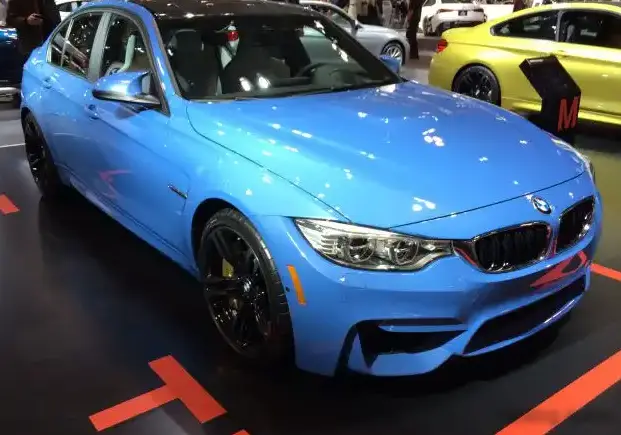
The BMW M3 (F80), produced from 2014 to 2020, represents the fourth generation of the high-performance M3 lineage, though it was the first to be offered exclusively as a sedan. Prior generations had offered coupe and convertible body styles alongside the sedan. This shift marked a deliberate focus on delivering a pure, driver-focused experience. The F80 M3, and its closely related two-door sibling the M4, utilized the F30 3 Series platform, but with significant performance enhancements distinguishing it from standard 3 Series models. The 3.0-liter (2979 cc) twin-turbocharged inline-six engine, designated S55B30A, became the defining characteristic of this generation, delivering a substantial increase in power and torque compared to its predecessor.
Technical Specifications
| Brand | BMW |
| Model | M3 |
| Generation | M3 (F80) |
| Type (Engine) | 3.0 (431 Hp) |
| Start of production | 2014 |
| End of production | 2020 |
| Powertrain Architecture | Internal Combustion engine |
| Body type | Sedan |
| Seats | 5 |
| Doors | 4 |
| Fuel consumption (urban) | 12 l/100 km (19.6 US mpg) |
| Fuel consumption (extra urban) | 6.9 l/100 km (34.1 US mpg) |
| Fuel consumption (combined) | 8.8 l/100 km (26.7 US mpg) |
| CO2 emissions | 204 g/km |
| Fuel Type | Petrol (Gasoline) |
| Acceleration 0 – 100 km/h | 4.3 sec |
| Acceleration 0 – 62 mph | 4.3 sec |
| Acceleration 0 – 60 mph | 4.1 sec |
| Maximum speed | 250 km/h (155.34 mph) |
| Emission standard | Euro 6 |
| Weight-to-power ratio | 3.5 kg/Hp |
| Weight-to-torque ratio | 2.8 kg/Nm |
| Power | 431 Hp @ 5500-7300 rpm |
| Torque | 550 Nm @ 1850-5500 rpm (405.66 lb.-ft.) |
| Engine layout | Front, Longitudinal |
| Engine Model/Code | S55B30A |
| Engine displacement | 2979 cm3 (181.79 cu. in.) |
| Number of cylinders | 6 |
| Engine configuration | Inline |
| Cylinder Bore | 84 mm (3.31 in.) |
| Piston Stroke | 89.6 mm (3.53 in.) |
| Compression ratio | 10.2:1 |
| Number of valves per cylinder | 4 |
| Fuel injection system | Direct injection |
| Engine aspiration | Twin-power turbo, Intercooler |
| Engine oil capacity | 6.5 l (6.87 US qt | 5.72 UK qt) |
| Coolant | 13.9 l (14.69 US qt | 12.23 UK qt) |
| Kerb Weight | 1520 kg (3351.03 lbs.) |
| Max. weight | 2100 kg (4629.71 lbs.) |
| Max load | 580 kg (1278.68 lbs.) |
| Trunk (boot) space – minimum | 480 l (16.95 cu. ft.) |
| Fuel tank capacity | 60 l (15.85 US gal | 13.2 UK gal) |
| Max. roof load | 75 kg (165.35 lbs.) |
| Length | 4671 mm (183.9 in.) |
| Width | 1877 mm (73.9 in.) |
| Width including mirrors | 2037 mm (80.2 in.) |
| Height | 1424 mm (56.06 in.) |
| Wheelbase | 2812 mm (110.71 in.) |
| Front track | 1579 mm (62.17 in.) |
| Rear (Back) track | 1603 mm (63.11 in.) |
| Front overhang | 811 mm (31.93 in.) |
| Rear overhang | 1048 mm (41.26 in.) |
| Drag coefficient (Cd) | 0.34 |
| Minimum turning circle | 12.2 m (40.03 ft.) |
| Drivetrain Architecture | Rear wheel drive |
| Number of gears and type of gearbox | 6 gears, manual transmission |
| Front suspension | Independent coil spring |
| Rear suspension | Independent multi-link suspension |
| Front brakes | Ventilated discs |
| Rear brakes | Ventilated discs |
| Assisting systems | ABS (Anti-lock braking system) |
| Steering type | Steering rack and pinion |
| Power steering | Electric Steering |
| Tires size | 255/40 ZR18 95Y; 275/40 ZR18 99Y |
| Wheel rims size | 9.0J x 18; 10.0J x 18 |
Powertrain & Engine Architecture
The heart of the F80 M3 is the S55B30A 3.0-liter inline-six engine. This engine represents a significant departure from the naturally aspirated engines of previous M3 generations. It features a closed-deck engine block for increased strength, forged crankshaft, and lightweight connecting rods. Twin mono-scroll turbochargers, positioned within the V of the engine, provide forced induction, delivering a broad torque curve and substantial horsepower. Direct fuel injection, combined with Valvetronic variable valve timing and Double-VANOS variable valve lift, optimizes combustion efficiency and responsiveness. The engine produces 431 horsepower at 5,500-7,300 rpm and 405 lb-ft of torque between 1,850 and 5,500 rpm. The standard transmission was a six-speed manual, but a seven-speed M Double Clutch Transmission (M DCT) with automated shifting was also available. The M DCT offered faster shift times and launch control functionality, further enhancing performance.
Driving Characteristics
The F80 M3 with the manual transmission provides a highly engaging driving experience. The clutch is relatively heavy, and the gear ratios are well-matched for spirited driving. The M DCT version offers incredibly quick shifts, particularly in Sport+ mode, but some purists preferred the greater control offered by the manual. The steering is precise and communicative, providing excellent feedback to the driver. The suspension is firm, but well-damped, offering a good balance between comfort and handling. The car feels planted and stable at high speeds, with minimal body roll. Compared to the higher-output Competition Package models, the standard M3 felt slightly more approachable and less demanding to drive on a daily basis, while still delivering exhilarating performance.
Equipment & Trim Levels
The F80 M3 came standard with a comprehensive list of features, including leather upholstery, power-adjustable front seats, a premium sound system, and a navigation system. Optional extras included carbon fiber trim, upgraded leather, a head-up display, and a driver assistance package. The Competition Package, introduced in 2016, added more aggressive styling cues, a revised suspension, and a slight power increase. Interior trim options ranged from basic cloth to extended Merino leather, with a variety of color combinations available. The standard dashboard configuration featured a traditional analog instrument cluster, while a digital instrument cluster was available as an option.
Chassis & Braking
The F80 M3 features a reinforced chassis compared to the standard 3 Series, with additional bracing to improve rigidity. The front suspension utilizes a MacPherson strut design with aluminum components, while the rear suspension employs a multi-link setup. The braking system consists of ventilated discs at all four corners, with large calipers providing ample stopping power. The standard wheels were 18-inch alloy wheels, with wider tires at the rear to improve traction. The car also featured an electronic limited-slip differential, which helped to distribute power to the rear wheels and improve handling.
Market Reception & Comparison
The F80 M3 was widely praised by automotive critics for its performance, handling, and overall driving experience. The turbocharged engine was initially met with some skepticism by purists, but it quickly won over most reviewers with its power and responsiveness. The car’s fuel economy, averaging around 26.7 US mpg in combined driving, was considered respectable for a high-performance vehicle. Compared to the M4, the M3 offered a more practical and comfortable driving experience due to its sedan body style. The Competition Package models were generally considered to be even more capable on the track, but at the expense of some everyday usability.
Legacy
The F80 M3 has established itself as a highly desirable and collectible vehicle in the used car market. The S55 engine, while powerful, has been known to experience some issues with oil consumption and cooling system components, so careful maintenance is essential. However, with proper care, the F80 M3 is a reliable and rewarding sports sedan that continues to deliver an exceptional driving experience. Its blend of performance, technology, and practicality has cemented its place as a modern classic.