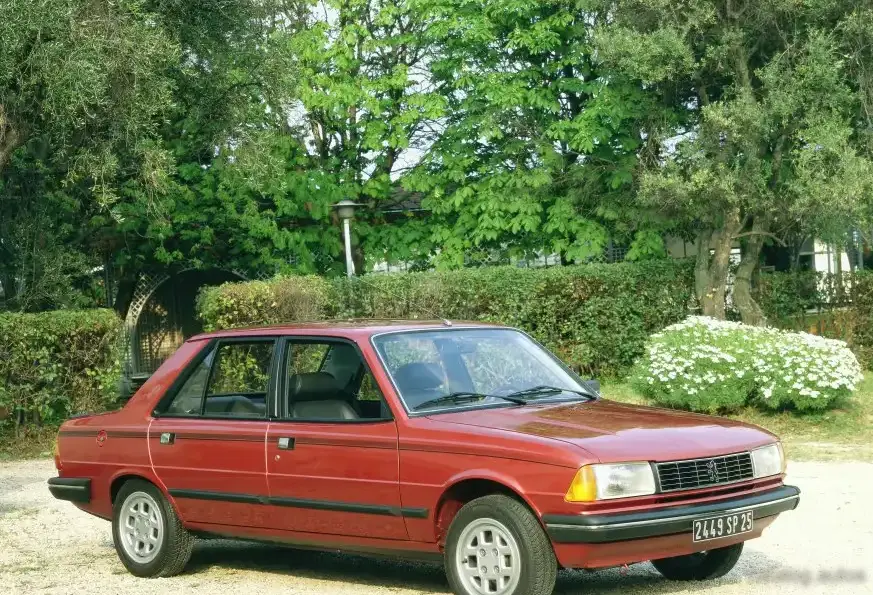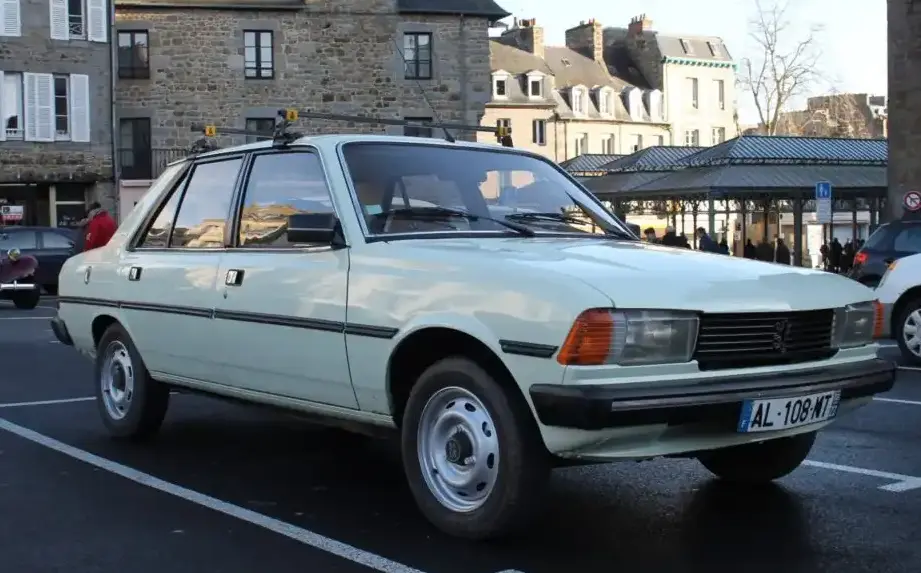
The Peugeot 305 1.3, produced between 1977 and 1982, represented a significant step forward for Peugeot, embodying the company’s shift towards more modern, fuel-efficient vehicles. Part of the 305 I (581A) generation, this variant served as the entry point into the 305 range, aimed at buyers prioritizing economy and practicality over outright performance. It was positioned as a direct competitor to vehicles like the Renault 9 and Citroën Visa in the European market, offering a blend of French comfort and reasonable running costs. The 305 was Peugeot’s replacement for the aging 304, and the 1.3-liter model was crucial in establishing the 305’s initial market presence.
Technical Specifications
| Brand | Peugeot |
| Model | 305 |
| Generation | 305 I (581A) |
| Type (Engine) | 1.3 (60 Hp) |
| Start of production | 1977 |
| End of production | 1982 |
| Powertrain Architecture | Internal Combustion Engine |
| Body type | Sedan |
| Fuel Type | Petrol (Gasoline) |
| Power | 60 Hp |
| Engine Model/Code | 118 XL5 |
| Engine aspiration | Naturally Aspirated |
| Engine oil capacity | 4 l (4.23 US qt | 3.52 UK qt) |
| Coolant capacity | 6 l (6.34 US qt | 5.28 UK qt) |
Powertrain & Engine Architecture
The heart of the Peugeot 305 1.3 was the 118 XL5 engine, a 1301cc inline-four cylinder petrol engine. This engine was a relatively simple design, featuring a single overhead camshaft (SOHC) operating two valves per cylinder. Fuel delivery was managed by a single, down-draft Solex carburetor, a common setup for European cars of this era. The engine’s modest 60 horsepower output at 6000 rpm and 77 lb-ft of torque at 3500 rpm were achieved through a relatively low compression ratio of 8.5:1, prioritizing fuel economy and reliability over peak performance. The engine block was cast iron, contributing to its durability, while the cylinder head was aluminum. The 305 1.3 was typically paired with a four-speed manual transmission, though a three-speed automatic transmission was also available, albeit less common. The automatic transmission, while offering convenience, further reduced acceleration and increased fuel consumption.
Driving Characteristics
The driving experience in the 305 1.3 was characterized by its light steering and comfortable ride. However, with only 60 horsepower propelling a vehicle weighing around 2,200 lbs, acceleration was decidedly leisurely. The 0-60 mph time was estimated to be around 14-16 seconds, making it unsuitable for drivers seeking spirited performance. The four-speed manual transmission allowed for reasonable control over the engine’s power band, but the automatic version felt sluggish, with noticeable delays in gear changes. The gear ratios were optimized for fuel efficiency rather than rapid acceleration. The suspension, consisting of independent front suspension with torsion bars and a live axle with trailing arms at the rear, provided a comfortable ride on most road surfaces, absorbing bumps effectively. However, the car exhibited noticeable body roll during cornering.
Equipment & Trim Levels
The 305 1.3 was typically offered in a basic trim level, reflecting its position as the entry-level model. Standard equipment included cloth upholstery, basic instrumentation (speedometer, fuel gauge, temperature gauge), and manually operated windows and door locks. The interior was functional and durable, though lacking in luxury features. Optional extras included a vinyl roof, upgraded upholstery, a radio, and, on some markets, a sunroof. The dashboard layout was simple and straightforward, with all controls within easy reach of the driver. The steering wheel was a two-spoke design, and the seats offered adequate support for long journeys. Later models saw minor interior refinements, such as improved seat fabrics and a slightly revised dashboard design.
Chassis & Braking
The Peugeot 305 1.3 utilized a monocoque chassis construction, providing a good balance of strength and weight. The front suspension featured independent torsion bar springs and telescopic dampers, while the rear suspension employed a live axle with trailing arms and coil springs. Braking was initially provided by drum brakes on all four wheels, though later models were upgraded with front disc brakes, offering improved stopping power. The steering was a recirculating ball system, providing light and precise steering feel. The car’s relatively narrow tires (typically 165/80R13) contributed to its comfortable ride but limited grip in cornering. A stabilizer bar was not standard on the base 1.3 model, further contributing to body roll.
Market Reception & Comparison
The Peugeot 305 1.3 was generally well-received by critics as a practical and economical family car. Its fuel efficiency was a major selling point, particularly during the late 1970s and early 1980s when fuel prices were rising. However, its lack of performance was often criticized. Compared to the higher-spec 305 models, such as the 1.6 and 2.0-liter versions, the 1.3 felt significantly underpowered. The 1.6-liter engine offered a noticeable improvement in performance without a substantial increase in fuel consumption, making it a popular alternative. The 305 1.3 also faced competition from other economy cars, such as the Renault 9 and Citroën Visa, which offered similar levels of practicality and fuel efficiency. The automatic transmission version of the 305 1.3 was particularly criticized for its sluggish performance and reduced fuel economy.
Legacy
The Peugeot 305, and specifically the 1.3 variant, played a crucial role in establishing Peugeot as a manufacturer of modern, reliable, and fuel-efficient vehicles. While not known for its performance, the 305 1.3 proved to be a durable and dependable car, capable of providing years of service with proper maintenance. Today, the 305 1.3 is a relatively rare sight on the roads, but it has gained a following among classic car enthusiasts who appreciate its simplicity and charm. The 118 XL5 engine, while not particularly powerful, is known for its robustness and ease of maintenance. Parts availability can be a challenge, but many components are still available through specialist suppliers. The 305 1.3 remains a testament to Peugeot’s engineering prowess and its commitment to providing affordable and practical transportation to the masses.