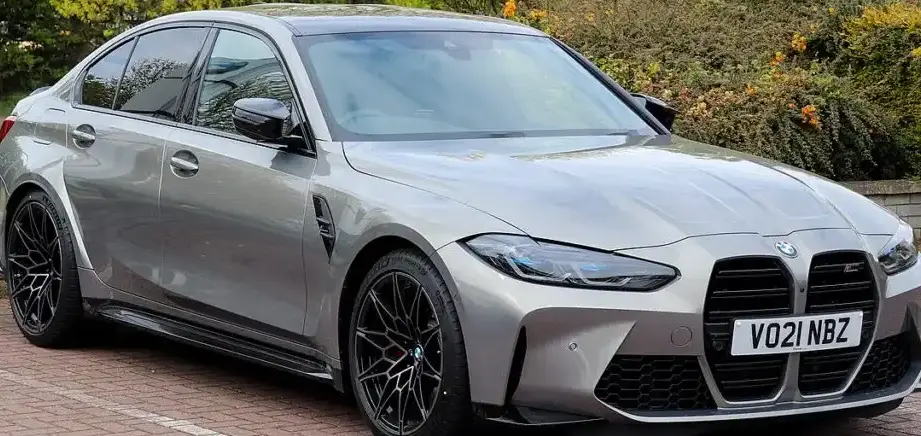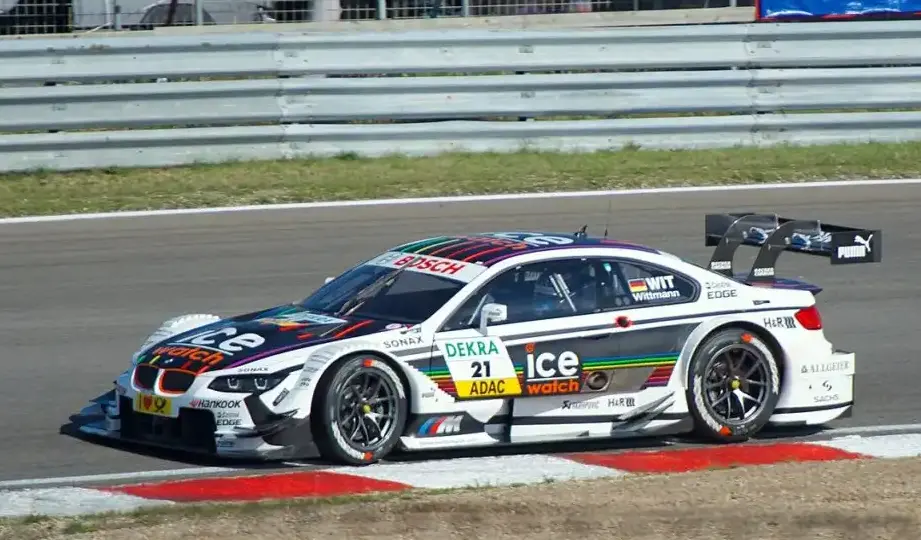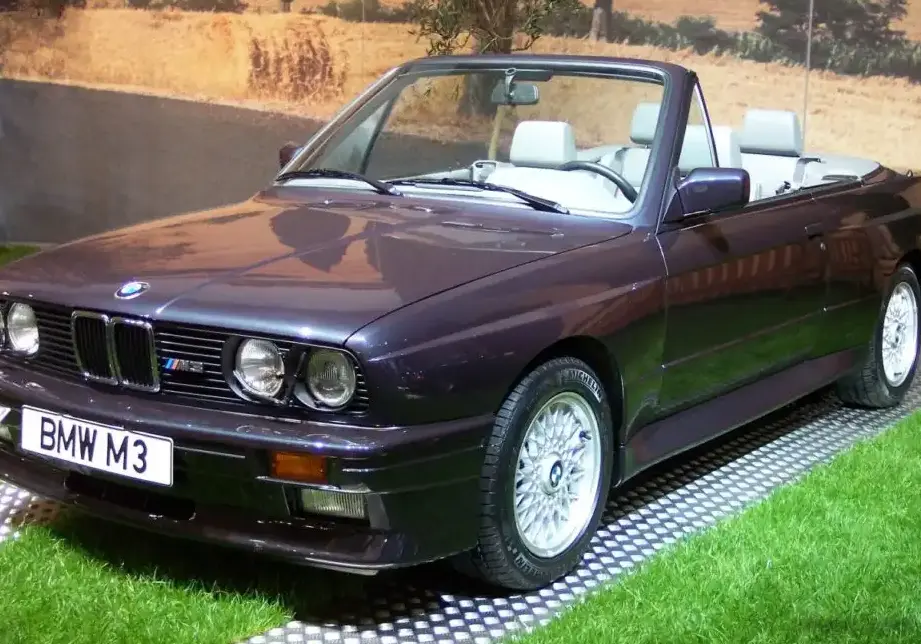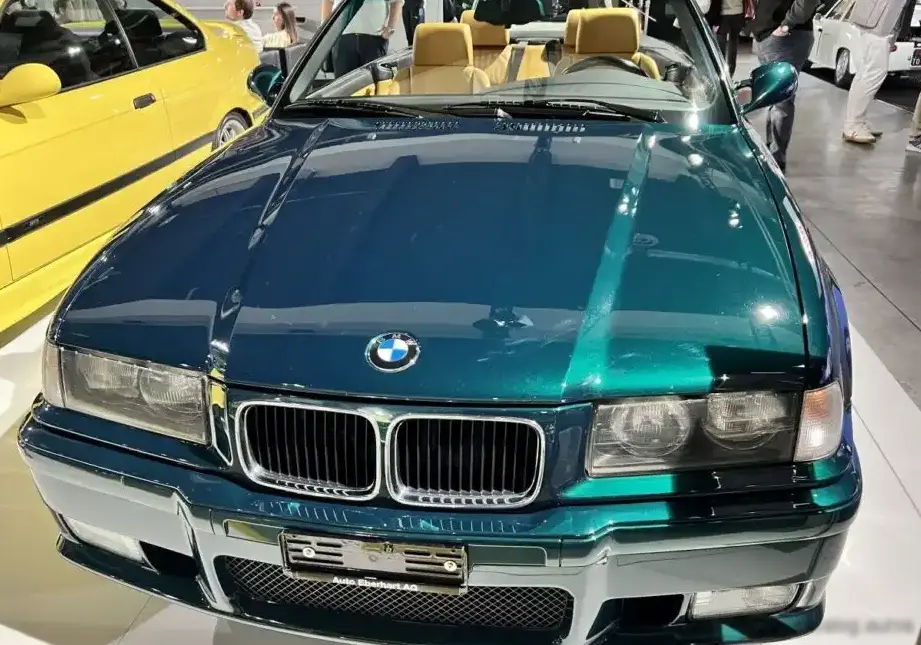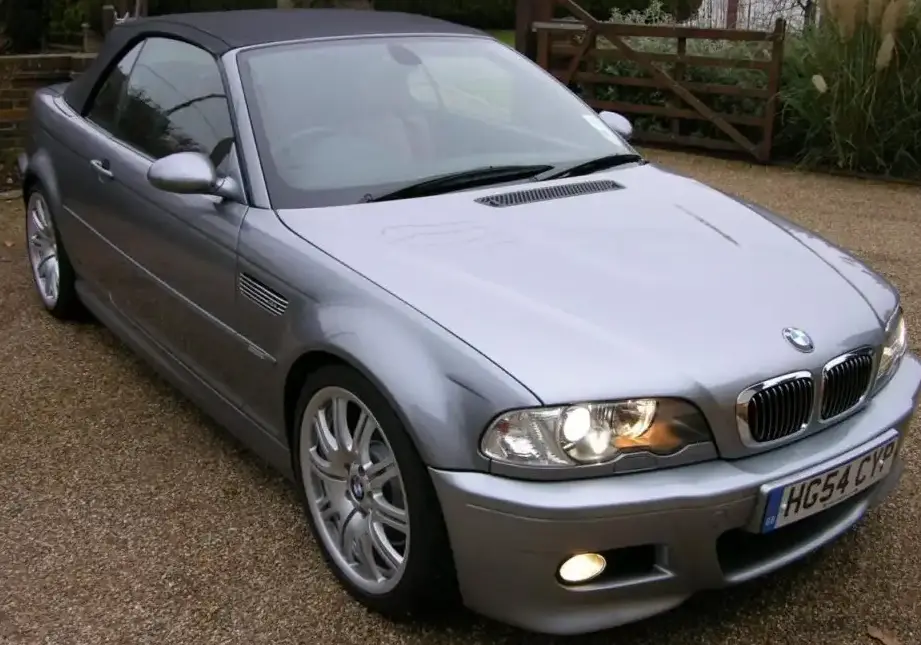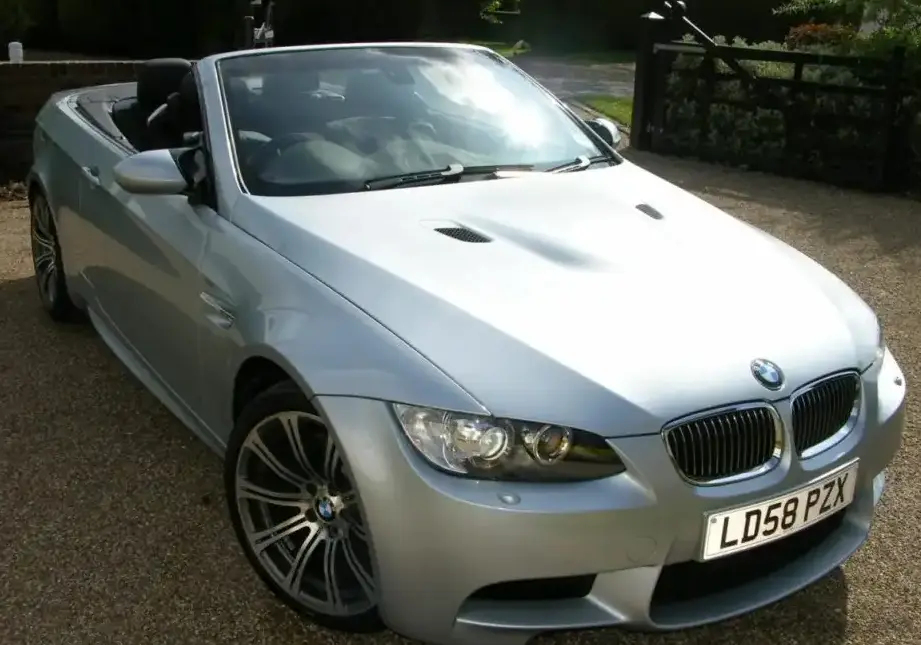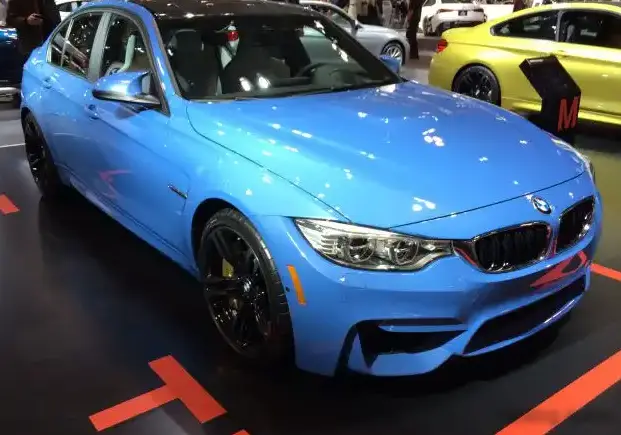
The BMW M3 Competition (F80) 3.0, produced from 2016 to 2020, represents a significant evolution of the iconic M3 lineage. Positioned as the higher-performance variant within the F80 generation, it built upon the already capable standard M3, offering increased power and a more focused driving experience. The F80 M3, overall, marked a return to a six-cylinder engine after a period with a V8, and the Competition package further refined this formula. It served as a direct competitor to models like the Mercedes-AMG C63 and the Cadillac ATS-V, aiming to deliver a blend of track capability and everyday usability.
Technical Specifications
| Brand | BMW |
| Model | M3 |
| Generation | M3 (F80) |
| Type (Engine) | Competition 3.0 (450 Hp) |
| Start of production | 2016 |
| End of production | 2020 |
| Powertrain Architecture | Internal Combustion engine |
| Body type | Sedan |
| Seats | 5 |
| Doors | 4 |
| Fuel consumption (economy) – urban | 12 l/100 km (19.6 US mpg) |
| Fuel consumption (economy) – extra urban | 6.9 l/100 km (34.1 US mpg) |
| Fuel consumption (economy) – combined | 8.8 l/100 km (26.7 US mpg) |
| CO2 emissions | 204 g/km |
| Fuel Type | Petrol (Gasoline) |
| Acceleration 0 – 100 km/h | 4.2 sec |
| Acceleration 0 – 62 mph | 4.2 sec |
| Acceleration 0 – 60 mph | 4 sec |
| Maximum speed | 250 km/h (155.34 mph) |
| Emission standard | Euro 6 |
| Weight-to-power ratio | 3.4 kg/Hp |
| Weight-to-torque ratio | 2.8 kg/Nm |
| Power | 450 Hp @ 7000 rpm |
| Power per litre | 151.1 Hp/l |
| Torque | 550 Nm @ 1850-5500 rpm (405.66 lb.-ft. @ 1850-5500 rpm) |
| Engine layout | Front, Longitudinal |
| Engine Model/Code | S55B30A |
| Engine displacement | 2979 cm3 (181.79 cu. in.) |
| Number of cylinders | 6 |
| Engine configuration | Inline |
| Cylinder Bore | 84 mm (3.31 in.) |
| Piston Stroke | 89.6 mm (3.53 in.) |
| Compression ratio | 10.2:1 |
| Number of valves per cylinder | 4 |
| Fuel injection system | Direct injection |
| Engine aspiration | Twin-power turbo, Intercooler |
| Engine oil capacity | 6.5 l (6.87 US qt | 5.72 UK qt) |
| Coolant | 13.9 l (14.69 US qt | 12.23 UK qt) |
| Kerb Weight | 1535 kg (3384.1 lbs.) |
| Max. weight | 2100 kg (4629.71 lbs.) |
| Max load | 565 kg (1245.61 lbs.) |
| Trunk (boot) space – minimum | 480 l (16.95 cu. ft.) |
| Fuel tank capacity | 60 l (15.85 US gal | 13.2 UK gal) |
| Max. roof load | 75 kg (165.35 lbs.) |
| Length | 4671 mm (183.9 in.) |
| Width | 1877 mm (73.9 in.) |
| Width including mirrors | 2037 mm (80.2 in.) |
| Height | 1431 mm (56.34 in.) |
| Wheelbase | 2812 mm (110.71 in.) |
| Front track | 1579 mm (62.17 in.) |
| Rear (Back) track | 1604 mm (63.15 in.) |
| Front overhang | 811 mm (31.93 in.) |
| Rear overhang | 1048 mm (41.26 in.) |
| Ride height (ground clearance) | 120 mm (4.72 in.) |
| Drag coefficient (Cd) | 0.34 |
| Minimum turning circle (turning diameter) | 12.2 m (40.03 ft.) |
| Drivetrain Architecture | Rear wheel drive |
| Number of gears and type of gearbox | 6 gears, manual transmission |
| Front suspension | Independent coil spring |
| Rear suspension | Independent multi-link suspension |
| Front brakes | Ventilated discs |
| Rear brakes | Ventilated discs |
| Assisting systems | ABS (Anti-lock braking system) |
| Steering type | Steering rack and pinion |
| Power steering | Electric Steering |
| Tires size | 265/30 ZR20 94Y; 285/30 ZR20 99Y |
| Wheel rims size | 9.0J x 20; 10.0J x 20 |
Powertrain & Engine Architecture
The heart of the M3 Competition is the S55B30A 3.0-liter inline-six engine. This engine, a departure from the previous generation’s V8, utilizes direct injection and a twin-scroll turbocharger to deliver 450 horsepower at 7,000 rpm and 405 lb-ft of torque between 1,850 and 5,500 rpm. The engine’s design prioritizes responsiveness and a broad torque curve. The S55 features a closed-deck engine block for increased strength, forged connecting rods, and a high-performance cooling system. The Competition package included specific engine tuning to enhance throttle response and power delivery. The standard transmission was a six-speed manual, providing a direct connection to the drivetrain.
Driving Characteristics
The M3 Competition, with its increased power output, offered a noticeably more aggressive driving experience compared to the standard M3. Acceleration was brisk, with 0-60 mph times consistently in the low four-second range. The engine’s torque delivery provided strong pull throughout the rev range, making it equally capable on the street and the track. The manual transmission, while engaging, required skillful operation to maximize performance. The suspension, tuned for performance, provided excellent body control but could be firm on rough road surfaces. The rear-wheel-drive configuration contributed to a balanced chassis and predictable handling characteristics.
Equipment & Trim Levels
The M3 Competition came standard with a comprehensive list of features, including leather upholstery, power-adjustable sport seats, a premium sound system, and a navigation system. The interior featured M-specific trim elements, such as carbon fiber accents and M badging. Optional extras included a head-up display, adaptive M suspension, and various interior customization options. The Competition package also included unique exterior styling cues, such as black side gills and a black kidney grille.
Chassis & Braking
The F80 M3 utilized a lightweight chassis construction, incorporating aluminum components in the front axle, suspension, and body panels. The suspension featured independent coil springs at the front and an independent multi-link suspension at the rear. The Competition package included stiffer springs and dampers for improved handling. Braking duties were handled by ventilated discs at all four corners, providing ample stopping power. The standard ABS system and dynamic stability control helped to maintain control in challenging conditions.
Market Reception & Comparison
The M3 Competition was widely praised by automotive critics for its performance, handling, and overall driving experience. It was often lauded as one of the best sports sedans available. Compared to the standard M3, the Competition offered a more focused and engaging driving experience, but at the expense of some everyday comfort. Against rivals like the Mercedes-AMG C63, the M3 Competition was often favored for its more balanced handling and precise steering. Fuel economy, while not a primary concern for M3 buyers, was reasonable for a high-performance vehicle, averaging around 26.7 US mpg in combined driving.
Legacy
The S55 engine, while powerful, has demonstrated some long-term reliability concerns, particularly related to the cooling system and oil pump. However, with proper maintenance, the engine is generally considered durable. The F80 M3 Competition remains a highly sought-after vehicle in the used car market, commanding premium prices. Its combination of performance, handling, and iconic status ensures its continued appeal to enthusiasts. The F80 generation, and the Competition variant specifically, represents a high point in BMW’s M3 history, bridging the gap between analog driving feel and modern performance technology.