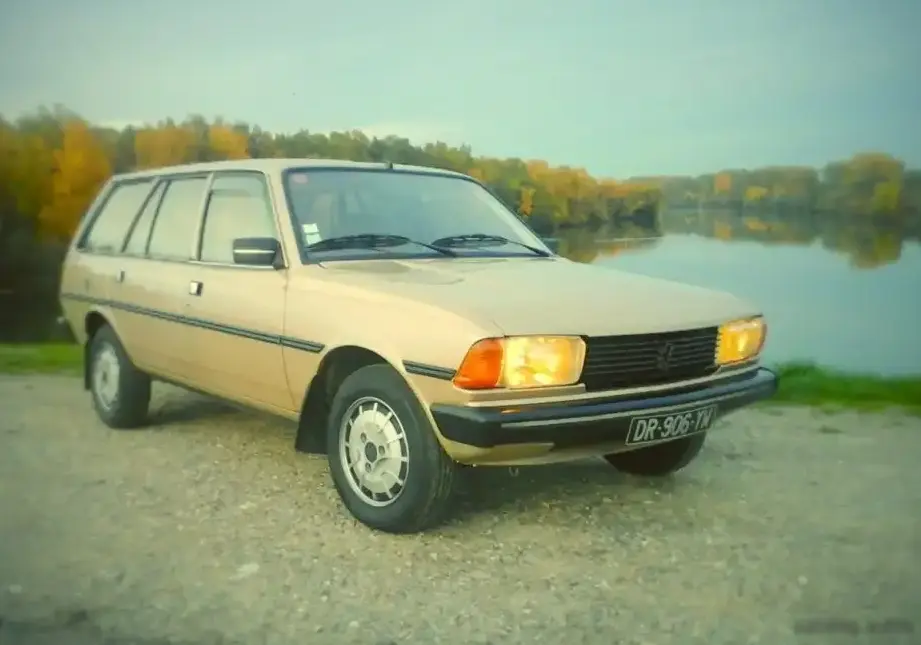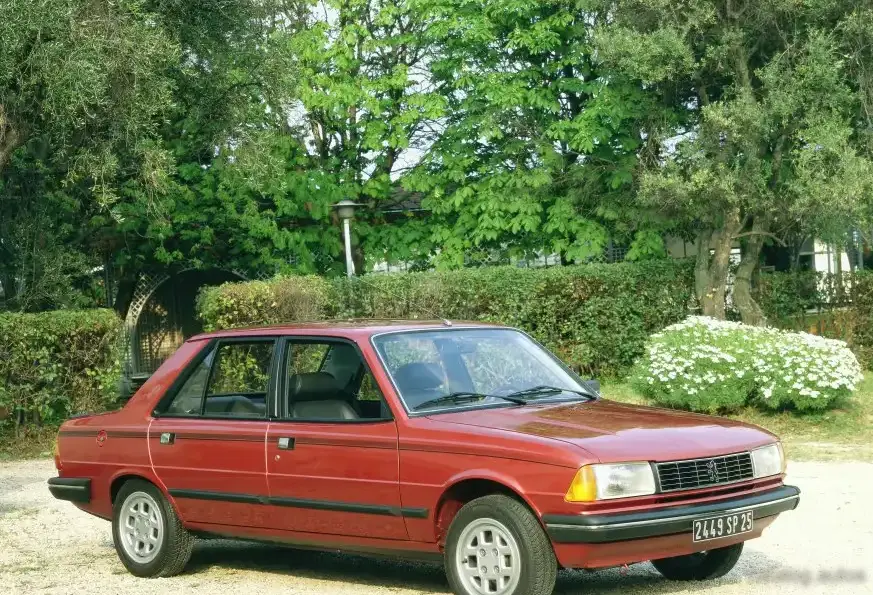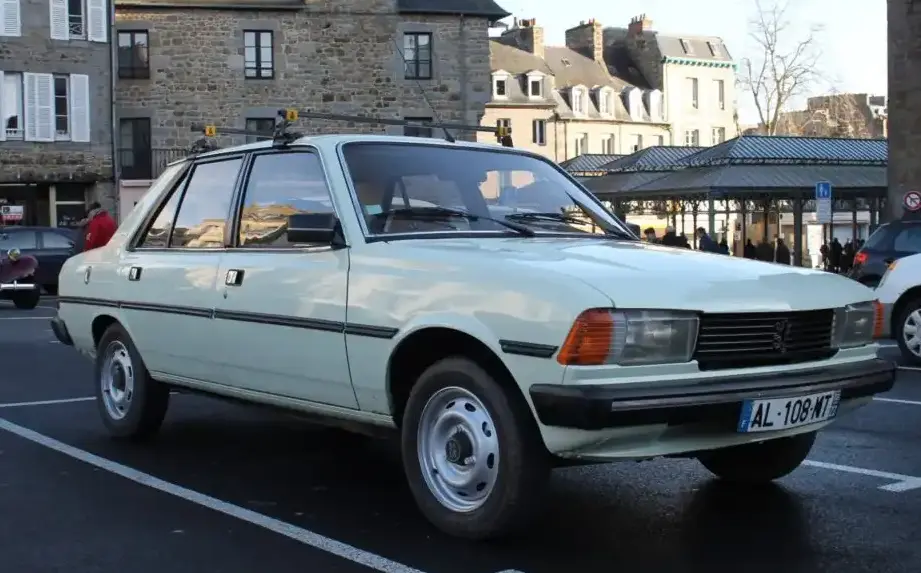
The Peugeot 305, launched in 1977, represented a significant step forward for the French automaker, replacing the aging Peugeot 504. The 305 I (581A), produced from 1979 to 1982, was the initial iteration of the model, and the 1.5-liter (73 horsepower) variant occupied the entry-level position in the lineup. This model was primarily aimed at the European market, offering a practical and economical family sedan during a period of increasing fuel costs and a demand for more compact vehicles. It was a key component of Peugeot’s strategy to offer a modern, reliable, and affordable car to a broader customer base.
Technical Specifications
| Brand | Peugeot |
| Model | 305 |
| Generation | 305 I (581A) |
| Type (Engine) | 1.5 (73 Hp) |
| Start of production | 1979 |
| End of production | 1982 |
| Powertrain Architecture | Internal Combustion engine |
| Body type | Sedan |
| Fuel Type | Petrol (Gasoline) |
| Power | 73 Hp |
| Engine Model/Code | 142 XR5 |
| Engine aspiration | Naturally aspirated engine |
| Engine oil capacity | 4 l (4.23 US qt | 3.52 UK qt) |
| Coolant capacity | 6.7 l (7.08 US qt | 5.9 UK qt) |
Powertrain & Engine Architecture
The heart of the 305 1.5 was the 142 XR5 engine, a 1,468 cc (89.5 cubic inches) inline-four cylinder petrol engine. This engine featured a cast iron block and an aluminum cylinder head. It utilized a single overhead camshaft (SOHC) valvetrain, operating two valves per cylinder. Fuel delivery was managed by a single, down-draft Solex carburetor, a common setup for European cars of this era. The engine produced 73 horsepower (54 kW) at 5,300 rpm and 88 lb-ft (120 Nm) of torque at 3,000 rpm. The engine was known for its relative simplicity and durability, though it wasn’t a powerhouse by any means. The 305 1.5 was typically paired with a four-speed manual transmission, but a three-speed automatic transmission was also available, though less common. The automatic transmission was a Borg-Warner unit, offering a smoother, albeit less efficient, driving experience.
Driving Characteristics
The 1.5-liter engine in the 305 I provided adequate, but not exhilarating, performance. Acceleration was modest, with a 0-60 mph time estimated around 14-16 seconds. The car was geared towards comfortable cruising rather than sporty driving. The automatic transmission, while convenient, further reduced acceleration times and contributed to slightly higher fuel consumption compared to the manual version. The gear ratios were optimized for fuel economy and relaxed highway driving. The engine felt relatively strained when pushed hard, and overtaking maneuvers required careful planning. Compared to the later 1.6-liter and diesel variants, the 1.5 felt noticeably underpowered. The manual transmission version offered a more engaging driving experience, allowing the driver to better utilize the available power.
Equipment & Trim Levels
The 305 1.5, as the entry-level model, was equipped with a fairly basic set of features. Standard equipment typically included cloth upholstery, vinyl floor covering, and a simple dashboard layout. The steering wheel was a two-spoke design, and the instrument cluster featured a speedometer, fuel gauge, and temperature gauge. Optional extras included a radio, heated rear window, and upgraded upholstery. The trim level was generally consistent across the 1.5 models, with minor variations depending on the specific market. The interior was functional and durable, prioritizing practicality over luxury. Air conditioning was rarely fitted to the base 1.5 models.
Chassis & Braking
The Peugeot 305 I utilized a MacPherson strut front suspension and a torsion beam rear suspension. This setup provided a comfortable ride, though handling was not particularly sharp. The steering was a recirculating ball system, which offered reasonable precision but lacked the feel of more modern steering technologies. Braking was initially accomplished with drum brakes on all four wheels. Later models, and those equipped with optional extras, often featured front disc brakes, providing improved stopping power. The braking system was adequate for the car’s weight and performance, but lacked the sophistication of more advanced systems. Stabilizer bars were typically fitted to the front suspension, helping to reduce body roll during cornering.
Market Reception & Comparison
The Peugeot 305 1.5 was generally well-received by automotive critics as a practical and economical family car. It was praised for its comfortable ride, fuel efficiency, and relatively low price point. However, it was also criticized for its lack of power and somewhat dated interior. Compared to its rivals, such as the Renault 18 and Citroën Visa, the 305 offered a good balance of features and affordability. The 1.6-liter version of the 305, introduced later, offered significantly improved performance and became a more popular choice. The diesel variants, while less powerful, provided even better fuel economy and were favored by those who covered long distances. The automatic transmission version of the 1.5 was less common, as many buyers opted for the more fuel-efficient and responsive manual transmission.
Legacy
The Peugeot 305, and specifically the 1.5-liter variant, played a crucial role in establishing Peugeot as a major player in the European family car market. The 142 XR5 engine, while not particularly sophisticated, proved to be relatively reliable and durable. Today, the 305 1.5 is a relatively rare sight on the roads, but it has gained a following among classic car enthusiasts. Parts availability can be challenging, but the engine’s simplicity makes it relatively easy to maintain for those with mechanical skills. The car represents a significant piece of automotive history, showcasing Peugeot’s commitment to innovation and affordability during the late 1970s and early 1980s. Well-maintained examples are increasingly sought after by collectors and enthusiasts who appreciate the car’s classic French charm and understated elegance.