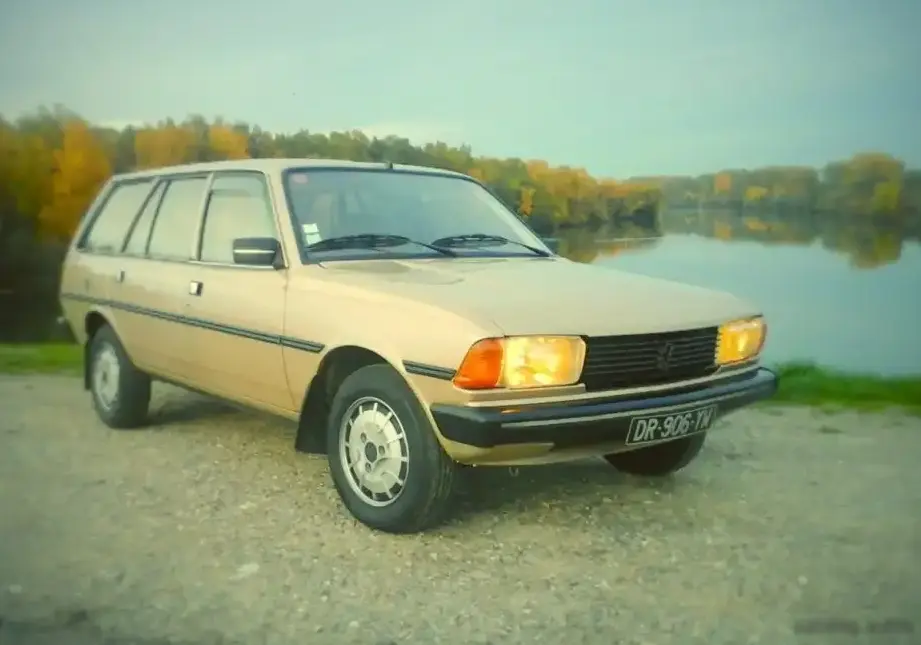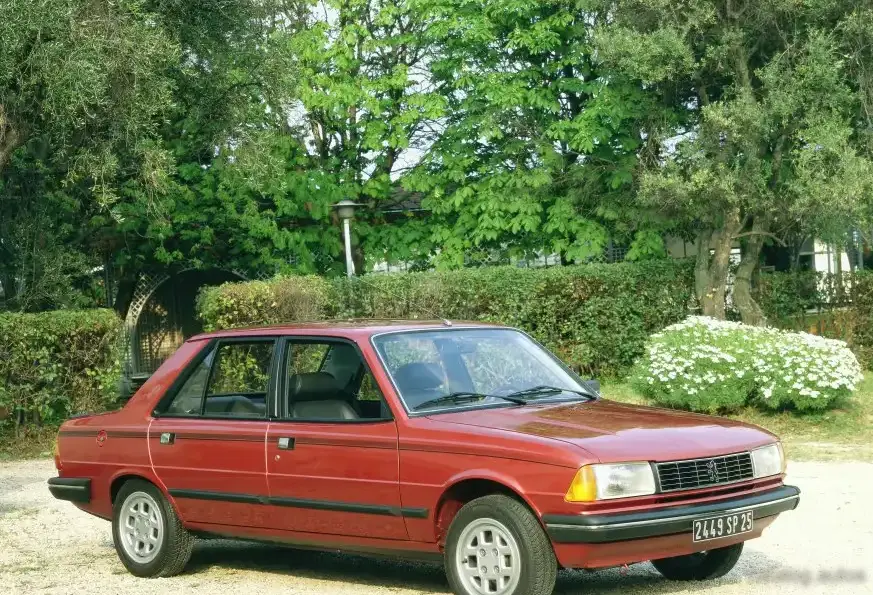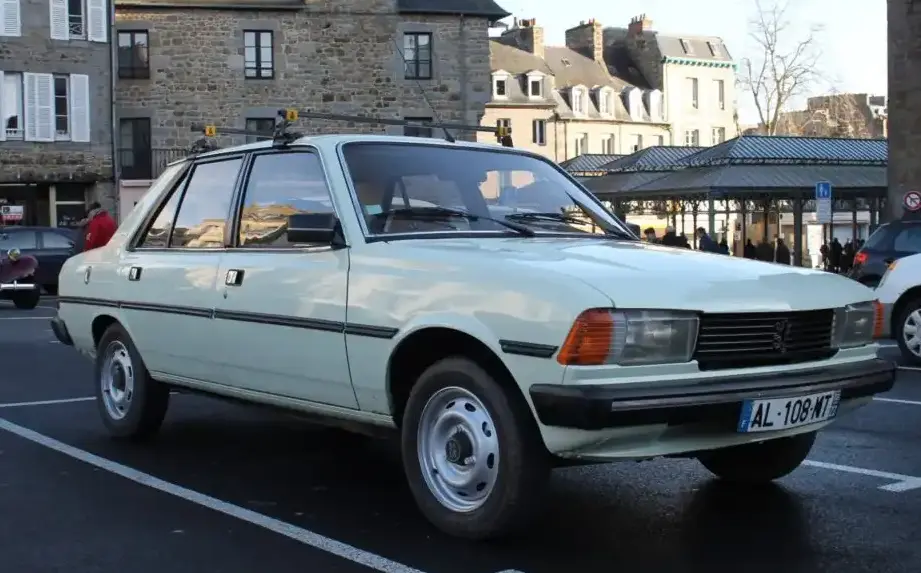
The Peugeot 305 1.5, produced between 1980 and 1982, represents the entry-level offering in the initial generation (581A) of Peugeot’s compact family sedan. Introduced as a replacement for the aging Peugeot 304, the 305 aimed to provide a more modern and spacious vehicle while maintaining Peugeot’s reputation for robust engineering and comfortable ride quality. This 1.5-liter variant, developing 88 horsepower, served as the foundation of the 305 range, appealing to buyers seeking economical transportation with a degree of French flair. It was a key model in Peugeot’s strategy to compete in the increasingly competitive European C-segment.
Technical Specifications
| Brand | Peugeot |
| Model | 305 |
| Generation | 305 I (581A) |
| Type (Engine) | 1.5 (88 Hp) |
| Start of production | 1980 |
| End of production | 1982 |
| Powertrain Architecture | Internal Combustion Engine |
| Body type | Sedan |
| Fuel Type | Petrol (Gasoline) |
| Power | 88 Hp |
| Engine Model/Code | 117 XR5S |
| Engine aspiration | Naturally Aspirated |
Powertrain & Engine Architecture
The heart of the Peugeot 305 1.5 is the 117 XR5S engine, a 1.5-liter (1477 cc) inline-four cylinder petrol engine. This engine is a naturally aspirated, overhead valve (OHV) design, utilizing a single overhead camshaft operating two valves per cylinder. The engine featured a relatively simple Solex C32 PHH carburetor for fuel delivery, a common setup for European vehicles of this era aiming for affordability and ease of maintenance. The 88 horsepower output was achieved at 6000 rpm, while peak torque of approximately 99 lb-ft (134 Nm) arrived at 3500 rpm. The engine block is constructed from cast iron, contributing to its durability, while the cylinder head is made of aluminum alloy.
The 305 1.5 was typically paired with a three-speed automatic transmission, although a four-speed manual gearbox was also available. The automatic transmission, while providing convenience, was not known for its particularly quick shifts or sporty feel. It was geared towards smooth operation and fuel efficiency. The transmission was rear-wheel drive, a configuration common for Peugeot sedans at the time. The drivetrain layout contributed to a balanced handling characteristic, though it wasn’t particularly dynamic compared to front-wheel-drive competitors.
Driving Characteristics
The driving experience in the Peugeot 305 1.5 Automatic is best described as comfortable and unhurried. The 88 horsepower engine, while adequate for everyday driving, doesn’t offer particularly brisk acceleration. Zero to sixty mph times were estimated to be around 13-14 seconds. The three-speed automatic transmission further contributes to this relaxed pace, with relatively wide gear ratios. The engine is reasonably responsive at lower speeds, making it suitable for city driving, but struggles when attempting to overtake at highway speeds. Compared to the later 1.6-liter and diesel variants, the 1.5 felt noticeably less powerful. The manual transmission version offered a more engaging driving experience, allowing the driver to better utilize the available power. The suspension, featuring independent front suspension with MacPherson struts and a torsion beam rear axle, provides a comfortable ride, absorbing bumps and imperfections in the road surface effectively. Steering is rack and pinion, offering reasonable precision, though it lacks the feedback found in more modern systems.
Equipment & Trim Levels
The 305 1.5 served as the base model, and as such, came equipped with a relatively modest level of standard features. Interior upholstery was typically cloth, available in a range of muted colors. The dashboard featured a simple, functional layout with basic instrumentation, including a speedometer, fuel gauge, and coolant temperature indicator. A basic AM/FM radio was often included, though more advanced audio systems were available as optional extras. Power steering was not standard on the 1.5 model, but could be added as an option. Other optional extras included a sunroof, upgraded upholstery, and tinted glass. The trim level was generally focused on practicality and affordability, prioritizing essential features over luxury appointments.
Chassis & Braking
The Peugeot 305 1.5 utilizes a body-on-frame construction, a relatively traditional approach for the time. The chassis is designed to provide a balance between rigidity and comfort. The front suspension employs MacPherson struts with coil springs and an anti-roll bar, while the rear suspension utilizes a torsion beam axle. Braking is accomplished via disc brakes on the front wheels and drum brakes on the rear wheels. The braking system is hydraulically assisted, providing adequate stopping power for the vehicle’s weight and performance. The relatively simple suspension and braking systems contribute to the 305’s ease of maintenance and relatively low running costs.
Market Reception & Comparison
The Peugeot 305 1.5 was generally well-received by automotive critics as a practical and affordable family sedan. However, the 1.5-liter engine was often criticized for being underpowered, particularly when compared to competitors offering larger displacement engines. Fuel economy was a strong point, with the 305 1.5 achieving around 30-35 mpg in mixed driving conditions. Compared to the later 1.6-liter version, the 1.5 offered less performance but was slightly more economical. The diesel variants, introduced later in the 305’s production run, provided significantly better fuel economy but at the expense of performance. The 305 1.5 competed with other European C-segment sedans such as the Volkswagen Jetta, Ford Cortina, and Opel Ascona.
Legacy
The Peugeot 305, and specifically the 1.5 variant, holds a significant place in Peugeot’s history as the model that ushered in a new era of design and engineering. While the 1.5-liter engine isn’t renowned for its longevity or high performance, the engine itself is relatively robust and, with proper maintenance, can provide reliable service. Today, the 305 1.5 is becoming increasingly sought after by classic car enthusiasts, particularly those interested in preserving a piece of French automotive history. Parts availability can be challenging, but a dedicated community of owners and specialists exists to support the preservation of these vehicles. The 305 1.5 represents a charming and affordable entry point into the world of classic Peugeot ownership, offering a unique blend of style, comfort, and practicality.