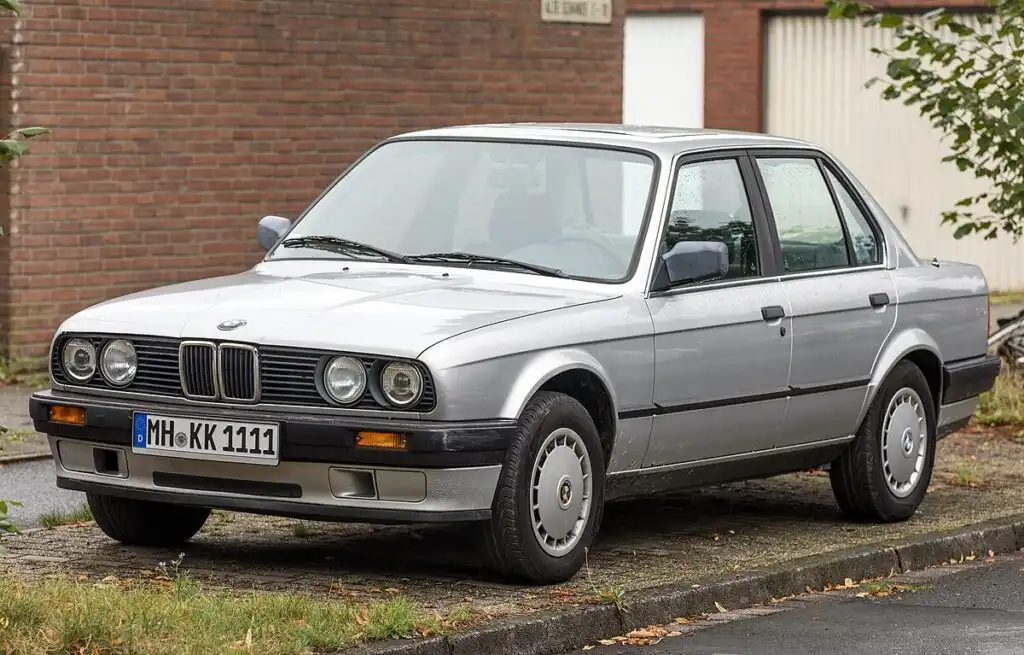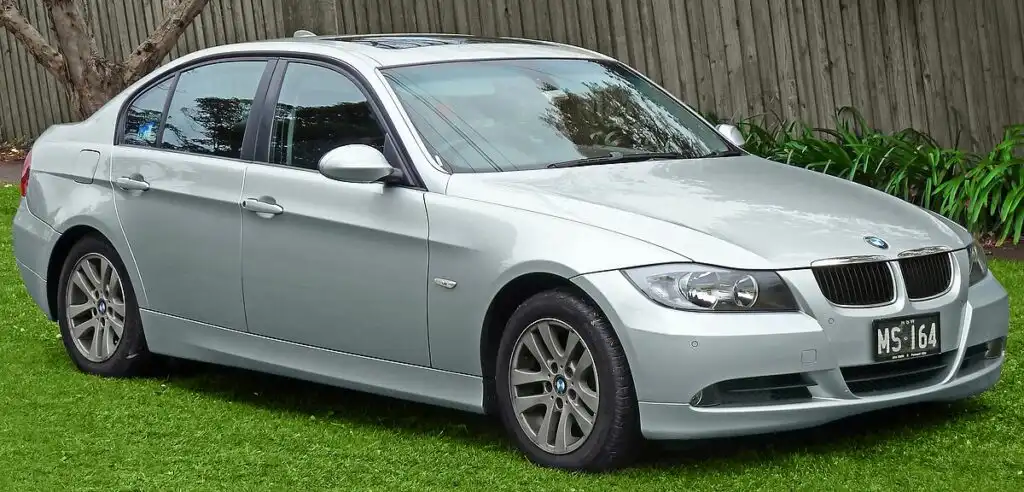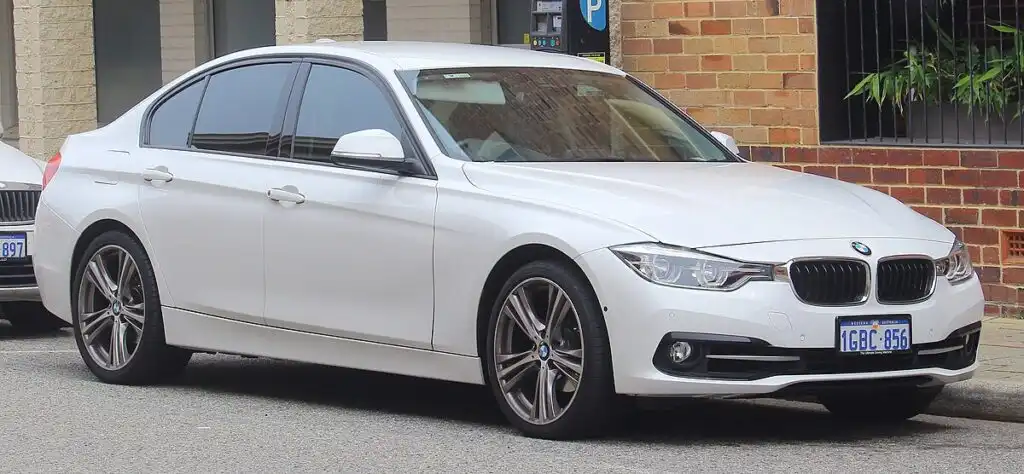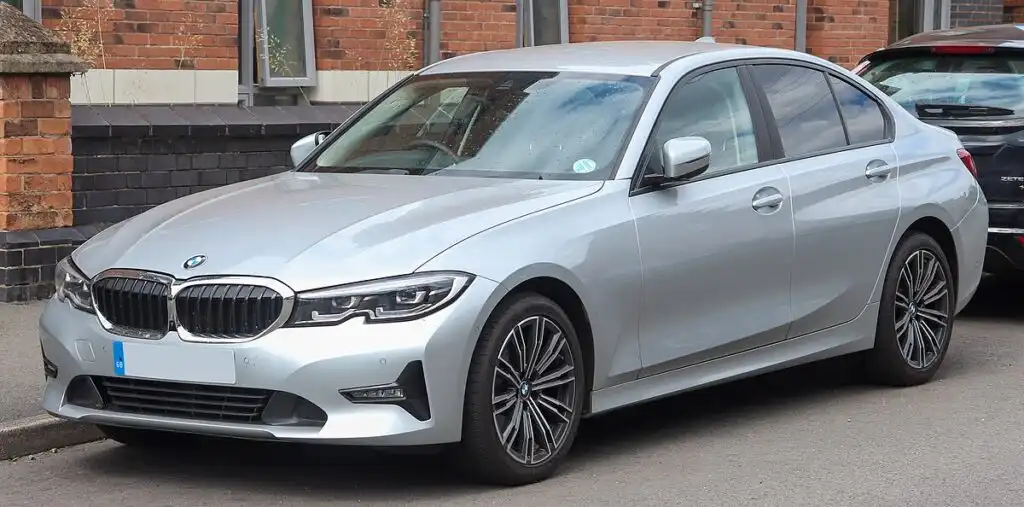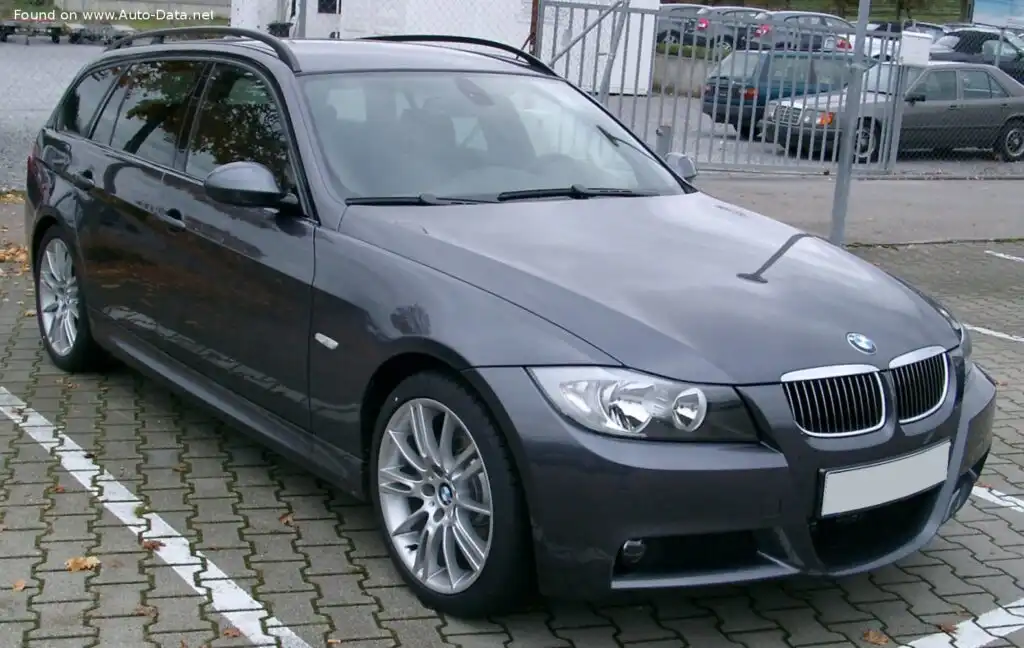
The BMW 3 Series Touring (E91) 318d, produced from 2006 to 2007, represents BMW’s entry point into the premium compact executive wagon market. Positioned within the E91 generation of the 3 Series Touring – the wagon variant of the E90 3 Series – the 318d offered a blend of practicality, fuel efficiency, and the BMW driving experience at a relatively accessible price point. It served as a key model for buyers prioritizing space and economy without sacrificing brand prestige. This variant was primarily sold in Europe, where the demand for wagons (estates) remained strong, and was not officially offered in the North American market.
Technical Specifications
| Brand | BMW |
| Model | 3 Series |
| Generation | 3 Series Touring (E91) |
| Type (Engine) | 318d (122 Hp) |
| Start of production | 2006 |
| End of production | 2007 |
| Powertrain Architecture | Internal Combustion engine |
| Body type | Station wagon (estate) |
| Seats | 5 |
| Doors | 5 |
| Fuel consumption (urban) | 7.9 l/100 km (29.8 US mpg) |
| Fuel consumption (extra urban) | 4.6 l/100 km (51.1 US mpg) |
| Fuel Type | Diesel |
| Acceleration 0 – 100 km/h | 10.9 sec |
| Acceleration 0 – 62 mph | 10.9 sec |
| Acceleration 0 – 60 mph | 10.4 sec |
| Maximum speed | 204 km/h (126.76 mph) |
| Weight-to-power ratio | 12.4 kg/Hp |
| Weight-to-torque ratio | 5.4 kg/Nm |
| Power | 122 Hp @ 4000 rpm |
| Torque | 280 Nm @ 1750 rpm (206.52 lb.-ft. @ 1750 rpm) |
| Engine layout | Front, Longitudinal |
| Engine Model/Code | M47D20TU2 |
| Engine displacement | 1995 cm3 (121.74 cu. in.) |
| Number of cylinders | 4 |
| Cylinder Bore | 84 mm (3.31 in.) |
| Piston Stroke | 90 mm (3.54 in.) |
| Compression ratio | 17:1 |
| Number of valves per cylinder | 4 |
| Fuel injection system | Diesel Commonrail |
| Engine aspiration | Turbocharger, Intercooler |
| Engine oil capacity | 5.2 l (5.49 US qt | 4.58 UK qt) |
| Coolant capacity | 7.8 l (8.24 US qt | 6.86 UK qt) |
| Kerb Weight | 1510 kg (3328.98 lbs.) |
| Max. weight | 2045 kg (4508.45 lbs.) |
| Max load | 535 kg (1179.47 lbs.) |
| Trunk (boot) space – minimum | 460 l (16.24 cu. ft.) |
| Trunk (boot) space – maximum | 1385 l (48.91 cu. ft.) |
| Fuel tank capacity | 61 l (16.11 US gal | 13.42 UK gal) |
| Length | 4520 mm (177.95 in.) |
| Width | 1817 mm (71.54 in.) |
| Height | 1421 mm (55.94 in.) |
| Wheelbase | 2760 mm (108.66 in.) |
| Front track | 1500 mm (59.06 in.) |
| Rear track | 1513 mm (59.57 in.) |
| Drivetrain Architecture | Rear wheel drive |
| Number of gears | 6 gears, manual transmission |
| Front suspension | Independent, type McPherson with coil spring and anti-roll bar |
| Rear suspension | Coil spring |
| Front brakes | Disc |
| Rear brakes | Disc |
| Assisting systems | ABS (Anti-lock braking system) |
| Tires size | 205/55 R16 |
| Wheel rims size | 16 |
Powertrain & Engine Architecture
The heart of the E91 318d is the M47D20TU2, a 2.0-liter inline-four diesel engine. This engine is a member of BMW’s M47 family, known for its robust construction and relatively simple design. The “TU2” designation indicates an updated version of the engine, incorporating improvements to fuel injection and turbocharging. It utilizes a common rail direct injection system, delivering fuel directly into the cylinders at extremely high pressure for optimized combustion. A single turbocharger with an intercooler provides forced induction, boosting power and torque. The engine features four valves per cylinder and a timing chain, contributing to its durability. The 318d was exclusively offered with a six-speed manual transmission, prioritizing fuel economy and driver engagement over the convenience of an automatic.
Driving Characteristics
The 122 horsepower and 280 lb-ft of torque produced by the M47D20TU2 engine provide adequate, though not exhilarating, performance. Acceleration from 0-60 mph takes around 10.4 seconds, and the top speed is 126.76 mph. The engine’s strength lies in its low-end torque, making it well-suited for everyday driving and overtaking maneuvers. The six-speed manual transmission is well-matched to the engine’s characteristics, offering precise shifts and allowing the driver to keep the engine in its optimal power band. Compared to the more powerful 320d or 330d models, the 318d feels noticeably slower, but it offers a more economical and relaxed driving experience. The rear-wheel-drive configuration provides a balanced handling feel, typical of BMWs.
Equipment & Trim Levels
The 318d Touring typically came equipped with a respectable level of standard features, including air conditioning, power windows, power mirrors, and a basic audio system. Interior upholstery was generally cloth, though leather options were available. Dashboard trim was typically a dark wood or metallic finish. Optional extras included a sunroof, upgraded audio systems, navigation, parking sensors, and sport seats. The 318d was often seen as the entry-level trim, so many examples were equipped with fewer options than their higher-powered siblings. However, it still offered the core BMW experience in a practical wagon body style.
Chassis & Braking
The E91 318d utilizes a McPherson strut front suspension and a multi-link rear suspension, providing a comfortable ride and good handling characteristics. The suspension was tuned to prioritize comfort over outright sportiness, making it well-suited for long journeys. Brakes are disc brakes all around, providing adequate stopping power. ABS (Anti-lock Braking System) is standard. The 318d’s relatively lower weight compared to higher-powered models contributes to its nimble handling. Stabilizer bars are present at both the front and rear, helping to reduce body roll during cornering.
Market Reception & Comparison
The 318d Touring was generally well-received by automotive critics as a practical and economical option within the premium wagon segment. It was praised for its fuel efficiency, comfortable ride, and spacious interior. However, some critics noted that the engine lacked the punch of its more powerful counterparts. Compared to the 320d, the 318d offered lower running costs but sacrificed performance. Compared to the 330d, the difference in performance was even more significant. The 318d appealed to buyers who prioritized fuel economy and practicality over outright speed and driving excitement.
Legacy
The M47D20TU2 engine, found in the E91 318d, has proven to be a relatively reliable powertrain when properly maintained. Common issues include injector failures and turbocharger wear, but these are typically addressed with routine servicing. On the used car market, the E91 318d Touring represents a relatively affordable entry point into BMW ownership. Its fuel efficiency and practicality make it a popular choice for families and individuals who need a versatile vehicle. While it may not offer the same level of performance as higher-powered models, it remains a capable and comfortable wagon that embodies the core values of the BMW brand.