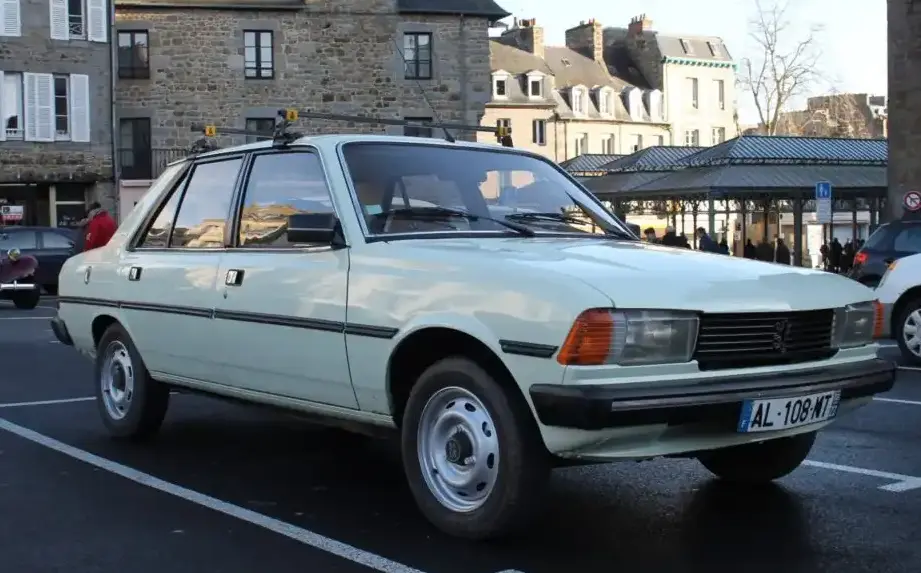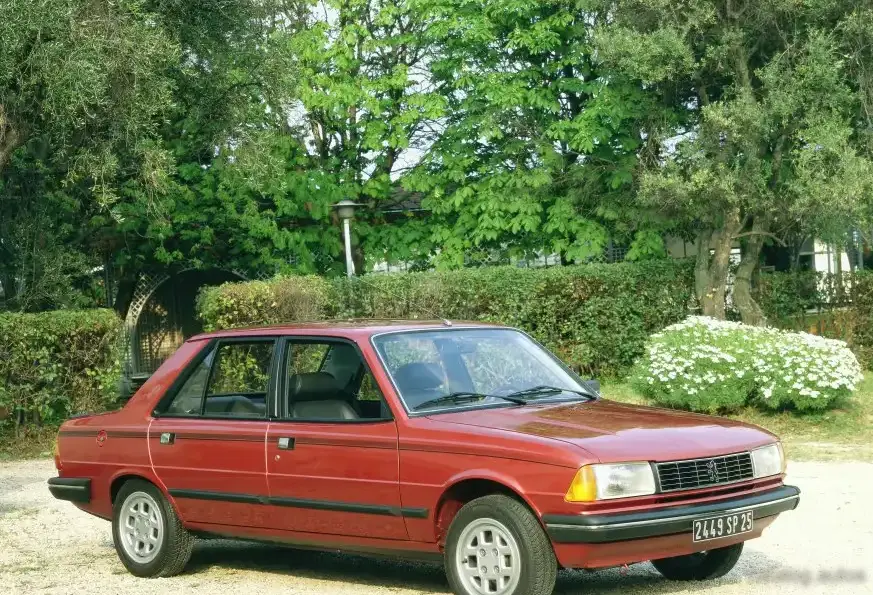
The Peugeot 305 Break 1.5 Diesel, designated internally as 581D, was a station wagon variant produced between 1980 and 1982. It represented Peugeot’s entry into the compact estate car market, offering a practical and economical option for families. Positioned as the base engine option within the 305 Break lineup, it prioritized fuel efficiency and affordability over outright performance. The 305 series, launched in 1977, was a significant model for Peugeot, replacing the aging 304 and offering a more modern design and improved mechanicals. The Break (estate) version expanded the 305’s appeal by providing increased cargo capacity and versatility.
Technical Specifications
| Brand | Peugeot |
| Model | 305 |
| Generation | 305 I Break (581D) |
| Type (Engine) | 1.5 Diesel (49 Hp) |
| Start of production | 1980 |
| End of production | 1982 |
| Powertrain Architecture | Internal Combustion engine |
| Body type | Station wagon (estate) |
| Fuel Type | Diesel |
| Power | 49 Hp |
| Engine Model/Code | 149 XID |
| Engine aspiration | Naturally aspirated engine |
| Engine oil capacity | 5 l (5.28 US qt | 4.4 UK qt) |
| Coolant capacity | 8.2 l (8.66 US qt | 7.21 UK qt) |
Powertrain & Engine Architecture
The 305 Break 1.5 Diesel was powered by the 149 XID engine, a 1.5-liter inline-four diesel engine. This engine was a naturally aspirated, indirect injection diesel, typical for the era. Indirect injection, while quieter than direct injection, generally resulted in lower power output and slightly increased emissions. The engine featured a cast iron block and cylinder head, contributing to its durability. The 149 XID produced 49 horsepower at around 4,000 rpm and approximately 77 lb-ft of torque. The engine utilized a Bosch rotary injection pump, a common setup for European diesels of the time. The valvetrain consisted of a single overhead camshaft operating two valves per cylinder. The transmission was a four-speed manual gearbox, as an automatic transmission was not offered with this engine configuration. The simplicity of the powertrain was a key factor in its reliability and ease of maintenance.
Driving Characteristics
The 305 Break 1.5 Diesel was not designed for spirited driving. Its 49 horsepower and relatively low torque output meant acceleration was slow, particularly when fully loaded. The four-speed manual transmission was geared for economy, with relatively tall ratios. This resulted in a relaxed cruising experience, but required frequent downshifting when encountering hills or overtaking. The engine was relatively noisy, a characteristic of indirect injection diesels. However, it provided acceptable fuel economy for the time, making it a popular choice for drivers covering long distances. Compared to the gasoline-powered 305 variants, the diesel offered significantly better fuel efficiency but considerably less performance. The diesel’s torque delivery was relatively flat, providing usable power across a narrow rev range, which was beneficial for towing or carrying heavy loads.
Equipment & Trim Levels
The 305 Break 1.5 Diesel was typically offered in a basic trim level, reflecting its position as the entry-level model. Standard equipment included cloth upholstery, vinyl floor covering, and basic instrumentation consisting of a speedometer, fuel gauge, and coolant temperature gauge. The steering wheel was a simple two-spoke design. Optional extras included a radio, heated rear window, and upgraded upholstery. The interior was functional and durable, prioritizing practicality over luxury. The Break body style itself offered a significant amount of cargo space, with the rear seats folding down to provide even more room. Exterior features were also basic, with steel wheels, black plastic bumpers, and minimal chrome trim.
Chassis & Braking
The 305 Break utilized a conventional chassis layout with independent front suspension and a torsion beam rear axle. The front suspension featured MacPherson struts with coil springs and an anti-roll bar. The rear suspension, while simple, provided a comfortable ride. Braking was accomplished via disc brakes on the front wheels and drum brakes on the rear wheels. The braking system was hydraulically operated, with no power assistance on the base model. Steering was a recirculating ball system, providing a relatively heavy but precise feel. The chassis was designed to provide a balance between comfort and handling, prioritizing stability and ride quality over sporty dynamics. The relatively light weight of the diesel engine helped to maintain a reasonable weight distribution.
Market Reception & Comparison
The Peugeot 305 Break 1.5 Diesel was generally well-received in Europe as an economical and practical family car. Critics praised its fuel efficiency and durability, but noted its lack of performance. Compared to other diesel-powered estate cars of the time, such as the Renault 12 Estate Diesel, the 305 offered a more modern design and a slightly more refined driving experience. However, it was often more expensive than its competitors. Within the 305 lineup, the 1.5 Diesel was positioned below the gasoline-powered variants, which offered more power and performance but at the cost of fuel economy. The diesel version appealed to drivers who prioritized economy and reliability over outright speed.
Legacy
The Peugeot 305 Break 1.5 Diesel, while not a performance icon, proved to be a durable and reliable vehicle. The 149 XID engine, despite its modest output, was known for its longevity. Today, surviving examples are relatively rare, but are sought after by enthusiasts who appreciate their simplicity and fuel efficiency. The 305 series as a whole played an important role in establishing Peugeot as a major player in the European compact car market. The Break variant, in particular, demonstrated Peugeot’s ability to produce practical and versatile vehicles. The 305’s influence can be seen in subsequent Peugeot models, which continued to prioritize comfort, practicality, and fuel efficiency. The 1.5 Diesel powertrain, while outdated by modern standards, remains a testament to the robustness of early diesel engine technology.