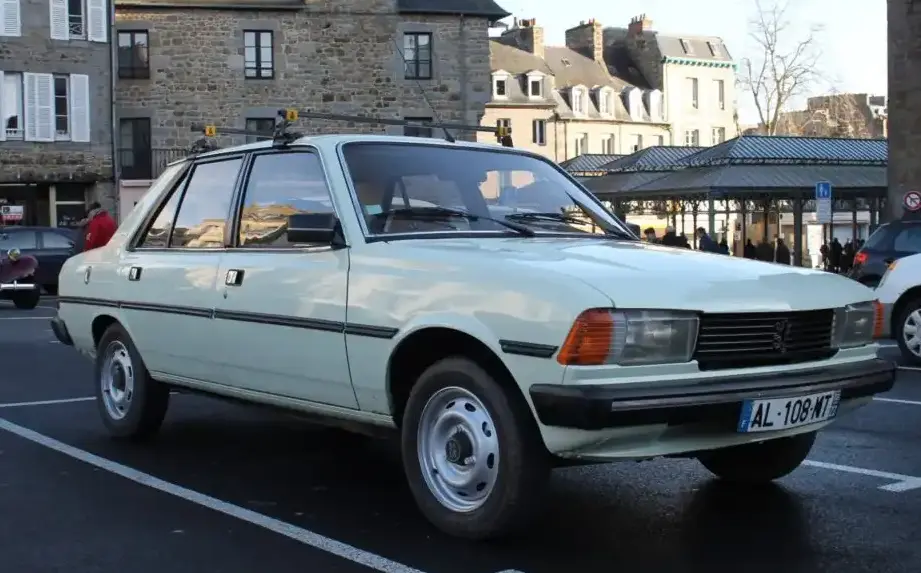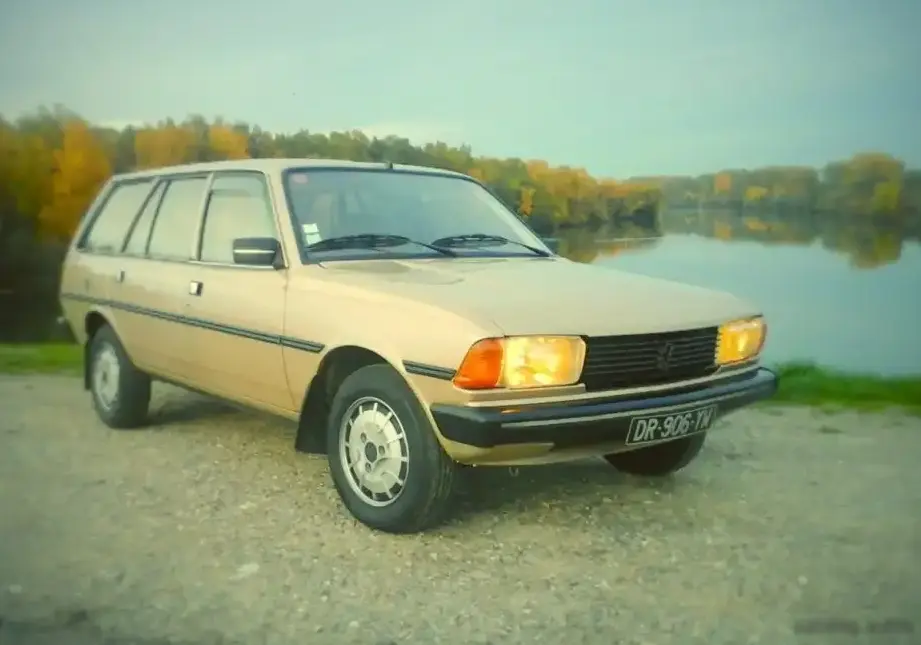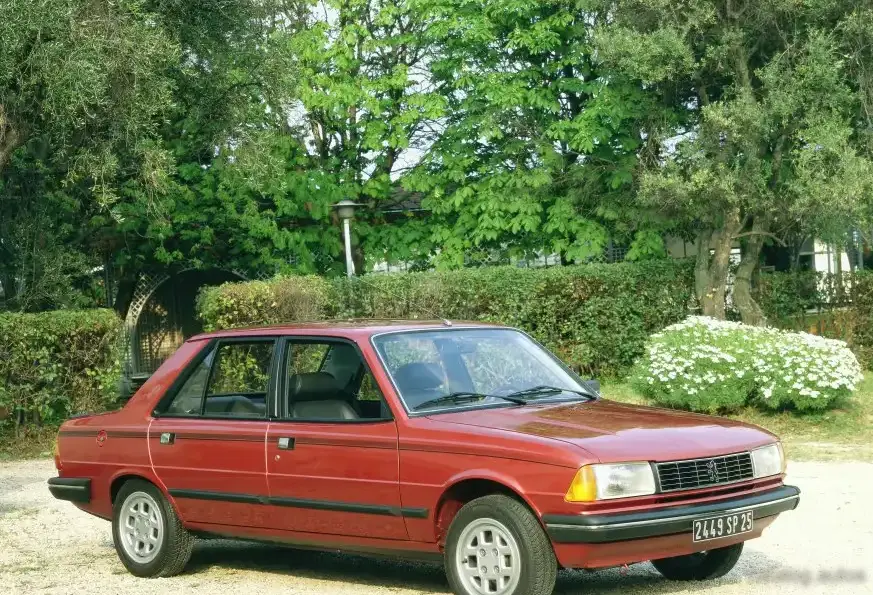
The Peugeot 305 II 1.6 (90 hp) represents a mid-range offering within the second generation of the Peugeot 305, produced between 1984 and 1987. Positioned as a practical and economical family sedan, it aimed to provide a balance between performance and fuel efficiency for the European market. The 305 II, designated internally as 581M, was a significant update to the original 305, featuring revised styling, improved interior appointments, and refinements to the chassis and powertrain. This 1.6-liter variant, while not the most powerful in the 305 lineup, was a popular choice due to its affordability and suitability for everyday driving.
Technical Specifications
| Brand | Peugeot |
| Model | 305 |
| Generation | 305 II (581M) |
| Type (Engine) | 1.6 (90 hp) |
| Start of Production | 1984 |
| End of Production | 1987 |
| Powertrain Architecture | Internal Combustion Engine |
| Body Type | Sedan |
| Fuel Type | Petrol (Gasoline) |
| Power | 90 hp |
| Engine Model/Code | 171 XU5S |
| Engine Aspiration | Naturally Aspirated |
| Engine Oil Capacity | 5 liters (5.28 US qt / 4.4 UK qt) |
| Coolant Capacity | 6.5 liters (6.87 US qt / 5.72 UK qt) |
Powertrain & Engine Architecture
The heart of the 305 II 1.6 is the Peugeot-developed XU5S engine, specifically the 171 variant. This is a 1.580-liter (96.2 cubic inches) inline-four cylinder engine. It features a cast iron block and an aluminum cylinder head, a common configuration for European engines of the era. The XU5S engine utilizes a single overhead camshaft (SOHC) valvetrain, operating two valves per cylinder. Fuel delivery is managed by a Bosch mechanical fuel injection system, a step up from the carburetors used in earlier 305 models, contributing to improved fuel efficiency and reduced emissions. The engine produces 90 horsepower at 6000 rpm and approximately 132 Nm (97 lb-ft) of torque at 4000 rpm.
The 305 II 1.6 was typically paired with a three-speed automatic transmission. This transmission, while providing convenience, was not known for its particularly quick shifts or sporting character. It was geared towards smooth operation and fuel economy. Manual transmission options were also available in the 305 II range, offering a more engaging driving experience and slightly improved performance.
Driving Characteristics
The 305 II 1.6 Automatic delivers a comfortable, if not particularly exhilarating, driving experience. The automatic transmission prioritizes smooth gear changes over rapid acceleration. Acceleration from 0 to 60 mph is estimated to be around 12-13 seconds, making it competitive with other family sedans of the time, but noticeably slower than the 305 variants equipped with larger engines or manual transmissions. The gear ratios are optimized for cruising, making it a suitable vehicle for long highway journeys. The engine provides adequate power for everyday driving situations, such as merging onto highways and overtaking slower vehicles, but requires careful planning when attempting more aggressive maneuvers. The automatic transmission does sap some power compared to the manual versions.
Steering is relatively light and precise, making the 305 II easy to maneuver in urban environments. The suspension, while comfortable, can feel somewhat soft and exhibits noticeable body roll during cornering. Overall, the driving experience is geared towards practicality and comfort rather than outright performance.
Equipment & Trim Levels
The 305 II 1.6 typically came equipped with a reasonable level of standard features for its time. These included cloth upholstery, a basic instrument cluster, and manually adjustable seats. Air conditioning was often an optional extra, as were power windows and a radio. The interior design was functional and straightforward, prioritizing usability over luxury. Trim levels varied depending on the market, but generally, the 1.6-liter model represented a mid-range offering. Higher trim levels, often associated with the larger engine options, featured upgraded upholstery, additional chrome trim, and more comprehensive equipment lists.
Common optional extras included a sunroof, upgraded sound system, and metallic paint finishes. The dashboard layout was relatively simple, with clearly labeled controls and a focus on ergonomics.
Chassis & Braking
The 305 II utilizes a conventional front-engine, front-wheel-drive layout. The suspension consists of independent front suspension with MacPherson struts and a twist-beam rear axle. This setup provides a comfortable ride, but as mentioned previously, can result in noticeable body roll during cornering. The braking system on the 305 II 1.6 typically features disc brakes on the front wheels and drum brakes on the rear wheels. This configuration was common for vehicles in this class during the 1980s. Power steering was often an optional extra, but became increasingly common on later models. Stabilizer bars were fitted to both the front and rear axles to help reduce body roll and improve handling.
Market Reception & Comparison
The Peugeot 305 II 1.6 Automatic was generally well-received by automotive critics as a practical and affordable family sedan. It was praised for its fuel efficiency, comfortable ride, and relatively spacious interior. However, it was also criticized for its lack of outright performance and the somewhat dated design of the automatic transmission. Compared to its siblings, such as the 305 GR (Grand Rallye) with its more powerful engine and sport-tuned suspension, the 1.6 Automatic offered a more relaxed and economical driving experience. The 1.9-liter diesel version provided superior fuel economy but lacked the refinement of the gasoline engine. The 1.6 Automatic appealed to buyers who prioritized comfort and practicality over performance.
Fuel economy was a strong point for the 305 II 1.6, averaging around 30-35 mpg in mixed driving conditions. Reliability was generally good, although the Bosch fuel injection system could require occasional maintenance.
Legacy
The Peugeot 305 II, including the 1.6 Automatic variant, played a significant role in establishing Peugeot as a major player in the European family car market. The XU5S engine proved to be a durable and reliable powerplant, and many examples are still on the road today. In the used car market, the 305 II 1.6 Automatic is often sought after by enthusiasts and collectors who appreciate its classic styling and simple mechanicals. While not a particularly rare or valuable vehicle, well-maintained examples can command a reasonable price. The 305 II paved the way for subsequent Peugeot models, such as the 405, which built upon its strengths and further refined the Peugeot driving experience. The automatic transmission, while not a performance standout, proved to be reasonably durable and continues to function reliably in many surviving vehicles.