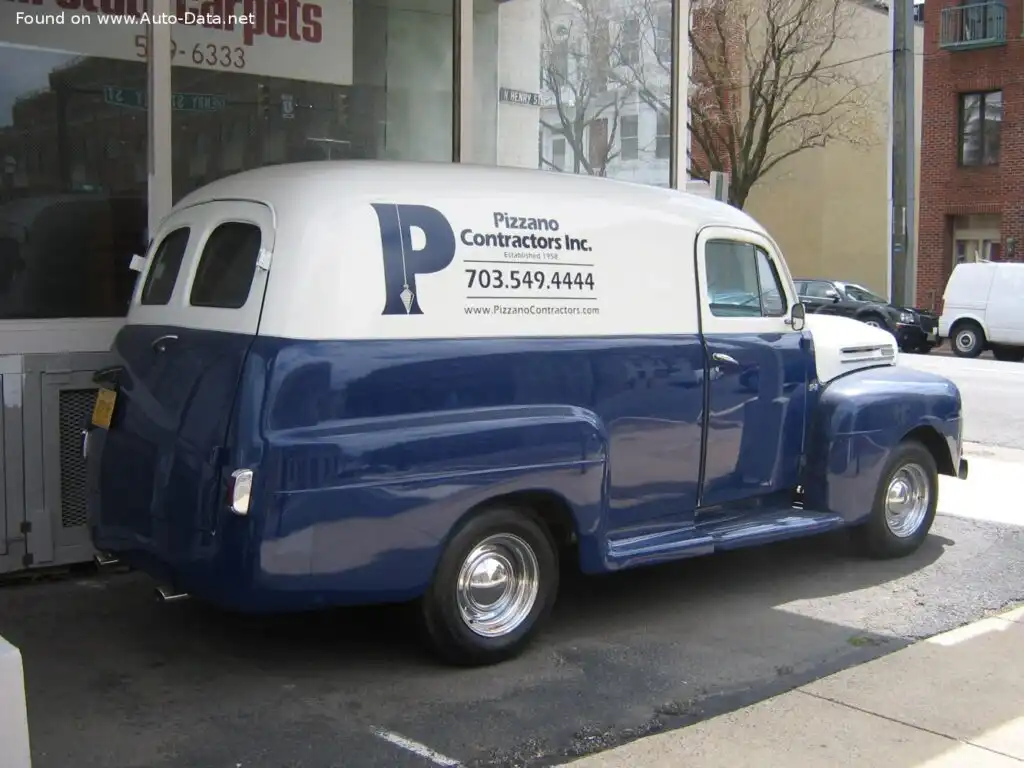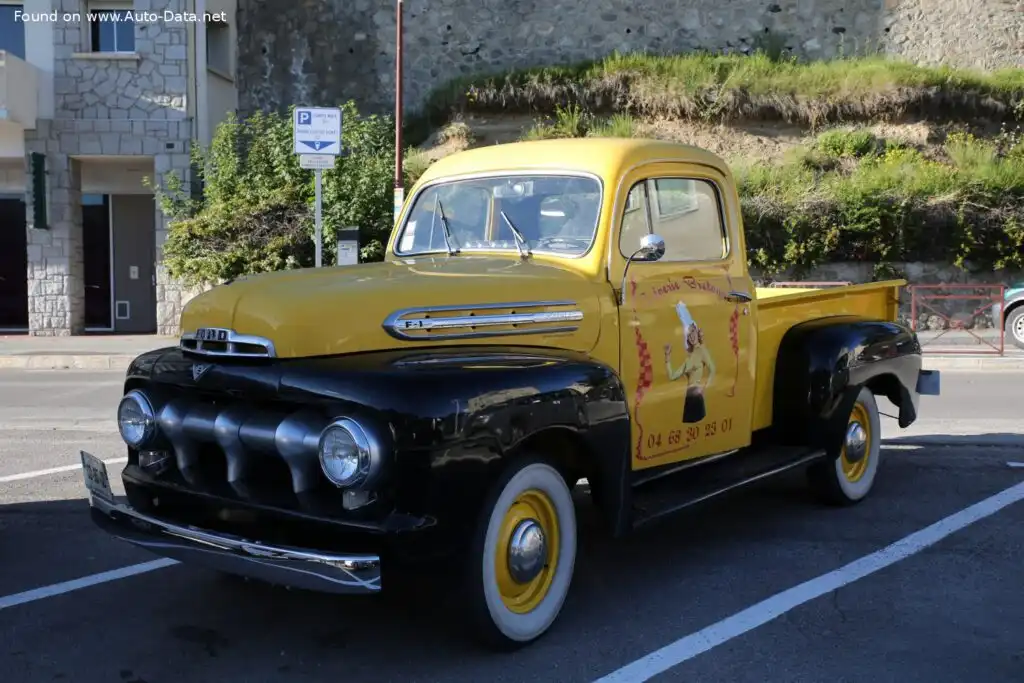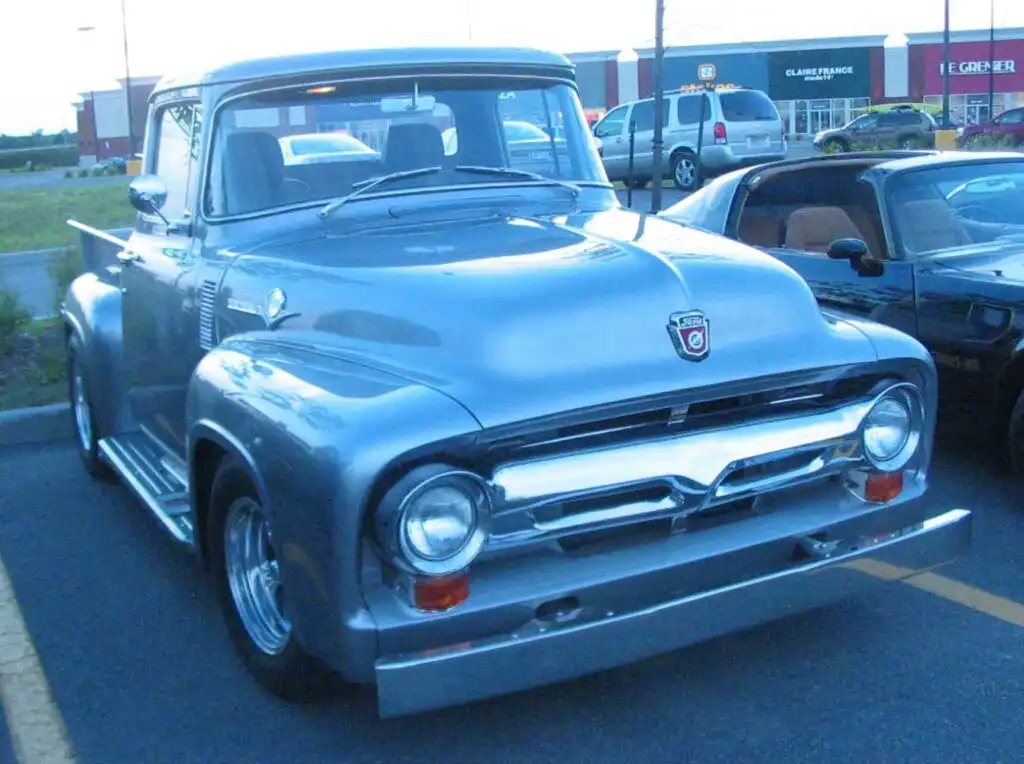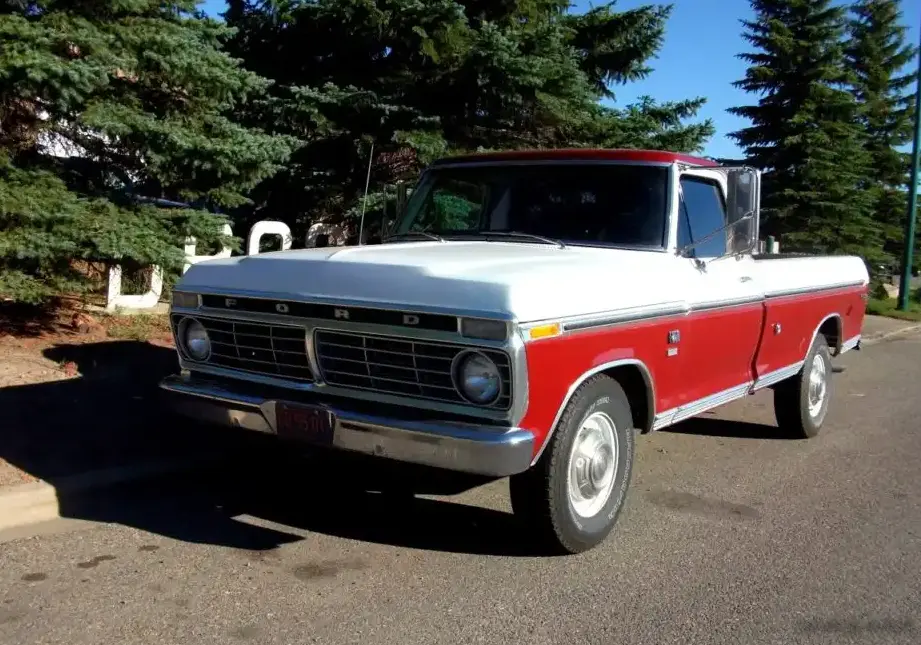
The Ford F-250, part of the sixth generation of the F-Series trucks produced from 1973 to 1979, represented a significant evolution in Ford’s heavy-duty pickup truck lineup. The 1972-1974 models, while technically bridging the fifth and sixth generations, are often categorized within the sixth due to substantial design changes. The F-250 was positioned above the F-100 and F-150, offering increased payload and towing capacity for demanding work applications. Within the F-250 range, the 4.9-liter inline-six engine paired with an automatic transmission represented an entry-level configuration, prioritizing affordability and durability over outright performance. This variant was aimed at buyers needing a robust work truck without the expense of the larger V8 options.
Technical Specifications
| Brand | Ford |
| Model | F-Series F-250 |
| Generation | F-Series F-250 VI Regular Cab |
| Type (Engine) | 4.9 300 Six (118 Hp) Automatic |
| Start of production | December, 1972 |
| End of production | 1974 |
| Powertrain Architecture | Internal Combustion engine |
| Body type | Pick-up |
| Seats | 3 |
| Doors | 2 |
| Fuel Type | Petrol (Gasoline) |
| Power | 118 Hp |
| Power per litre | 24 Hp/l |
| Engine displacement | 4916 cm3 / 299.99 cu. in. |
| Number of cylinders | 6 |
| Engine configuration | Inline |
| Cylinder Bore | 101.6 mm / 4 in. |
| Piston Stroke | 101.09 mm / 3.98 in. |
| Fuel injection system | Carburettor |
| Engine aspiration | Naturally aspirated engine |
| Max. weight | 3674 kg / 8099.78 lbs. |
| Trunk (boot) space – minimum | 1852-2070 l / 65.4 – 73.1 cu. ft. |
| Length | 5215 mm / 205.31 in. |
| Wheelbase | 3378 mm / 132.99 in. |
| Wading depth | 681 mm / 26.81 in. |
| Drivetrain Architecture | The Internal combustion engine (ICE) drives the rear wheels of the vehicle. |
| Drive wheel | Rear wheel drive |
| Number of gears and type of gearbox | automatic transmission Cruise-O-Matic |
| Front suspension | Independent coil spring |
| Rear suspension | Leaf spring |
| Front brakes | Disc |
| Rear brakes | Drum |
| Steering type | Cone worm with recirculation balls |
| Power steering | Electric Steering |
| Tires size | 215/85 R16.5 |
| Wheel rims size | 6J x 16.5 |
Powertrain & Engine Architecture
The heart of this F-250 variant was the 4.9-liter (299 cubic inch) inline-six cylinder engine, commonly known as the “300 Six.” This engine, a mainstay of Ford trucks for decades, was renowned for its exceptional durability and low-end torque. While its 118 horsepower output wasn’t particularly high, it provided sufficient power for typical work truck applications. The engine utilized a single-barrel carburetor for fuel delivery, a relatively simple system that contributed to its reliability. The valvetrain employed a traditional pushrod configuration. The automatic transmission was a Ford Cruise-O-Matic, a three-speed unit known for its smooth operation and durability. This transmission was a popular choice for buyers who preferred the convenience of an automatic over a manual gearbox, even if it slightly reduced fuel efficiency and performance.
Driving Characteristics
The 118 hp and automatic transmission combination resulted in a driving experience focused on practicality rather than speed. Acceleration was modest, and the truck wasn’t designed for quick maneuvers. However, the 300 Six’s strong low-end torque provided adequate pulling power for hauling loads and towing trailers. The Cruise-O-Matic transmission’s gear ratios were optimized for work, prioritizing torque multiplication over rapid acceleration. Compared to the V8-powered F-250s, this variant felt noticeably slower, especially when fully loaded. However, the simpler engine and transmission contributed to lower maintenance costs and increased reliability. The rear-wheel-drive configuration, standard for all F-250s of this era, provided good traction in most conditions, but could struggle in slippery environments without added weight in the bed.
Equipment & Trim Levels
The 4.9-liter F-250 with automatic transmission typically represented the base trim level. Standard features were relatively sparse, reflecting its work-oriented nature. The interior usually featured a vinyl bench seat, a basic dashboard with minimal instrumentation, and rubber floor mats. Options were available, including upgraded upholstery, a radio, and a heater. Power steering was often included, but air conditioning was typically an extra-cost option. The exterior trim was also minimal, with basic chrome bumpers and a simple grille. The focus was on functionality and durability rather than luxury or aesthetics.
Chassis & Braking
The F-250 chassis was built for heavy-duty use. It featured a robust frame and a heavy-duty suspension system. The front suspension utilized independent coil springs, providing a relatively comfortable ride for a truck of this size. The rear suspension employed leaf springs, designed to handle heavy loads. The braking system consisted of disc brakes on the front wheels and drum brakes on the rear. While adequate for the truck’s weight and intended use, the braking performance wasn’t particularly strong by modern standards. Steering was accomplished via a cone worm and recirculating ball system, offering a solid but somewhat indirect feel.
Market Reception & Comparison
The 4.9-liter F-250 automatic was generally well-received by buyers who prioritized affordability and reliability. Critics acknowledged its modest performance but praised its durability and low operating costs. Compared to the V8-powered F-250s, it offered a lower price point and simpler maintenance. However, it lacked the power and towing capacity of its larger-engined siblings. Fuel economy, while not a primary concern for truck buyers at the time, was slightly better with the six-cylinder engine. The 300 Six’s reputation for longevity made it a popular choice for fleet buyers and individuals who needed a dependable work truck that could withstand years of hard use.
Legacy
The 4.9-liter inline-six engine and Cruise-O-Matic transmission combination proved to be exceptionally durable. Many examples of these trucks are still on the road today, a testament to their robust construction and reliable powertrain. In the used car market, these F-250s are often sought after by enthusiasts and collectors who appreciate their simplicity and durability. While not as desirable as the V8-powered models, they offer a more affordable entry point into the classic Ford truck market. The 300 Six remains a legendary engine among Ford truck aficionados, celebrated for its longevity and ability to withstand decades of use with minimal maintenance. Its continued presence in the used vehicle landscape speaks volumes about its enduring quality and the smart engineering that went into its design.