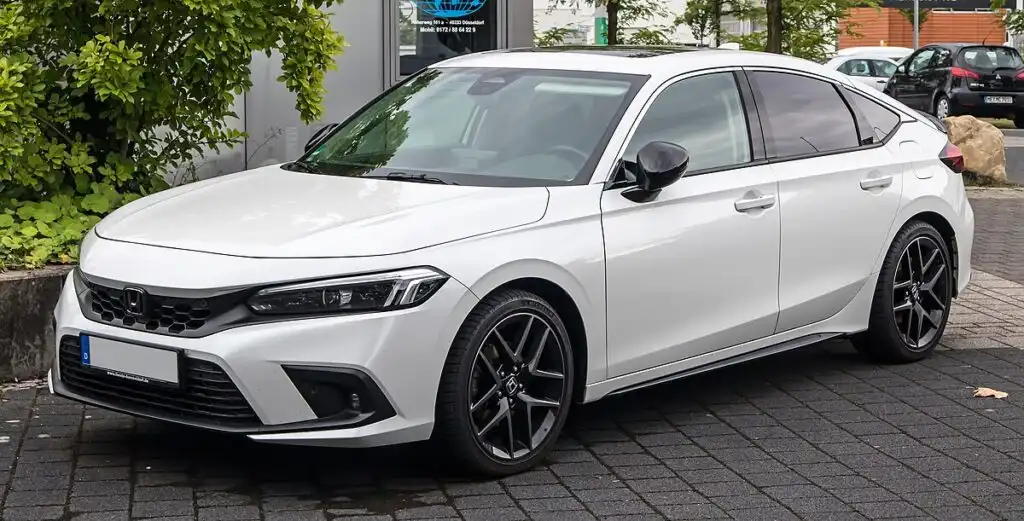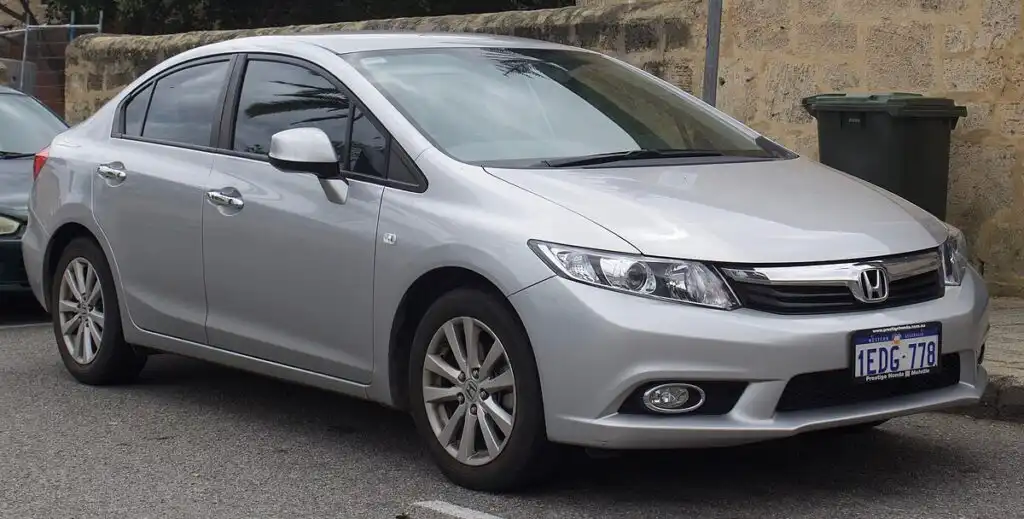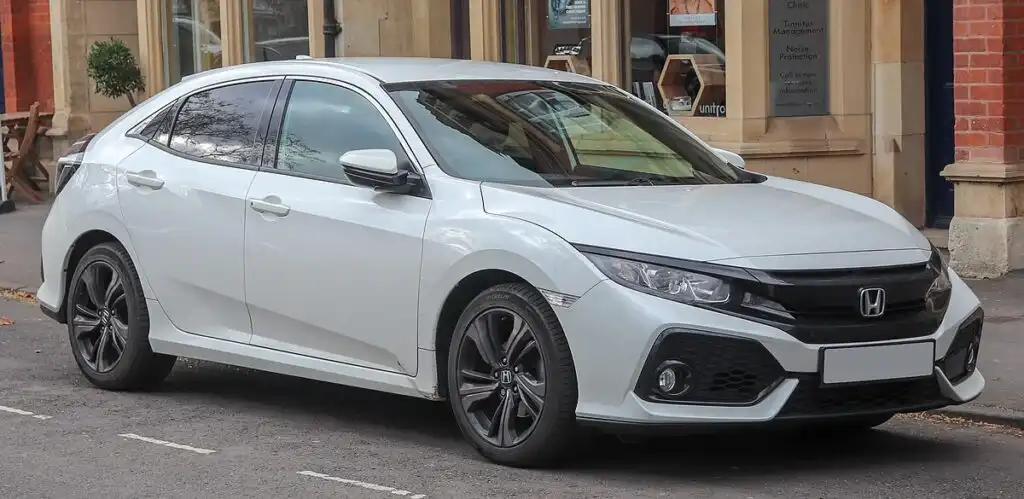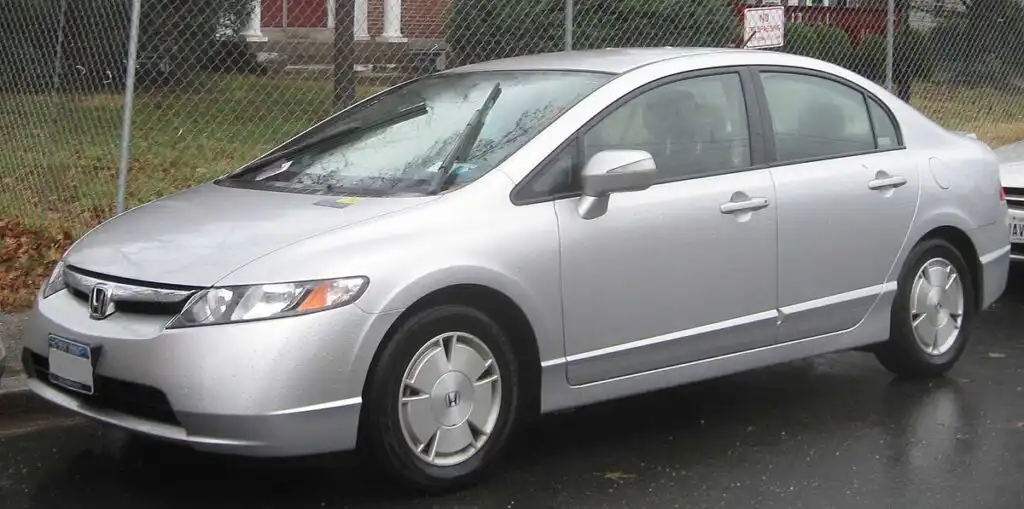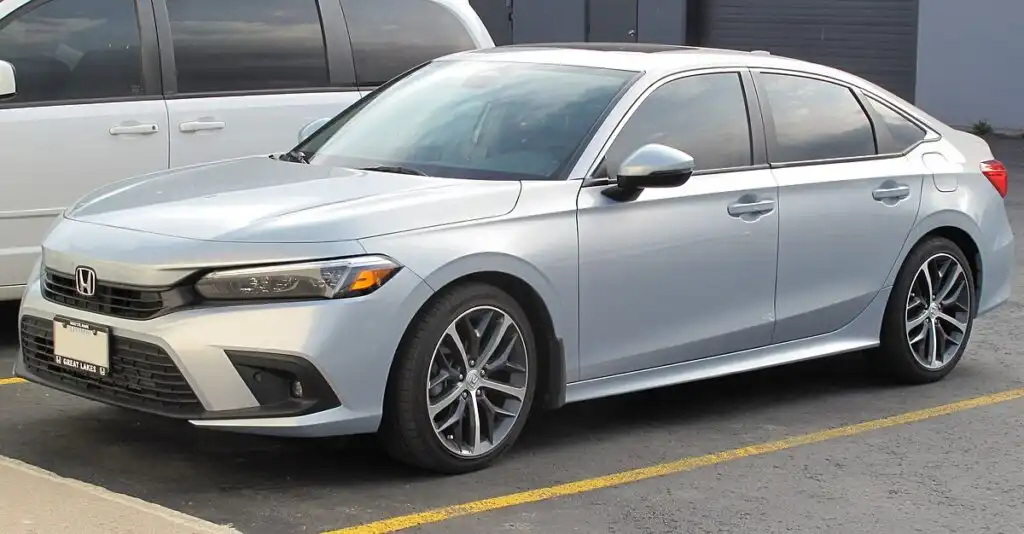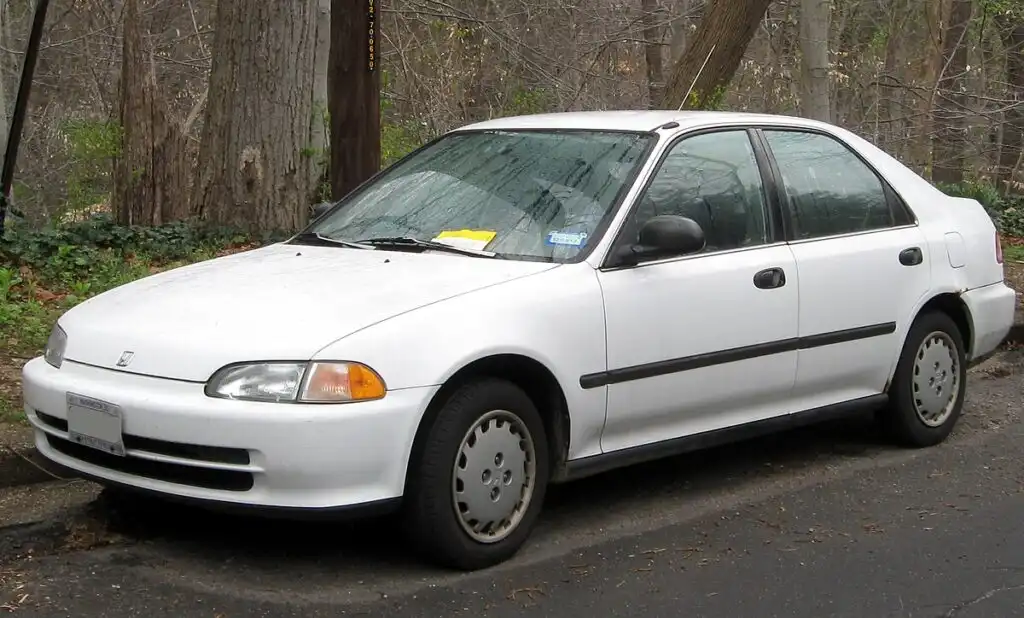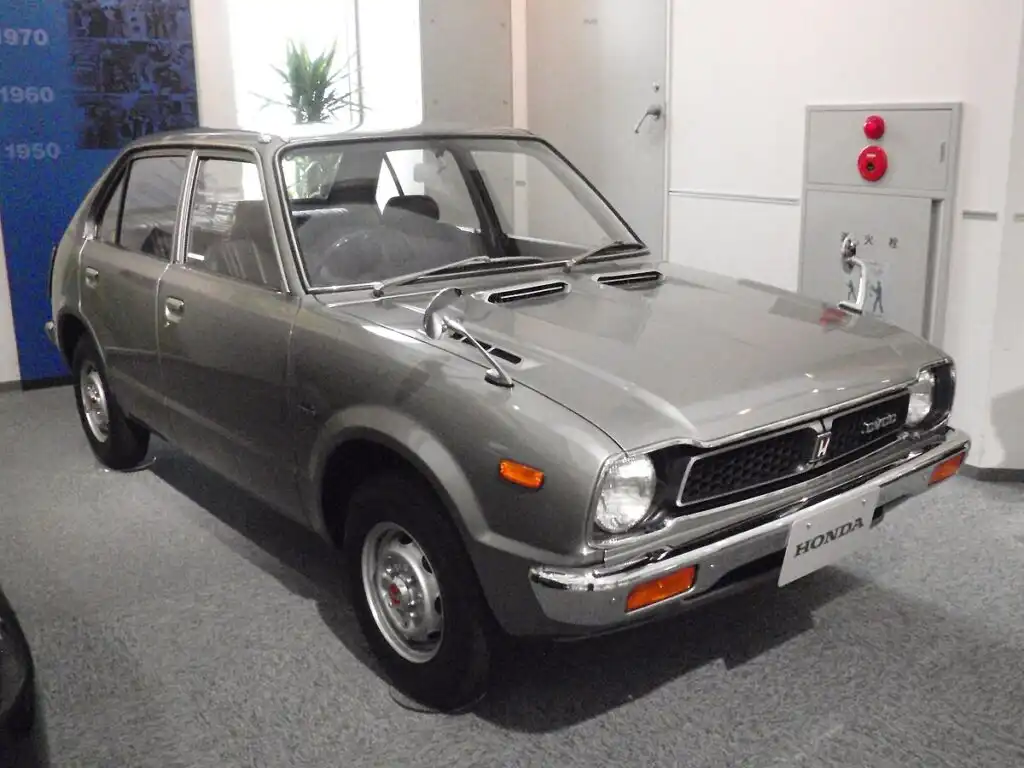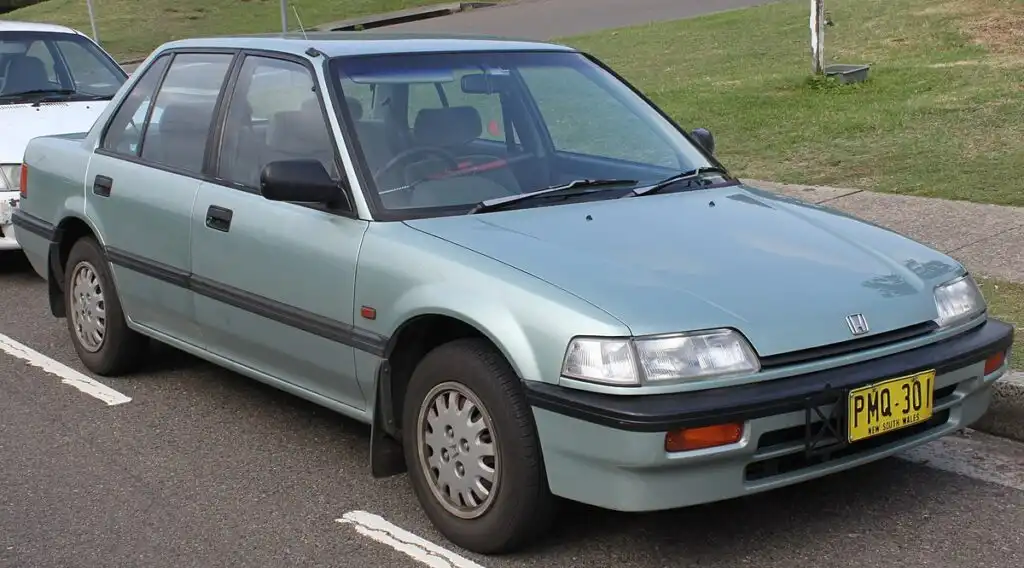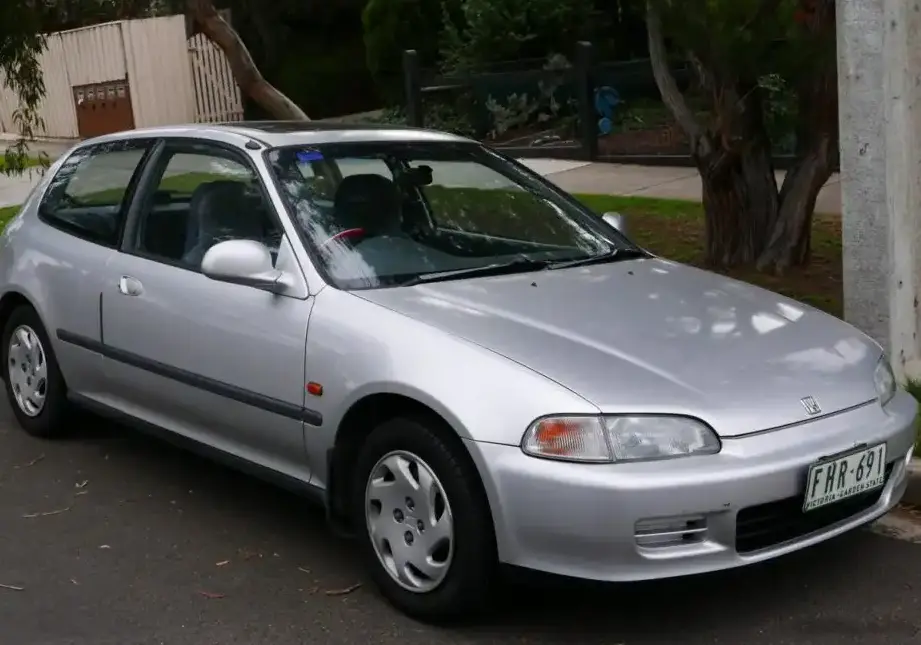
The Honda Civic V Hatchback 1.6 ESi 16V, produced between 1991 and 1995, represents a significant iteration in the fifth generation (1992-1995) of Honda’s immensely popular Civic line. This particular variant, distinguished by its 1.6-liter engine producing 125 horsepower, occupied a middle ground within the hatchback range, offering a balance between performance and economy. It was primarily marketed towards buyers seeking a sporty, yet practical, compact car. The Civic V generation, known for its improved refinement and handling over its predecessor, solidified the Civic’s reputation as a reliable and enjoyable daily driver, particularly in North America and Europe.
Technical Specifications
| Brand | Honda |
| Model | Civic |
| Generation | Civic V Hatchback |
| Type (Engine) | 1.6 ESi 16V (125 Hp) |
| Start of production | 1991 |
| End of production | 1995 |
| Powertrain Architecture | Internal Combustion engine |
| Body type | Hatchback |
| Seats | 5 |
| Doors | 3 |
| Fuel consumption (combined) | 7.3 l/100 km |
| Fuel consumption (US mpg) | 32.2 |
| Fuel consumption (UK mpg) | 38.7 |
| Fuel consumption (km/l) | 13.7 |
| Fuel Type | Petrol (Gasoline) |
| Acceleration 0 – 100 km/h | 8.7 sec |
| Acceleration 0 – 62 mph | 8.7 sec |
| Acceleration 0 – 60 mph | 8.3 sec |
| Maximum speed | 195 km/h (121.17 mph) |
| Weight-to-power ratio | 7.9 kg/Hp |
| Weight-to-torque ratio | 6.9 kg/Nm |
| Power | 125 Hp @ 5500 rpm |
| Power per litre | 78.6 Hp/l |
| Torque | 142 Nm @ 5200 rpm (104.73 lb.-ft. @ 5200 rpm) |
| Engine layout | Front, Transverse |
| Engine Model/Code | D16Z6 |
| Engine displacement | 1590 cm3 (97.03 cu. in.) |
| Number of cylinders | 4 |
| Engine configuration | Inline |
| Cylinder Bore | 75 mm (2.95 in.) |
| Piston Stroke | 90 mm (3.54 in.) |
| Compression ratio | 9.2:1 |
| Number of valves per cylinder | 4 |
| Fuel injection system | Multi-port manifold injection |
| Engine aspiration | Naturally aspirated |
| Valvetrain | OHC |
| Engine oil capacity | 3.3 l (3.49 US qt | 2.9 UK qt) |
| Coolant capacity | 3.6 l (3.8 US qt | 3.17 UK qt) |
| Kerb Weight | 985 kg (2171.55 lbs.) |
| Max. weight | 1500 kg (3306.93 lbs.) |
| Max load | 515 kg (1135.38 lbs.) |
| Trunk (boot) space – minimum | 190 l (6.71 cu. ft.) |
| Trunk (boot) space – maximum | 510 l (18.01 cu. ft.) |
| Fuel tank capacity | 45 l (11.89 US gal | 9.9 UK gal) |
| Length | 4080 mm (160.63 in.) |
| Width | 1695 mm (66.73 in.) |
| Height | 1345 mm (52.95 in.) |
| Wheelbase | 2570 mm (101.18 in.) |
| Front track | 1475 mm (58.07 in.) |
| Rear track | 1465 mm (57.68 in.) |
| Drivetrain Architecture | Front wheel drive |
| Number of gears | 5 |
| Gearbox type | Manual transmission |
| Front suspension | Double wishbone |
| Rear suspension | Double wishbone |
| Front brakes | Disc |
| Rear brakes | Disc |
| Assisting systems | ABS (Anti-lock braking system) |
| Steering type | Steering rack and pinion |
| Power steering | Hydraulic |
| Tires size | 185/60 R14 |
Introduction
The 1.6 ESi 16V variant of the Honda Civic V Hatchback was a key model in Honda’s European and Japanese lineups during the early 1990s. It built upon the success of the fourth-generation Civic, offering a more refined and technologically advanced package. The “ESi” designation denoted a higher trim level, typically including features like power steering, electric windows, and a more upscale interior. The 16V designation refers to the four-valve-per-cylinder cylinder head, a feature that contributed to the engine’s improved breathing and power output. This model was positioned as a step up from the base Civic models, appealing to buyers who desired a bit more performance and comfort without the expense of the top-tier Si or VTi trims.
Powertrain & Engine Architecture
At the heart of the 1.6 ESi 16V lies the D16Z6 engine, a 1.6-liter (1590cc) inline-four cylinder powerplant. This engine is a naturally aspirated unit featuring a single overhead camshaft (SOHC) design and multi-point fuel injection. The 16 valves (four per cylinder) were crucial to its performance, allowing for increased airflow and a broader powerband. The D16Z6 was known for its reliability and relatively simple design. The engine’s output of 125 horsepower at 5500 rpm and 142 Nm (104.73 lb-ft) of torque at 5200 rpm was respectable for its displacement and era. The engine was paired with a five-speed manual transmission, providing drivers with precise control over the power delivery. The transmission featured typical gear ratios for a front-wheel-drive hatchback, prioritizing acceleration in the lower gears and fuel efficiency at highway speeds.
Driving Characteristics
The Civic V 1.6 ESi 16V offered a surprisingly engaging driving experience. While not a performance car in the truest sense, the 125 hp engine provided adequate power for spirited driving, especially considering the car’s relatively light weight of around 985 kg (2171.55 lbs). Acceleration from 0-60 mph was achieved in approximately 8.3 seconds, and it could reach a top speed of 195 km/h (121.17 mph). Compared to the lower-powered base models, the 1.6 ESi felt noticeably more responsive. However, it lacked the outright punch of the more expensive Civic Si or VTi models, which featured more powerful engines and often included closer-ratio gearboxes. The suspension, while comfortable for everyday driving, was tuned for a balance between ride quality and handling, offering decent body control in corners. The hydraulic power steering provided a light and precise feel.
Equipment & Trim Levels
The ESi trim level offered a good level of standard equipment for the early 1990s. Typically, it included power steering, electric front windows, central locking, and a more comfortable interior trim than the base models. The dashboard featured a straightforward layout with easy-to-read gauges. Optional extras could include a sunroof, upgraded audio system, and alloy wheels. Interior upholstery was usually cloth, available in a variety of colors. The ESi also often featured a more comprehensive instrument cluster compared to lower trims.
Chassis & Braking
The Civic V Hatchback utilized a front-wheel-drive layout with independent double wishbone suspension at both the front and rear. This suspension design contributed to the car’s comfortable ride and predictable handling. Braking duties were handled by disc brakes on all four wheels, a significant upgrade over the drum brakes found on some lower-spec Civic models. An Anti-lock Braking System (ABS) was often included as standard equipment on the ESi trim, enhancing safety and control during hard braking. The chassis was relatively lightweight, contributing to the car’s agility.
Market Reception & Comparison
The Civic V 1.6 ESi 16V was generally well-received by automotive critics. It was praised for its reliability, fuel efficiency, and enjoyable driving dynamics. Compared to rivals like the Volkswagen Golf and Ford Escort, the Civic offered a more refined and technologically advanced package. The 1.6 ESi provided a good balance between performance and economy, making it a popular choice for buyers who wanted a practical and reliable hatchback. Fuel economy was a strong point, averaging around 32.2 US mpg in combined driving. The manual transmission was favored by enthusiasts for its precise shift feel and improved control.
Legacy
The D16Z6 engine, found in the Civic V 1.6 ESi 16V, has earned a reputation for exceptional reliability and longevity. Many examples are still on the road today, a testament to Honda’s engineering prowess. The Civic V generation, as a whole, is considered a classic by many enthusiasts. In the used car market, well-maintained examples of the 1.6 ESi 16V are sought after for their combination of practicality, reliability, and enjoyable driving experience. While parts availability is generally good, finding pristine, unmolested examples is becoming increasingly difficult. The Civic V 1.6 ESi 16V remains a popular choice for those seeking a reliable and affordable classic hatchback.