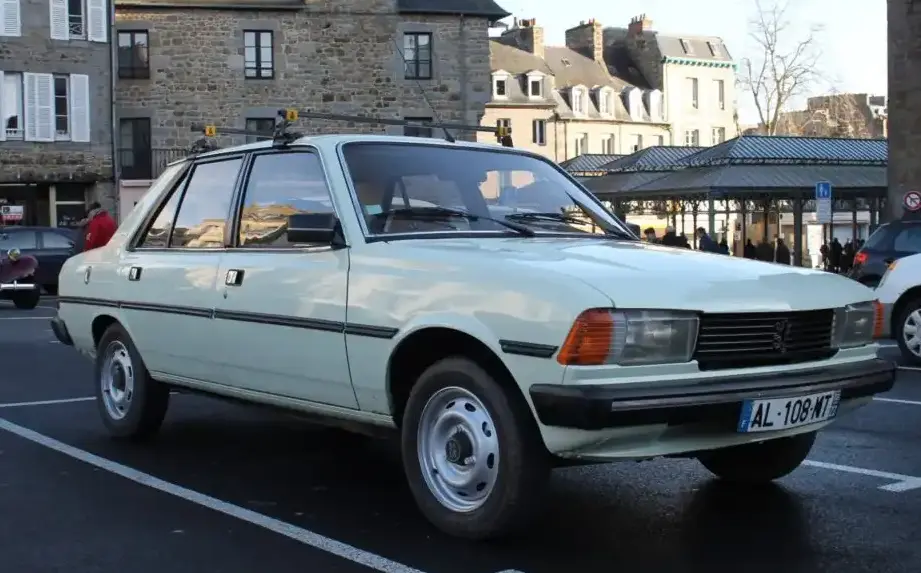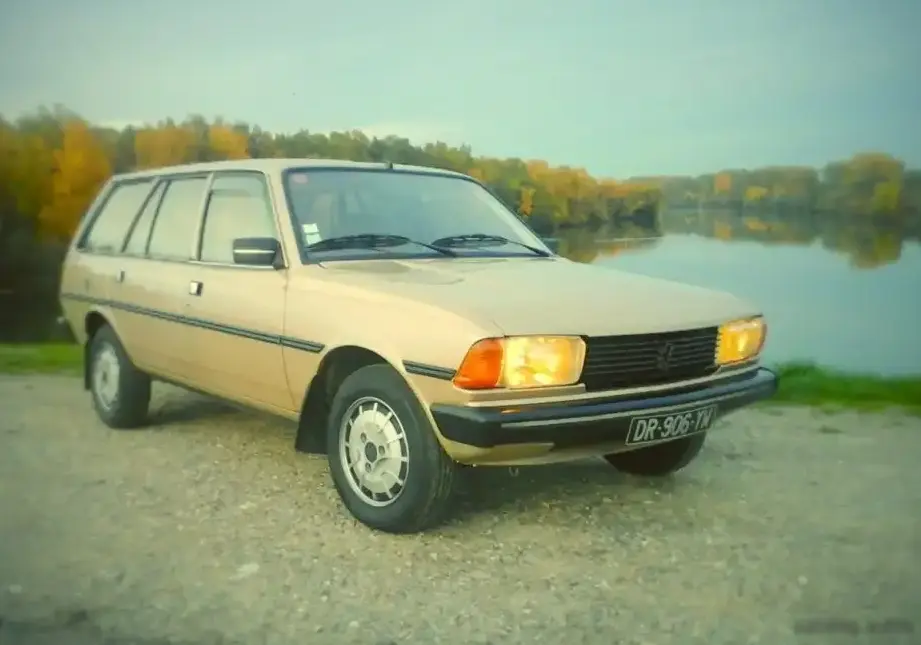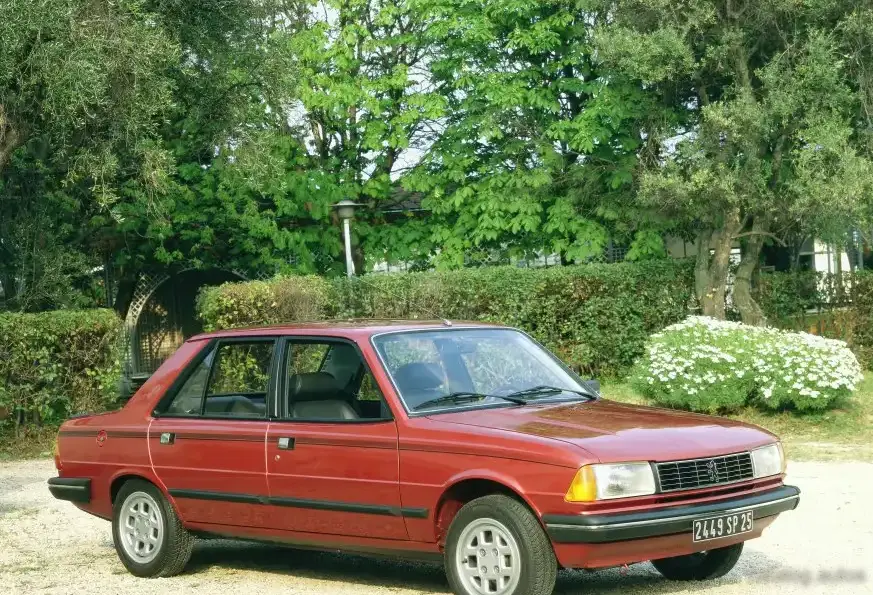
The Peugeot 305 II (581M) 1.9 Diesel, produced between 1982 and 1988, represented a significant offering in Peugeot’s lineup during a period of evolving automotive tastes. Positioned as an economical and practical option within the broader 305 range, this variant catered to buyers prioritizing fuel efficiency and durability over outright performance. It was a key component of Peugeot’s strategy to offer a diverse range of vehicles, appealing to a wider customer base in a competitive European market. The 305 II, an evolution of the original 305, benefited from refinements in styling and mechanical components, solidifying its place as a popular family sedan.
Technical Specifications
| Brand | Peugeot |
| Model | 305 |
| Generation | 305 II (581M) |
| Type (Engine) | 1.9 Diesel (64 Hp) |
| Start of production | 1982 |
| End of production | 1988 |
| Powertrain Architecture | Internal Combustion engine |
| Body type | Sedan |
| Fuel Type | Diesel |
| Power | 64 Hp |
| Engine Model/Code | D9A XUD9, 162 XUD9 |
| Engine aspiration | Naturally aspirated engine |
| Engine oil capacity | 5 l (5.28 US qt | 4.4 UK qt) |
| Coolant capacity | 9.5 l (10.04 US qt | 8.36 UK qt) |
Powertrain & Engine Architecture
The heart of the 305 II 1.9 Diesel was the XUD9 engine, specifically the D9A or 162 XUD9 variants. This 1.9-liter, naturally aspirated diesel engine was a mainstay of Peugeot and Citroën vehicles during the 1980s and early 1990s, renowned for its robustness and fuel economy. The XUD9 engine featured indirect injection, utilizing a pre-chamber combustion system. This system involved injecting fuel into a small pre-chamber connected to the main combustion chamber, promoting more complete combustion and reducing noise – a common characteristic of early diesel engines. The engine employed a cast iron block and cylinder head, contributing to its longevity. The 64 horsepower output was achieved at 4,000 rpm, with a torque figure of approximately 86 lb-ft (117 Nm) available from relatively low engine speeds. The transmission paired with this engine was typically a four-speed manual or a three-speed automatic, the latter being less common. The automatic transmission was designed for smooth, if not particularly rapid, gear changes, prioritizing comfort and ease of driving over performance.
Driving Characteristics
The 1.9 Diesel automatic version of the 305 II offered a distinctly relaxed driving experience. Acceleration was modest, with a 0-60 mph time estimated to be around 16-18 seconds. The three-speed automatic transmission, while providing convenience, meant that the engine often operated at higher revs during highway cruising, potentially impacting fuel economy compared to the manual version. The gear ratios were optimized for fuel efficiency and low-speed torque, making it well-suited for city driving and long-distance journeys where outright speed wasn’t a priority. Compared to the gasoline-powered 305 variants, the diesel offered significantly better fuel economy, but at the expense of performance. The manual transmission versions of the 1.9 Diesel provided a more engaging driving experience and slightly improved fuel efficiency, while the more powerful gasoline engines (like the 1.6 or 2.0-liter variants) offered considerably more spirited performance.
Equipment & Trim Levels
The 305 II 1.9 Diesel typically occupied a mid-range position in the Peugeot lineup. Standard equipment generally included cloth upholstery, basic instrumentation (speedometer, fuel gauge, temperature gauge), and a simple two-spoke steering wheel. Power steering was not always standard, often being an optional extra. Air conditioning was also typically an optional feature. Trim levels varied depending on the market, but generally, the 1.9 Diesel offered a step up in comfort and features compared to the base-model 305s. Optional extras could include upgraded audio systems, electric windows, and central locking. The interior design was functional and straightforward, prioritizing practicality over luxury.
Chassis & Braking
The 305 II utilized a relatively conventional chassis design for the era. It featured independent front suspension with MacPherson struts and a torsion beam rear suspension. The suspension setup was tuned for comfort, providing a reasonably smooth ride, although it wasn’t particularly sporty. Braking systems varied depending on the year and market. Earlier models often featured drum brakes on the rear wheels, while later models and higher trim levels were equipped with disc brakes all around. Front brakes were typically ventilated discs. Steering was typically a recirculating ball system, offering adequate precision but lacking the feel of more modern steering technologies. Stabilizer bars were often included, particularly on higher trim levels, to reduce body roll during cornering.
Market Reception & Comparison
The Peugeot 305 II 1.9 Diesel was generally well-received in the European market as a practical and economical family car. Critics praised its fuel efficiency and durability, but noted its modest performance. Compared to its rivals, such as the Renault 18 Diesel and the Citroën BX Diesel, the 305 offered a competitive blend of features and price. The automatic transmission version, while convenient, was often criticized for its sluggishness and impact on fuel economy. The manual transmission versions were generally preferred by drivers seeking a more engaging driving experience and better fuel efficiency. Reliability was generally good, with the XUD9 engine proving to be exceptionally durable, although maintenance costs could be higher for the indirect injection system compared to more modern diesel technologies.
Legacy
The Peugeot 305 II 1.9 Diesel, and particularly the XUD9 engine, has achieved a degree of cult status among enthusiasts. The engine’s robustness and simplicity make it relatively easy to maintain, and parts availability remains reasonably good. In the used car market, well-maintained examples of the 305 II 1.9 Diesel are sought after by collectors and those looking for a classic, economical vehicle. The XUD9 engine continued to be used in various Peugeot and Citroën models for many years after the 305 was discontinued, cementing its reputation as a reliable and durable powerplant. While not a performance icon, the 305 II 1.9 Diesel represents a significant chapter in Peugeot’s history, embodying the brand’s commitment to providing practical and affordable transportation.