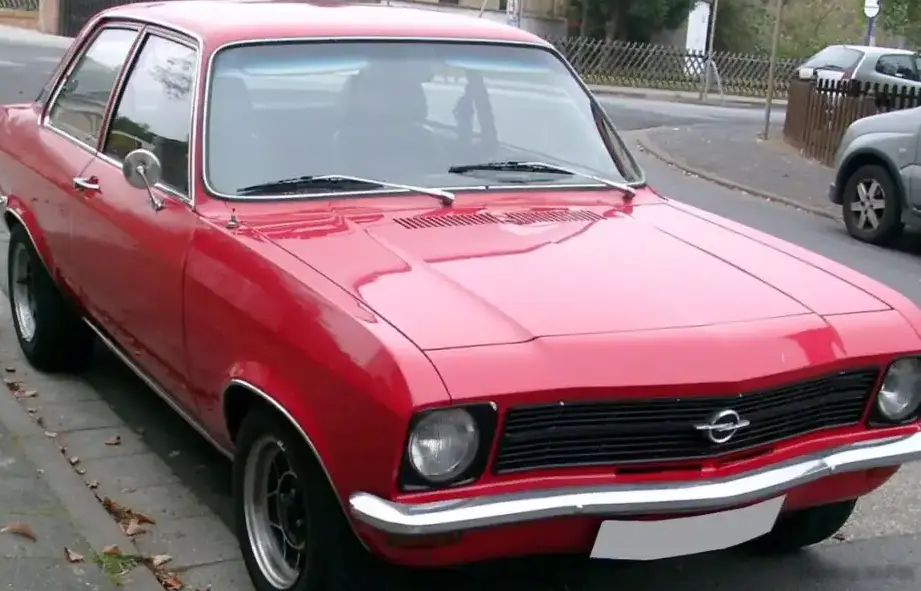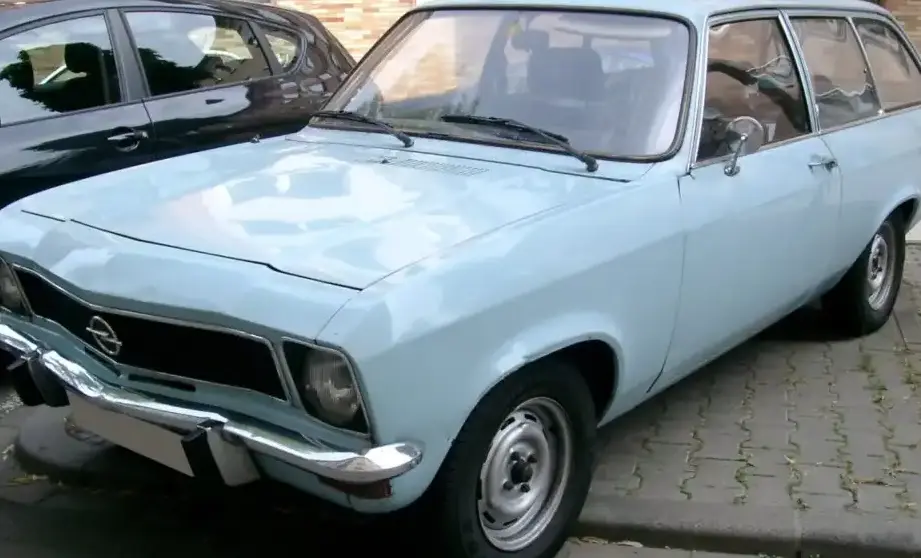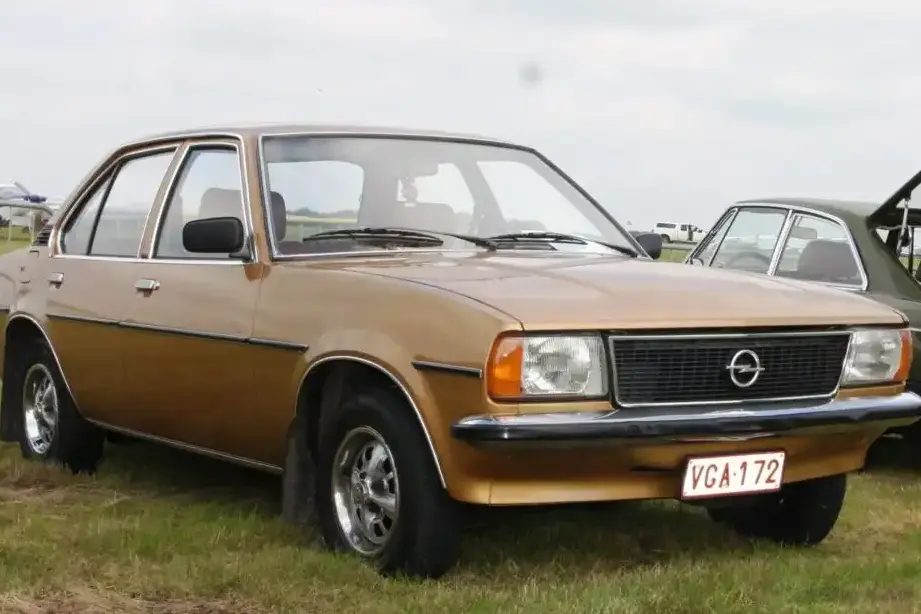
The Opel Ascona B 2.0 D, producing 58 horsepower, was a variant of the Ascona B model manufactured between 1978 and 1979. Positioned as the entry-level diesel offering within the Ascona B range, it catered to buyers seeking fuel economy and practicality. The Ascona B, launched in 1975, was Opel’s competitor in the mid-size segment, aiming to replace the Ascona A and provide a more modern and spacious vehicle. The 2.0 D model represented a significant step in offering diesel power in a traditionally gasoline-powered segment, though it prioritized efficiency over outright performance.
Technical Specifications
| Brand | Opel |
| Model | Ascona |
| Generation | Ascona B |
| Type (Engine) | 2.0 D (58 Hp) |
| Start of production | 1978 |
| End of production | 1979 |
| Powertrain Architecture | Internal Combustion engine |
| Body type | Sedan |
| Seats | 5 |
| Doors | 2-4 |
| Fuel Type | Diesel |
| Acceleration 0 – 100 km/h | 21 sec |
| Acceleration 0 – 62 mph | 21 sec |
| Acceleration 0 – 60 mph | 20 sec |
| Maximum speed | 137 km/h (85.13 mph) |
| Weight-to-power ratio | 18.3 kg/Hp, 54.7 Hp/tonne |
| Weight-to-torque ratio | 9.2 kg/Nm, 108.5 Nm/tonne |
| Power | 58 Hp @ 4200 rpm |
| Power per litre | 29 Hp/l |
| Torque | 115 Nm @ 2400 rpm (84.82 lb.-ft. @ 2400 rpm) |
| Engine Model/Code | 20D |
| Engine displacement | 1998 cm3 (121.93 cu. in.) |
| Number of cylinders | 4 |
| Engine configuration | Inline |
| Cylinder Bore | 86.5 mm (3.41 in.) |
| Piston Stroke | 85 mm (3.35 in.) |
| Compression ratio | 22:1 |
| Number of valves per cylinder | 2 |
| Engine aspiration | Naturally aspirated engine |
| Valvetrain | SOHC |
| Engine oil capacity | 5.5 l (5.81 US qt | 4.84 UK qt) |
| Coolant | 11.2 l (11.83 US qt | 9.85 UK qt) |
| Kerb Weight | 1060 kg (2336.9 lbs.) |
| Max. weight | 1500 kg (3306.93 lbs.) |
| Max load | 440 kg (970.03 lbs.) |
| Trunk (boot) space – minimum | 380 l (13.42 cu. ft.) |
| Fuel tank capacity | 50 l (13.21 US gal | 11 UK gal) |
| Permitted trailer load with brakes (12%) | 1000 kg (2204.62 lbs.) |
| Length | 4321 mm (170.12 in.) |
| Width | 1670 mm (65.75 in.) |
| Height | 1380 mm (54.33 in.) |
| Wheelbase | 2518 mm (99.13 in.) |
| Front track | 1380 mm (54.33 in.) |
| Rear (Back) track | 1375 mm (54.13 in.) |
| Ride height (ground clearance) | 130 mm (5.12 in.) |
| Minimum turning circle (turning diameter) | 10.1 m (33.14 ft.) |
| Drivetrain Architecture | The Internal combustion engine (ICE) drives the rear wheels of the vehicle. |
| Drive wheel | Rear wheel drive |
| Number of gears and type of gearbox | 4 gears, manual transmission |
| Front brakes | Disc |
| Rear brakes | Drum |
Powertrain & Engine Architecture
The heart of the Ascona B 2.0 D was the 20D engine, a naturally aspirated, inline-four cylinder diesel. This engine, while relatively simple in design, was robust and designed for longevity. It featured a single overhead camshaft (SOHC) valvetrain operating two valves per cylinder. The engine utilized a mechanical fuel injection system, common for diesel engines of the era, which delivered fuel directly into the combustion chamber. The 22:1 compression ratio was typical for indirect injection diesel engines, contributing to efficient combustion. The 4-speed manual transmission was the only gearbox option available with this engine, prioritizing simplicity and cost-effectiveness. The engine’s design emphasized durability and low-end torque, rather than high-revving performance.
Driving Characteristics
The 58 horsepower output of the 2.0 D engine resulted in modest performance. Acceleration was slow, with 0-60 mph taking around 20 seconds. Top speed was limited to approximately 85 mph. The engine’s strength lay in its torque delivery at low RPMs, making it suitable for everyday driving and hauling loads. However, compared to the gasoline-powered Ascona B variants, particularly the 1.6 or 2.0S models, the 2.0 D felt significantly underpowered. The 4-speed manual transmission, while adequate, lacked the versatility of a 5-speed gearbox, requiring more frequent gear changes to maintain optimal engine speed. The rear-wheel-drive configuration provided predictable handling, but the relatively soft suspension setup prioritized comfort over sporty handling.
Equipment & Trim Levels
The 2.0 D trim level was generally considered the base model within the Ascona B diesel range. Standard equipment typically included basic cloth upholstery, a simple dashboard layout, and steel wheels with hubcaps. Power steering and air conditioning were generally not standard features, but could be added as optional extras. The interior was functional and durable, prioritizing practicality over luxury. The exterior trim was minimal, with black plastic bumpers and chrome detailing. The focus was on providing a no-frills, affordable vehicle.
Chassis & Braking
The Ascona B 2.0 D utilized a conventional rear-wheel-drive chassis with independent front suspension and a live axle rear suspension. The front suspension featured MacPherson struts, while the rear suspension employed leaf springs. Braking was accomplished via disc brakes on the front wheels and drum brakes on the rear. The braking system was adequate for the vehicle’s weight and performance, but lacked the stopping power of more modern braking systems. Stabilizer bars were typically fitted to the front suspension to reduce body roll, but the overall suspension setup was geared towards comfort rather than sporty handling.
Market Reception & Comparison
The Ascona B 2.0 D was primarily marketed towards buyers seeking a fuel-efficient and reliable vehicle for everyday use. Critics generally acknowledged its practicality and low running costs, but noted its lack of performance compared to gasoline-powered alternatives. Compared to the Ascona B 1.6 or 2.0S models, the 2.0 D offered significantly lower fuel consumption but considerably slower acceleration. Within the diesel Ascona B range, it was the entry-level option, offering a more affordable price point than the later 2.3 D models. The 2.0 D appealed to those prioritizing economy and durability over driving excitement.
Legacy
The Opel Ascona B 2.0 D, while not a performance icon, played a role in popularizing diesel engines in the European mid-size segment. The 20D engine proved to be remarkably durable, and many examples remain on the road today. In the used car market, the Ascona B 2.0 D is valued for its simplicity, reliability, and affordability. However, finding well-maintained examples can be challenging due to age and potential corrosion. The 2.0 D represents a significant chapter in Opel’s history, demonstrating the brand’s commitment to offering practical and fuel-efficient vehicles to a broad range of customers. Its straightforward design and robust construction have ensured its continued presence as a classic vehicle for enthusiasts and those seeking a dependable, no-nonsense automobile.