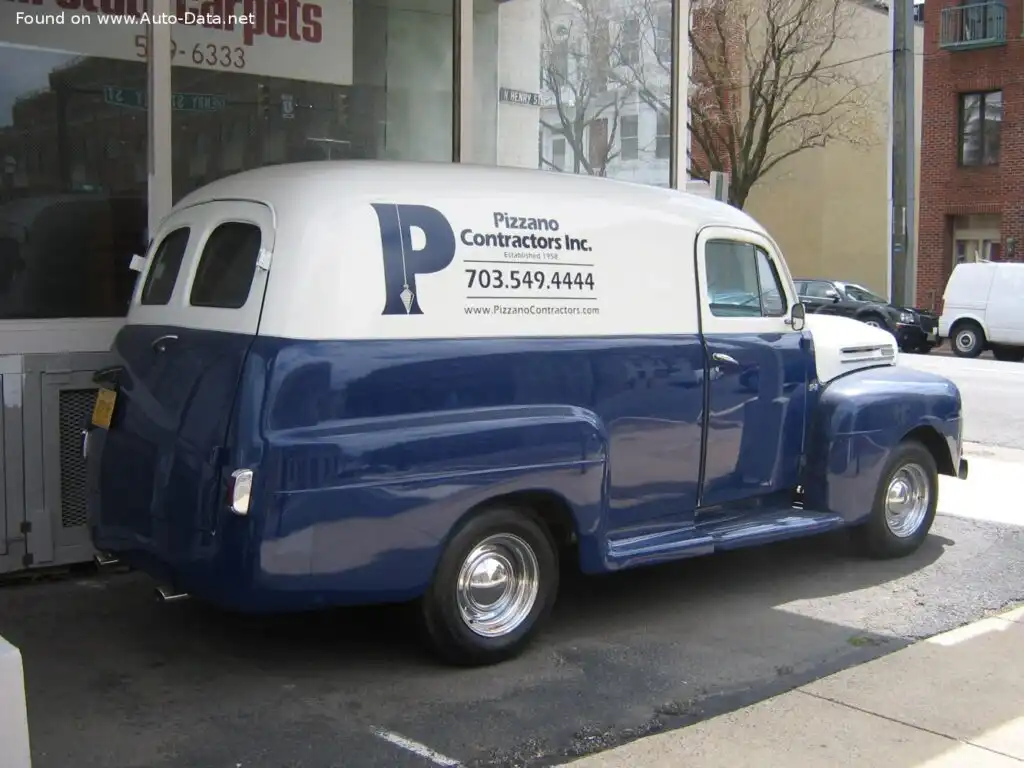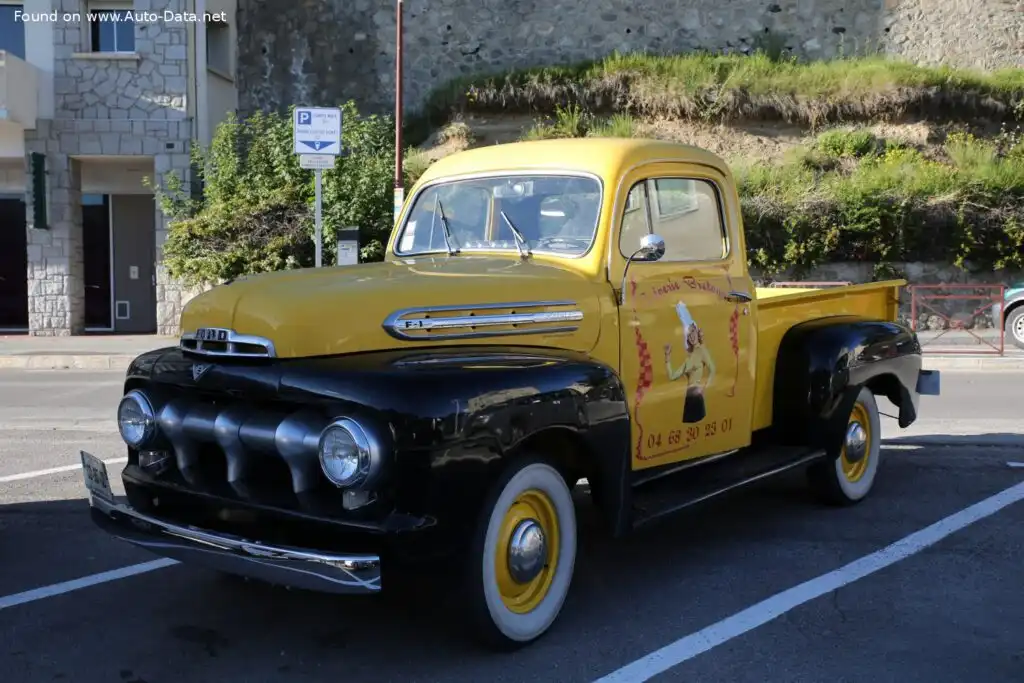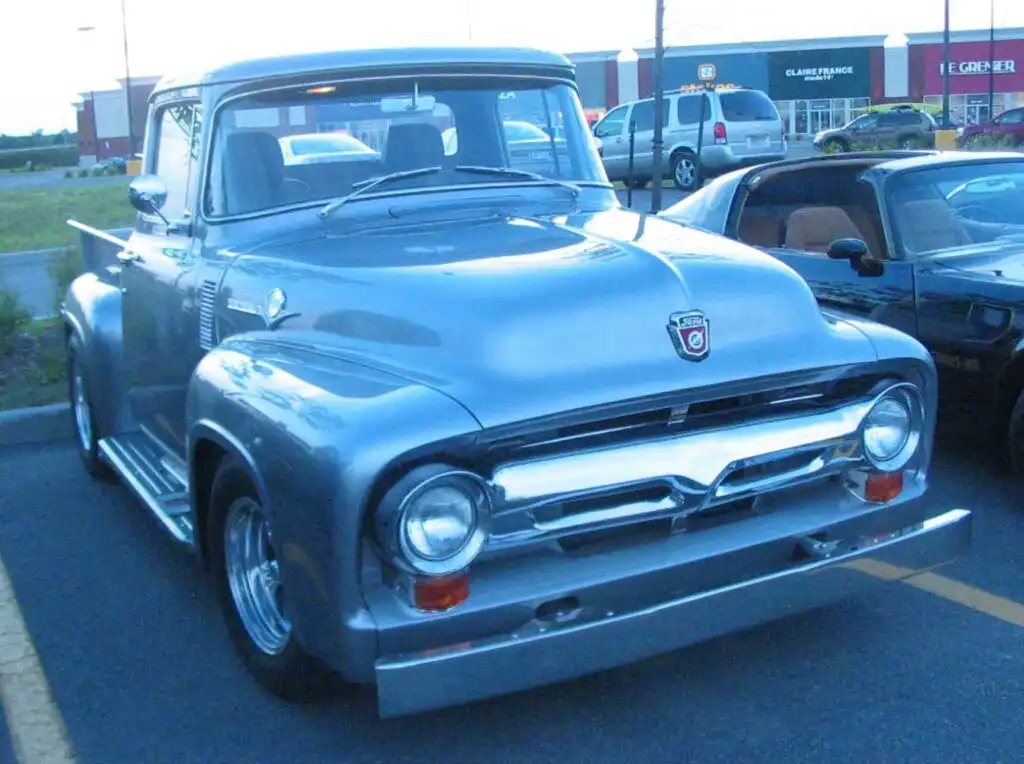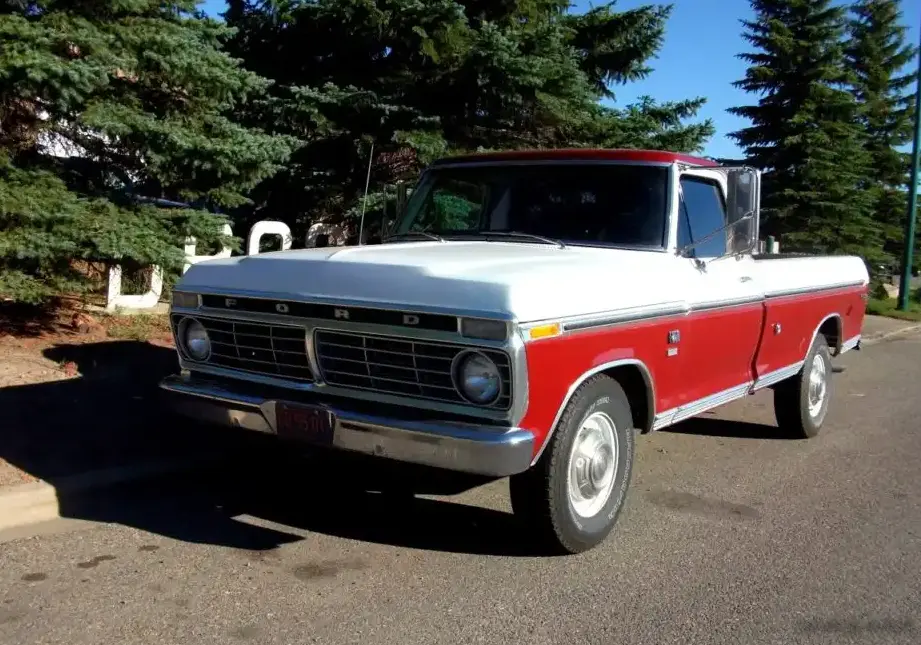
The Ford F-250, part of the sixth generation of the F-Series trucks produced from 1973 to 1979, represented a significant evolution in Ford’s heavy-duty pickup truck offerings. The 1972-1976 model years, specifically the F-250 Regular Cab configuration with the 5.9L (360 cubic inch) V8 engine producing 145 horsepower, occupied a crucial position in the lineup as a work-focused, entry-level option for buyers needing substantial towing and hauling capacity. This variant was designed for customers prioritizing functionality and durability over outright performance or luxury, serving as a mainstay for farmers, ranchers, and tradespeople.
Technical Specifications
| Brand | Ford |
| Model | F-Series F-250 |
| Generation | F-Series F-250 VI Regular Cab |
| Engine Type | 5.9L 360 V8 (145 Hp) |
| Start of Production | December, 1972 |
| End of Production | 1976 |
| Powertrain Architecture | Internal Combustion Engine |
| Body Type | Pick-up |
| Seats | 3 |
| Doors | 2 |
| Fuel Type | Petrol (Gasoline) |
| Power | 145 Hp |
| Power per Liter | 24.6 Hp/l |
| Engine Displacement | 5899 cm3 / 359.98 cu. in. |
| Number of Cylinders | 8 |
| Engine Configuration | V-engine |
| Cylinder Bore | 102.87 mm / 4.05 in. |
| Piston Stroke | 88.9 mm / 3.5 in. |
| Fuel Injection System | Carburetor |
| Engine Aspiration | Naturally Aspirated |
| Max. Weight | 3674 kg / 8099.78 lbs. |
| Trunk (boot) Space (minimum) | 1852-2070 l / 65.4 – 73.1 cu. ft. |
| Length | 5215 mm / 205.31 in. |
| Wheelbase | 3378 mm / 132.99 in. |
| Wading Depth | 681 mm / 26.81 in. |
| Drivetrain Architecture | Rear Wheel Drive, Internal Combustion Engine |
| Drive Wheel | Rear Wheel Drive |
| Number of Gears & Gearbox Type | 3 gears, Manual Transmission |
| Front Suspension | Independent Coil Spring |
| Rear Suspension | Leaf Spring |
| Front Brakes | Disc |
| Rear Brakes | Drum |
| Steering Type | Cone Worm with Recirculation Balls |
| Power Steering | Electric Steering |
| Tire Size | 215/85 R16.5 |
| Wheel Rim Size | 6J x 16.5 |
Powertrain & Engine Architecture
The heart of this F-250 variant was the 5.9-liter (360 cubic inch) Ford Windsor V8 engine. This engine, designated within Ford’s engine family as the 351W, was a robust and relatively simple design. It featured a cast iron block and cylinder heads, with a two-barrel carburetor handling fuel delivery. The engine utilized a traditional pushrod valvetrain, with two valves per cylinder. The 145 horsepower output was achieved through a relatively conservative compression ratio and camshaft profile, prioritizing low-end torque and durability over peak power. The engine was longitudinally mounted in the chassis, driving power to the rear wheels. The three-speed manual transmission was a standard offering, chosen for its simplicity and cost-effectiveness. While an automatic transmission was available as an option, the manual was the more common choice for this base-level work truck.
Driving Characteristics
The 145 hp, 5.9L V8-equipped F-250 was not designed for rapid acceleration. Its strength lay in its ability to consistently deliver torque at lower RPMs, making it well-suited for hauling heavy loads and navigating challenging terrain. The three-speed manual transmission offered a relatively wide gear spread, allowing for both reasonable fuel economy at highway speeds and sufficient gearing for low-speed towing. Compared to the optional larger displacement engines (like the 6.6L 390 V8), this variant felt noticeably less powerful, especially when fully loaded. However, it also offered improved fuel economy and reduced strain on the drivetrain. The power delivery was linear, but required frequent shifting to maintain momentum, particularly when ascending hills or carrying a heavy payload. The steering, utilizing a cone worm and recirculating ball system, provided adequate control but lacked the precision of more modern steering technologies.
Equipment & Trim Levels
The F-250 with the 360 V8 and manual transmission represented the base trim level for the heavy-duty Ford pickup. Standard features were minimal, reflecting its work-oriented purpose. The interior typically featured a vinyl bench seat, a basic instrument cluster, and a simple dashboard layout. Amenities like air conditioning, power steering (often optional), and upgraded audio systems were typically reserved for higher trim levels. The exterior generally featured minimal brightwork, with a focus on durability and functionality. Optional extras included heavier-duty suspension packages for increased payload capacity, chrome bumpers, and various bed configurations. The overall aesthetic was utilitarian, prioritizing practicality over aesthetics.
Chassis & Braking
The F-250 chassis was a robust body-on-frame design, built to withstand the stresses of heavy-duty use. The front suspension utilized independent coil springs, providing a relatively comfortable ride for a truck of its size. The rear suspension employed leaf springs, which were well-suited for carrying heavy loads. Braking duties were handled by disc brakes at the front and drum brakes at the rear. While adequate for the truck’s weight and intended use, the braking system lacked the stopping power and modulation of more modern systems. Power steering was often an optional extra, and when equipped, it significantly reduced driver effort, particularly at low speeds. The 16.5-inch wheels were typically fitted with heavy-duty tires designed for both on-road and off-road use.
Market Reception & Comparison
The 1972-1976 Ford F-250 with the 5.9L V8 and manual transmission was generally well-received by buyers seeking a dependable and affordable heavy-duty pickup. Critics acknowledged its robust construction and ample payload capacity, but noted its relatively modest power output compared to larger-displacement engine options. Fuel economy, while not exceptional, was considered reasonable for a truck of its size and capability. Compared to the F-350 models, the F-250 offered a slightly lower price point and reduced weight, making it a popular choice for buyers who didn’t require the absolute maximum towing capacity. Compared to competing trucks from Chevrolet and Dodge, the F-250 was often praised for its durability and ease of maintenance.
Legacy
The 5.9L Windsor V8-powered F-250 has proven to be a remarkably durable and reliable truck. Many examples remain on the road today, a testament to Ford’s engineering and the engine’s inherent robustness. While not particularly sought after by collectors, these trucks are appreciated by enthusiasts for their simplicity, affordability, and classic American truck styling. The 360 V8 engine, while not the most powerful option, is known for its longevity and relatively straightforward maintenance requirements. In the used car market, these F-250s typically command modest prices, making them an attractive option for buyers seeking a dependable and affordable work truck or a classic restoration project. The enduring popularity of these trucks is a reflection of their ability to fulfill their intended purpose – providing years of reliable service as a workhorse for countless owners.