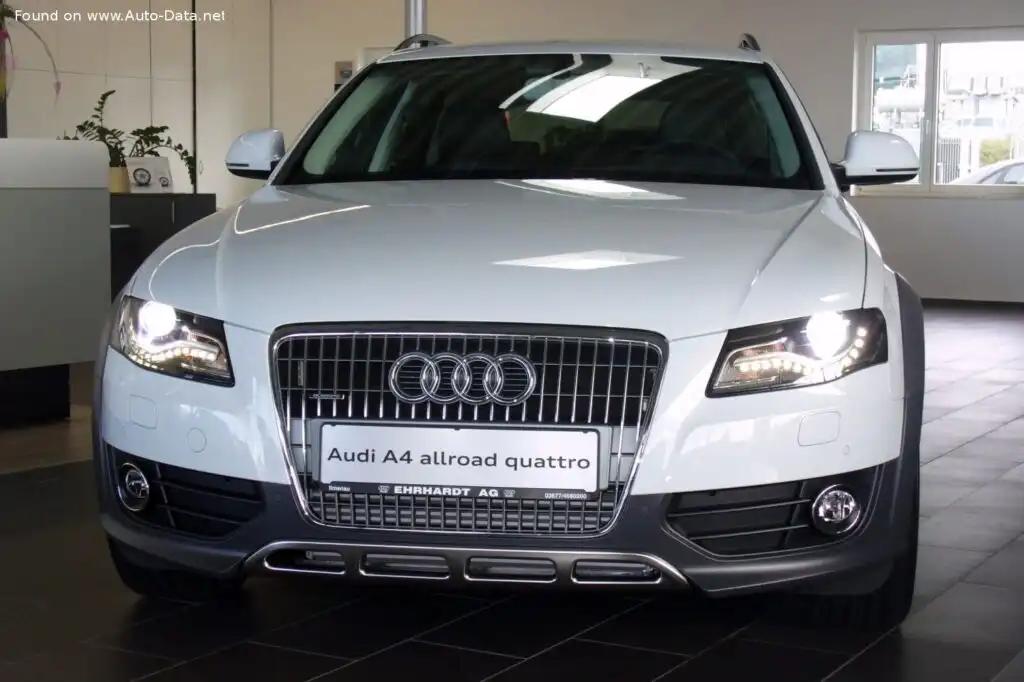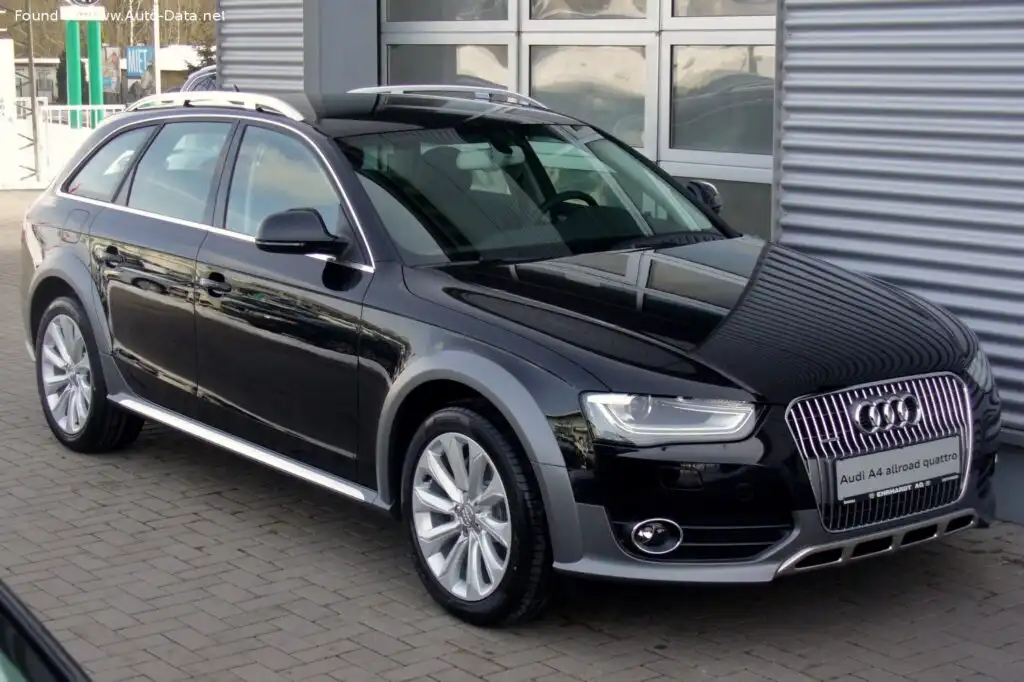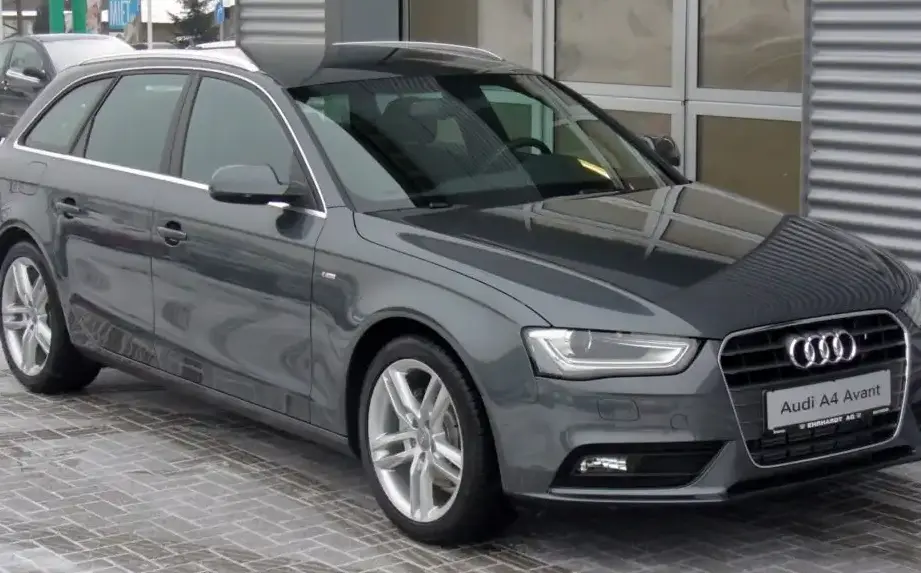
The Audi A4 Avant (B8 8K) facelift, produced from 2011 to 2015, represented a significant update to Audi’s popular compact executive wagon. The 2.0 TFSI variant, specifically the 225 horsepower version with start/stop technology introduced in April 2013, occupied a sweet spot in the A4 Avant lineup, offering a blend of performance, efficiency, and practicality. This model was positioned as a mid-range offering, appealing to buyers who desired more power than the base engines but didn’t require the higher costs associated with the S4 or performance-oriented packages. It was primarily sold in the European market, where the demand for wagons remained strong, though limited numbers were available in North America.
Technical Specifications
| Brand | Audi |
| Model | A4 |
| Generation | A4 Avant (B8 8K, facelift 2011) |
| Type (Engine) | 2.0 TFSI (225 Hp) start/stop |
| Start of production | April, 2013 |
| End of production | 2015 |
| Powertrain Architecture | Internal Combustion engine |
| Body type | Station wagon (estate) |
| Seats | 5 |
| Doors | 5 |
| Fuel consumption (urban) | 8 l/100 km (29.4 US mpg, 35.3 UK mpg, 12.5 km/l) |
| Fuel consumption (extra urban) | 5.5 l/100 km (42.8 US mpg, 51.4 UK mpg, 18.2 km/l) |
| Fuel consumption (combined) | 6.1 l/100 km (38.6 US mpg, 46.3 UK mpg, 16.4 km/l) |
| CO2 emissions | 143 g/km |
| Fuel Type | Petrol (Gasoline) |
| Acceleration 0 – 100 km/h | 7 sec |
| Acceleration 0 – 62 mph | 7 sec |
| Acceleration 0 – 60 mph | 6.7 sec |
| Maximum speed | 245 km/h (152.24 mph) |
| Emission standard | Euro 6 |
| Weight-to-power ratio | 6.7 kg/Hp, 149.5 Hp/tonne |
| Weight-to-torque ratio | 4.3 kg/Nm, 232.6 Nm/tonne |
| Power | 225 Hp @ 4500-6250 rpm |
| Power per litre | 113.4 Hp/l |
| Torque | 350 Nm @ 1500-4500 rpm (258.15 lb.-ft. @ 1500-4500 rpm) |
| Engine layout | Front, Longitudinal |
| Engine Model/Code | EA888 / CNCD |
| Engine displacement | 1984 cm3 (121.07 cu. in.) |
| Number of cylinders | 4 |
| Engine configuration | Inline |
| Cylinder Bore | 82.5 mm (3.25 in.) |
| Piston Stroke | 92.8 mm (3.65 in.) |
| Compression ratio | 9.6:1 |
| Number of valves per cylinder | 4 |
| Fuel injection system | Direct injection and Multi-port manifold injection |
| Engine aspiration | Turbocharger, Intercooler |
| Valvetrain | DOHC |
| Engine oil capacity | 4.6 l (4.86 US qt | 4.05 UK qt) |
| Kerb Weight | 1505 kg (3317.96 lbs.) |
| Max. weight | 2075 kg (4574.59 lbs.) |
| Max load | 570 kg (1256.63 lbs.) |
| Trunk (boot) space – minimum | 490 l (17.3 cu. ft.) |
| Trunk (boot) space – maximum | 1430 l (50.5 cu. ft.) |
| Fuel tank capacity | 63 l (16.64 US gal | 13.86 UK gal) |
| Max. roof load | 90 kg (198.42 lbs.) |
| Permitted trailer load with brakes (8%) | 1700 kg (3747.86 lbs.) |
| Permitted trailer load with brakes (12%) | 1500 kg (3306.93 lbs.) |
| Permitted trailer load without brakes | 750 kg (1653.47 lbs.) |
| Permitted towbar download | 80 kg (176.37 lbs.) |
| Length | 4699 mm (185 in.) |
| Width | 1826 mm (71.89 in.) |
| Width including mirrors | 2040 mm (80.31 in.) |
| Height | 1436 mm (56.54 in.) |
| Wheelbase | 2808 mm (110.55 in.) |
| Front track | 1564 mm (61.57 in.) |
| Rear (Back) track | 1551 mm (61.06 in.) |
| Front overhang | 862 mm (33.94 in.) |
| Rear overhang | 1029 mm (40.51 in.) |
| Drag coefficient (Cd) | 0.32 |
| Minimum turning circle (turning diameter) | 11.5 m (37.73 ft.) |
| Drivetrain Architecture | The Internal combustion engine (ICE) drives the front wheels of the vehicle. |
| Drive wheel | Front wheel drive |
| Number of gears and type of gearbox | 6 gears, manual transmission |
| Front suspension | Independent multi-link suspension, Transverse stabilizer |
| Rear suspension | Independent on trapezoidal lever, Transverse stabilizer |
| Front brakes | Ventilated discs |
| Rear brakes | Disc |
| Assisting systems | ABS (Anti-lock braking system) |
| Steering type | Steering rack and pinion |
| Power steering | Electric Steering |
| Tires size | 225/55 R16 |
| Wheel rims size | 7.5J x 16 |
Powertrain & Engine Architecture
The heart of this A4 Avant is the EA888 2.0-liter turbocharged four-cylinder engine, specifically the CNCD code variant. This engine is a direct-injection, turbocharged powerplant featuring a cast iron block and an aluminum cylinder head. The direct injection system, coupled with a sophisticated turbocharger and intercooler, allows for both strong low-end torque and high-end horsepower. The engine utilizes a dual overhead camshaft (DOHC) valvetrain with four valves per cylinder, optimizing airflow for improved efficiency and performance. The start/stop system, a key feature of this variant, automatically shuts off the engine when the vehicle is stationary (at traffic lights, for example) to reduce fuel consumption and emissions. The engine is longitudinally mounted, driving the front wheels through a six-speed manual transmission. While an S-Tronic dual-clutch transmission was available, the six-speed manual was a popular choice for drivers who preferred a more engaging driving experience.
Driving Characteristics
The 225 hp 2.0 TFSI engine provides brisk acceleration, achieving 0-60 mph in approximately 6.7 seconds. While not as quick as the higher-performance S4, it offers ample power for everyday driving and overtaking maneuvers. The turbocharger delivers a noticeable surge of power in the mid-range, providing strong acceleration between 1500 and 4500 rpm. The six-speed manual transmission offers precise shifts and allows the driver to maintain optimal engine speed for performance or efficiency. Compared to the 170 hp base engine, the 225 hp variant feels significantly more responsive and capable. Compared to the diesel variants (like the 2.0 TDI), the TFSI offers a more linear power delivery and a sportier engine note, but typically at the expense of fuel economy.
Equipment & Trim Levels
The 2.0 TFSI Avant typically came equipped with a generous array of standard features, including automatic climate control, a multi-function steering wheel, power windows and mirrors, and an Audi Concert audio system. Higher trim levels added features such as leather upholstery, heated front seats, a sunroof, and the Audi Navigation Plus system. Optional extras included advanced driver-assistance systems like adaptive cruise control and lane departure warning. Interior upholstery was typically cloth, with leather options available as upgrades. The dashboard layout was clean and functional, with a focus on ergonomics and ease of use.
Chassis & Braking
The A4 Avant (B8) features a well-tuned suspension system designed to provide a comfortable ride while maintaining good handling characteristics. The front suspension utilizes independent multi-link suspension with a transverse stabilizer bar, while the rear suspension employs an independent trapezoidal lever setup, also with a stabilizer bar. This configuration minimizes body roll and provides precise steering response. The braking system consists of ventilated discs at the front and solid discs at the rear, providing ample stopping power. Anti-lock braking system (ABS) is standard, enhancing safety and control during emergency braking situations.
Market Reception & Comparison
The 2.0 TFSI 225 hp A4 Avant was generally well-received by automotive critics. It was praised for its strong performance, refined handling, and practical wagon body style. Fuel economy was considered respectable for a gasoline-powered vehicle of its class, averaging around 38.6 US mpg in combined driving. Compared to the 1.8 TFSI variant, the 2.0 TFSI offered a noticeable performance upgrade. Compared to the diesel models, the TFSI was often preferred by drivers who prioritized a more engaging driving experience and a quieter engine. Reliability was generally good, although some owners reported issues with the turbocharger and direct injection system over the long term.
Legacy
The Audi A4 Avant (B8) 2.0 TFSI 225 hp remains a popular choice in the used car market today. Its combination of performance, practicality, and build quality has ensured its enduring appeal. The EA888 engine, while not without its potential issues, is generally considered robust and reliable when properly maintained. Parts availability is good, and the A4 Avant benefits from Audi’s strong reputation for engineering and quality. These models represent a sweet spot for buyers seeking a premium wagon that offers a balance of performance, efficiency, and affordability.