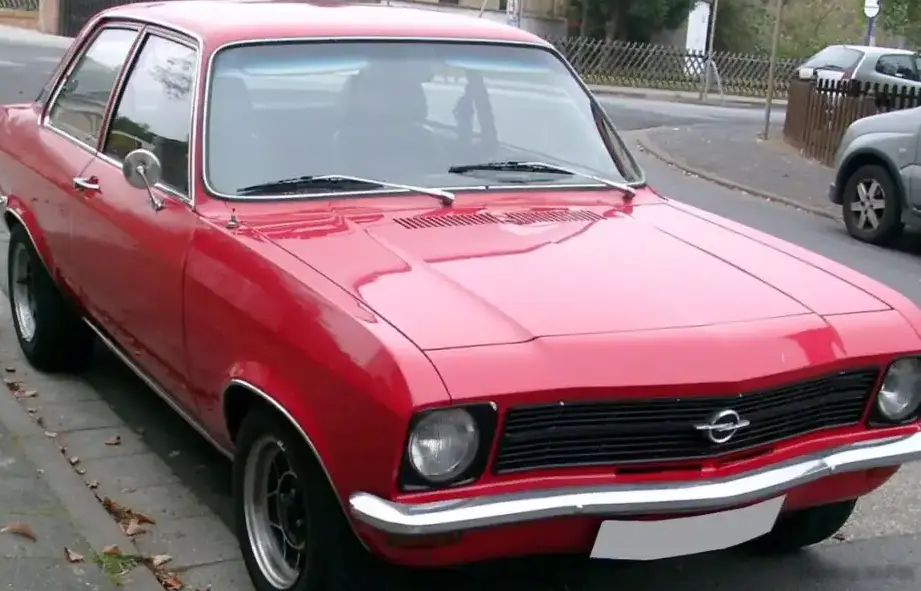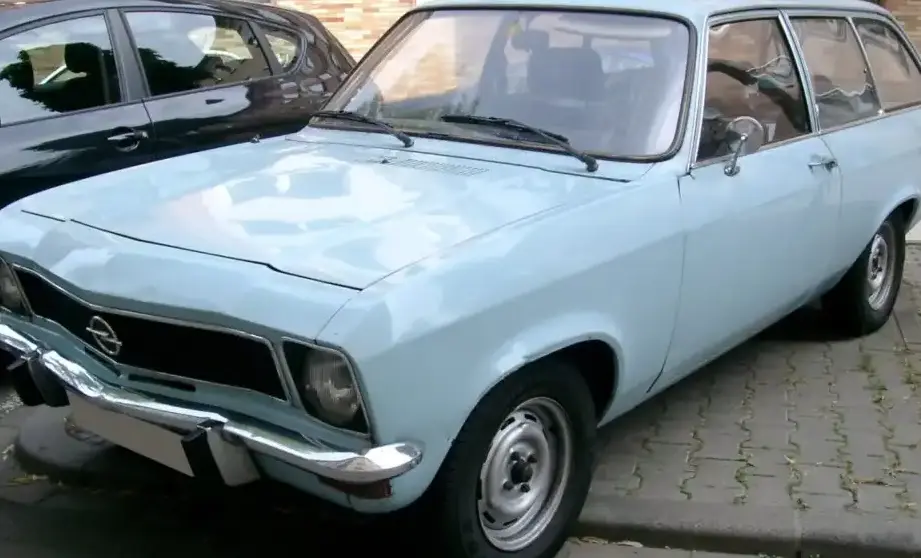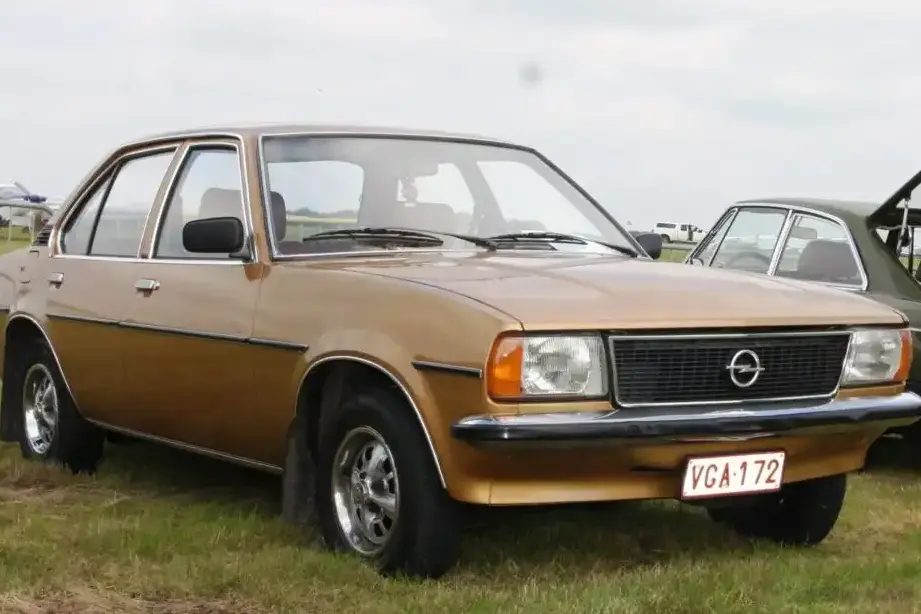
The Opel Ascona B 2.0 N, producing 90 horsepower, was a mainstay of the Ascona B range produced between 1977 and 1979. Positioned as a mid-range offering, it slotted between the more economical lower-powered variants and the higher-performance models like the Ascona SR. The Ascona B, built on the GM T-platform (internally designated as the 1HX0/A3), was Opel’s competitor in the compact/mid-size segment, primarily aimed at the European market. It represented a significant step forward in design and engineering compared to its predecessor, the Ascona A, offering improved comfort, handling, and a wider range of engine options.
Technical Specifications
| Brand | Opel |
| Model | Ascona |
| Generation | Ascona B |
| Type (Engine) | 2.0 N (90 Hp) |
| Start of production | 1977 |
| End of production | 1979 |
| Powertrain Architecture | Internal Combustion engine |
| Body type | Sedan |
| Seats | 5 |
| Doors | 2-4 |
| Fuel Type | Petrol (Gasoline) |
| Acceleration 0 – 100 km/h | 12 sec |
| Acceleration 0 – 62 mph | 12 sec |
| Acceleration 0 – 60 mph | 11.4 sec |
| Maximum speed | 167 km/h (103.77 mph) |
| Weight-to-power ratio | 11.1 kg/Hp, 90 Hp/tonne |
| Weight-to-torque ratio | 7 kg/Nm, 142 Nm/tonne |
| Power | 90 Hp @ 5200 rpm |
| Power per litre | 45.5 Hp/l |
| Torque | 142 Nm @ 3800 rpm (104.73 lb.-ft. @ 3800 rpm) |
| Engine Model/Code | 20N |
| Engine displacement | 1979 cm3 (120.77 cu. in.) |
| Number of cylinders | 4 |
| Engine configuration | Inline |
| Cylinder Bore | 95 mm (3.74 in.) |
| Piston Stroke | 69.8 mm (2.75 in.) |
| Compression ratio | 8:1 |
| Number of valves per cylinder | 2 |
| Fuel injection system | Carburettor |
| Engine aspiration | Naturally aspirated engine |
| Valvetrain | SOHC |
| Engine oil capacity | 3.8 l (4.02 US qt | 3.34 UK qt) |
| Coolant | 6.2 l (6.55 US qt | 5.46 UK qt) |
| Kerb Weight | 1000 kg (2204.62 lbs.) |
| Max. weight | 1420 kg (3130.56 lbs.) |
| Max load | 420 kg (925.94 lbs.) |
| Trunk (boot) space – minimum | 380 l (13.42 cu. ft.) |
| Fuel tank capacity | 50 l (13.21 US gal | 11 UK gal) |
| Permitted trailer load without brakes | 420 kg (925.94 lbs.) |
| Length | 4321 mm (170.12 in.) |
| Width | 1670 mm (65.75 in.) |
| Height | 1380 mm (54.33 in.) |
| Wheelbase | 2518 mm (99.13 in.) |
| Front track | 1380 mm (54.33 in.) |
| Rear (Back) track | 1375 mm (54.13 in.) |
| Ride height (ground clearance) | 130 mm (5.12 in.) |
| Drag coefficient (Cd) | 0.46 |
| Minimum turning circle (turning diameter) | 10.1 m (33.14 ft.) |
| Drivetrain Architecture | The Internal combustion engine (ICE) drives the rear wheels of the vehicle. |
| Drive wheel | Rear wheel drive |
| Number of gears and type of gearbox | 4 gears, manual transmission |
| Front brakes | Disc |
| Rear brakes | Drum |
Powertrain & Engine Architecture
The 2.0 N engine, designated with the code 20N, was a naturally aspirated, inline-four cylinder engine displacing 1979cc (120.77 cubic inches). It featured a single overhead camshaft (SOHC) valvetrain operating two valves per cylinder. Fuel delivery was handled by a carburetor, a common setup for the time, offering simplicity and relatively low cost. The 8:1 compression ratio was a compromise between performance and the fuel quality available in European markets. The engine produced 90 horsepower at 5200 rpm and 142 Nm (104.73 lb-ft) of torque at 3800 rpm. The Ascona B 2.0 N was exclusively offered with a four-speed manual transmission, providing a direct connection between the engine and the rear wheels.
Driving Characteristics
The 2.0 N with the four-speed manual transmission offered a balanced driving experience. Acceleration to 60 mph took approximately 11.4 seconds, and it could reach a top speed of 167 km/h (103.77 mph). While not a sports car, the 2.0 N provided adequate power for everyday driving and comfortable cruising. Compared to the lower-powered 1.6-liter versions, the 2.0 N offered noticeably more punch, particularly when overtaking. However, it lacked the responsiveness and higher top speed of the Ascona SR models, which featured larger engines and often included performance-oriented modifications. The four-speed gearbox provided reasonable spacing, but some drivers found it lacking an overdrive gear for extended highway journeys.
Equipment & Trim Levels
The Ascona B 2.0 N typically came with a fairly standard level of equipment. Interior upholstery was usually cloth, with vinyl often used for the door panels. The dashboard featured a straightforward layout with basic instrumentation, including a speedometer, fuel gauge, and temperature gauge. Options included a radio, upgraded upholstery, and a sunroof. The 2.0 N trim generally represented a step up in terms of interior finish compared to the base models, but it didn’t offer the luxury features found in the higher-end Ascona SR variants.
Chassis & Braking
The Ascona B featured a rear-wheel-drive layout with independent front suspension and a solid rear axle. The front suspension utilized MacPherson struts, while the rear employed leaf springs. The 2.0 N model typically came equipped with disc brakes on the front wheels and drum brakes on the rear. Stabilizer bars were often included, contributing to reduced body roll during cornering. The suspension setup provided a comfortable ride, although it wasn’t particularly sporty. The braking system was adequate for the car’s weight and performance, but it lacked the stopping power of more modern braking systems.
Market Reception & Comparison
The Ascona B 2.0 N was generally well-received by automotive critics as a practical and reliable family car. It offered a good balance of performance, fuel economy, and comfort. Compared to its rivals, such as the Ford Taunus and the Fiat 132, the Ascona B was often praised for its modern styling and well-engineered chassis. The 2.0 N offered a noticeable improvement in performance over the smaller-engined models, making it a popular choice for drivers who needed a bit more power. However, some critics noted that the carburetor could be prone to issues and that the four-speed gearbox could feel dated compared to the five-speed transmissions offered in some competing models.
Legacy
The Opel Ascona B 2.0 N, while not a particularly rare or collectible variant, remains a popular choice among classic car enthusiasts. The 20N engine is known for its durability and relative simplicity, making it relatively easy to maintain. Parts availability is generally good, although some specific components can be difficult to find. Today, well-maintained examples of the Ascona B 2.0 N can be found in the used car market, offering a nostalgic driving experience and a glimpse into the automotive landscape of the late 1970s. Its robust mechanicals and straightforward design continue to appeal to those seeking a classic European sedan that is both enjoyable to drive and relatively affordable to own.