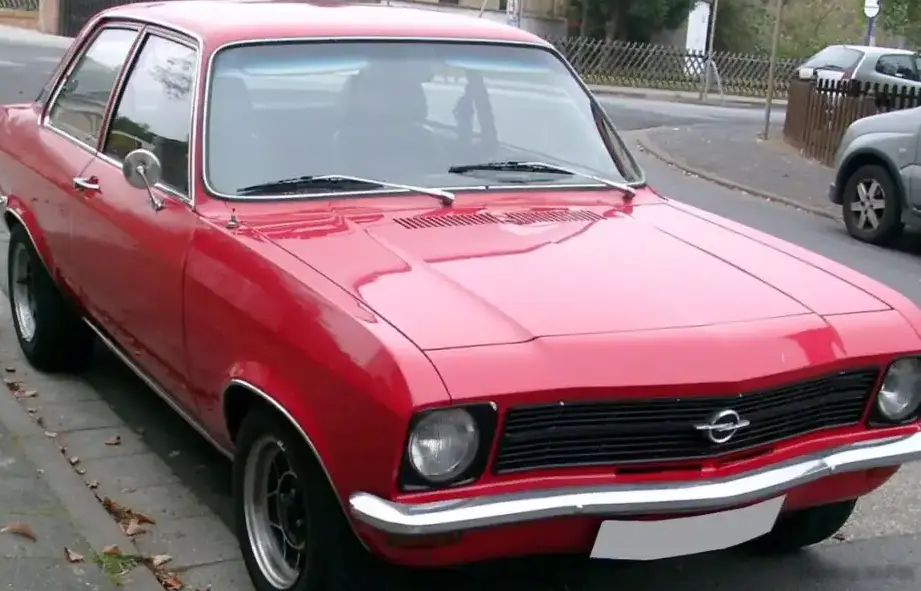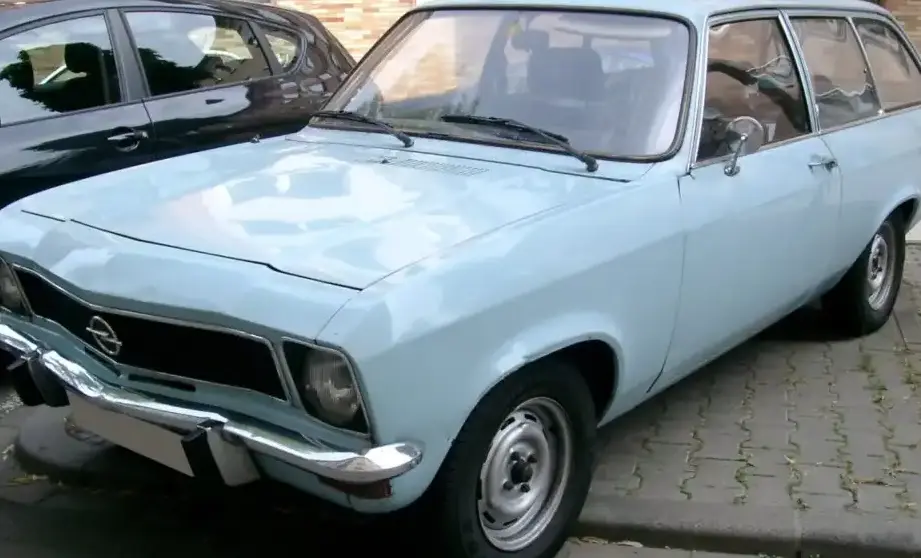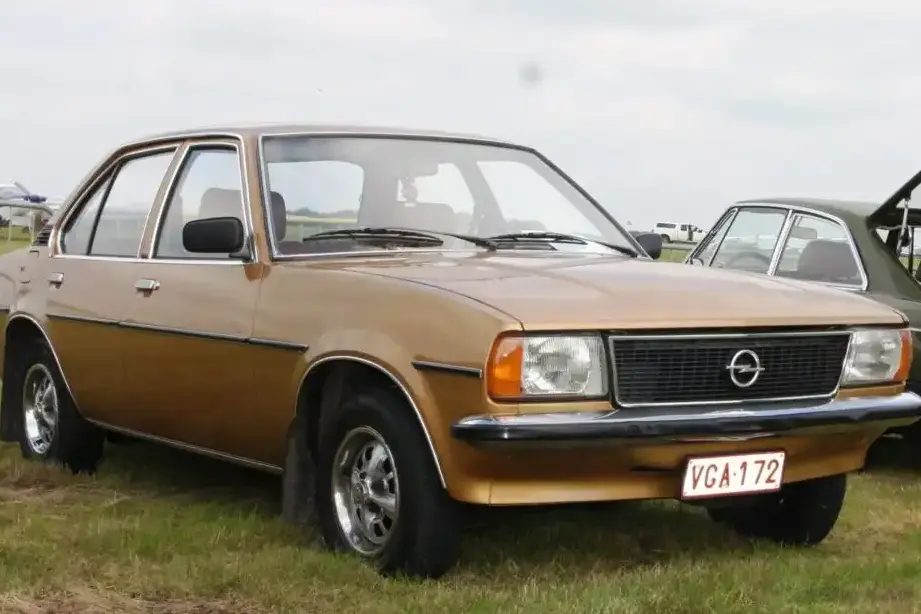
The Opel Ascona B 2.0 S, produced between 1977 and 1979, represented a significant step up in performance and refinement within the Ascona B range. Positioned as a mid-range offering, it catered to drivers seeking a blend of practicality and spirited driving. The Ascona B, launched in 1975 as a replacement for the Ascona A, was Opel’s competitor in the compact/mid-size segment, primarily aimed at the European market. The 2.0 S variant, with its 100 horsepower engine, offered a noticeable upgrade over the base models and served as a more affordable alternative to the higher-performance Ascona SR. It was built on the GM T-platform, shared with other European Opel and Vauxhall models like the Manta and Cavalier.
Technical Specifications
| Brand | Opel |
| Model | Ascona |
| Generation | Ascona B |
| Type (Engine) | 2.0 S (100 Hp) |
| Start of production | 1977 |
| End of production | 1979 |
| Powertrain Architecture | Internal Combustion engine |
| Body type | Sedan |
| Seats | 5 |
| Doors | 2-4 |
| Fuel Type | Petrol (Gasoline) |
| Acceleration 0 – 100 km/h | 11.5 sec |
| Acceleration 0 – 62 mph | 11.5 sec |
| Acceleration 0 – 60 mph | 10.9 sec |
| Maximum speed | 175 km/h (108.74 mph) |
| Weight-to-power ratio | 10 kg/Hp, 100 Hp/tonne |
| Weight-to-torque ratio | 6.5 kg/Nm, 153 Nm/tonne |
| Power | 100 Hp @ 5400 rpm |
| Power per litre | 50.5 Hp/l |
| Torque | 153 Nm @ 3800 rpm (112.85 lb.-ft. @ 3800 rpm) |
| Engine Model/Code | 20S |
| Engine displacement | 1979 cm3 (120.77 cu. in.) |
| Number of cylinders | 4 |
| Engine configuration | Inline |
| Cylinder Bore | 95 mm (3.74 in.) |
| Piston Stroke | 69.8 mm (2.75 in.) |
| Compression ratio | 9:1 |
| Number of valves per cylinder | 2 |
| Fuel injection system | Carburettor |
| Engine aspiration | Naturally aspirated engine |
| Valvetrain | SOHC |
| Engine oil capacity | 3.8 l (4.02 US qt | 3.34 UK qt) |
| Coolant | 6.2 l (6.55 US qt | 5.46 UK qt) |
| Kerb Weight | 1000 kg (2204.62 lbs.) |
| Max. weight | 1420 kg (3130.56 lbs.) |
| Max load | 420 kg (925.94 lbs.) |
| Trunk (boot) space – minimum | 380 l (13.42 cu. ft.) |
| Fuel tank capacity | 50 l (13.21 US gal | 11 UK gal) |
| Length | 4321 mm (170.12 in.) |
| Width | 1670 mm (65.75 in.) |
| Height | 1380 mm (54.33 in.) |
| Wheelbase | 2518 mm (99.13 in.) |
| Front track | 1380 mm (54.33 in.) |
| Rear (Back) track | 1375 mm (54.13 in.) |
| Ride height (ground clearance) | 130 mm (5.12 in.) |
| Drag coefficient (Cd) | 0.46 |
| Minimum turning circle (turning diameter) | 10.1 m (33.14 ft.) |
| Drivetrain Architecture | The Internal combustion engine (ICE) drives the rear wheels of the vehicle. |
| Drive wheel | Rear wheel drive |
| Number of gears and type of gearbox | 4 gears, manual transmission |
| Front brakes | Disc |
| Rear brakes | Drum |
Powertrain & Engine Architecture
The heart of the Ascona B 2.0 S was the 20S engine, a 1,979 cc inline-four cylinder unit. This engine featured a single overhead camshaft (SOHC) valvetrain operating two valves per cylinder. Fuel delivery was handled by a Solex carburetor, a common setup for the era. The 20S engine produced 100 horsepower at 5,400 rpm and 153 Nm (113 lb-ft) of torque at 3,800 rpm. The engine’s design prioritized reliability and ease of maintenance over outright performance. The four-speed manual transmission was standard, providing a relatively direct connection between the engine and the rear wheels. The transmission’s gear ratios were geared towards providing adequate acceleration and cruising ability, but weren’t particularly sporty.
Driving Characteristics
The Ascona B 2.0 S offered a comfortable and predictable driving experience. While not a sports car, the 100 hp engine provided sufficient power for everyday driving and even some spirited runs. Acceleration to 60 mph took around 10.9 seconds, and the car could reach a top speed of 175 km/h (109 mph). Compared to the more powerful Ascona SR models, the 2.0 S felt less eager to rev, but its lower-end torque made it more tractable in everyday traffic. The manual transmission, while not particularly precise, was durable and easy to operate. The rear-wheel-drive layout provided a balanced feel, although it lacked the handling precision of more modern front-wheel-drive cars.
Equipment & Trim Levels
The 2.0 S trim level offered a step up in comfort and features compared to the base Ascona models. Standard equipment typically included cloth upholstery, a basic instrument cluster, and a four-spoke steering wheel. Optional extras included a sunroof, upgraded audio systems, and more luxurious interior trim options. The Ascona B was available in both two-door coupe and four-door sedan body styles, with the 2.0 S being offered in both configurations. The interior design was functional and straightforward, reflecting the car’s focus on practicality.
Chassis & Braking
The Ascona B utilized a conventional rear-wheel-drive chassis with independent front suspension and a solid rear axle. The front suspension featured MacPherson struts, while the rear axle was located by trailing arms and a Panhard rod. Braking duties were handled by disc brakes at the front and drum brakes at the rear. The braking system was adequate for the car’s weight and performance, but lacked the stopping power of more modern systems. Stabilizer bars were fitted to both the front and rear axles to reduce body roll during cornering.
Market Reception & Comparison
The Ascona B 2.0 S was generally well-received by automotive critics as a practical and reliable family car. It offered a good balance of performance, comfort, and fuel economy. Compared to other cars in its class, such as the Ford Taunus and the Fiat 132, the Ascona B was considered to be a well-rounded and competitive offering. The 2.0 S variant offered a noticeable performance upgrade over the base models, but it was still less expensive than the higher-performance Ascona SR. Fuel economy was reasonable for the time, averaging around 28-32 mpg depending on driving conditions.
Legacy
The Opel Ascona B 2.0 S remains a popular classic car among enthusiasts today. Its simple mechanical design and readily available parts make it relatively easy to maintain and repair. The 20S engine is known for its durability and reliability, and many examples are still on the road after decades of use. While not a particularly rare or valuable car, the Ascona B 2.0 S represents a significant piece of automotive history and a testament to Opel’s engineering prowess. In the used car market, well-maintained examples command a modest premium, appealing to collectors and enthusiasts seeking a classic European sedan.