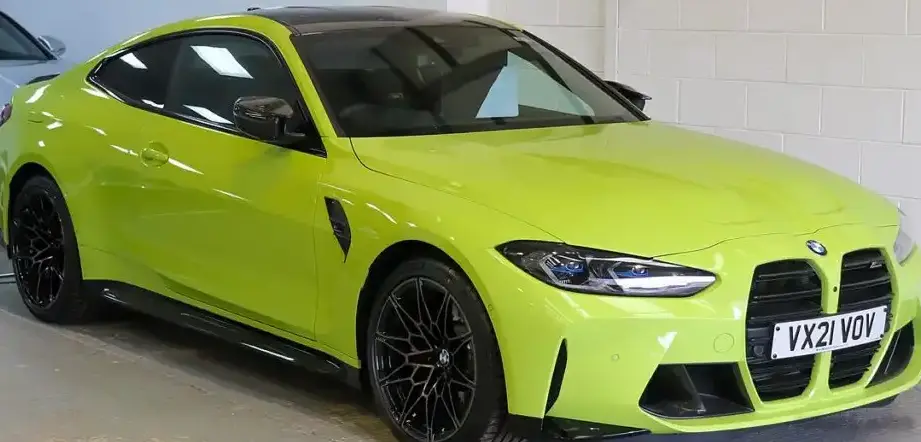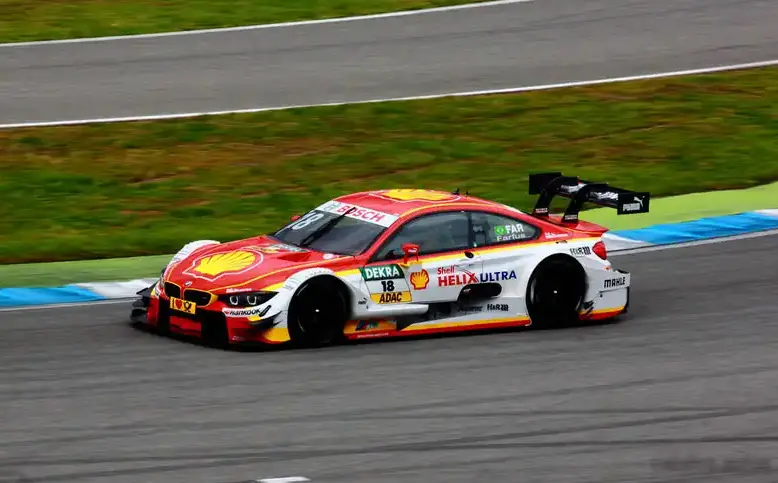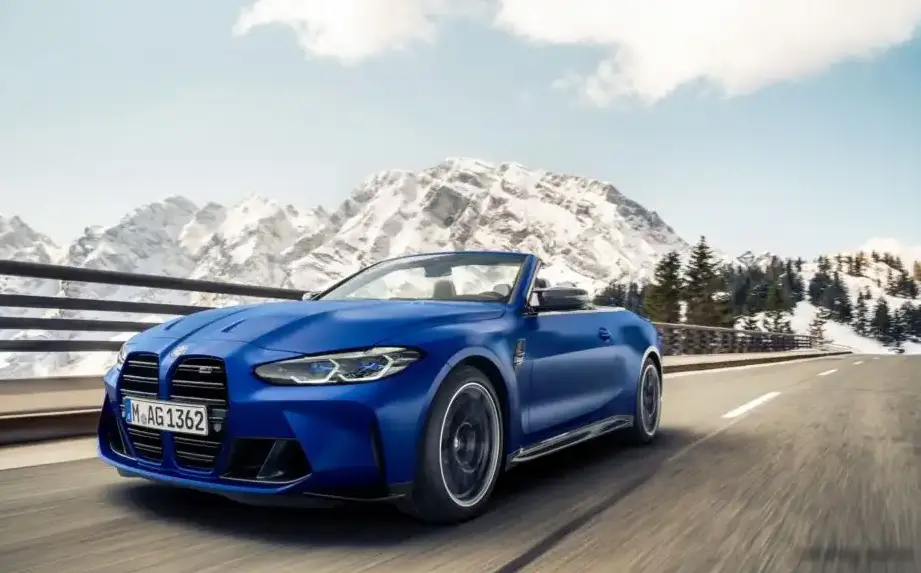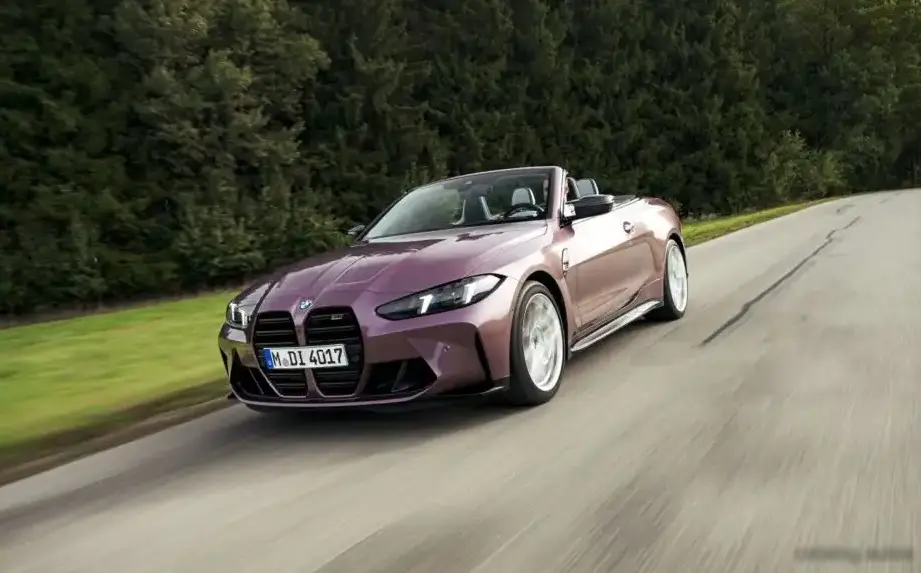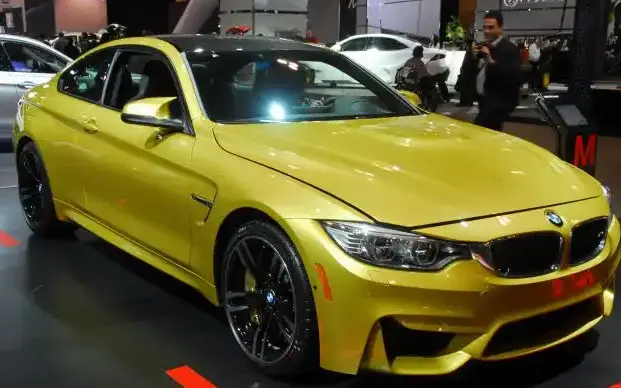
The BMW M4 (F82), produced from 2014 to 2020, represents BMW’s high-performance coupe offering, succeeding the previous M3 coupe (E92). The F82 M4 marked a significant departure from the M3’s history, as BMW split the M3 nameplate, designating the coupe and convertible models as the M4, while the sedan retained the M3 designation. This specific variant, powered by the 3.0-liter (2979 cc) S55B30A inline-six engine producing 431 horsepower, was a cornerstone of the F82 lineup, aimed at enthusiasts seeking a thrilling, track-capable driving experience. It served as the primary performance offering, positioned above base 4 Series models and below any potential future, more extreme performance variants.
Technical Specifications
| Brand | BMW |
| Model | M4 |
| Generation | M4 (F82) |
| Type (Engine) | 3.0 (431 Hp) |
| Start of production | 2014 |
| End of production | 2020 |
| Powertrain Architecture | Internal Combustion engine |
| Body type | Coupe |
| Seats | 4 |
| Doors | 2 |
| Fuel consumption (economy) – urban | 12 l/100 km (19.6 US mpg) |
| Fuel consumption (economy) – extra urban | 6.9 l/100 km (34.1 US mpg) |
| Fuel consumption (economy) – combined | 8.8 l/100 km (26.7 US mpg) |
| CO2 emissions | 204 g/km |
| Fuel Type | Petrol (Gasoline) |
| Acceleration 0 – 100 km/h | 4.3 sec |
| Acceleration 0 – 62 mph | 4.3 sec |
| Acceleration 0 – 60 mph | 4.1 sec |
| Maximum speed | 250 km/h (155.34 mph) |
| Emission standard | Euro 6 |
| Weight-to-power ratio | 3.5 kg/Hp |
| Weight-to-torque ratio | 2.7 kg/Nm |
| Power | 431 Hp @ 5500-7300 rpm |
| Power per litre | 144.7 Hp/l |
| Torque | 550 Nm @ 1850-5500 rpm (405.66 lb.-ft. @ 1850-5500 rpm) |
| Engine layout | Front, Longitudinal |
| Engine Model/Code | S55B30A |
| Engine displacement | 2979 cm3 (181.79 cu. in.) |
| Number of cylinders | 6 |
| Engine configuration | Inline |
| Cylinder Bore | 84 mm (3.31 in.) |
| Piston Stroke | 89.6 mm (3.53 in.) |
| Compression ratio | 10.2:1 |
| Number of valves per cylinder | 4 |
| Fuel injection system | Direct injection |
| Engine aspiration | Twin-power turbo, Intercooler |
| Engine oil capacity | 6.5 l (6.87 US qt | 5.72 UK qt) |
| Coolant | 13.9 l (14.69 US qt | 12.23 UK qt) |
| Kerb Weight | 1497 kg (3300.32 lbs.) |
| Max. weight | 2040 kg (4497.43 lbs.) |
| Max load | 543 kg (1197.11 lbs.) |
| Trunk (boot) space – minimum | 445 l (15.72 cu. ft.) |
| Fuel tank capacity | 60 l (15.85 US gal | 13.2 UK gal) |
| Max. roof load | 75 kg (165.35 lbs.) |
| Length | 4671 mm (183.9 in.) |
| Width | 1870 mm (73.62 in.) |
| Height | 1383 mm (54.45 in.) |
| Wheelbase | 2812 mm (110.71 in.) |
| Front track | 1579 mm (62.17 in.) |
| Rear (Back) track | 1603 mm (63.11 in.) |
| Ride height (ground clearance) | 121 mm (4.76 in.) |
| Drag coefficient (Cd) | 0.34 |
| Minimum turning circle (turning diameter) | 12.2 m (40.03 ft.) |
| Drivetrain Architecture | Rear wheel drive |
| Drive wheel | Rear wheel drive |
| Number of gears and type of gearbox | 6 gears, manual transmission |
| Front suspension | Independent coil spring |
| Rear suspension | Independent multi-link suspension |
| Front brakes | Ventilated discs |
| Rear brakes | Ventilated discs |
| Assisting systems | ABS (Anti-lock braking system) |
| Steering type | Steering rack and pinion |
| Power steering | Electric Steering |
| Tires size | 255/40 ZR18 95Y; 275/40 ZR18 99Y |
| Wheel rims size | 9.0J x 18; 10.0J x 18 |
Powertrain & Engine Architecture
The heart of the F82 M4 is the S55B30A 3.0-liter inline-six engine. This engine is a significant evolution of the N55 engine found in earlier BMW models, but with substantial upgrades to handle the increased power output. Key features include direct fuel injection, a twin-scroll twin-turbocharger setup, and a closed-deck engine block for enhanced strength. The engine utilizes Valvetronic technology, allowing for precise control of valve lift and timing, optimizing both power and efficiency. The S55 engine produces 431 hp at 5500-7300 rpm and 405 lb-ft of torque between 1850-5500 rpm. The standard transmission for this variant was a 6-speed manual, though a 7-speed dual-clutch transmission (DCT) was also available as an option. The DCT offered faster shift times and launch control, but the manual transmission remained popular among purists.
Driving Characteristics
The F82 M4 with the 431 hp engine and 6-speed manual transmission delivers a raw and engaging driving experience. Acceleration from 0-60 mph takes approximately 4.1 seconds. The engine’s broad torque curve provides strong pull throughout the rev range, making it responsive in various driving situations. The manual transmission features a relatively short throw and precise gate, encouraging spirited driving. While the DCT version offered quicker acceleration, the manual transmission provided a more connected feel. The suspension, tuned for performance, offers excellent body control and minimal roll, but can be firm on rough road surfaces. The steering is precise and communicative, providing ample feedback to the driver.
Equipment & Trim Levels
The M4 came standard with a comprehensive list of features, including leather upholstery, power-adjustable sport seats, a premium sound system, and a navigation system. Optional extras included carbon fiber trim, upgraded audio systems, and driver assistance features like lane departure warning and blind-spot monitoring. The interior design was focused on the driver, with a cockpit-style layout and supportive seats. The standard interior color options included black leather, and various combinations of leather and Alcantara. Competition packages added features like adaptive suspension, larger brakes, and more aggressive styling elements.
Chassis & Braking
The F82 M4 features a lightweight chassis with extensive use of aluminum in the suspension components and body structure. The front suspension utilizes a MacPherson strut design, while the rear employs a multi-link setup. Both ends feature adjustable dampers and stabilizer bars. The braking system consists of ventilated discs at all four corners, with large calipers providing ample stopping power. The standard wheels were 18-inch alloy wheels, with high-performance tires designed for maximum grip. The M4’s chassis and braking system were designed to handle the demands of track driving, providing consistent performance even under heavy use.
Market Reception & Comparison
The F82 M4 was widely praised by automotive critics for its performance, handling, and overall driving experience. It was often compared to its rivals, such as the Porsche 911 and the Mercedes-AMG C63 Coupe. While the M4 offered a more accessible price point than the 911, it was often considered to be slightly less refined. Compared to the C63 Coupe, the M4 was praised for its more balanced handling and precise steering. Fuel economy was reasonable for a high-performance coupe, with combined fuel consumption around 26.7 US mpg. Reliability was generally good, although some owners reported issues with oil leaks and cooling system components.
Legacy
The F82 M4 has established itself as a modern classic among BMW enthusiasts. The S55 engine is known for its robust construction and potential for modification. The F82 M4 remains a popular choice in the used car market, commanding a premium price for well-maintained examples. Its combination of performance, handling, and driver engagement has cemented its place as one of the most iconic BMW coupes of the 21st century. The platform and engine technology influenced subsequent BMW M models, continuing the brand’s legacy of high-performance automobiles.