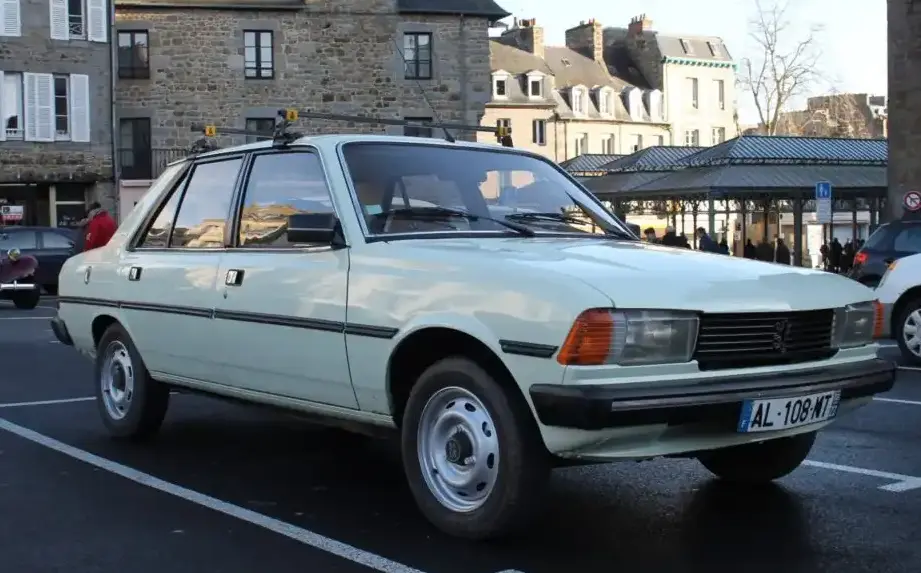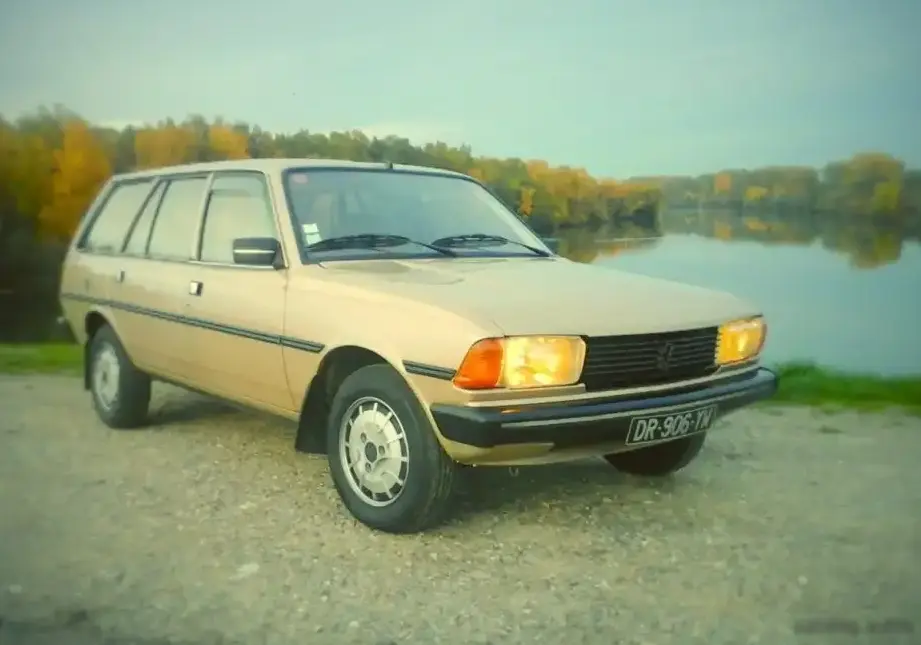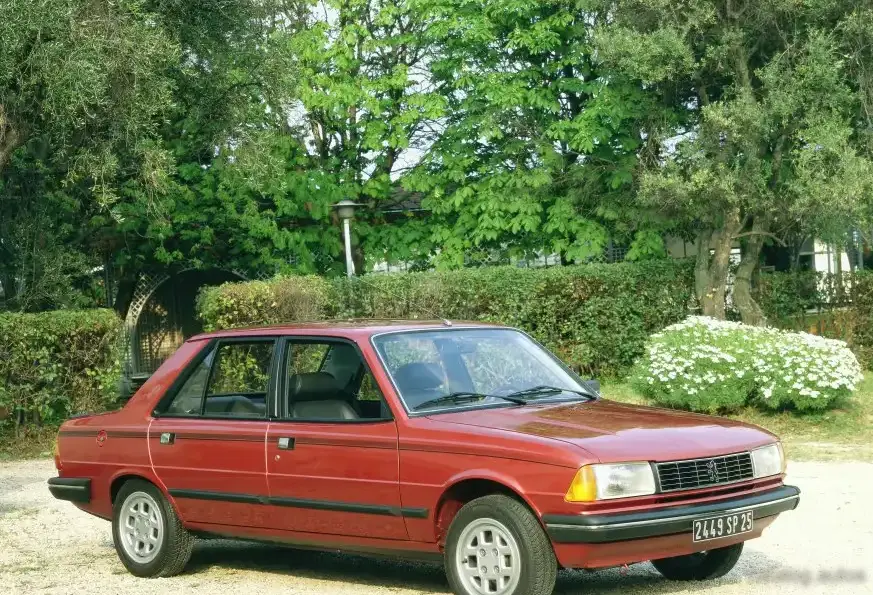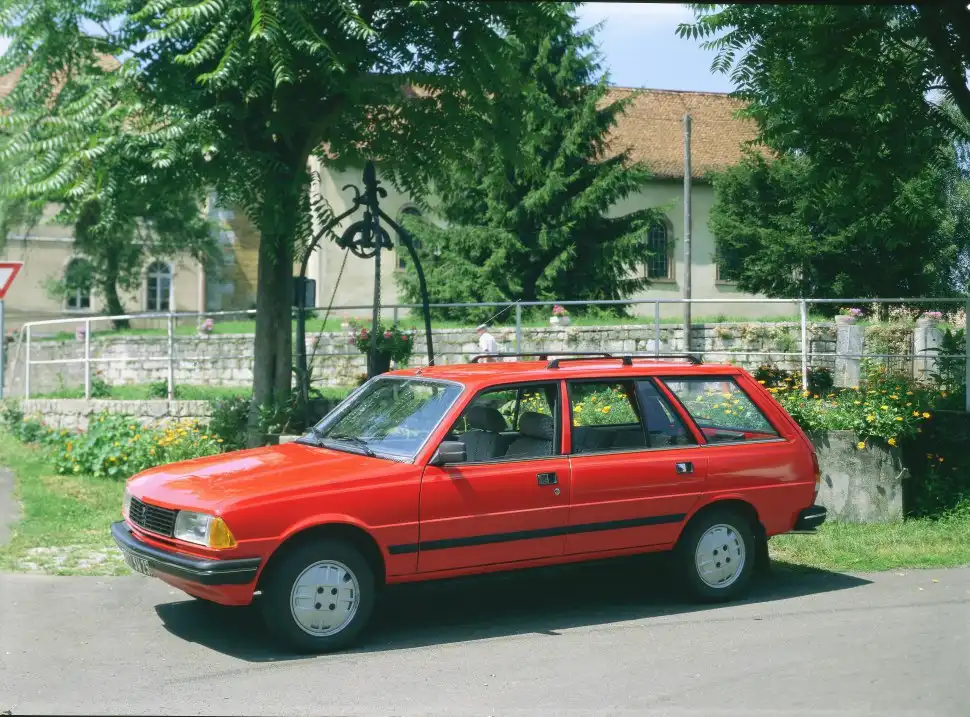
The Peugeot 305 II Break (581E) 1.5, produced between 1982 and 1986, represents a significant iteration of Peugeot’s compact family car, the 305. This specific variant, a station wagon (estate) powered by a 1.5-liter gasoline engine producing 73 horsepower, occupied a crucial position in Peugeot’s lineup as an affordable and practical option for families. The 305 series, launched in 1977, aimed to replace the aging 304, offering improved space, comfort, and a more modern design. The “II” designation denotes the facelifted version introduced in 1982, featuring subtle styling updates and mechanical refinements. The Break body style, Peugeot’s term for its station wagons, was particularly popular in Europe, catering to a demand for versatile vehicles capable of handling both passengers and cargo.
Technical Specifications
| Brand | Peugeot |
| Model | 305 |
| Generation | 305 II Break (581E) |
| Type (Engine) | 1.5 (73 Hp) |
| Start of production | 1982 |
| End of production | 1986 |
| Powertrain Architecture | Internal Combustion engine |
| Body type | Station wagon (estate) |
| Fuel Type | Petrol (Gasoline) |
| Power | 73 Hp |
| Engine Model/Code | 142 XR5 |
| Engine aspiration | Naturally aspirated engine |
| Engine oil capacity | 4 l (4.23 US qt | 3.52 UK qt) |
| Coolant capacity | 6 l (6.34 US qt | 5.28 UK qt) |
Powertrain & Engine Architecture
The heart of the 305 II Break 1.5 is the 142 XR5 engine, a 1.5-liter (1469 cc) inline-four cylinder gasoline engine. This engine is a naturally aspirated unit, meaning it doesn’t employ a turbocharger or supercharger. It features a single overhead camshaft (SOHC) valvetrain operating two valves per cylinder. Fuel delivery is managed by a Solex carburetor, a common setup for European cars of this era. The carburetor provides a relatively simple and cost-effective method of fuel-air mixture control, though it’s less precise than fuel injection systems. The engine’s modest 73 horsepower output at 5,300 rpm and 87 lb-ft of torque at 3,000 rpm were geared towards fuel efficiency and everyday usability rather than outright performance. The engine is paired with a three-speed automatic transmission, a relatively uncommon option for this class of vehicle in Europe at the time, often chosen by buyers prioritizing convenience over driver engagement. The automatic transmission was designed to provide smooth shifts and ease of driving in urban environments.
Driving Characteristics
The 305 II Break 1.5 with the automatic transmission delivers a driving experience focused on comfort and practicality. Acceleration is modest, with a 0-60 mph time estimated around 14-16 seconds. The three-speed automatic transmission, while providing ease of use, contributes to this slower acceleration. Gear ratios are optimized for fuel economy and relaxed cruising rather than spirited driving. The engine feels relatively strained at higher speeds, and overtaking maneuvers require careful planning. Compared to the manual transmission versions of the 305 1.5, the automatic suffers a noticeable performance penalty. Higher-spec 305 models, such as those equipped with the 1.6 or 1.8-liter engines, offered significantly more power and a more engaging driving experience. However, the automatic 1.5 excels in city driving, where its smooth shifts and ease of operation are highly appreciated. The suspension, tuned for comfort, absorbs bumps and imperfections in the road well, providing a relatively smooth ride.
Equipment & Trim Levels
The 305 II Break 1.5 typically came with a fairly basic level of equipment, reflecting its position as an entry-level or mid-range model. Standard features generally included cloth upholstery, a basic instrument cluster, and manually operated windows and door locks. The interior design is functional and straightforward, prioritizing practicality over luxury. Optional extras available for this trim included a sunroof, upgraded upholstery, and a radio. The Break body style inherently offered a large cargo area, making it ideal for families or those needing to transport bulky items. The rear seats could be folded down to further increase cargo capacity. Trim levels varied slightly depending on the specific market, but generally, the 1.5 automatic was positioned as a comfortable and well-equipped family vehicle, though lacking the more luxurious features found in higher-spec models.
Chassis & Braking
The 305 II Break utilizes a MacPherson strut front suspension and a torsion beam rear suspension. This setup provides a good balance between ride comfort and handling. The torsion beam rear suspension is a relatively simple and cost-effective design, contributing to the vehicle’s affordability. Braking is typically accomplished with disc brakes on the front wheels and drum brakes on the rear wheels. This configuration was common for vehicles in this price range during the 1980s. Steering is rack and pinion, providing reasonably precise control. Stabilizer bars (anti-roll bars) were often included, helping to reduce body roll during cornering. The chassis is relatively lightweight, contributing to the vehicle’s fuel efficiency. The overall design prioritizes stability and predictable handling rather than sporty performance.
Market Reception & Comparison
The Peugeot 305 II Break 1.5 automatic received generally positive reviews for its practicality, comfort, and fuel efficiency. Critics praised its spacious interior and versatile cargo area. However, the engine’s modest power output and the automatic transmission’s relatively slow shifts were often cited as drawbacks. Compared to other station wagons in its class, such as the Renault 18 Break or the Citroën BX Break, the 305 offered a good balance of features and affordability. Fuel economy was a strong point, with the 1.5-liter engine achieving around 28-32 mpg in mixed driving conditions. Reliability was generally good, though carburetor maintenance could be required periodically. The automatic transmission, while convenient, was sometimes criticized for its lack of responsiveness.
Legacy
The Peugeot 305 II Break 1.5, while not a performance icon, holds a significant place in automotive history as a practical and affordable family car. The 142 XR5 engine, while simple in design, proved to be relatively durable and reliable. Today, the 305 is becoming increasingly sought after by classic car enthusiasts, particularly well-maintained examples. The automatic transmission versions, while less common, are appreciated by collectors looking for a unique and comfortable classic. Parts availability can be a challenge, but a dedicated community of Peugeot enthusiasts helps to keep these vehicles on the road. The 305’s influence can be seen in subsequent Peugeot models, which continued to build on its reputation for practicality, comfort, and stylish design. The 305 II Break 1.5 represents a snapshot of 1980s European automotive engineering, prioritizing usability and affordability over outright performance.