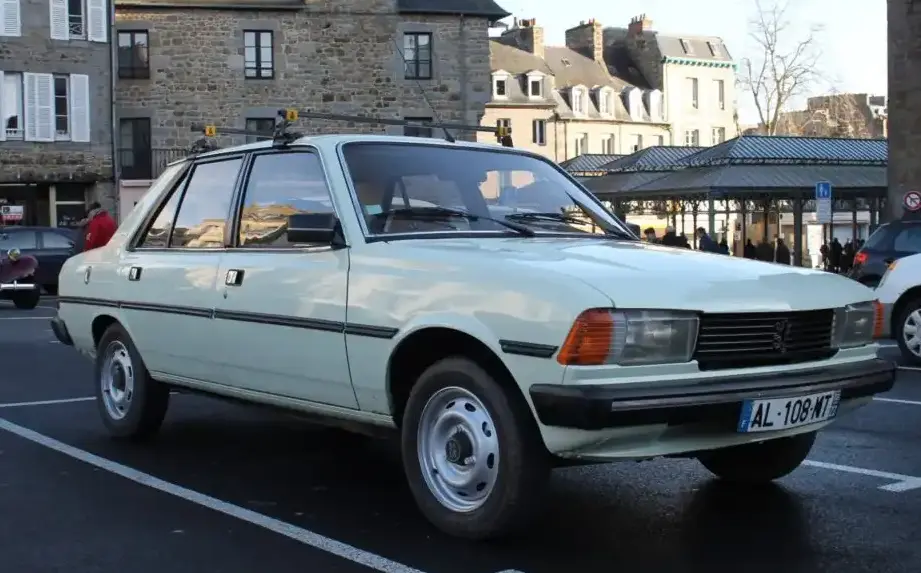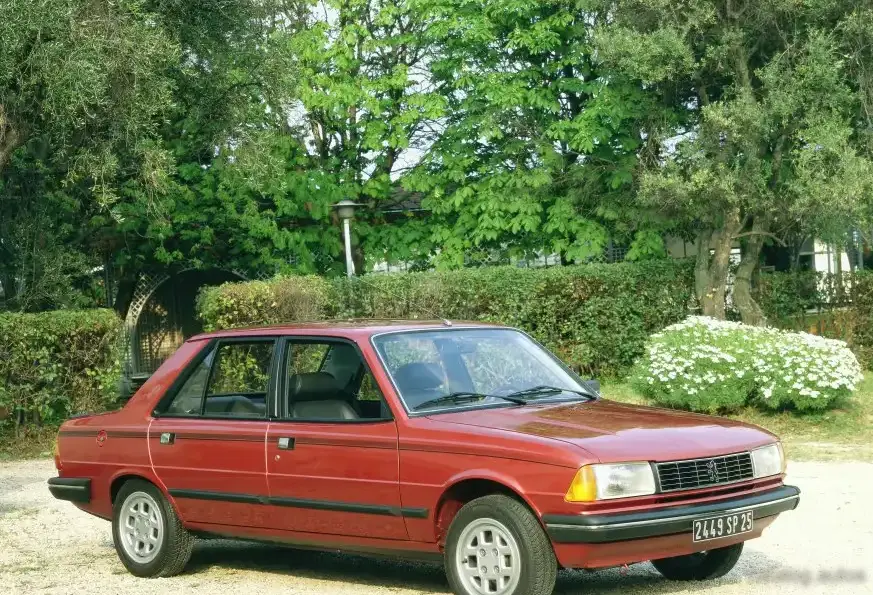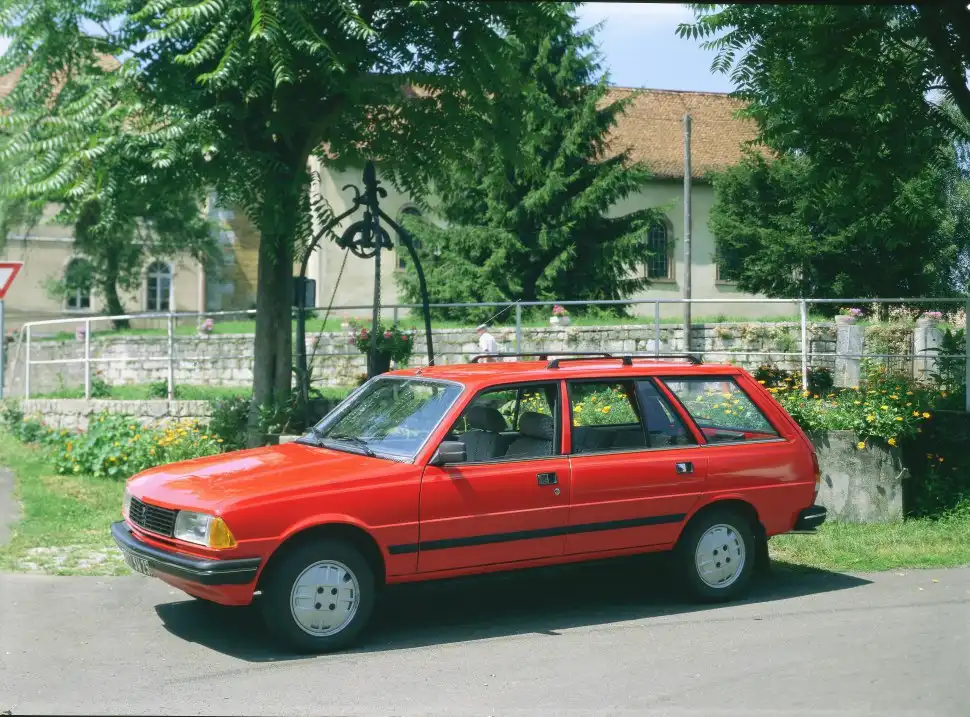
The Peugeot 305 II Break (581E) 1.9, produced between 1984 and 1987, represents a significant iteration of Peugeot’s compact family car, the 305. This particular variant, a station wagon (estate) powered by the XU9S engine, occupied a middle ground within the 305 Break lineup, offering a balance between practicality, fuel economy, and reasonable performance. The 305 series, launched in 1977, was Peugeot’s answer to the increasing demand for fuel-efficient, comfortable, and modern family vehicles, and the Break (estate) version further enhanced its appeal to those needing additional cargo space. The 581E designation specifically identifies the second generation of the 305 Break, incorporating refinements to the original design.
Technical Specifications
| Brand | Peugeot |
| Model | 305 |
| Generation | 305 II Break (581E) |
| Type (Engine) | 1.9 (102 Hp) |
| Start of production | 1984 |
| End of production | 1987 |
| Powertrain Architecture | Internal Combustion engine |
| Body type | Station wagon (estate) |
| Fuel Type | Petrol (Gasoline) |
| Power | 102 Hp |
| Engine Model/Code | 159 XU9S |
| Engine aspiration | Naturally aspirated engine |
| Engine oil capacity | 5 l (5.28 US qt | 4.4 UK qt) |
| Coolant capacity | 6.5 l (6.87 US qt | 5.72 UK qt) |
Powertrain & Engine Architecture
The heart of the 305 II Break 1.9 is the Peugeot-developed XU9S engine. This 1.9-liter, naturally aspirated inline-four cylinder engine, designated as engine code 159, was a cornerstone of Peugeot and Citroën’s mid-range offerings during the 1980s. The XU9S featured a cast iron block and an aluminum cylinder head, a common configuration for durability and weight reduction. It employed a single overhead camshaft (SOHC) valvetrain operating two valves per cylinder. Fuel delivery was managed by a Bosch mechanical fuel injection system, a step up from carburation offering improved fuel efficiency and emissions control compared to earlier 305 models. The engine produced 102 horsepower at approximately 5,500 rpm and 138 lb-ft of torque at 3,500 rpm. While not a high-performance engine, the XU9S was known for its reliability and smooth operation. The 305 Break 1.9 was typically paired with a three-speed automatic transmission, although a five-speed manual transmission was also available. The automatic transmission, while providing convenience, was not particularly sophisticated by modern standards, and its gear ratios were optimized for fuel economy rather than spirited acceleration.
Driving Characteristics
The driving experience in the 305 II Break 1.9 with the automatic transmission was characterized by comfort and ease of use. Acceleration was adequate for everyday driving, but the automatic transmission and the engine’s torque curve meant that it wasn’t particularly quick. Overtaking maneuvers required careful planning. The three-speed automatic’s gear ratios were spaced relatively wide, resulting in noticeable shifts and a lack of the seamless power delivery found in more modern automatic transmissions. Compared to the manual transmission version, the automatic 1.9 offered less driver engagement but greater convenience, particularly in urban environments. The 305 Break’s suspension, consisting of independent front suspension with MacPherson struts and a torsion beam rear axle, provided a comfortable ride, absorbing bumps and imperfections in the road surface effectively. However, the car’s relatively soft suspension setup also resulted in some body roll during cornering.
Equipment & Trim Levels
The 305 II Break 1.9 typically came equipped with a reasonable level of standard features for its time. These included cloth upholstery, a basic instrument cluster, and manual windows and door locks. Air conditioning was often an optional extra, as were features like a radio and upgraded interior trim. The 305 Break was positioned as a practical family vehicle, so luxury features were generally kept to a minimum. The interior design was functional and straightforward, prioritizing usability over aesthetics. Trim levels varied depending on the market, but generally, the 1.9 version represented a mid-range offering, sitting above the base models with smaller engines and fewer features, but below the more luxurious trims with larger engines and additional equipment.
Chassis & Braking
The 305 II Break’s chassis was a traditional body-on-frame construction, providing a robust and durable platform. The front suspension utilized MacPherson struts, while the rear suspension employed a torsion beam axle. This setup offered a good balance between ride comfort and handling. Braking was initially accomplished with disc brakes on the front wheels and drum brakes on the rear wheels. Later models saw the introduction of rear disc brakes on some trims. The braking system was hydraulically assisted, providing adequate stopping power for the vehicle’s weight and performance. Steering was a recirculating ball system, which offered a relatively light steering feel but lacked the precision of more modern steering technologies. Stabilizer bars were fitted to both the front and rear axles to reduce body roll during cornering.
Market Reception & Comparison
The Peugeot 305 II Break 1.9 was generally well-received by automotive critics as a practical and reliable family car. It was praised for its spacious interior, comfortable ride, and fuel efficiency. However, the automatic transmission was sometimes criticized for its lack of responsiveness and the engine’s performance was considered adequate but not exciting. Compared to other station wagons of the time, such as the Renault 18 Break and the Citroën BX Break, the 305 Break offered a good balance of features and price. The 1.9-liter engine provided a noticeable performance advantage over the smaller engine options, while the automatic transmission appealed to buyers seeking convenience. Fuel economy was competitive for the era, averaging around 25-30 mpg in mixed driving conditions. Reliability was generally good, although the Bosch fuel injection system could occasionally require maintenance.
Legacy
The Peugeot 305 II Break 1.9, while no longer in production, has left a lasting legacy as a practical and reliable family car. The XU9S engine, in particular, is known for its durability and has been used in a variety of Peugeot and Citroën models. Today, the 305 Break is a popular choice among classic car enthusiasts, particularly those seeking a stylish and affordable vintage station wagon. The automatic transmission version, while not as sought after as the manual transmission models, offers a unique driving experience and remains a viable option for those looking for a comfortable and convenient classic car. Parts availability can be a challenge, but a dedicated community of enthusiasts ensures that spare parts and technical expertise are still available. The 305 Break 1.9 represents a significant chapter in Peugeot’s history, showcasing the company’s commitment to building practical, reliable, and stylish family vehicles.