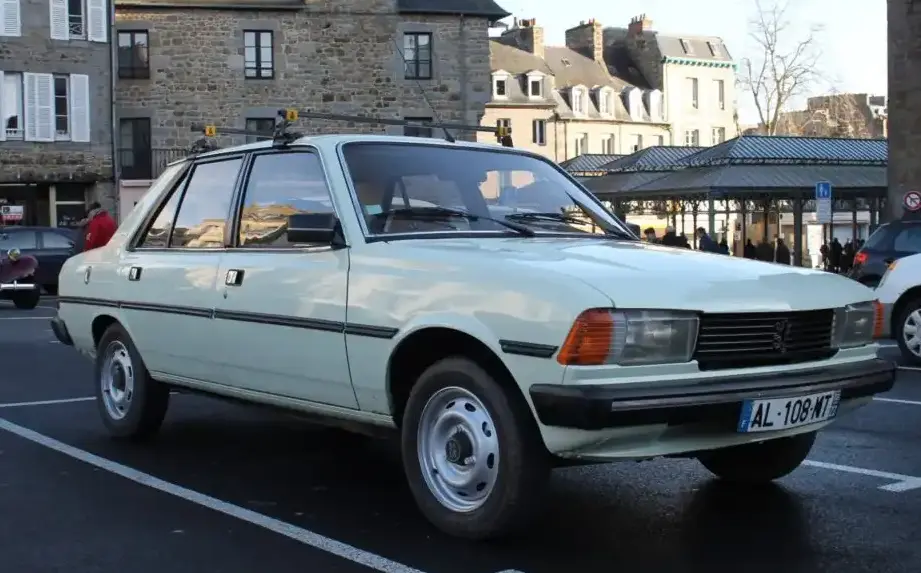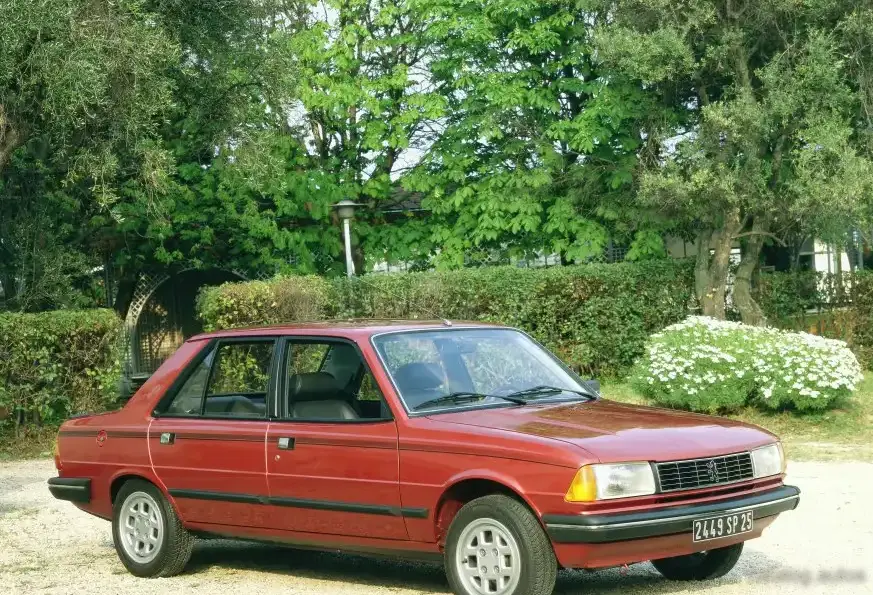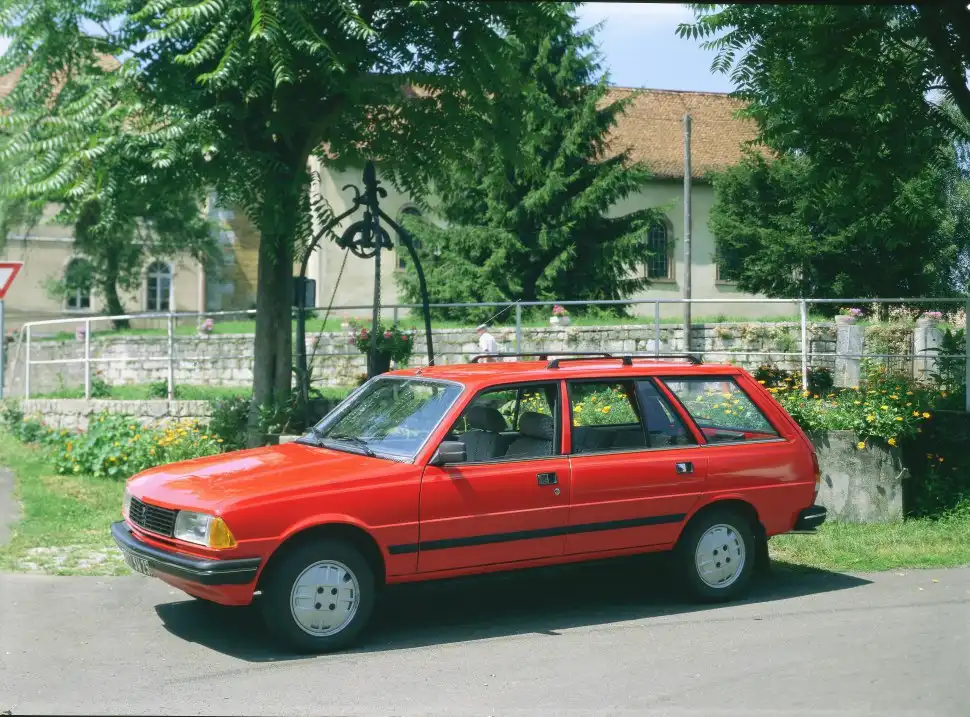
The Peugeot 305 II Break (581E) 1.9, produced between 1986 and 1988, represents a refined iteration of Peugeot’s popular compact family car. As a station wagon (estate) variant within the 305 II series, it offered increased practicality and cargo space compared to the sedan and hatchback models. This particular version, powered by the XU9J1 1.9-liter engine producing 98 horsepower, occupied a mid-range position in the 305 Break lineup, offering a balance between performance, fuel economy, and affordability. It was positioned above the lower-powered 1.6-liter models and below the more expensive and performance-oriented 2.0-liter variants. The 305 II Break aimed to provide a comfortable and reliable family vehicle, appealing to buyers seeking a spacious and practical car for everyday use.
Technical Specifications
| Brand | Peugeot |
| Model | 305 |
| Generation | 305 II Break (581E) |
| Type (Engine) | 1.9 (98 Hp) |
| Start of production | 1986 |
| End of production | 1988 |
| Powertrain Architecture | Internal Combustion engine |
| Body type | Station wagon (estate) |
| Fuel Type | Petrol (Gasoline) |
| Power | 98 Hp |
| Engine Model/Code | DFZ XU9J1 |
| Engine aspiration | Naturally aspirated engine |
Powertrain & Engine Architecture
The heart of the 305 II Break 1.9 is the DFZ XU9J1 engine, a 1.9-liter, naturally aspirated inline-four cylinder gasoline engine. This engine is part of Peugeot’s XU series, known for its robustness and relatively simple design. The XU9J1 features a cast iron block and an aluminum cylinder head, contributing to its durability. Fuel delivery is managed by a Bosch mechanical fuel injection system, a common setup for the era, providing a balance between efficiency and performance. The engine utilizes a single overhead camshaft (SOHC) valvetrain with two valves per cylinder. This configuration, while not as sophisticated as dual overhead cam designs, offered a good compromise between cost, complexity, and maintenance requirements.
The 305 II Break 1.9 was typically paired with a three-speed automatic transmission. This transmission, while providing ease of use, was not known for its particularly quick shifts or wide gear ratio spread. It was designed for smooth, comfortable operation rather than sporty performance. The automatic transmission contributed to the car’s appeal for drivers prioritizing convenience over driver engagement. The transmission’s torque converter multiplies engine torque at low speeds, aiding in smooth acceleration from a standstill, but also introduces some efficiency losses compared to a manual transmission.
Driving Characteristics
The 305 II Break 1.9 with the automatic transmission delivers a comfortable, if not particularly exhilarating, driving experience. With 98 horsepower on tap, acceleration is adequate for everyday driving, but overtaking maneuvers require planning. The three-speed automatic transmission’s gear ratios are spaced to prioritize fuel economy and smooth cruising rather than rapid acceleration. The engine produces a respectable amount of torque for its displacement, providing sufficient pulling power for carrying passengers and cargo. However, the automatic transmission does diminish the engine’s responsiveness compared to the available five-speed manual gearbox.
Compared to the 1.6-liter automatic version, the 1.9-liter offers noticeably improved performance, particularly when fully loaded. The 1.9 feels less strained during highway cruising and provides more confident acceleration. In contrast, the higher-output 2.0-liter models, available with either a manual or automatic transmission, offer significantly more power and a more engaging driving experience, but at a higher price point. The 1.9 automatic strikes a balance, offering a reasonable level of performance without the added cost of the 2.0-liter.
Equipment & Trim Levels
The 305 II Break 1.9 typically came equipped with a reasonable level of standard features for its time. Interior upholstery was generally cloth, with options for upgraded materials available. The dashboard layout is functional and straightforward, featuring analog gauges for speed, fuel level, coolant temperature, and battery voltage. Power steering was often included, making maneuvering easier, especially in urban environments. Other standard features included a radio (often a basic AM/FM unit), and manually adjustable seats.
Optional extras included a sunroof, upgraded audio systems, and more luxurious interior trim options. Air conditioning was also available, though not standard on all models. The level of equipment varied depending on the specific market and the buyer’s preferences. The 305 II Break aimed to provide a comfortable and practical interior without excessive luxury, focusing on durability and ease of use.
Chassis & Braking
The 305 II Break utilizes a relatively simple suspension setup, consisting of independent front suspension with MacPherson struts and a torsion beam rear axle. This configuration provides a comfortable ride quality, absorbing bumps and irregularities in the road surface effectively. The torsion beam rear axle is a cost-effective and space-saving design, well-suited for a family station wagon. Stabilizer bars were typically fitted to both the front and rear axles, helping to reduce body roll during cornering.
Braking on the 305 II Break 1.9 typically consisted of disc brakes on the front wheels and drum brakes on the rear wheels. This configuration was common for vehicles in this class during the 1980s. The braking system is hydraulically assisted, providing adequate stopping power for everyday driving. Anti-lock braking systems (ABS) were not typically available on this model.
Market Reception & Comparison
The Peugeot 305 II Break 1.9 was generally well-received by automotive critics as a practical and reliable family car. It was praised for its spacious interior, comfortable ride, and fuel efficiency. However, the automatic transmission was sometimes criticized for its lack of responsiveness and limited gear range. Compared to other station wagons in its class, such as the Renault 18 Break and the Citroën BX Break, the 305 II Break offered a good balance of features, performance, and price.
Fuel economy was a strong point for the 1.9-liter engine, offering a reasonable compromise between performance and efficiency. Reliability was generally good, with the XU9J1 engine proving to be a durable and long-lasting unit. However, like many cars of its era, the 305 II Break required regular maintenance to ensure optimal performance and longevity.
Legacy
The Peugeot 305 II Break 1.9 has developed a modest following among classic car enthusiasts. The XU9J1 engine is known for its durability and relative simplicity, making it a relatively easy engine to maintain and repair. Parts availability can be a challenge, but many components are still available through specialist suppliers. Today, well-maintained examples of the 305 II Break 1.9 are sought after by collectors and enthusiasts who appreciate its classic styling, comfortable ride, and practical versatility. While not a high-performance vehicle, it represents a significant chapter in Peugeot’s history and a testament to the enduring appeal of the classic European station wagon.