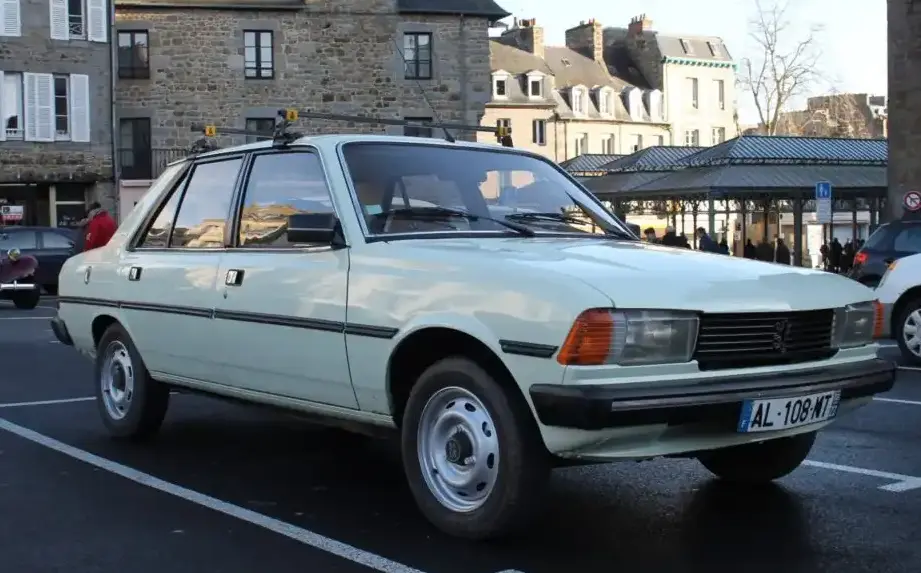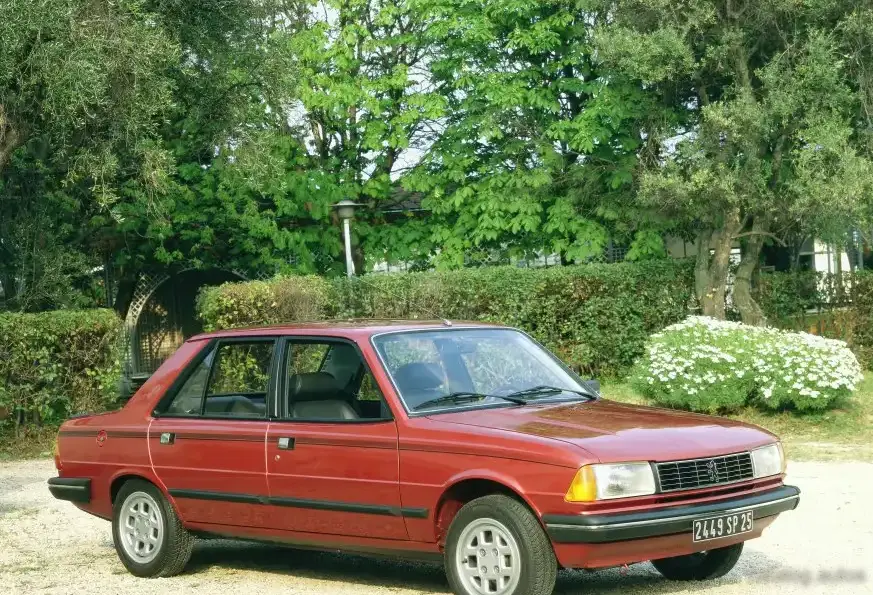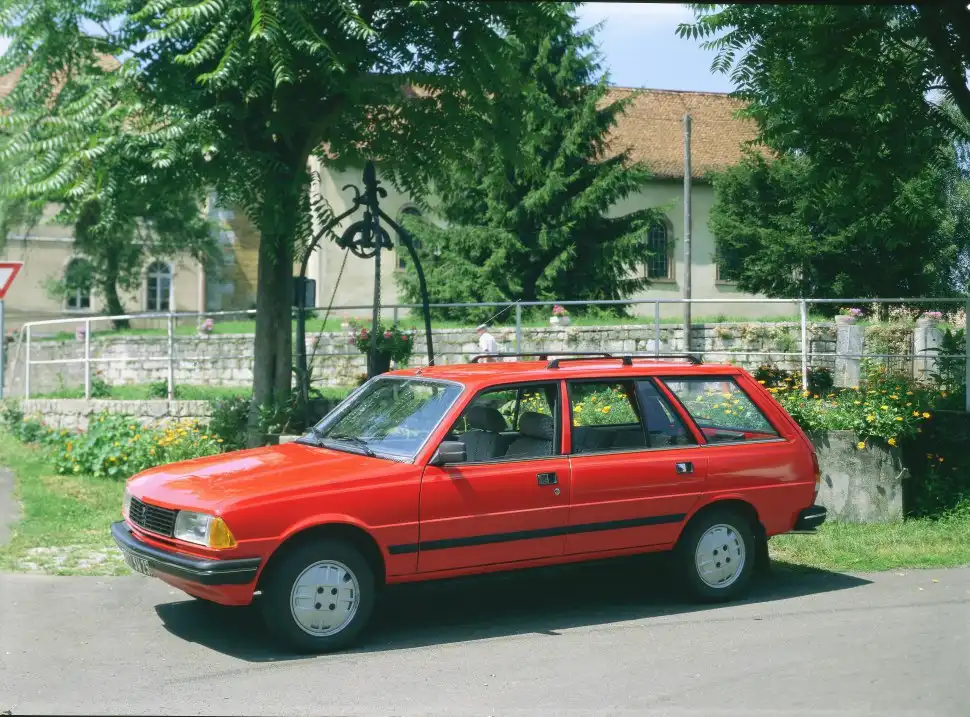
The Peugeot 305 II Break (581E) 1.9 Diesel, produced between 1982 and 1988, represents a practical and economical variant within the broader Peugeot 305 range. As a station wagon (estate) body style, the 305 Break was designed to cater to families and those requiring increased cargo capacity. This particular 1.9-liter diesel version, equipped with a naturally aspirated engine producing 64 horsepower, occupied the lower end of the 305 Break lineup, prioritizing fuel efficiency and affordability over outright performance. It was a common sight in Europe, particularly in France, where it served as a reliable workhorse for both personal and commercial use. The 305 series, and the Break variant specifically, aimed to modernize Peugeot’s offerings and compete with established European rivals like the Renault 18 Break and the Citroën BX Estate.
Technical Specifications
| Brand | Peugeot |
| Model | 305 |
| Generation | 305 II Break (581E) |
| Type (Engine) | 1.9 Diesel (64 Hp) |
| Start of production | 1982 |
| End of production | 1988 |
| Powertrain Architecture | Internal Combustion engine |
| Body type | Station wagon (estate) |
| Fuel Type | Diesel |
| Power | 64 Hp |
| Engine Model/Code | D9A XUD9, 162 XUD9 |
| Engine aspiration | Naturally aspirated engine |
| Engine oil capacity | 5 l (5.28 US qt | 4.4 UK qt) |
| Coolant capacity | 9.5 l (10.04 US qt | 8.36 UK qt) |
Powertrain & Engine Architecture
The heart of the 305 II Break 1.9 Diesel is the XUD9 engine, specifically the D9A or 162 XUD9 variant. This 1.9-liter, four-cylinder diesel engine is a naturally aspirated, indirect injection unit. Indirect injection, common for diesels of this era, involves injecting fuel into a pre-chamber before it enters the main combustion chamber, promoting smoother combustion and reduced noise compared to direct injection systems. The XUD9 engine is renowned for its robustness and longevity, becoming a staple in many Peugeot and Citroën vehicles throughout the 1980s and 90s. It features a cast iron block and cylinder head, contributing to its durability. The engine utilizes a Bosch rotary injection pump, a common setup for the time, and a simple, yet effective, SOHC (Single Overhead Camshaft) valvetrain operating two valves per cylinder. While not particularly powerful, the XUD9 was designed for high torque at low RPMs, making it well-suited for hauling loads and providing reasonable fuel economy. The transmission paired with this engine was typically a four-speed manual, though a three-speed automatic was also available, albeit less common. The automatic transmission, while offering convenience, further reduced performance and increased fuel consumption.
Driving Characteristics
The 1.9 Diesel-powered 305 Break was not designed for spirited driving. With only 64 horsepower, acceleration was modest, and overtaking required careful planning. The engine’s strength lay in its torque, providing adequate pulling power for everyday driving and carrying loads. The four-speed manual transmission allowed drivers to make the most of the available power, while the optional three-speed automatic resulted in noticeable performance degradation. Gear ratios were optimized for fuel efficiency rather than speed. The car felt stable and predictable, but the steering lacked precision compared to more modern vehicles. The suspension, while comfortable, was not particularly sporty, prioritizing ride quality over handling. Compared to the gasoline-powered 305 variants, the diesel offered significantly better fuel economy but at the expense of performance and refinement. The 1.9 Diesel was noticeably slower than the 1.6 or 2.0-liter petrol engines, and even the later 1.8 diesel offered a slight performance advantage.
Equipment & Trim Levels
The 305 II Break 1.9 Diesel typically represented an entry-level or mid-range trim within the Break lineup. Standard equipment generally included cloth upholstery, basic instrumentation (speedometer, fuel gauge, coolant temperature gauge), and a simple dashboard layout. Power steering was not standard and often an optional extra. The interior was functional and durable, prioritizing practicality over luxury. Optional extras could include a sunroof, upgraded stereo systems, and more comfortable seating. The exterior trim was relatively basic, with black plastic bumpers and simple steel wheels being common features. Higher trim levels, available with the petrol engines, offered features like alloy wheels, upgraded interior trim, and more comprehensive instrumentation. The 1.9 Diesel Break was often chosen by those prioritizing functionality and cost-effectiveness over cosmetic enhancements.
Chassis & Braking
The 305 Break utilized a relatively conventional chassis design for the early 1980s. It featured a front independent suspension with MacPherson struts and a rear rigid axle suspension with trailing arms. The suspension was tuned for comfort, providing a reasonably smooth ride on most road surfaces. Braking systems varied depending on the year and market. Earlier models often featured front disc brakes and rear drum brakes, while later models sometimes included rear disc brakes on higher trim levels. The braking system was adequate for the car’s performance capabilities, but lacked the sophistication of more modern systems. Stabilizer bars were typically fitted to both the front and rear axles, helping to reduce body roll during cornering. The chassis was designed to accommodate the increased weight of the station wagon body style and the heavier diesel engine.
Market Reception & Comparison
The Peugeot 305 II Break 1.9 Diesel was generally well-received as a practical and economical family vehicle. Critics praised its fuel efficiency and durability, but noted its lack of performance. Compared to its gasoline-powered siblings, the diesel version offered significantly better fuel economy, making it an attractive option for those covering long distances or prioritizing running costs. However, it was slower and noisier than the petrol engines. Compared to competitors like the Renault 18 Break and the Citroën BX Estate, the 305 Break offered a similar level of practicality and economy. The Peugeot was often seen as slightly more refined than the Renault, while the Citroën offered a more distinctive design and a more advanced (though sometimes less reliable) suspension system. The 1.9 Diesel’s simplicity and robust construction contributed to its relatively good reliability record.
Legacy
The Peugeot 305 II Break 1.9 Diesel, and the XUD9 engine in particular, have achieved a lasting reputation for reliability and longevity. Many examples are still on the road today, testament to the engine’s robust design and the overall durability of the 305 platform. In the used car market, these vehicles are often sought after by enthusiasts and those looking for a simple, affordable, and economical classic car. While maintenance can be challenging due to the age of the vehicles, parts availability remains relatively good. The XUD9 engine is known for its ability to withstand high mileage, and with proper maintenance, can continue to provide reliable service for many years. The 305 Break 1.9 Diesel represents a significant chapter in Peugeot’s history, showcasing the company’s commitment to producing practical and durable vehicles for the mass market.