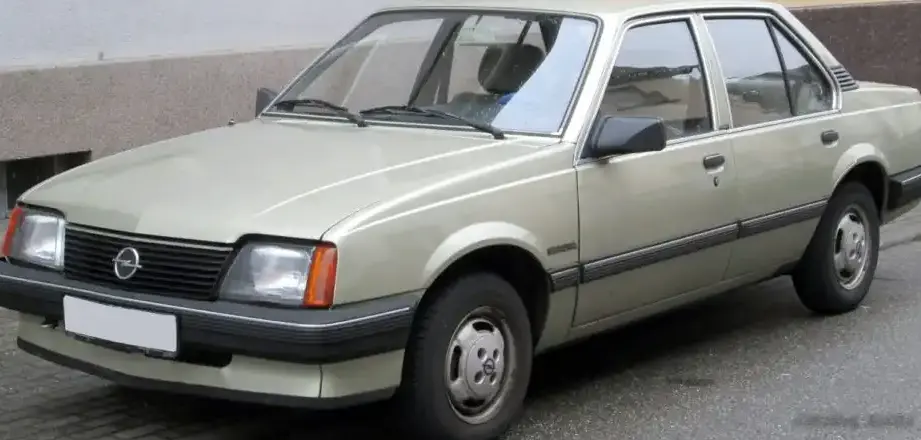
The Opel Ascona C 1.6 N (75 hp) was a mainstay of the Ascona C range, produced from 1981 to 1987. Positioned as the entry-level model, it offered affordable family transportation within the compact executive car segment in Europe. The Ascona C, built on the GM T-platform (internally designated as the 1HX0/A3), represented a significant redesign of the Ascona line, offering improved styling, interior space, and mechanical refinement compared to its predecessor. The 1.6 N variant, with its carbureted engine and four-speed manual transmission, was aimed at buyers prioritizing economy and practicality over outright performance.
Technical Specifications
| Brand | Opel |
| Model | Ascona |
| Generation | Ascona C |
| Type (Engine) | 1.6 N (75 Hp) |
| Start of production | 1981 |
| End of production | 1987 |
| Powertrain Architecture | Internal Combustion engine |
| Body type | Sedan |
| Seats | 5 |
| Doors | 4 |
| Fuel Type | Petrol (Gasoline) |
| Maximum speed | 160 km/h (99.42 mph) |
| Weight-to-power ratio | 13.1 kg/Hp, 76.5 Hp/tonne |
| Weight-to-torque ratio | 8 kg/Nm, 125.5 Nm/tonne |
| Power | 75 Hp @ 5600 rpm |
| Power per litre | 46.9 Hp/l |
| Torque | 123 Nm @ 3400 rpm (90.72 lb.-ft. @ 3400 rpm) |
| Engine layout | Front, Transverse |
| Engine Model/Code | 16N |
| Engine displacement | 1598 cm3 (97.52 cu. in.) |
| Number of cylinders | 4 |
| Engine configuration | Inline |
| Cylinder Bore | 80 mm (3.15 in.) |
| Piston Stroke | 79.5 mm (3.13 in.) |
| Compression ratio | 8.2:1 |
| Fuel injection system | Carburettor |
| Engine aspiration | Naturally aspirated engine |
| Valvetrain | OHC |
| Engine oil capacity | 3.5 l (3.7 US qt | 3.08 UK qt) |
| Coolant | 7.9 l (8.35 US qt | 6.95 UK qt) |
| Kerb Weight | 980 kg (2160.53 lbs.) |
| Max. weight | 1495 kg (3295.91 lbs.) |
| Max load | 515 kg (1135.38 lbs.) |
| Trunk (boot) space – minimum | 510 l (18.01 cu. ft.) |
| Permitted trailer load with brakes (12%) | 1000 kg (2204.62 lbs.) |
| Permitted trailer load without brakes | 500 kg (1102.31 lbs.) |
| Length | 4366 mm (171.89 in.) |
| Width | 1668 mm (65.67 in.) |
| Height | 1395 mm (54.92 in.) |
| Wheelbase | 2574 mm (101.34 in.) |
| Front track | 1406 mm (55.35 in.) |
| Rear (Back) track | 1406 mm (55.35 in.) |
| Minimum turning circle (turning diameter) | 10.95 m (35.93 ft.) |
| Drivetrain Architecture | The Internal combustion engine (ICE) drives the front wheels of the vehicle. |
| Drive wheel | Front wheel drive |
| Number of gears and type of gearbox | 4 gears, manual transmission |
| Front brakes | Disc |
| Rear brakes | Drum |
| Steering type | Steering rack and pinion |
| Tires size | 195/60 R14 |
| Wheel rims size | 5.5J x 14 |
Powertrain & Engine Architecture
The heart of the Ascona C 1.6 N was the 16N engine, a 1.6-liter inline-four cylinder unit. This engine utilized a single overhead camshaft (OHC) design, operating a two-valve per cylinder configuration. Fuel delivery was managed by a Solex carburetor, a common setup for the time, prioritizing simplicity and cost-effectiveness. The 16N engine produced 75 horsepower at 5600 rpm and 123 Nm (90.72 lb-ft) of torque at 3400 rpm. The four-speed manual transmission was a standard offering, providing a relatively direct connection between the engine and the front wheels. This transmission was chosen for its durability and affordability, aligning with the car’s overall positioning.
Driving Characteristics
The Ascona C 1.6 N offered a predictable and undemanding driving experience. With 75 hp propelling approximately 980 kg (2160 lbs), acceleration was modest. 0-60 mph times were in the 12-13 second range. The carbureted engine delivered power in a linear fashion, lacking the punch of the fuel-injected variants or the larger-displacement engines available in the Ascona C lineup. The four-speed manual transmission featured relatively widely spaced gear ratios, requiring frequent shifting to maintain optimal engine speed. Compared to the more powerful 1.8 or 2.0-liter models, the 1.6 N prioritized fuel economy and ease of driving over outright performance. The front-wheel-drive configuration provided decent handling, although it wasn’t particularly sporty.
Equipment & Trim Levels
The 1.6 N typically came with a basic level of equipment. Standard features included cloth upholstery, a simple dashboard layout with analog gauges, and manual windows and door locks. The interior was functional and durable, prioritizing practicality over luxury. Optional extras included a sunroof, upgraded audio systems, and more comfortable seating. The trim level was generally considered the base model, offering a no-frills approach to family transportation. The focus was on providing a reliable and affordable vehicle, rather than a feature-rich one.
Chassis & Braking
The Ascona C featured a MacPherson strut front suspension and a rigid axle rear suspension. The 1.6 N variant typically utilized drum brakes on the rear wheels, contributing to cost savings. Front brakes were disc type. Steering was via a rack and pinion system, providing reasonable precision. The suspension setup was tuned for comfort, offering a relatively smooth ride, although it wasn’t particularly sporty. Stabilizer bars were often omitted on the base 1.6 N model, further emphasizing comfort over handling. Tire size was typically 195/60 R14.
Market Reception & Comparison
The Ascona C 1.6 N was generally well-received as an affordable and practical family car. Critics acknowledged its fuel efficiency and reliability, but noted its lack of performance compared to higher-spec models. Compared to the 1.8 and 2.0-liter versions, the 1.6 N offered significantly lower running costs but lacked the refinement and driving enjoyment of its more powerful siblings. The 1.6 N also competed with other mainstream family cars of the era, such as the Ford Taunus and Volkswagen Passat. Its price point and reputation for reliability made it a popular choice for budget-conscious buyers.
Legacy
The Opel Ascona C 1.6 N, while not the most exciting variant in the lineup, proved to be a durable and reliable vehicle. The 16N engine, though simple in design, was known for its longevity. Today, well-maintained examples are sought after by classic car enthusiasts, particularly those looking for an affordable and easy-to-maintain vintage vehicle. The 1.6 N’s simplicity and robust construction contribute to its continued appeal in the used car market. Parts availability can be a challenge, but the Ascona C enjoys a dedicated following, ensuring that spares remain accessible. The Ascona C 1.6 N represents a significant chapter in Opel’s history, embodying the brand’s commitment to providing practical and affordable transportation to the masses.