
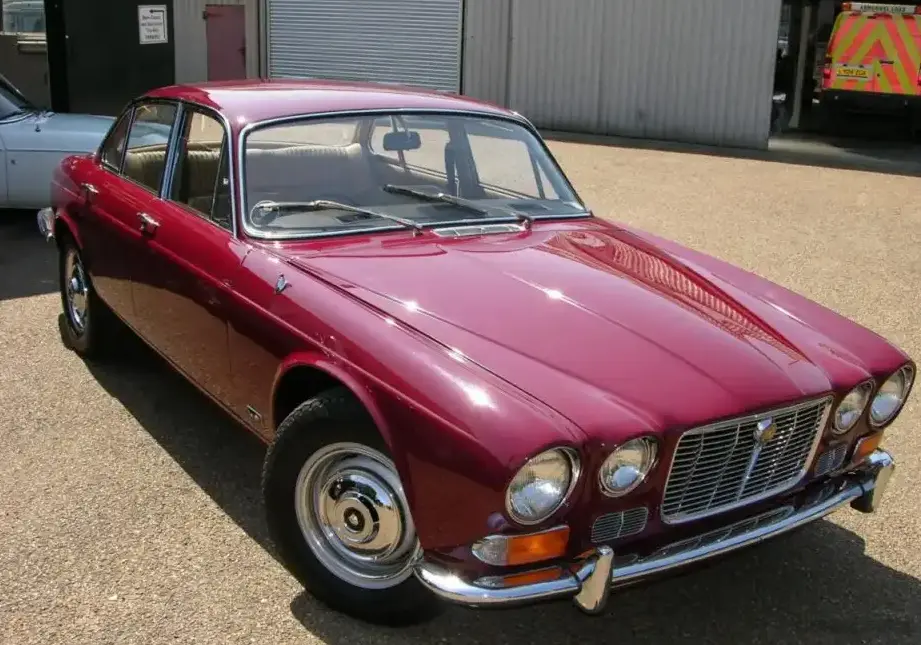
The Jaguar XJ12 5.3, produced between 1986 and 1989, represented a significant evolution of the XJ series, Jaguar’s flagship luxury sedan. This variant, powered by the 5.3-liter V12 engine, occupied the top echelon of the XJ range during its production run, offering a blend of performance and opulent luxury. It was part of the Series III XJ, which brought substantial updates to the bodywork, interior, and technology compared to its predecessors. The XJ12 5.3 aimed to compete with other high-end luxury sedans from manufacturers like Rolls-Royce and Mercedes-Benz, offering a distinctly British driving experience.
Technical Specifications
| Brand | Jaguar |
| Model | XJ |
| Generation | XJ Series III |
| Type (Engine) | 12 5.3 (254 Hp) |
| Start of Production | 1986 |
| End of Production | 1989 |
| Powertrain Architecture | Internal Combustion Engine |
| Body Type | Sedan |
| Seats | 5 |
| Doors | 4 |
| Fuel Type | Petrol (Gasoline) |
| Power | 254 Hp |
| Engine Aspiration | Naturally Aspirated |
Powertrain & Engine Architecture
The heart of the XJ12 5.3 was Jaguar’s renowned 5.3-liter V12 engine, designated the AJ6. This engine was a significant redesign of the earlier V12s, featuring a lighter alloy block and cylinder heads, and a revised firing order to improve smoothness and reduce vibration. It utilized a Bosch Motronic fuel injection system, a substantial upgrade from the carburetors used on earlier XJ12 models, improving efficiency and responsiveness. The engine produced 254 horsepower and a substantial 290 lb-ft of torque. The V12 featured a SOHC (Single Overhead Cam) design per bank, with two valves per cylinder. The engine’s architecture prioritized smoothness and refinement over outright power, reflecting Jaguar’s focus on a luxurious driving experience. The transmission was a three-speed automatic, a Chrysler Torqueflite unit, known for its durability and smooth operation. While not the most modern transmission available at the time, it was well-suited to the V12’s power delivery and the car’s intended purpose.
Driving Characteristics
The XJ12 5.3 offered a driving experience characterized by effortless cruising and strong acceleration. The V12 engine delivered its power smoothly and linearly, providing ample torque throughout the rev range. The three-speed automatic transmission, while lacking the sophistication of more modern gearboxes, provided seamless shifts and contributed to the car’s relaxed demeanor. The XJ12 5.3 wasn’t designed for aggressive cornering; its focus was on providing a comfortable and refined ride. The suspension, featuring independent double wishbones all around, did a good job of absorbing bumps and maintaining composure, but the car’s weight (around 4,100 lbs) was noticeable in tighter turns. Compared to the six-cylinder XJ6 models, the XJ12 5.3 offered significantly more power and a more luxurious experience, but at the cost of increased fuel consumption and complexity. It was a noticeable step up in performance and prestige compared to the standard XJ models.
Equipment & Trim Levels
The XJ12 5.3 was the most luxurious variant of the XJ Series III. Standard equipment included Connolly leather upholstery, walnut veneer trim, power-adjustable front seats, air conditioning, and a premium sound system. Power windows and central locking were also standard features. The interior was designed to exude opulence and comfort, with attention paid to detail and craftsmanship. Optional extras included a sunroof, a rear seat entertainment system, and upgraded audio equipment. The exterior featured a chrome grille, brightwork around the windows, and distinctive Jaguar badging. The XJ12 5.3 was typically finished in classic Jaguar colors, such as British Racing Green, Regency Red, and Opalescent Dark Blue. The trim level was largely consistent, with variations primarily stemming from customer-specified options.
Chassis & Braking
The XJ12 5.3 utilized a monocoque chassis construction, providing a strong and rigid platform. The suspension system consisted of independent double wishbones with coil springs and telescopic dampers all around. Anti-roll bars were fitted to both the front and rear axles to reduce body roll during cornering. The braking system featured power-assisted disc brakes on all four wheels, providing ample stopping power for the car’s weight and performance. However, it lacked the anti-lock braking system (ABS) that was becoming increasingly common on other luxury cars of the era. The steering was power-assisted, providing light and effortless control. The XJ12 5.3’s chassis and braking systems were designed to provide a comfortable and secure driving experience, prioritizing refinement over outright sporting performance.
Market Reception & Comparison
The XJ12 5.3 was generally well-received by critics, who praised its luxurious interior, smooth ride, and powerful V12 engine. However, it was also criticized for its relatively high price, complex mechanicals, and fuel consumption. Compared to its rivals, such as the Mercedes-Benz 560SEL and the BMW 750iL, the XJ12 5.3 offered a more distinctive and characterful driving experience, but it lacked the technological sophistication and perceived reliability of its German competitors. Fuel economy was a significant drawback, averaging around 12-15 mpg in real-world driving. Reliability could also be an issue, as the V12 engine and its associated systems were complex and required regular maintenance. Despite these drawbacks, the XJ12 5.3 remained a popular choice for buyers seeking a luxurious and prestigious British sedan.
Legacy
The Jaguar XJ12 5.3 represents a high point in Jaguar’s engineering and design. While the Series III XJ was the last of the “classic” XJ models, the 5.3-liter V12 engine became an icon of the era. Today, the XJ12 5.3 is a sought-after classic car, prized by collectors and enthusiasts for its elegance, performance, and distinctive character. The V12 engine, while complex, is generally considered to be reliable if properly maintained. However, parts availability can be a challenge, and maintenance costs can be high. The XJ12 5.3’s enduring appeal lies in its ability to evoke a sense of British luxury and sophistication, offering a driving experience that is both refined and engaging. It remains a testament to Jaguar’s commitment to building exceptional automobiles.
