
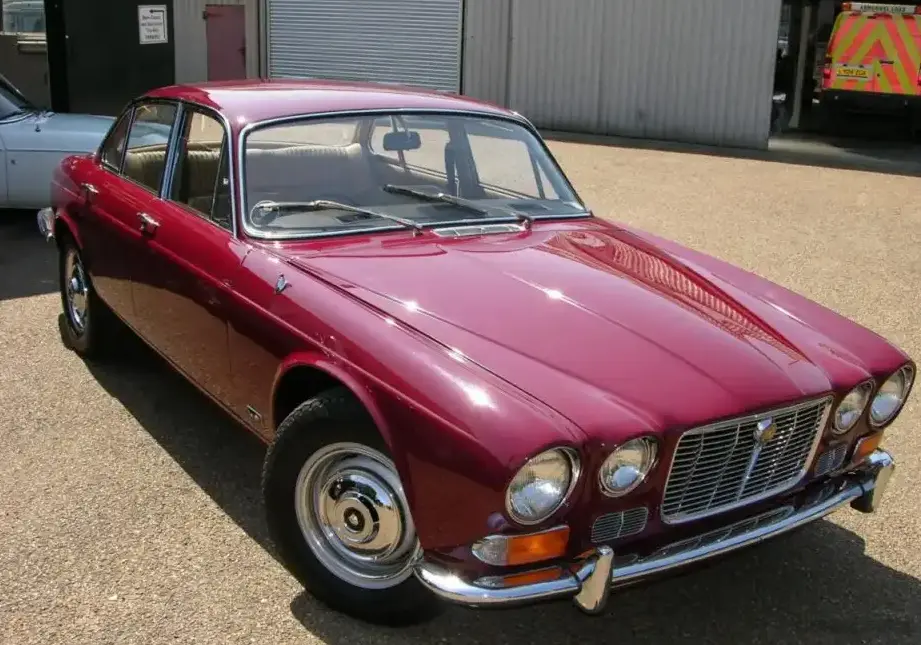
The Jaguar XJ6 4.2, produced between 1985 and 1986, represents a pivotal point in the XJ series, the third generation (XJ40) of Jaguar’s flagship saloon. While the XJ40 officially launched in 1987, these early models, often considered pre-production or transitional vehicles, carried over many design elements from the preceding Series III XJ6 but incorporated significant advancements in engineering and technology. The 4.2-liter variant, producing 177 horsepower, occupied a middle ground in the XJ6 lineup, offering a balance between performance and refinement, aimed at buyers seeking a luxurious experience without the outright sporting intent of the higher-powered versions. These early XJ40s were crucial in establishing the foundation for the long-running success of the XJ model line.
Technical Specifications
| Brand | Jaguar |
| Model | XJ6 |
| Generation | XJ (XJ40) |
| Type (Engine) | 6 4.2 (177 Hp) |
| Start of production | 1985 |
| End of production | 1986 |
| Powertrain Architecture | Internal Combustion Engine |
| Body type | Sedan |
| Seats | 5 |
| Doors | 4 |
| Fuel Type | Petrol (Gasoline) |
| Power | 177 Hp |
| Engine aspiration | Naturally Aspirated |
Powertrain & Engine Architecture
The heart of the XJ6 4.2 is Jaguar’s renowned inline-six cylinder engine, displacing 4.2 liters (4222cc). This engine, designated the AJ6, was a significant departure from previous Jaguar engines, featuring a lightweight alloy cylinder head and block. The 177 horsepower output was achieved through a combination of a 9.0:1 compression ratio, a Bosch fuel injection system (typically a Bosch Motronic system), and a carefully tuned exhaust system. The engine utilized a single overhead camshaft (SOHC) design, operating four valves per cylinder. This configuration provided a good balance of power and smoothness, characteristics highly valued by Jaguar buyers. The engine’s lubrication system was robust, designed for longevity and reliability. The XJ6 4.2 was exclusively paired with a three-speed automatic transmission, a Chrysler Torqueflite A727 unit. While not the most modern transmission available at the time, the Torqueflite was known for its durability and smooth operation, complementing the engine’s refined character. The transmission’s gear ratios were geared towards comfortable cruising and effortless acceleration rather than outright performance.
Driving Characteristics
The driving experience in the XJ6 4.2 was defined by its smooth and quiet operation. The 177 horsepower, while not overwhelming, provided ample power for relaxed highway cruising and confident overtaking. The automatic transmission, while lacking the responsiveness of a manual gearbox, offered seamless gear changes and contributed to the car’s overall refinement. The XJ6 4.2’s suspension, a sophisticated independent setup with coil springs and dampers, delivered a comfortable ride, absorbing bumps and imperfections in the road surface with ease. Steering was power-assisted, providing light and precise control. Compared to the later, more powerful XJ6 variants, the 4.2 offered a more relaxed driving experience. It lacked the urgency of the higher-output engines, but it compensated with a greater emphasis on comfort and refinement. Against the backdrop of contemporary luxury cars, the XJ6 4.2 offered a compelling blend of British elegance and engineering prowess.
Equipment & Trim Levels
The XJ6 4.2, even in its early 1985-1986 form, was well-equipped by the standards of the time. Standard features typically included leather upholstery, power windows, central locking, and a high-quality sound system. Wood veneer trim adorned the dashboard and door panels, adding to the car’s luxurious ambiance. Air conditioning was a common option, as were power-adjustable front seats. The early XJ40 models, including the 4.2, featured a redesigned dashboard compared to the Series III XJ6, with a more modern and integrated layout. Optional extras included a sunroof, upgraded sound systems, and a trip computer. The trim levels were relatively simple, with most variations stemming from optional equipment choices rather than distinct model designations. The focus was on providing a high level of standard equipment and allowing buyers to personalize their cars with a range of options.
Chassis & Braking
The XJ6 4.2 utilized a monocoque chassis construction, providing a strong and rigid platform. The suspension system consisted of independent double wishbones at the front and a live axle with trailing arms at the rear. Anti-roll bars were fitted to both axles, reducing body roll during cornering. Braking was provided by disc brakes all around, although some early models may have featured rear drum brakes depending on the specific market. Power assistance was standard, ensuring effective stopping power. The steering system was a rack-and-pinion setup, offering precise and responsive control. The chassis and braking systems were designed to provide a safe and comfortable driving experience, complementing the car’s luxurious character. The weight distribution was carefully balanced, contributing to the car’s stability and handling.
Market Reception & Comparison
The early XJ40 models, including the 4.2, were generally well-received by critics, who praised their improved build quality, modern design, and comfortable ride. However, some reviewers noted the relatively modest performance of the 4.2-liter engine compared to the higher-output variants. Fuel economy was typical for a luxury car of the era, averaging around 16-20 miles per gallon. Reliability was a concern in the early years of the XJ40, with some owners reporting issues with the electrical system and the automatic transmission. However, these issues were largely addressed in later models. Compared to its rivals, such as the Mercedes-Benz S-Class and the BMW 7 Series, the XJ6 4.2 offered a unique blend of British style and engineering. It was often seen as a more driver-focused alternative to the German luxury cars, with a greater emphasis on comfort and refinement.
Legacy
The Jaguar XJ6 4.2 (1985-1986) holds a unique place in the XJ lineage as a transitional model, bridging the gap between the classic Series III XJ6 and the fully redesigned XJ40. While not as numerous as later XJ40 models, these early cars are sought after by collectors and enthusiasts who appreciate their historical significance and unique character. The AJ6 engine, in its 4.2-liter form, proved to be a durable and reliable powerplant, capable of providing years of service with proper maintenance. The Chrysler Torqueflite automatic transmission, while somewhat dated, also proved to be robust and long-lasting. In the used car market today, these early XJ40s are relatively affordable, offering a taste of British luxury at a reasonable price. However, potential buyers should be aware of the potential for age-related issues, such as corrosion and electrical problems. Overall, the XJ6 4.2 represents a significant chapter in the history of Jaguar, embodying the brand’s commitment to luxury, performance, and engineering excellence.
