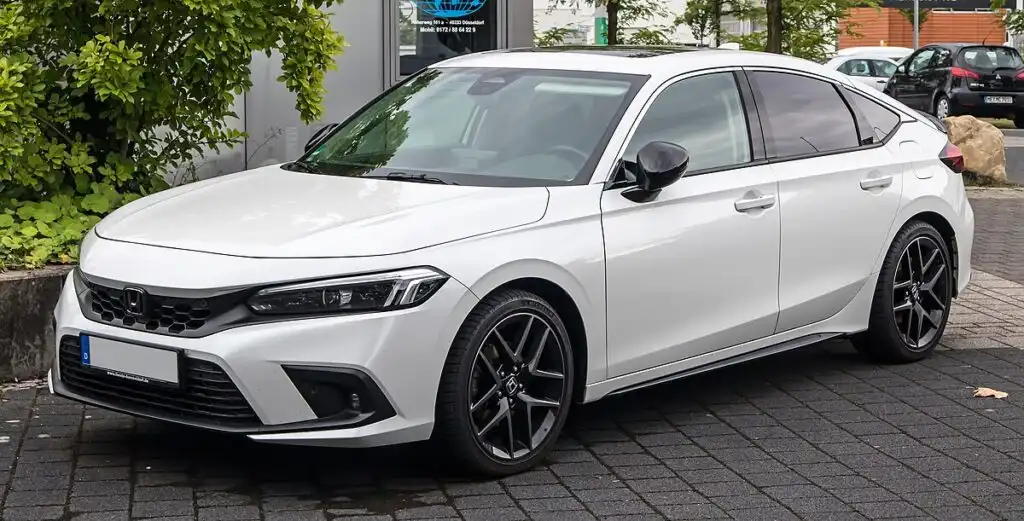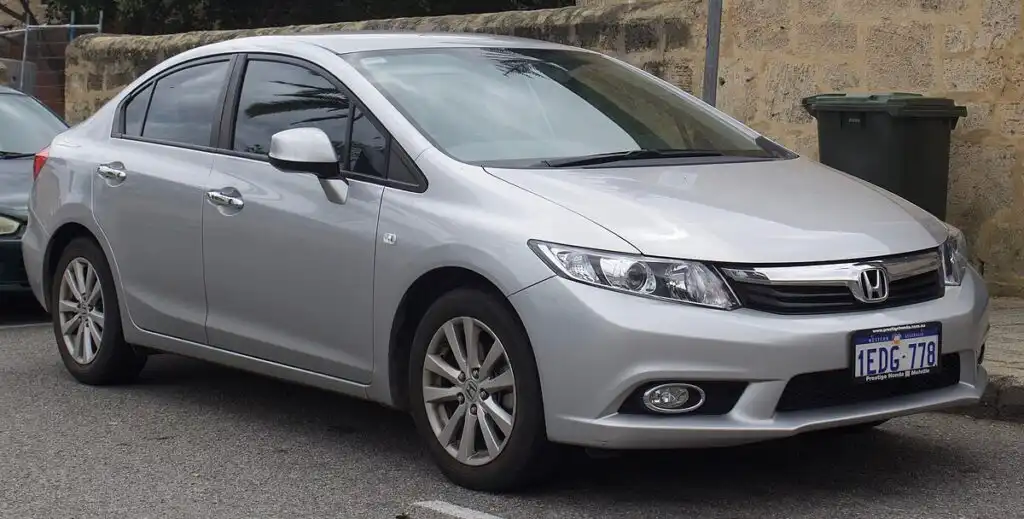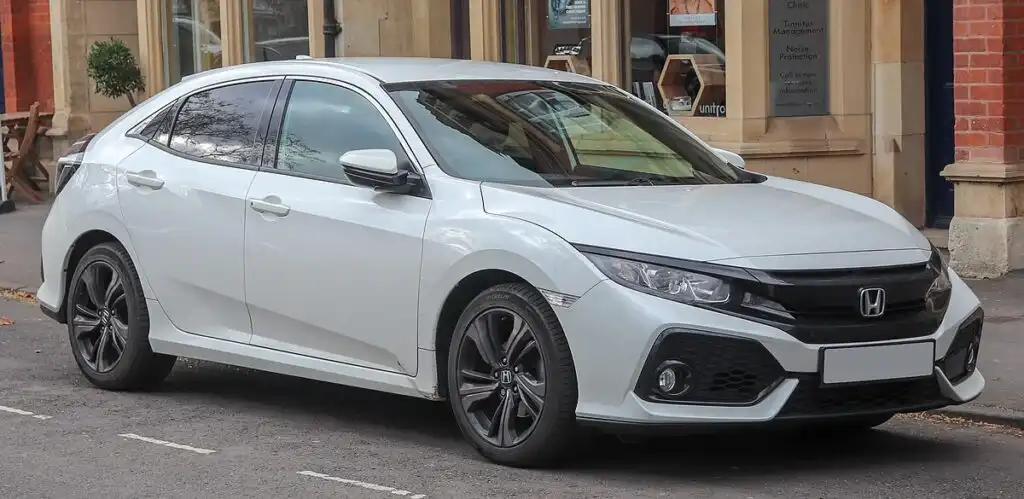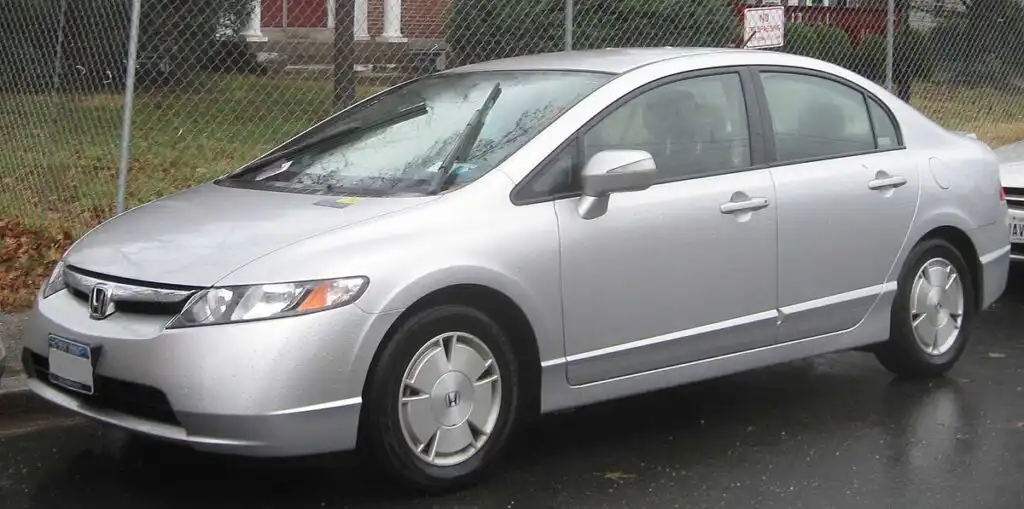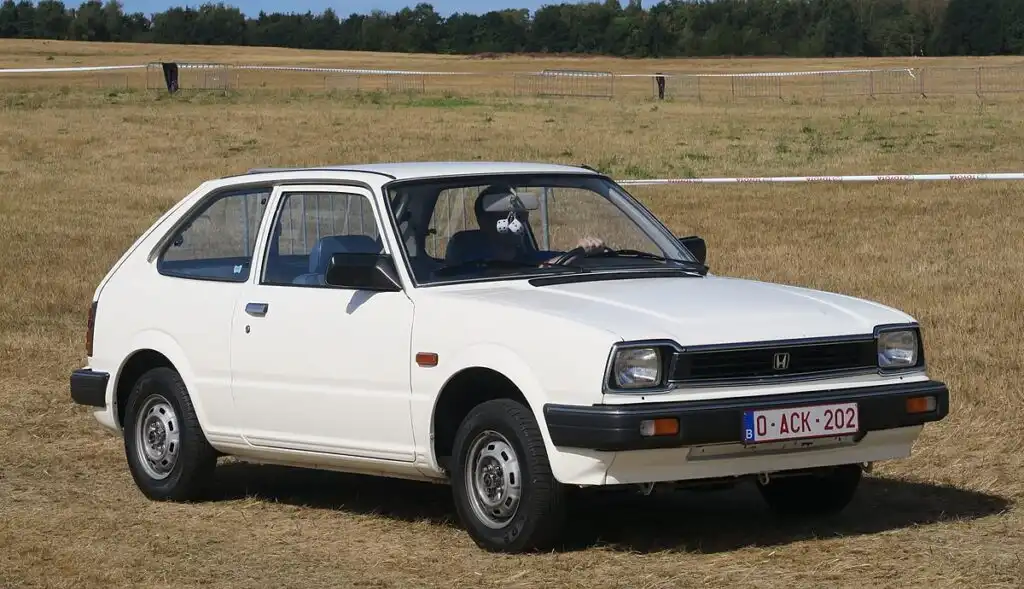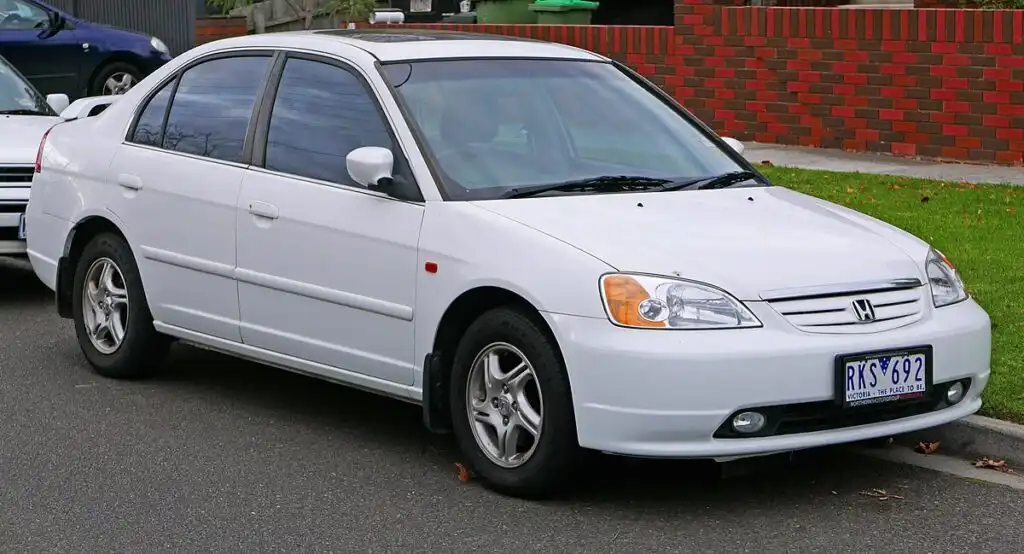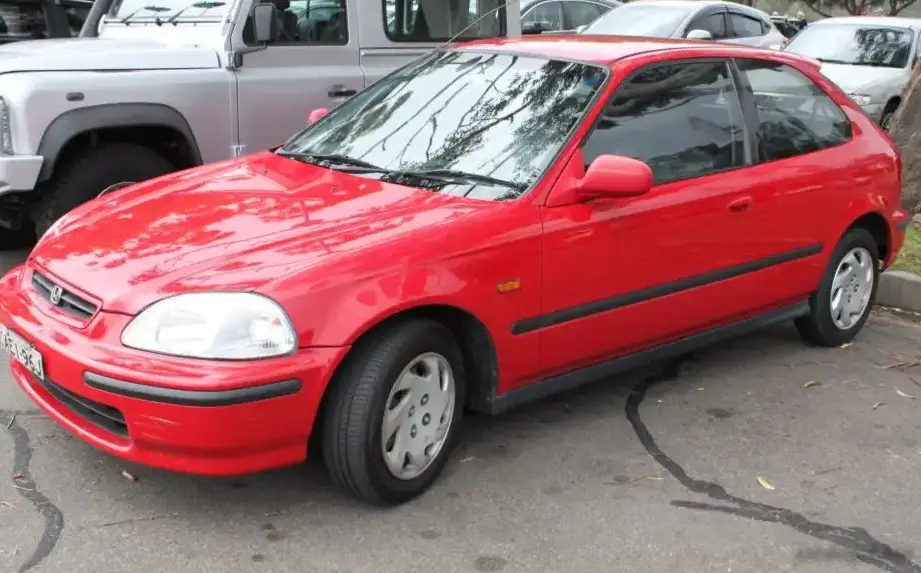
The Honda Civic VI Hatchback 1.6 16VTi, produced between 1995 and 2001, represents a high-performance variant within the sixth generation (EG/EH/EJ) Civic lineup. Positioned as a sporty offering, the 16VTi catered to enthusiasts seeking a more engaging driving experience than the base models. This particular trim was primarily sold in European and Asian markets, where compact, fuel-efficient, yet sporty hatchbacks were highly sought after. It built upon the success of previous Civic generations, offering a blend of practicality, reliability, and performance that became synonymous with the Civic nameplate.
Technical Specifications
| Brand | Honda |
| Model | Civic |
| Generation | Civic VI Hatchback |
| Type (Engine) | 1.6 16VTi (160 Hp) |
| Start of production | 1995 |
| End of production | 2001 |
| Powertrain Architecture | Internal Combustion engine |
| Body type | Hatchback |
| Seats | 5 |
| Doors | 3 |
| Fuel consumption (urban) | 9.3 l/100 km (25.3 US mpg) |
| Fuel consumption (extra urban) | 6.3 l/100 km (37.3 US mpg) |
| Fuel consumption (combined) | 7.8 l/100 km (30.2 US mpg) |
| Fuel Type | Petrol (Gasoline) |
| Acceleration 0 – 100 km/h | 8 sec |
| Acceleration 0 – 62 mph | 8 sec |
| Acceleration 0 – 60 mph | 7.6 sec |
| Maximum speed | 207 km/h (128.62 mph) |
| Power | 160 Hp @ 7600 rpm |
| Torque | 150 Nm @ 7000 rpm (110.63 lb.-ft. @ 7000 rpm) |
| Engine layout | Front, Transverse |
| Engine Model/Code | B16A2 |
| Engine displacement | 1595 cm3 (97.33 cu. in.) |
| Number of cylinders | 4 |
| Engine configuration | Inline |
| Cylinder Bore | 81 mm (3.19 in.) |
| Piston Stroke | 77.4 mm (3.05 in.) |
| Compression ratio | 10.2:1 |
| Number of valves per cylinder | 4 |
| Fuel injection system | Multi-port manifold injection |
| Engine aspiration | Naturally aspirated engine |
| Valvetrain | DOHC |
| Engine oil capacity | 4 l (4.23 US qt | 3.52 UK qt) |
| Coolant | 4.5 l (4.76 US qt | 3.96 UK qt) |
| Fuel tank capacity | 45 l (11.89 US gal | 9.9 UK gal) |
| Drivetrain Architecture | Front wheel drive |
| Number of gears and type of gearbox | 5 gears, manual transmission |
| Front suspension | Double wishbone |
| Rear suspension | Double wishbone |
| Front brakes | Ventilated discs |
| Rear brakes | Disc |
| Power steering | Hydraulic Steering |
Powertrain & Engine Architecture
The heart of the 1.6 16VTi is the B16A2 engine, a 1.6-liter inline-four cylinder powerplant. This engine is a naturally aspirated design, meaning it doesn’t utilize forced induction like a turbocharger or supercharger. The “16V” designation refers to the four valves per cylinder (dual overhead camshafts – DOHC), which contribute to improved breathing and higher-RPM power delivery. The B16A2 utilizes a multi-port fuel injection system, precisely metering fuel into each intake port for optimal combustion. The engine’s 10.2:1 compression ratio further enhances performance. The engine was known for its responsiveness and willingness to rev, making it a favorite among driving enthusiasts. The 16VTi exclusively came with a five-speed manual transmission, designed to maximize the engine’s potential and provide a direct connection to the drivetrain.
Driving Characteristics
The 1.6 16VTi offered a noticeably more spirited driving experience compared to lower-spec Civic models. The 160 horsepower output, while not excessive by modern standards, was ample for a lightweight hatchback of this size. Acceleration from 0-60 mph was achieved in approximately 7.6 seconds, and the car could reach a top speed of 128.62 mph. The close-ratio five-speed manual transmission allowed drivers to keep the engine in its optimal power band, resulting in brisk acceleration and responsive handling. The engine’s power delivery was linear and predictable, making it easy to control and enjoy on both city streets and winding roads. Compared to the more economical Civic variants, the 16VTi demanded more frequent gear changes to maintain momentum, but the reward was a more engaging and rewarding driving experience.
Equipment & Trim Levels
The 16VTi trim level typically included a number of features designed to enhance both comfort and sportiness. Standard equipment often included power windows and locks, a basic audio system, and upgraded interior trim compared to base models. Sport seats with more aggressive bolstering were common, providing better support during spirited driving. Exterior features often included a rear spoiler, alloy wheels, and sometimes a unique front lip or side skirts. Optional extras could include air conditioning, a sunroof, and upgraded audio systems. The interior generally featured a dark color scheme with a focus on functionality and durability.
Chassis & Braking
The Civic VI Hatchback utilized a front-engine, front-wheel-drive layout. Suspension consisted of a double wishbone setup at both the front and rear, providing a good balance of ride comfort and handling precision. The 16VTi often featured slightly stiffer springs and dampers compared to lower trims, further enhancing its handling capabilities. Braking duties were handled by ventilated discs at the front and solid discs at the rear, providing adequate stopping power for the car’s performance level. Hydraulic power steering was standard, offering a good balance of assistance and feel.
Market Reception & Comparison
The Honda Civic VI 1.6 16VTi was generally well-received by automotive critics and enthusiasts. It was praised for its responsive engine, engaging handling, and overall reliability. Compared to other hot hatches of the era, such as the Volkswagen Golf GTI or Peugeot 205 GTI, the Civic 16VTi offered a slightly different character. While not as raw or focused as some of its European rivals, it provided a more refined and user-friendly experience. Fuel economy was respectable for a performance-oriented vehicle, and maintenance costs were relatively low thanks to Honda’s reputation for reliability.
Legacy
The B16A2 engine and the Civic VI 16VTi have become somewhat of a cult classic among Honda enthusiasts. The engine is known for its durability and tunability, and many examples have been modified for even greater performance. The Civic VI Hatchback, in general, is remembered as a well-built and reliable car that offered a compelling combination of practicality and fun. Today, well-maintained examples of the 16VTi are sought after by collectors and enthusiasts, and they continue to provide an enjoyable driving experience. While age and mileage can impact reliability, the B16A2 engine is generally considered to be a robust and long-lasting powerplant when properly maintained. Finding original, unmodified examples is becoming increasingly difficult, but the 16VTi remains a testament to Honda’s engineering prowess and its commitment to building engaging and reliable vehicles.