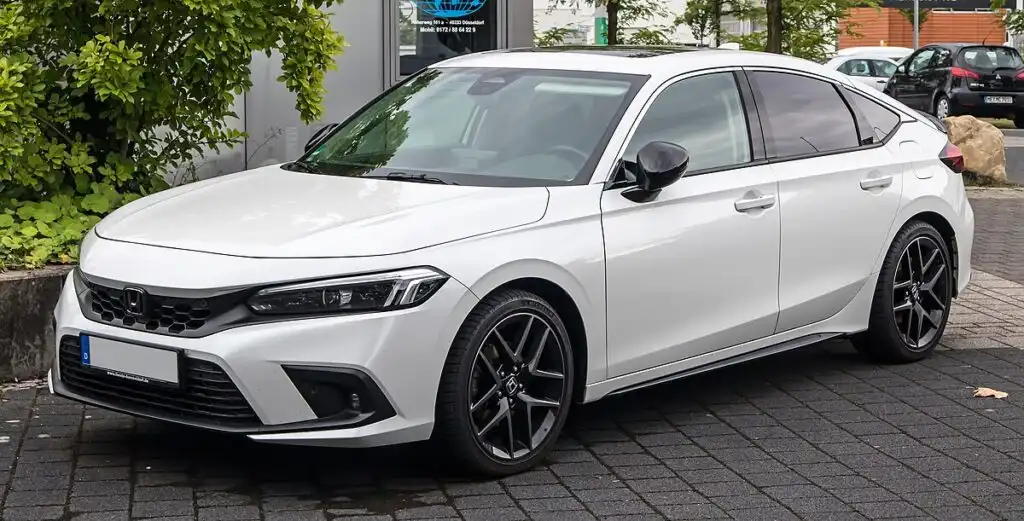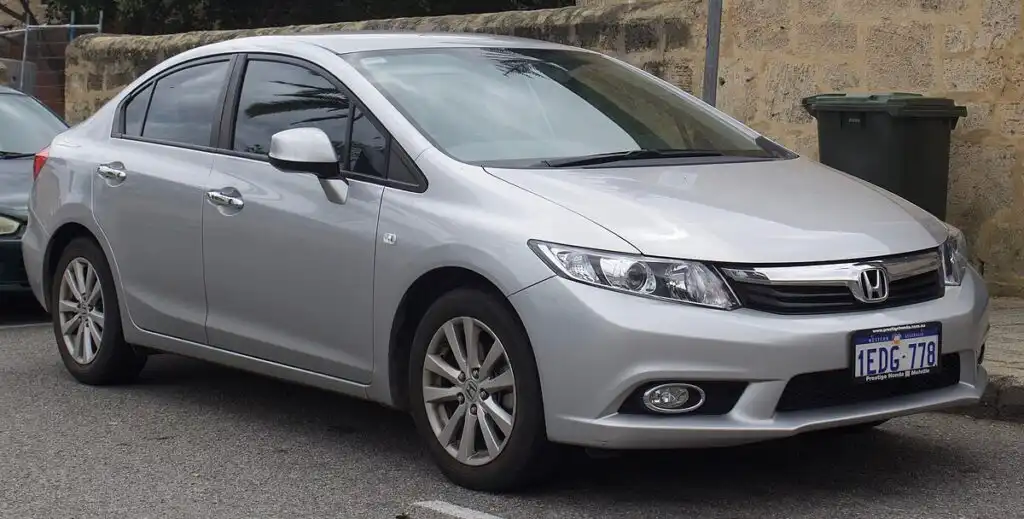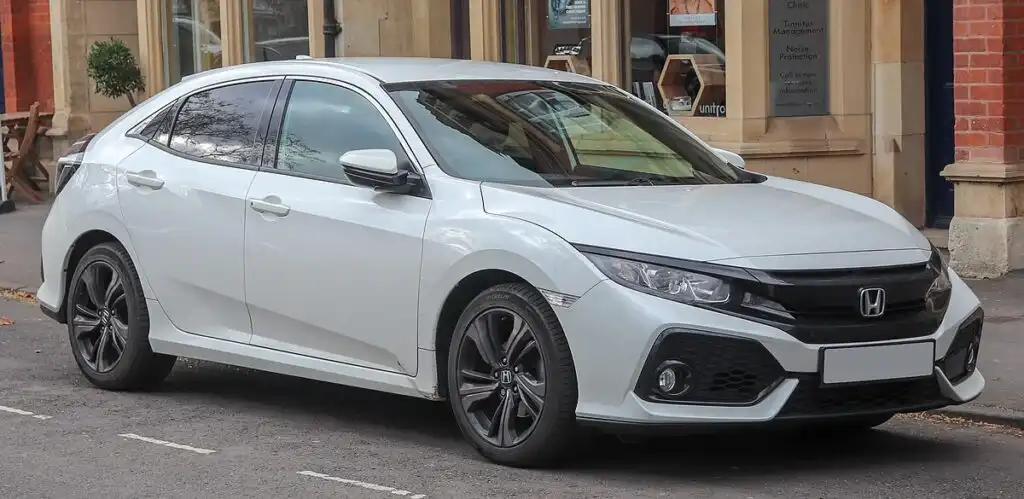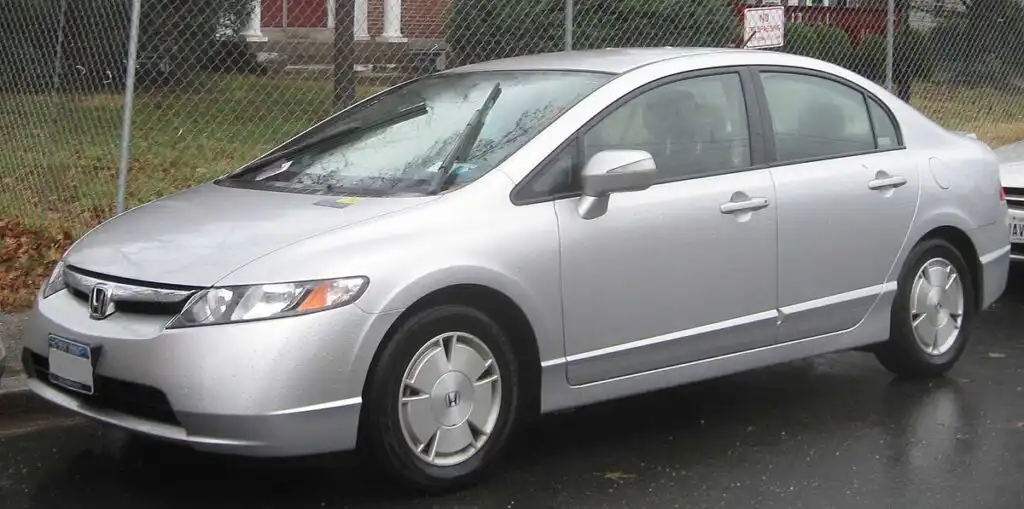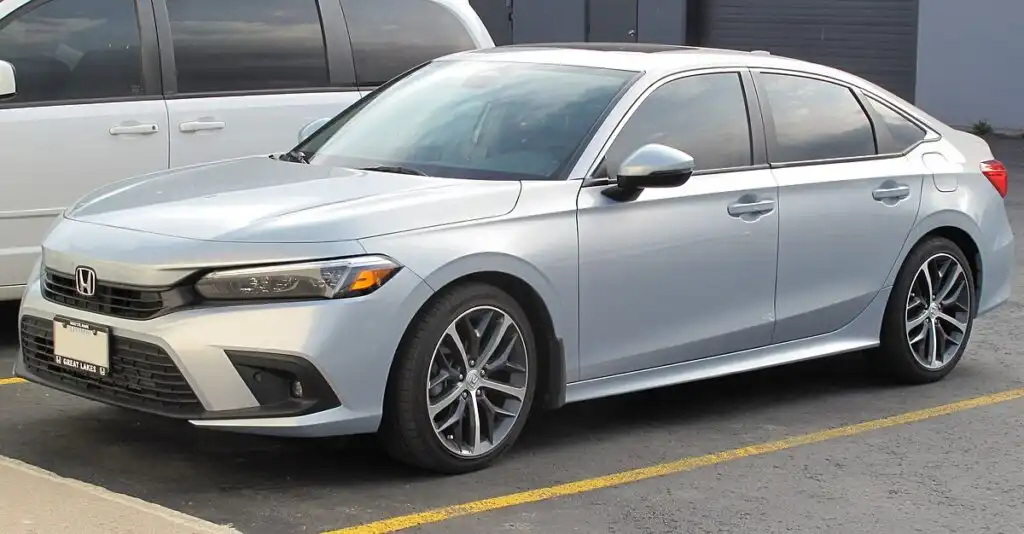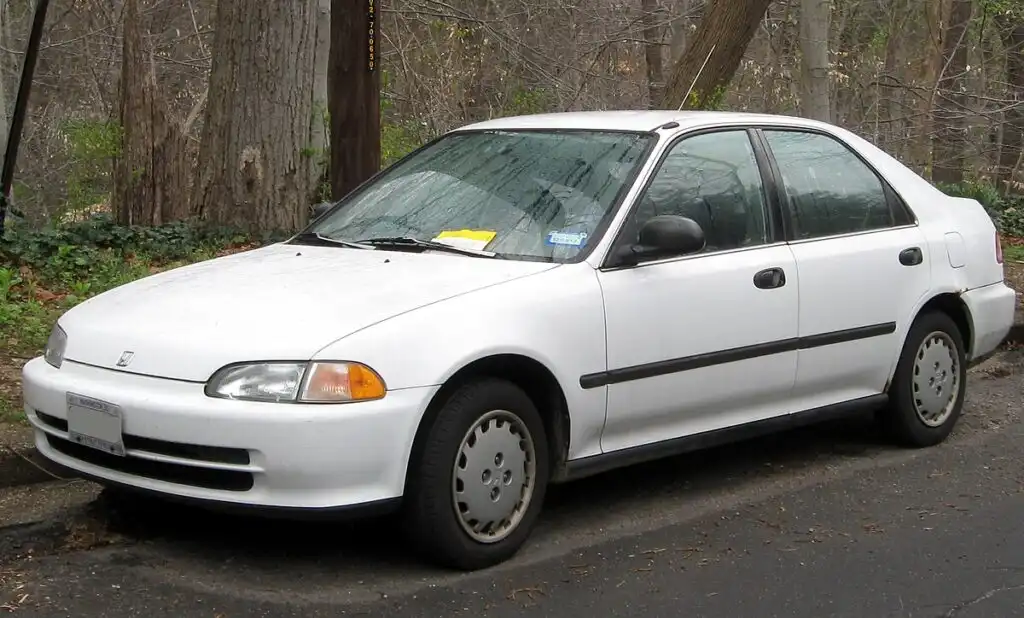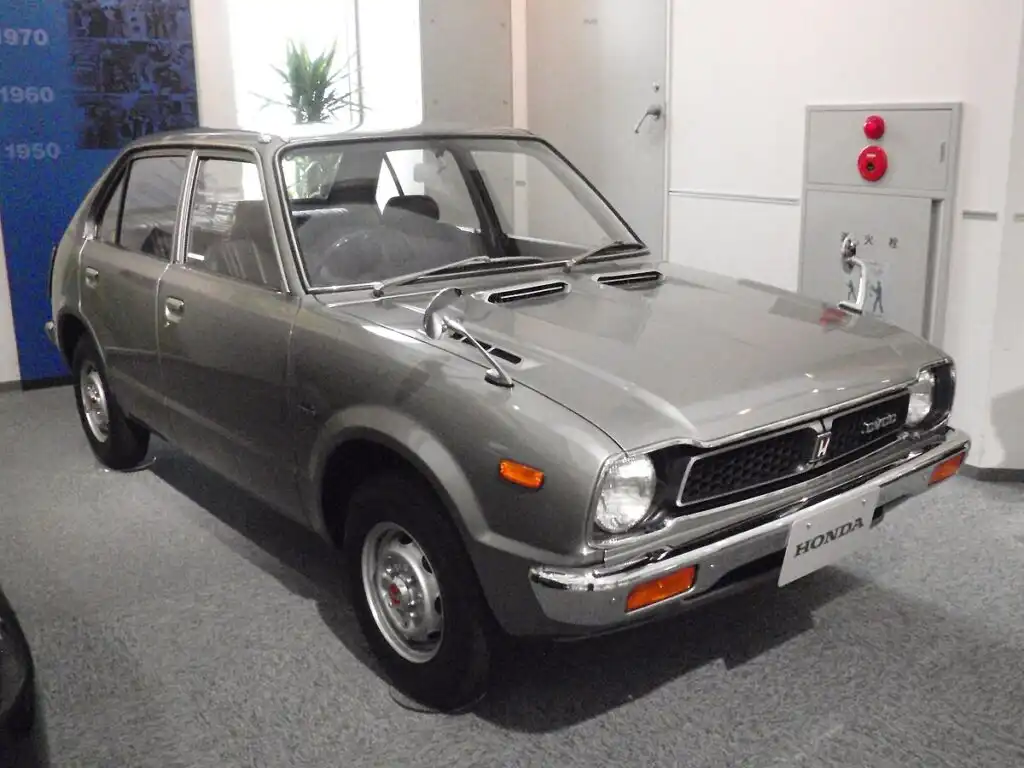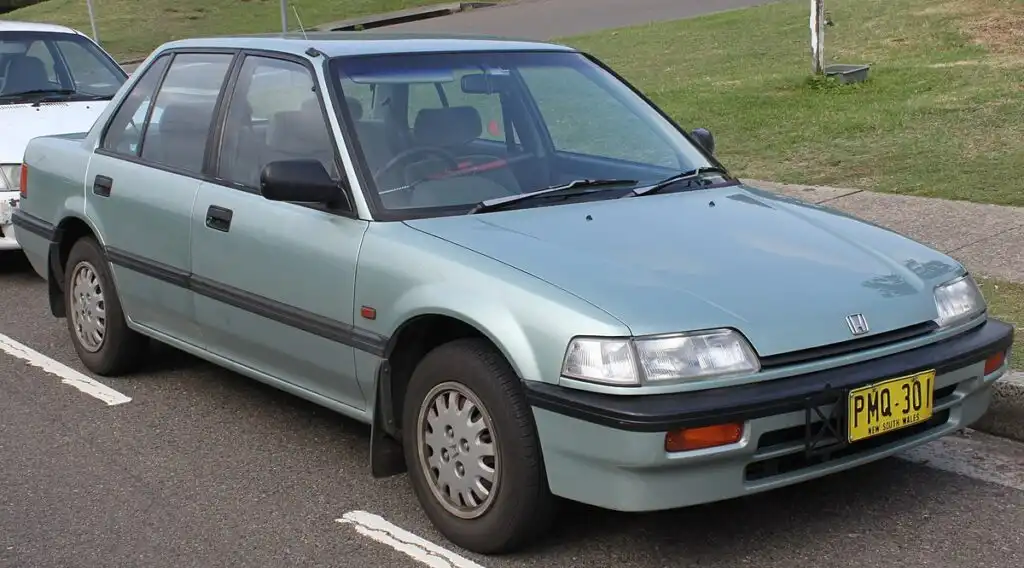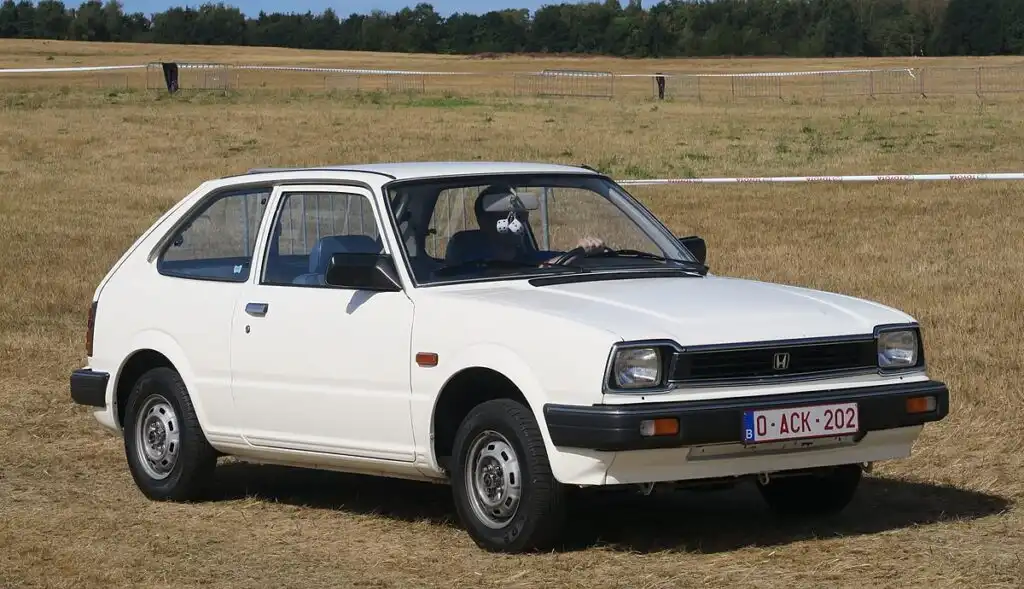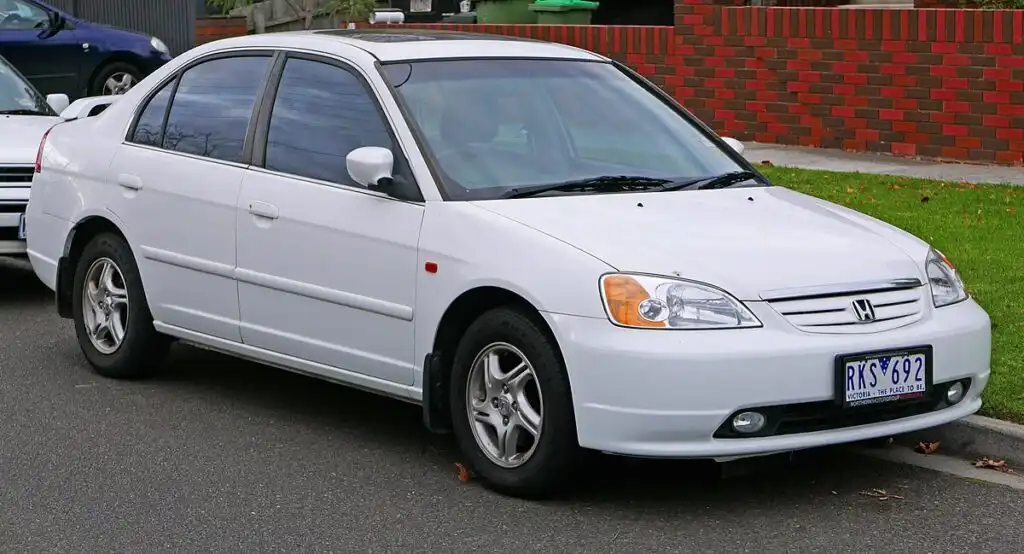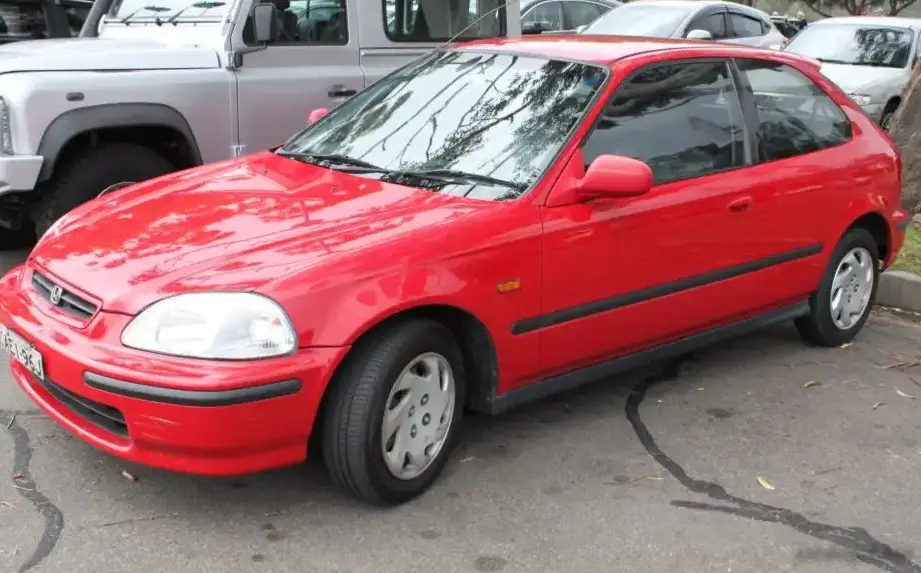
The Honda Civic VI Hatchback 1.6 i (114 hp) was a popular variant of the sixth-generation Civic, produced between 1995 and 2001. Positioned as a mid-range offering within the hatchback lineup, it provided a balance between performance and affordability. This model was primarily sold in European and Asian markets, where the three-door hatchback body style was particularly favored. It represented Honda’s commitment to fuel efficiency and reliability in the compact car segment, offering a practical and economical choice for everyday transportation. The 1.6 i utilized Honda’s established SOHC engine technology and was often paired with either a manual or an automatic transmission, catering to a wider range of driver preferences.
Technical Specifications
| Brand | Honda |
| Model | Civic |
| Generation | Civic VI Hatchback |
| Type (Engine) | 1.6 i (114 Hp) |
| Start of production | 1995 |
| End of production | 2001 |
| Powertrain Architecture | Internal Combustion engine |
| Body type | Hatchback |
| Seats | 5 |
| Doors | 3 |
| Fuel consumption (urban) | 10 l/100 km (23.5 US mpg) |
| Fuel consumption (extra urban) | 5.7 l/100 km (41.3 US mpg) |
| Fuel consumption (combined) | 8.1 l/100 km (29 US mpg) |
| Fuel Type | Petrol (Gasoline) |
| Acceleration 0 – 100 km/h | 9.5 sec |
| Acceleration 0 – 62 mph | 9.5 sec |
| Acceleration 0 – 60 mph | 9 sec |
| Maximum speed | 170 km/h (105.63 mph) |
| Weight-to-power ratio | 9.7 kg/Hp |
| Weight-to-torque ratio | 7.7 kg/Nm |
| Power | 114 Hp @ 6500 rpm |
| Power per litre | 71.7 Hp/l |
| Torque | 144 Nm @ 5000 rpm (106.21 lb.-ft. @ 5000 rpm) |
| Engine layout | Front, Transverse |
| Engine displacement | 1590 cm3 (97.03 cu. in.) |
| Number of cylinders | 4 |
| Engine configuration | Inline |
| Cylinder Bore | 75 mm (2.95 in.) |
| Piston Stroke | 90 mm (3.54 in.) |
| Compression ratio | 9.6:1 |
| Number of valves per cylinder | 4 |
| Fuel injection system | Multi-port manifold injection |
| Engine aspiration | Naturally aspirated engine |
| Valvetrain | OHC |
| Engine oil capacity | 3.3 l (3.49 US qt | 2.9 UK qt) |
| Kerb Weight | 1105 kg (2436.11 lbs.) |
| Max. weight | 1580 kg (3483.3 lbs.) |
| Max load | 475 kg (1047.2 lbs.) |
| Trunk (boot) space – minimum | 225 l (7.95 cu. ft.) |
| Trunk (boot) space – maximum | 600 l (21.19 cu. ft.) |
| Fuel tank capacity | 45 l (11.89 US gal | 9.9 UK gal) |
| Length | 4190 mm (164.96 in.) |
| Width | 1695 mm (66.73 in.) |
| Height | 1375 mm (54.13 in.) |
| Wheelbase | 2620 mm (103.15 in.) |
| Front track | 1478 mm (58.19 in.) |
| Rear (Back) track | 1488 mm (58.58 in.) |
| Drivetrain Architecture | The Internal combustion engine (ICE) drives the front wheels of the vehicle. |
| Drive wheel | Front wheel drive |
| Front suspension | Double wishbone |
| Rear suspension | Double wishbone |
| Front brakes | Ventilated discs |
| Rear brakes | Drum |
| Assisting systems | ABS (Anti-lock braking system) |
| Steering type | Steering rack and pinion |
| Power steering | Hydraulic Steering |
| Tires size | 175/65 R14 |
Powertrain & Engine Architecture
The heart of the Civic 1.6 i was the SOHC 16-valve 1.6-liter inline-four engine, typically identified by engine code D16Y. This engine was a refinement of Honda’s long-standing 1.6-liter design, featuring multi-point fuel injection and a relatively high compression ratio of 9.6:1. The engine produced 114 horsepower at 6,500 rpm and 106 lb-ft of torque at 5,000 rpm. The automatic transmission offered with this variant was a four-speed unit, designed for smooth and comfortable operation. While not particularly sporty, it provided adequate performance for daily commuting and highway driving. The engine’s design prioritized fuel efficiency and low emissions, aligning with Honda’s engineering philosophy of the time. The D16Y engine benefitted from Honda’s reputation for robust internal components and a well-engineered valvetrain, contributing to its overall reliability.
Driving Characteristics
The 1.6 i automatic offered a comfortable, if not exhilarating, driving experience. Acceleration from 0-60 mph took around 9 seconds, which was respectable for a car of its class in the mid-1990s. The automatic transmission, while smooth, did detract somewhat from the engine’s potential, resulting in a noticeable delay in response compared to the available manual transmission. Gear ratios were optimized for fuel economy rather than outright performance. The car felt stable and predictable in corners, but lacked the sharp handling characteristics of some of its rivals. Overall, the driving experience was geared towards practicality and ease of use. The steering was light and responsive, making it easy to maneuver in urban environments. The suspension absorbed bumps and imperfections in the road well, providing a comfortable ride for both driver and passengers.
Equipment & Trim Levels
The Civic 1.6 i typically came equipped with features such as power steering, central locking, electric windows, and an AM/FM radio. Higher trim levels offered options like air conditioning, alloy wheels, and a sunroof. Interior upholstery was generally cloth, with a simple and functional dashboard layout. The 1.6 i served as a stepping stone between the base model and the more performance-oriented variants, offering a good balance of features and affordability. Optional extras included a CD player and upgraded sound system. The interior design, while not luxurious, was well-built and durable, reflecting Honda’s attention to detail.
Chassis & Braking
The Civic VI Hatchback utilized a front independent double wishbone suspension and a rear independent double wishbone suspension, providing a comfortable ride and decent handling. The front brakes were ventilated discs, offering good stopping power, while the rear brakes were drums. ABS (Anti-lock Braking System) was often included as standard equipment, enhancing safety. The chassis was relatively lightweight, contributing to the car’s fuel efficiency and agility. Stabilizer bars were fitted to both the front and rear axles to reduce body roll during cornering. The use of independent suspension on all four wheels contributed to the car’s refined ride quality and predictable handling.
Market Reception & Comparison
The Civic 1.6 i automatic was generally well-received by critics as a practical and reliable everyday car. It was praised for its fuel efficiency and comfortable ride. However, some reviewers noted that the automatic transmission dulled the engine’s performance compared to the manual version. Compared to other trims, such as the more powerful 1.8L models, the 1.6 i offered a more affordable entry point into the Civic range. It competed with other compact hatchbacks like the Volkswagen Golf, Ford Escort, and Opel/Vauxhall Astra. The 1.8L models offered more spirited performance, while the base models prioritized affordability. The 1.6 i struck a balance between these two extremes, appealing to a broad range of buyers.
Legacy
The Honda Civic VI 1.6 i automatic has proven to be a remarkably durable and reliable vehicle. Many examples are still on the road today, a testament to Honda’s engineering quality. The D16Y engine is known for its longevity and relatively low maintenance costs. In the used car market, these Civics are often sought after for their affordability and reputation for reliability. While not a collector’s item, they remain a popular choice for budget-conscious buyers looking for a dependable and economical car. The simplicity of the engine and transmission makes them relatively easy to maintain and repair, further contributing to their enduring appeal. Parts availability remains good, and the car’s straightforward design makes it accessible to amateur mechanics. The Civic VI 1.6 i automatic represents a high point in Honda’s commitment to building reliable and efficient transportation.