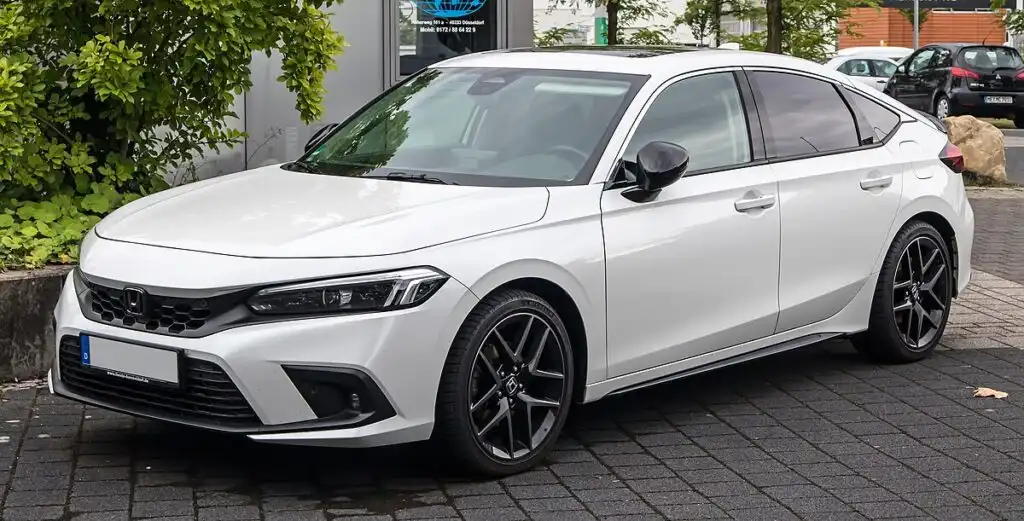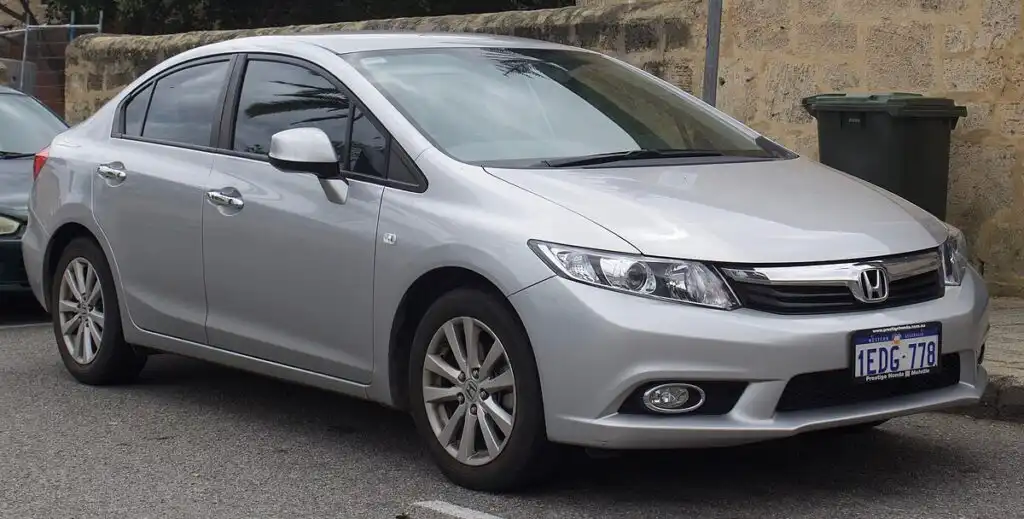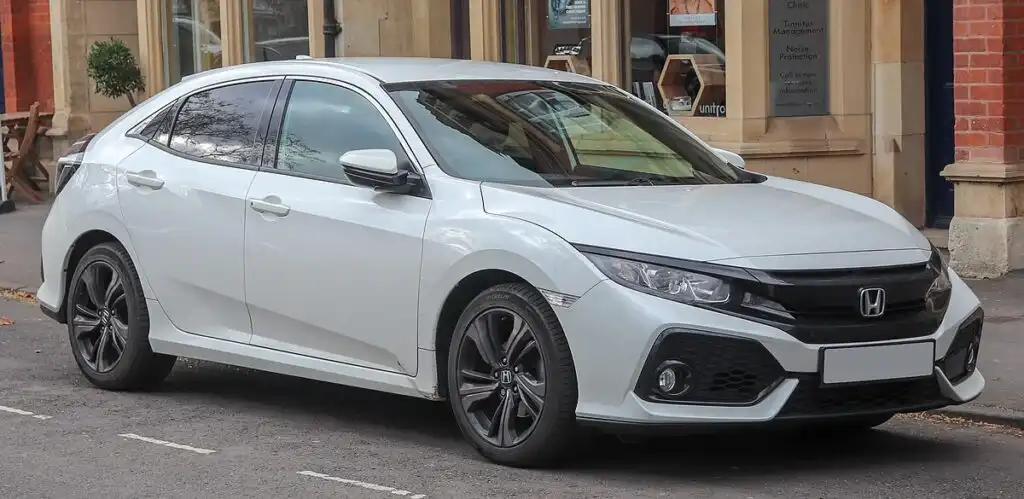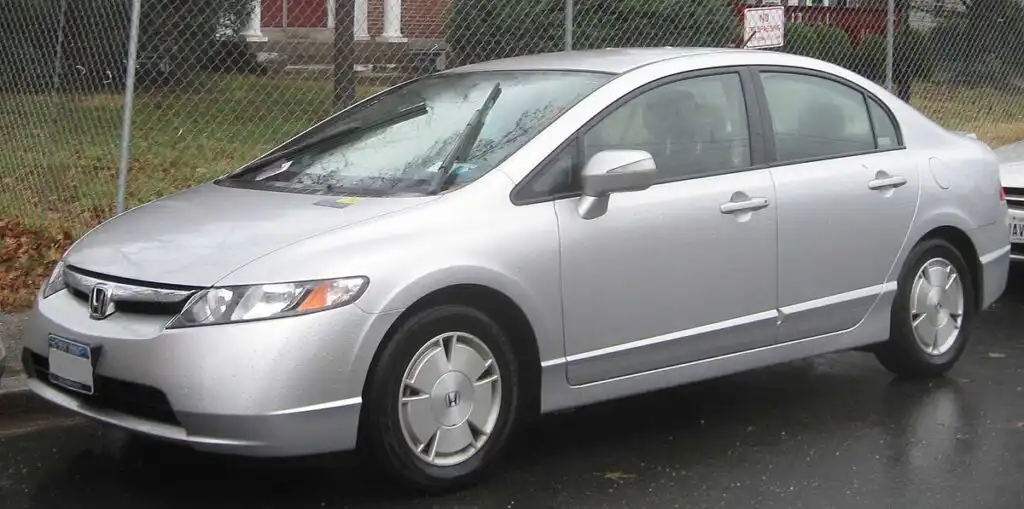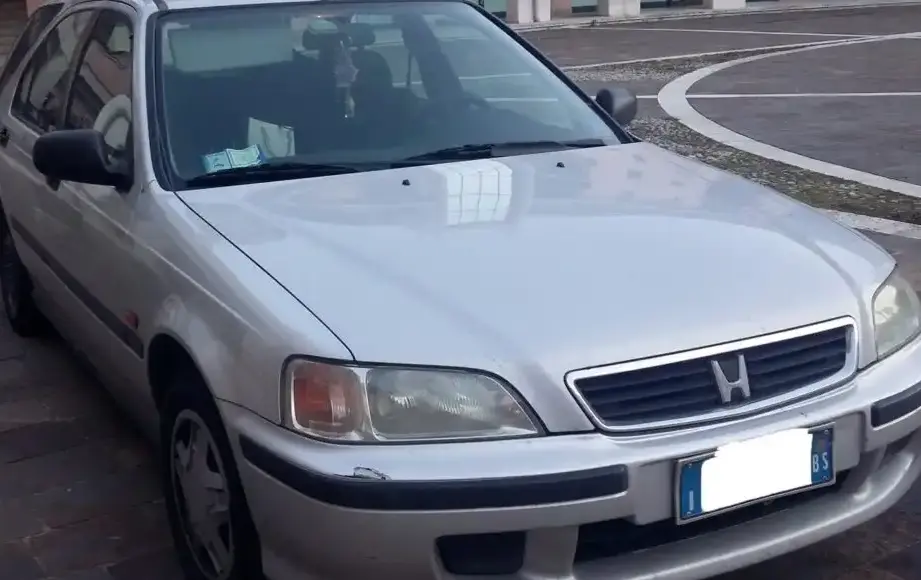
The Honda Civic VI Wagon 1.4 16V, produced between 1998 and 2000, represented a practical and economical offering within the sixth-generation (EG/EH/EJ) Civic lineup. Specifically designed for the European market, this station wagon (estate) variant aimed to provide family-oriented buyers with a versatile and fuel-efficient vehicle. Positioned as an entry-level trim, the 1.4 16V model offered a balance between affordability and usability, though it was often overshadowed by more powerful engine options available in the Civic range. It was built on the Honda Civic platform, known for its reliability and space efficiency.
Technical Specifications
| Brand | Honda |
| Model | Civic |
| Generation | Civic VI Wagon |
| Type (Engine) | 1.4 16V (90 Hp) |
| Start of production | 1998 |
| End of production | 2000 |
| Powertrain Architecture | Internal Combustion engine |
| Body type | Station wagon (estate) |
| Seats | 5 |
| Doors | 5 |
| Fuel consumption (urban) | 9.5 l/100 km (24.8 US mpg) |
| Fuel consumption (extra urban) | 6.7 l/100 km (35.1 US mpg) |
| Fuel Type | Petrol (Gasoline) |
| Acceleration 0 – 100 km/h | 13.9 sec |
| Acceleration 0 – 62 mph | 13.9 sec |
| Acceleration 0 – 60 mph | 13.2 sec |
| Maximum speed | 172 km/h (106.88 mph) |
| Weight-to-power ratio | 12.9 kg/Hp |
| Weight-to-torque ratio | 9.7 kg/Nm |
| Power | 90 Hp @ 6400 rpm |
| Power per litre | 64.5 Hp/l |
| Torque | 120 Nm @ 4800 rpm (88.51 lb.-ft. @ 4800 rpm) |
| Engine layout | Front, Transverse |
| Engine Model/Code | D14A4 |
| Engine displacement | 1396 cm3 (85.19 cu. in.) |
| Number of cylinders | 4 |
| Engine configuration | Inline |
| Cylinder Bore | 75 mm (2.95 in.) |
| Piston Stroke | 79 mm (3.11 in.) |
| Compression ratio | 9:1 |
| Number of valves per cylinder | 4 |
| Fuel injection system | Multi-port manifold injection |
| Engine aspiration | Naturally aspirated engine |
| Valvetrain | OHC |
| Engine oil capacity | 3.3 l (3.49 US qt | 2.9 UK qt) |
| Kerb Weight | 1160 kg (2557.36 lbs.) |
| Max. weight | 1620 kg (3571.49 lbs.) |
| Max load | 460 kg (1014.13 lbs.) |
| Trunk (boot) space – minimum | 415 l (14.66 cu. ft.) |
| Trunk (boot) space – maximum | 1312 l (46.33 cu. ft.) |
| Fuel tank capacity | 55 l (14.53 US gal | 12.1 UK gal) |
| Length | 4425 mm (174.21 in.) |
| Width | 1695 mm (66.73 in.) |
| Height | 1410 mm (55.51 in.) |
| Wheelbase | 2620 mm (103.15 in.) |
| Front track | 1475 mm (58.07 in.) |
| Rear (Back) track | 1470 mm (57.87 in.) |
| Drivetrain Architecture | The Internal combustion engine (ICE) drives the front wheels of the vehicle. |
| Drive wheel | Front wheel drive |
| Number of gears and type of gearbox | 5 gears, manual transmission |
| Front suspension | Double wishbone |
| Rear suspension | Trailing arm |
| Front brakes | Ventilated discs |
| Rear brakes | Drum |
| Assisting systems | ABS (Anti-lock braking system) |
| Steering type | Steering rack and pinion |
| Power steering | Hydraulic Steering |
| Tires size | 185/60 R14 |
Powertrain & Engine Architecture
The heart of the Civic VI Wagon 1.4 16V was the D14A4 engine, a 1.4-liter (1396 cc) inline-four cylinder gasoline engine. This engine featured a single overhead camshaft (SOHC) valvetrain operating 16 valves – four per cylinder. The D14A4 utilized multi-point fuel injection, a common feature for the time, contributing to improved fuel efficiency and smoother operation compared to earlier carburetor-equipped engines. The engine produced 90 horsepower at 6400 rpm and 120 Nm (88.5 lb-ft) of torque at 4800 rpm. The engine’s relatively modest output was typical for this displacement class in the late 1990s, prioritizing fuel economy over outright performance. The engine was paired with a 5-speed manual transmission, which was the standard offering. An automatic transmission was available as an option, but it impacted the car’s acceleration and fuel economy.
Driving Characteristics
The 1.4 16V Civic Wagon, particularly with the manual transmission, offered a reasonably engaging driving experience for its class. However, with only 90 hp, acceleration was not its strong suit. The 0-60 mph time of around 13.2 seconds reflects this. The engine felt most comfortable in the mid-range, providing adequate power for everyday driving situations. The automatic transmission, while offering convenience, noticeably dulled performance, increasing the 0-60 mph time to around 13.9 seconds. Gear ratios were geared towards fuel efficiency, meaning the engine often needed to be revved to maintain speed, especially when loaded with passengers or cargo. Compared to the more powerful 1.6L variants, or even the diesel options available in Europe, the 1.4 felt noticeably slower, but it compensated with better fuel economy.
Equipment & Trim Levels
The 1.4 16V trim level was generally considered the base model for the Civic Wagon. Standard equipment typically included power steering, central locking, electric front windows, and an AM/FM radio. Interior upholstery was usually a basic cloth material. Optional extras included air conditioning, alloy wheels, and a sunroof. The dashboard layout was functional and straightforward, prioritizing usability over luxury. Safety features were relatively basic for the era, typically consisting of a driver’s airbag and ABS (Anti-lock Braking System) as optional equipment.
Chassis & Braking
The Civic Wagon utilized a front-engine, front-wheel-drive layout. Suspension consisted of a double wishbone setup at the front and a trailing arm arrangement at the rear. This configuration provided a comfortable ride quality, although it wasn’t particularly sporty. Braking was typically accomplished with ventilated discs at the front and drum brakes at the rear. The ABS system, when equipped, enhanced braking performance and stability, particularly on slippery surfaces. The relatively lightweight nature of the vehicle (around 1160 kg / 2557 lbs) helped to offset the modest engine power.
Market Reception & Comparison
The Civic VI Wagon 1.4 16V was generally well-received as a practical and reliable family car. Critics praised its spacious interior, fuel efficiency, and Honda’s reputation for build quality. However, the engine’s lack of power was a common criticism, particularly when compared to competitors offering larger displacement engines. Compared to the 1.6L Civic models, the 1.4 offered significantly less performance but boasted better fuel economy. The diesel variants, popular in Europe, provided even better fuel economy and more torque, but at the expense of refinement. The 1.4 16V appealed to buyers prioritizing affordability and practicality over performance.
Legacy
The D14A4 engine, while not known for its high performance, proved to be remarkably durable and reliable. Civic VI Wagons equipped with this engine continue to be found on the used car market today, often with high mileage and still running reliably. The engine’s simplicity and robust construction contribute to its longevity. Parts availability remains good, making maintenance relatively straightforward and affordable. While not a collector’s item, the Civic VI Wagon 1.4 16V represents a solid and dependable choice for those seeking an economical and practical classic car.